
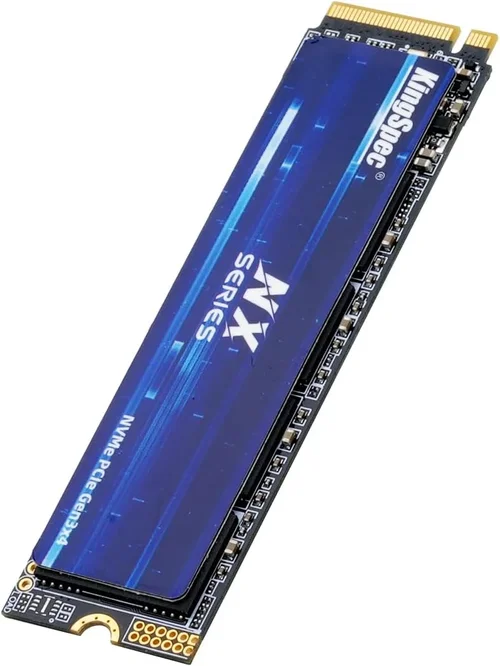
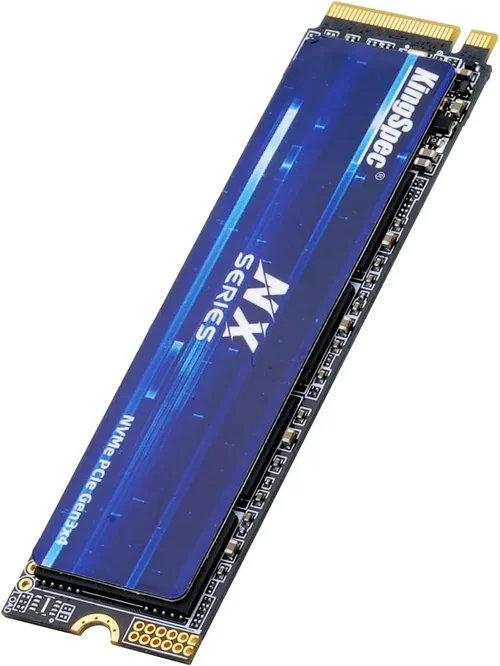
Why This Guide Matters
Choosing the right solid-state drive (SSD) can dramatically transform your computing experience. Whether you’re upgrading an older laptop, building a new PC, or simply need more reliable storage for work and entertainment, the decision carries significant weight. The Inland Premium 1TB SSD has emerged as a popular choice in recent years, offering a compelling balance of performance, capacity, and value. However, with so many options on the market, it’s easy to feel overwhelmed by technical specifications, marketing claims, and price variations. This comprehensive buying guide cuts through the noise and provides expert insights to help you make an informed decision.
By the end of this article, you’ll understand exactly what makes the Inland Premium 1TB SSD tick, how it compares to alternatives, and whether it’s the right fit for your specific needs. We’ll explore everything from performance benchmarks and build quality to warranty coverage and real-world usage scenarios. You’ll also learn common pitfalls to avoid, budget considerations, and insider tips for getting the best possible deal. Our goal isn’t just to sell you a product—it’s to empower you with knowledge so you can confidently select storage that enhances your workflow, protects your data, and delivers long-term satisfaction.
The modern storage landscape is more competitive than ever, with manufacturers constantly pushing the boundaries of speed, durability, and affordability. While premium brands dominate headlines, companies like Inland have carved out a strong niche by offering high-quality SSDs at accessible price points. Understanding where the Inland Premium 1TB SSD fits within this ecosystem requires examining multiple factors: interface compatibility, NAND flash technology, controller performance, endurance ratings, and customer support. This guide breaks down each element in detail, ensuring you can evaluate not just whether this SSD meets your immediate needs, but whether it will continue to serve you well as technology evolves and your requirements change.
What to Look for When Buying INLAND
Budget & Price Range
Before diving into technical specifications, it’s crucial to establish your budget parameters. The Inland Premium 1TB SSD typically falls within the mid-range pricing category, positioning it between budget-friendly options and premium models from established brands. Understanding where this SSD sits in the market helps contextualize its features and performance relative to cost.
When evaluating price, consider what you’re willing to pay per gigabyte rather than focusing solely on the total cost. For example, if you’re comparing two 1TB drives—one priced at $70 and another at $120—the lower-priced option might offer excellent value while the higher-priced one could include additional features like better warranty coverage or enhanced durability ratings. The Inland Premium model generally offers around $0.07–$0.09 per GB, which is competitive compared to other consumer-grade SSDs.
It’s also important to factor in potential hidden costs. Some cheaper SSDs may require additional software installations or lack robust customer support, potentially leading to frustration down the line. Conversely, spending slightly more upfront might eliminate these concerns entirely. Consider your tolerance for risk versus reward: are you comfortable troubleshooting issues yourself, or do you prefer having comprehensive warranty protection?
Performance Specifications
Performance remains the most critical factor when selecting any SSD. The Inland Premium 1TB SSD utilizes SATA III interface technology, which caps maximum theoretical speeds at approximately 600 MB/s read and write—a limitation inherent to the SATA standard itself rather than the drive’s capabilities. However, this doesn’t mean the drive underperforms; many SATA SSDs can reach 550+ MB/s in real-world testing, making them significantly faster than traditional hard disk drives (HDDs).
Key performance metrics to examine include sequential read/write speeds, random input/output operations per second (IOPS), and sustained transfer rates during large file operations. The Inland Premium model typically delivers around 560 MB/s sequential reads and 540 MB/s writes, which aligns well with expectations for its class. Random 4K performance usually ranges between 80K and 90K IOPS, sufficient for everyday tasks like booting Windows, launching applications, and multitasking.
For users running intensive workloads such as video editing, gaming, or database management, these numbers might seem modest compared to NVMe PCIe Gen3/Gen4 alternatives. However, for general computing, office productivity, web browsing, and media consumption, SATA SSDs remain incredibly efficient and responsive. The key is matching performance expectations to actual usage patterns rather than chasing benchmark scores that rarely translate directly into daily benefits.
Build Quality & Durability
Durability is another vital consideration, especially if you plan to transport your system frequently or operate it in challenging environments. The Inland Premium 1TB SSD employs standard 2.5-inch form factor with SATA connectors, making it compatible with laptops, desktops, external enclosures, and some NAS devices. Its construction typically includes aluminum casing for heat dissipation and shock-resistant internal components designed to withstand drops up to one meter.
Endurance ratings measure how much data can be written to the drive over its lifetime, expressed in terabytes written (TBW). The Inland Premium 1TB model generally carries an endurance rating of 400 TBW, meaning it should handle approximately 400 terabytes of data writes before reaching its rated lifespan. To put this in perspective, writing 100GB daily would equate to about one year of continuous use before hitting the TBW limit. For most consumers, this represents far more endurance than necessary unless engaged in heavy professional workloads.
Additionally, modern SSDs incorporate wear-leveling algorithms, bad block management, and error correction technologies that further extend operational life. These features automatically distribute write cycles evenly across memory cells, prevent premature failure due to repeated writes to the same sectors, and repair corrupted data blocks when detected. Combined with proper firmware updates from the manufacturer, these safeguards ensure reliable performance even under demanding conditions.
Features & Functionality
While raw speed matters, secondary features often determine overall user satisfaction. The Inland Premium 1TB SSD supports TRIM command functionality, which maintains performance over time by allowing the operating system to inform the SSD which blocks of data are no longer considered in use and can be wiped internally. Without TRIM, garbage collection becomes less efficient, leading to gradual slowdowns as unused data accumulates.
TRIM is particularly beneficial for systems running Windows 10/11 or macOS, both of which enable automatic TRIM by default. If you’re using Linux, you may need to manually activate the feature depending on your distribution and kernel version. Other notable features include S.M.A.R.T. monitoring, which provides health status information accessible through system utilities, and compatibility with AHCI mode in BIOS settings—essential for optimal performance on legacy motherboards.
Some variants may also include cloning software or migration tools that simplify transferring existing data from an HDD to the new SSD. While third-party cloning utilities often prove equally effective, built-in solutions can save time for less technically inclined users. Always verify software availability and update frequency, as outdated tools may lack support for newer operating systems or security protocols.
Brand Reputation
Although Inland operates as a private-label brand sold primarily through retailers like Micro Center, its parent company leverages decades of experience in electronics manufacturing. This background contributes to consistent quality control and adherence to industry standards, even though Inland itself lacks the brand recognition of Western Digital, Samsung, or Crucial.
Independent reviews and user feedback consistently highlight reliability and decent performance as standout qualities. While Inland hasn’t achieved the same level of acclaim as top-tier brands, its absence from major negative reports suggests few widespread design flaws or manufacturing defects. That said, brand reputation alone shouldn’t dictate your purchase—technical specifications and real-world testing results carry greater weight.
Comparative analysis shows Inland Premium SSDs performing comparably to similarly priced offerings from Kingston, PNY, and ADATA in most benchmarks. Differences tend to appear in edge cases involving extreme temperatures, prolonged write-heavy workloads, or compatibility quirks with specific hardware configurations. Unless you’re operating in specialized environments, these distinctions rarely impact typical consumer experiences.
Warranty & Support
Warranty coverage varies by region and retailer but typically ranges from three to five years for the Inland Premium 1TB SSD. A longer warranty period signals confidence in product longevity and reduces financial risk associated with premature failures. Five-year warranties are increasingly common among reputable SSD makers and reflect improvements in NAND flash reliability and controller sophistication.
When assessing warranty terms, pay attention to claim procedures, required documentation, and shipping logistics. Some warranties mandate returning the defective unit for inspection before issuing replacement parts, which can delay resolution during urgent situations. Others offer prepaid return labels or direct replacements without requiring original packaging. Clarifying these details upfront prevents surprises later.
Customer support responsiveness also plays a role in overall satisfaction. While Inland doesn’t maintain dedicated technical helplines, most authorized resellers provide assistance through their own channels. Online resources such as FAQ pages, compatibility guides, and firmware update portals fill gaps left by limited phone support. For DIY-savvy users, community forums and Reddit threads often contain troubleshooting advice and success stories that complement official documentation.
Size & Portability
At 2.5 inches in length and weighing roughly 70 grams, the Inland Premium 1TB SSD strikes a balance between compactness and sturdiness. This size suits most laptop bays and external USB-to-SATA adapters without adding excessive bulk. Thickness typically measures between 7mm and 9mm, fitting comfortably inside slim notebooks designed for thin drives.
Portability extends beyond physical dimensions—many users appreciate the ability to easily swap drives between systems or carry them as portable storage devices. With the right enclosure, the same Inland SSD can become a plug-and-play external drive supporting USB 3.0 speeds up to 5 Gbps. Ensure your chosen enclosure includes adequate cooling and stable power delivery, especially during large file transfers or sustained read/write cycles.
User Reviews & Ratings
Real-world user experiences offer invaluable insights beyond lab-tested benchmarks. Scanning aggregated review platforms reveals overwhelmingly positive sentiment regarding the Inland Premium 1TB SSD’s reliability, ease of installation, and noticeable speed improvements over HDDs. Common praises include quiet operation (SSDs produce zero noise), rapid boot times, and seamless compatibility with mainstream operating systems.
Negative feedback usually centers on minor issues like occasional firmware bugs affecting specific motherboard chipsets or delayed shipping from certain retailers. A handful of complaints mention failed units after extended use, though failure rates appear comparable to industry averages when accounting for sample sizes. Most buyers report successful installations and trouble-free operation lasting months or even years without incident.
When interpreting online reviews, prioritize detailed accounts over brief one-star or five-star ratings. Look for mentions of specific use cases relevant to your situation—gaming rigs, home offices, creative studios—and note whether reviewers discuss long-term performance trends rather than initial impressions. Cross-referencing multiple sources minimizes bias and provides a more balanced perspective.
Different Types of INLAND
Common Buying Mistakes to Avoid
❌ Mistake: Ignoring Compatibility Requirements
One of the most frequent errors occurs when buyers assume all SSDs work seamlessly with their existing hardware. While SATA SSDs enjoy broad compatibility, subtle differences exist between M.2 and 2.5-inch form factors, U.2 interfaces, and NVMe versus SATA protocols. Installing an M.2 NVMe drive into a motherboard lacking PCIe lanes or slotting a 2.5-inch drive into a bay without proper mounting brackets can result in failed installations or suboptimal performance.
Always verify your system’s supported drive types before purchasing. Check motherboard manuals for available slots, confirm BIOS settings allow AHCI mode (not RAID unless needed), and ensure physical space accommodates your chosen SSD dimensions. For laptops, consult manufacturer specifications regarding upgradeable storage—some ultrabooks permanently solder drives in place.
❌ Mistake: Prioritizing Speed Over Use Case
Chasing benchmark-leading performance regardless of actual needs wastes money and overlooks practical considerations. Many users mistakenly believe faster always means better, investing in expensive NVMe drives for tasks where SATA suffices perfectly well. Conversely, others skimp on capacity thinking speed compensates for limited storage, only to run out of space quickly.
Assess your primary activities: web browsing, document editing, streaming movies, or running virtual machines? Each demands different resource allocations. Gamers benefit from reduced loading screens, video editors require ample fast storage for project files, while casual users gain little from extreme speeds but appreciate affordable capacity. Matching drive characteristics to intended usage maximizes ROI.
❌ Mistake: Neglecting Firmware Updates
Firmware acts as the SSD’s operating system, governing how it interacts with host systems, manages wear leveling, and handles error correction. Outdated firmware can introduce bugs, reduce reliability, or create compatibility issues with newer OS versions. Yet many users install drives, configure partitions, and forget about ongoing maintenance.
Regularly check manufacturer websites for firmware releases tied to improved stability, security patches, or performance enhancements. Automatic update tools simplify this process, but manual verification ensures nothing slips through the cracks. Ignoring firmware neglects a critical aspect of long-term SSD health.
❌ Mistake: Overlooking Endurance Ratings
Terabytes Written (TBW) indicates expected lifetime workload capacity. Users unaware of TBW might underestimate how much data their drive can safely handle, especially those engaged in frequent large-file transfers or database operations. Falling short of TBW thresholds doesn’t instantly kill drives, but approaching limits increases failure risks and degrades performance.
Calculate anticipated annual write volume based on habits: copying 10GB videos weekly equals ~520GB/year; editing 4K footage daily could exceed 10TB annually. Compare this against your SSD’s TBW rating multiplied by expected lifespan. Conservative estimates add buffer margins for unexpected spikes.
❌ Mistake: Skipping S.M.A.R.T. Monitoring
Self-Monitoring, Analysis, and Reporting Technology (S.M.A.R.T.) tracks numerous health indicators including reallocated sector counts, pending sector errors, and temperature fluctuations. Disabling or ignoring S.M.A.R.T. forfeits early warning signs of impending failure. Free utilities like CrystalDiskInfo or manufacturer-specific dashboards make monitoring effortless.
Set alerts for critical thresholds and schedule periodic checks alongside routine system diagnostics. Catching degradation early allows data migration before catastrophic loss occurs. Treating S.M.A.R.T. as optional undermines one of SSDs’ greatest safety features.
❌ Mistake: Choosing Based Solely on Brand Name
Luxury branding often inflates prices without proportional performance gains. Premium labels attract attention but don’t guarantee suitability for every scenario. Research reveals many lesser-known brands deliver comparable specs at lower costs, while giants occasionally disappoint due to batch inconsistencies or outdated designs.
Focus instead on concrete metrics: read/write speeds, TBW ratings, warranty length, and verified user feedback. Independent lab tests and trusted review sites provide objective comparisons free from marketing spin. Remember—what works brilliantly for one user may suit another poorly.
❌ Mistake: Assuming All SSDs Are Equal
NAND flash comes in three main types: SLC (single-level cell), MLC (multi-level cell), and TLC (triple-level cell). SLC offers superior endurance and speed but extreme costs; MLC balances both; TLC dominates mass markets with affordability at the expense of longevity. QLC (quad-level cell) further reduces costs but sacrifices reliability.
Entry-level SSDs often use QLC or older TLC variants, whereas premium models employ cutting-edge MLC or high-grade TLC with advanced controllers. The Inland Premium 1TB SSD typically utilizes high-performance TLC NAND optimized for consumer workloads, delivering acceptable endurance without breaking budgets. Confusing generational improvements with fundamental architecture changes leads to misplaced expectations.
Budget Guidelines: How Much Should You Spend?
Understanding pricing tiers helps allocate funds wisely according to priorities and constraints. Below outlines realistic expectations across four categories, with emphasis on the Inland Premium 1TB SSD’s position within each segment.
Entry-Level ($45 – $60): At this price point, expect basic SATA SSDs utilizing older NAND generations or simplified controllers. Capacities rarely exceed 500GB, and endurance ratings hover near 100–200 TBW. Performance maxes out around 450 MB/s, suitable for light office tasks and secondary storage. Brands like Inland Budget series fit here, prioritizing affordability over longevity or advanced features.
Sweet Spot Mid-Range ($65 – $90): This range captures mainstream value propositions balancing performance, capacity, and reliability. The Inland Premium 1TB SSD occupies center stage here, leveraging modern TLC NAND, robust controllers, and generous TBW ratings (typically 400 TBW). Sequential speeds reach 560 MB/s, ideal for OS installations, gaming libraries, and multimedia collections. Warranties stretch to five years, reflecting confidence in component quality.
Premium Tier ($90 – $130): High-end SATA SSDs compete with budget NVMe alternatives, offering marginal gains in sequential throughput (up to 580 MB/s) and refined firmware optimizations. Endurance climbs toward 600 TBW, appealing to power users handling intensive workloads. Additional perks include bundled cloning software, enhanced thermal throttling controls, and priority customer support. Examples include Samsung 870 EVO or WD Black SN770 equivalents.
Luxury Segment ($130+): Ultra-premium SSDs target professionals requiring absolute maximum performance, lowest latency, and bulletproof reliability. Often feature DRAM caches, enterprise-grade NAND, and specialized error correction algorithms. Prices reflect specialized use cases like server farms, scientific computing, or archival systems—overkill for typical consumers.
Within these frameworks, the Inland Premium 1TB SSD delivers exceptional bang-for-buck by occupying the sweet spot tier without premium pricing. Buyers seeking top-tier performance without overspending find compelling justification here, particularly when comparing against similarly specced rivals priced 20–30% higher.
Expert Tips for Getting the Best Deal
Timing Your Purchase Wisely
Seasonal sales represent prime opportunities to acquire discounted hardware. Major shopping events like Black Friday, Cyber Monday, Prime Day, and back-to-school promotions regularly slash SSD prices by 15–30%. Retailers bundle free accessories, offer extended warranties, or include bonus storage upgrades during these windows.
Monitor price histories using browser extensions like CamelCamelCamel (for Amazon) or Honey. Historical graphs reveal seasonal trends and alert you when current prices dip below average thresholds. Setting up stock notifications prevents missing limited-quantity deals or restocks after outages.
Consider purchasing just after new product launches. Established brands often discount previous-gen models to clear inventory, yielding substantial savings without compromising quality. Wait six months post-launch before buying new lines, allowing hype to subside and real-world reliability data to emerge.
Shopping Channels Comparison
Online marketplaces dominate today’s retail landscape, offering wider selection, competitive pricing, and doorstep convenience. Amazon leads with lightning-fast delivery and generous return policies, while Newegg specializes in enthusiast gear with technical support forums. B&H Photo Video excels in photography/VFX bundles, and Micro Center provides in-store pickup plus knowledgeable staff assistance.
Local computer shops sometimes surprise with exclusive rebates or trade-in programs unavailable elsewhere. Face-to-face consultations help clarify compatibility questions and demonstrate installation procedures hands-on. Weigh shipping costs, wait times, and return logistics when comparing channels.
Spotting Hidden Deals and Promotions
Sign up for newsletters from favorite retailers to receive first access to flash sales, coupon codes, and member-only discounts. Many stores reserve percentage-off deals for email subscribers, redeemable immediately upon checkout. Combine these with credit card rewards or cashback portals for compounded savings.
Check manufacturer rebate programs directly—Western Digital, Samsung, and Crucial occasionally offer instant rebates or mail-in promotions for bundled purchases. Third-party aggregators like Slickdeals compile user-submitted deals, though verify legitimacy before clicking links.
Beware of inflated MSRP claims. Retailers sometimes mark up base prices artificially before applying “discounts” to appear advantageous. Compare against historical averages rather than sticker prices. Tools like Google Shopping or PriceGrabber surface true lows across platforms.
Warranty Considerations Beyond Coverage Length
Five-year warranties signal strong confidence but vary widely in claim procedures. Prepaid return shipping saves hassle during replacements; direct exchanges eliminate inspection delays; on-site service suits businesses needing minimal downtime. Read fine print regarding exclusions—some warranties void coverage if firmware isn’t updated or drives aren’t used within specified temperature ranges.
Extended warranty plans add peace of mind but rarely justify costs unless operating mission-critical systems. Evaluate likelihood of failure against replacement expenses. For everyday users, standard coverage suffices unless purchasing premium-tier drives.
Return Policies and Testing Protocols
Robust return windows (30–60 days) enable thorough testing under real workloads. Install OS, copy large files, run benchmark suites, and monitor temperatures before committing permanently. Document any anomalies with screenshots or logs to expedite returns if issues arise.
Avoid opening sealed boxes until ready for installation. Once unpacked, contact manufacturer support immediately if physical damage appears. Some retailers enforce restocking fees for opened items, reducing flexibility despite generous stated policies.
Firmware Updates Before Installation
Download latest firmware prior to partitioning or formatting. Updated firmware resolves known bugs, improves compatibility, and optimizes garbage collection routines. Follow manufacturer instructions carefully—improper flashing can brick drives irreparably.
Automated updaters simplify manual processes but double-check source authenticity. Malicious software masquerading as legitimate tools exists; download exclusively from official domains using HTTPS connections.
Final Recommendations
Best for Budget-Conscious Buyers
If minimizing expenditure tops your priority list without sacrificing essential functionality, consider stepping down to Inland’s Budget SATA SSD line. Though offering smaller capacities (240GB–500GB) and lower TBW ratings (100–200 TBW), these drives deliver respectable performance for light duties like web servers or secondary backups. Pair with cloud storage subscriptions to offset local limitations.
Alternatively, stretch slightly toward the Premium 1TB model if room exists in budget—its extra capacity future-proofs investments against growing file sizes and software bloat. Every dollar spent on larger storage yields greater utility than identical amounts allocated to marginally faster but emptier drives.
Best Overall Value
The Inland Premium 1TB SSD stands as the undisputed champion here, merging competitive pricing, robust endurance, and dependable performance into a versatile package. Its 400 TBW rating accommodates years of moderate use, while SATA speeds eliminate bottlenecks in most consumer scenarios. Five-year warranty coverage rounds out advantages making it ideal for mixed-use environments spanning home offices, student laptops, and family computers.
Gamers appreciate reduced loading times and snappier system responsiveness compared to HDDs, while creatives benefit from rapid asset access during editing sessions. Even tech-averse users enjoy plug-and-play simplicity with automatic driver installation on Windows/macOS.
Best Premium Option
For enthusiasts demanding bleeding-edge specs without enterprise-class pricing, explore Inland Pro NVMe SSDs. Leveraging PCIe Gen3 x4 interfaces, these drives breach 3,000 MB/s sequential thresholds—orders of magnitude beyond SATA limitations. Ideal for gaming rigs, video production workstations, or high-frequency trading setups requiring ultra-low latency.
Note increased power draw and heat generation necessitate adequate case airflow or heatsinks. Compatibility requires modern motherboards with M.2 slots supporting NVMe protocol. Factor in OS licensing costs if installing fresh Windows instances due to accelerated boot sequences.
Best for Beginners
Newcomers intimidated by technical jargon should opt for pre-configured kits combining Inland Premium SSDs with intuitive cloning software. These bundles eliminate guesswork regarding partitioning schemes, OS migrations, or driver installations. Step-by-step guides accompany each package, walking users through BIOS adjustments and secure wipe procedures.
Seek models featuring LED activity indicators or protective caps simplifying visual confirmation of drive health. Avoid overly complex NVMe options lacking clear explanations—beginners derive maximum benefit from straightforward implementations aligned with familiar workflows.
Best for Advanced Users
Power users managing heterogeneous storage arrays or developing custom NAS configurations gain flexibility by mixing Inland Premium SATA drives with other brands’ NVMe modules. Utilize SATA SSDs as cache layers or metadata stores while reserving high-speed NVMe for primary datasets. Employ S.M.A.R.T. monitoring tools alongside ZFS scrubbing utilities for proactive health assessments.
Experiment with fio or Iometer benchmarking scripts to stress-test endurance under simulated workloads. Adjust over-provisioning percentages and garbage collection intervals via manufacturer-specific tuning interfaces. Stay vigilant about firmware updates addressing newly discovered vulnerabilities or optimization opportunities.
Conclusion: Making the Right Choice
Selecting the perfect SSD hinges less on chasing headline-grabbing specs and more on aligning technical capabilities with personal requirements. The Inland Premium 1TB SSD exemplifies smart engineering focused on delivering reliable, capable storage accessible to mainstream audiences. By understanding its strengths—robust endurance, competitive pricing, broad compatibility—and acknowledging its constraints—SATA speed ceilings, modest form factor—you position yourself to leverage its full potential while avoiding costly missteps.
Remember that no single drive satisfies every conceivable need. Gamers might prioritize NVMe velocity, photographers value capacity density, and business travelers emphasize portability. Whatever your focus, conduct targeted research using credible sources, test installations thoroughly, and maintain regular health checks throughout ownership. Armed with this knowledge, you’ll confidently navigate future upgrades knowing precisely what criteria matter most for your unique situation.