

If you’ve ever waited more than 30 seconds for your computer to boot up—or worse, watched the spinning wheel of death while your system struggles to load the operating system—you already know why choosing the right SSD for your boot drive matters. In 2026, solid-state drives (SSDs) aren’t just a luxury upgrade; they’re a necessity for anyone who values speed, reliability, and responsiveness from their PC or laptop. Whether you’re building a new rig, upgrading an aging machine, or simply tired of slow startups, your boot drive is the heartbeat of your system. It’s where your operating system lives, where critical system files are stored, and where every application you launch begins its journey into RAM.
This guide is designed to cut through the noise and help you make an informed, confident decision when selecting the best SSD for your boot drive. We’ll walk you through the essential factors—from performance benchmarks and form factors to endurance ratings and real-world reliability—so you can match your needs with the right drive. Whether you’re a casual user who just wants faster boot times, a content creator handling large project files, or a gamer loading into matches in seconds, we’ve got you covered. By the end of this article, you’ll not only understand what makes one SSD better than another for boot purposes, but you’ll also know how to avoid common pitfalls, stretch your budget wisely, and future-proof your investment.
The SSD market in 2026 is more competitive and diverse than ever. With advancements in NAND flash technology, controller designs, and interface standards like PCIe 5.0 and NVMe 2.0, today’s drives offer unprecedented speed and efficiency. Yet, not all SSDs are created equal—especially when it comes to boot performance. Some prioritize raw throughput for large file transfers, while others focus on low latency and consistent I/O operations that matter most during system startup and everyday multitasking. This guide will help you navigate the landscape, compare key technologies, and identify the best options across different price ranges and use cases.
What to Look for When Buying Buying Guide
1. Performance Specifications
When it comes to boot drives, performance isn’t just about peak read/write speeds—it’s about how quickly your system can access small, random files during startup and resume from sleep. Look for drives with high random read IOPS (Input/Output Operations Per Second), ideally above 500,000 for 4K random reads. Sequential speeds (measured in MB/s) are still important, especially for loading large applications or games, but for boot performance, low latency and consistent response times matter more. NVMe SSDs connected via PCIe 4.0 or 5.0 offer the best performance, with top-tier models hitting over 10,000 MB/s. However, even a mid-range PCIe 3.0 NVMe drive can dramatically outperform older SATA SSDs. Always check real-world benchmarks from trusted sources like Tom’s Hardware, AnandTech, or StorageReview, not just manufacturer claims.
2. Form Factor and Compatibility
The physical size and interface of your SSD must match your system’s motherboard or laptop. The most common form factors are M.2 2280 (22mm wide, 80mm long), which plug directly into the motherboard, and 2.5-inch SATA drives that require a data and power cable. M.2 drives are compact, cable-free, and ideal for modern desktops and ultrabooks. However, not all M.2 slots support NVMe—some only accept SATA-based M.2 drives. Always verify your motherboard’s manual or use tools like CPU-Z to confirm compatibility. For older systems, a 2.5-inch SATA SSD might be your only option, but even then, it’s a massive upgrade over an HDD.
3. NAND Flash Type and Endurance
The type of NAND flash used in an SSD affects both performance and longevity. In 2026, the most common types are TLC (Triple-Level Cell) and QLC (Quad-Level Cell). TLC offers a great balance of speed, endurance, and cost, making it ideal for boot drives. QLC is cheaper and offers higher capacities but writes data more slowly and wears out faster under heavy use. For a boot drive, where writes are frequent but not massive, TLC is the sweet spot. Look for drives with at least 300–600 TBW (Terabytes Written) endurance ratings. Higher-end models use 3D NAND with advanced error correction and wear-leveling algorithms to extend lifespan.
4. DRAM Cache and Controller Quality
A DRAM cache acts as a high-speed buffer between the NAND flash and the host system, dramatically improving performance—especially for random access tasks like booting and launching apps. SSDs without DRAM (often called DRAM-less) rely on slower HMB (Host Memory Buffer) technology, which borrows system RAM. While HMB works well for light use, it can bottleneck performance under load. For a boot drive, always prioritize drives with a dedicated DRAM cache. Equally important is the controller—the brain of the SSD. Top controllers from companies like Phison, Silicon Motion, and Samsung deliver better performance consistency, lower latency, and improved longevity.
5. Brand Reputation and Reliability
Not all SSD brands are equal. Established manufacturers like Samsung, Crucial, Western Digital, Kingston, and SK Hynix have proven track records for quality control, firmware updates, and long-term reliability. Avoid no-name or ultra-budget brands that may use inferior components or lack proper testing. Look for brands that offer robust software suites (like Samsung Magician or Crucial Storage Executive) for monitoring health, updating firmware, and optimizing performance. A reliable brand also means better customer support and more transparent warranty terms.
6. Warranty and Support
A good warranty is a strong indicator of a manufacturer’s confidence in their product. Most reputable SSDs come with a 5-year limited warranty, often tied to both time and endurance (e.g., “5 years or 600 TBW, whichever comes first”). Check the fine print: some warranties require registration, while others are void if the drive is used in certain environments (like servers). Also consider the ease of RMA (Return Merchandise Authorization) processes. Brands with local service centers or fast online replacements save you time and hassle if something goes wrong.
7. Price per Gigabyte and Value
While it’s tempting to go for the cheapest option, value is about more than just upfront cost. Calculate the price per gigabyte (total price ÷ capacity) to compare drives fairly. As of 2026, expect to pay around $0.08–$0.12 per GB for a quality 1TB NVMe SSD. Drives below $0.06/GB may cut corners on components or lack DRAM. Conversely, paying over $0.15/GB usually only makes sense for extreme performance or enterprise use. For most users, a mid-range 1TB or 2TB NVMe SSD offers the best balance of capacity, speed, and cost.
8. Thermal Management and Throttling
High-performance NVMe SSDs can generate significant heat, especially during sustained workloads. Without proper cooling, they may throttle (slow down) to prevent damage. Look for drives with built-in heat spreaders or consider adding an aftermarket M.2 heatsink if your case has space. Some premium models include advanced thermal sensors and dynamic throttling algorithms to maintain performance without overheating. For boot drives, sustained writes are rare, so throttling is less of an issue—but it’s still worth considering if you plan to use the same drive for gaming or content creation.
Different Types of Buying Guide
Common Buying Mistakes to Avoid
❌ Mistake: Choosing Capacity Over Performance
Why it’s bad: A 4TB QLC SSD might seem like a great deal, but if it lacks DRAM and uses slow NAND, your boot times could suffer. Boot performance depends more on speed and responsiveness than sheer capacity.
What to do instead: Prioritize a fast, reliable 1TB or 2TB drive with TLC NAND and DRAM. You can always add a secondary drive for storage later.
❌ Mistake: Ignoring Compatibility
Why it’s bad: Buying a PCIe 5.0 NVMe drive for a motherboard that only supports PCIe 3.0 wastes money and may not work at all.
What to do instead: Check your motherboard’s manual or use system info tools to confirm supported interfaces and form factors before purchasing.
❌ Mistake: Overpaying for Unnecessary Speed
Why it’s bad: Paying $200 for a PCIe 5.0 drive when your system only sees marginal real-world gains over PCIe 4.0 is inefficient.
What to do instead: Unless you’re doing 8K video editing or running VMs, a PCIe 4.0 drive offers 95% of the benefit at a lower cost.
❌ Mistake: Skipping the DRAM Cache
Why it’s bad: DRAM-less SSDs can slow down significantly during multitasking or after prolonged use, leading to laggy boot experiences.
What to do instead: Always choose a drive with a DRAM cache for consistent performance, especially for OS and application loading.
❌ Mistake: Buying Based on Brand Alone
Why it’s bad: Even top brands release budget lines with inferior components. A “Samsung” label doesn’t guarantee quality if it’s a low-end model.
What to do instead: Research specific models, not just brands. Look at reviews, endurance ratings, and controller specs.
❌ Mistake: Neglecting Firmware Updates
Why it’s bad: Outdated firmware can cause instability, performance drops, or even data loss.
What to do instead: Download the manufacturer’s utility software and check for firmware updates after installation.
❌ Mistake: Forgetting About Thermal Throttling
Why it’s bad: A drive that overheats may throttle during boot or resume, defeating the purpose of a fast SSD.
What to do instead: Use a heatsink if your case allows, or choose a drive with built-in thermal management.
Budget Guidelines: How Much Should You Spend?
Entry-Level ($40–$70): At this price, you’re looking at 1TB SATA SSDs or budget M.2 NVMe drives. These are perfect for older systems or users who just want a basic speed boost. Expect decent reliability from brands like Crucial BX500 or Kingston NV2, but avoid no-name brands. Performance will be good for booting and light tasks, but don’t expect blazing speeds.
Mid-Range ($70–$120): This is the sweet spot for most users. You can get a high-quality 1TB or 2TB NVMe PCIe 3.0 or 4.0 drive with TLC NAND, DRAM cache, and strong endurance. Models like the Samsung 980 Pro, WD Black SN850X, or Crucial P5 Plus offer excellent performance for gaming, productivity, and multitasking. These drives deliver the best balance of speed, reliability, and value.
Premium ($120–$200): Here, you’re investing in top-tier performance and features. PCIe 4.0 and early PCIe 5.0 drives dominate this tier, with speeds exceeding 7,000 MB/s. Ideal for content creators, developers, and enthusiasts who need fast load times and low latency. Look for drives with advanced controllers, heatsinks, and 5-year warranties.
Luxury ($200+): These are cutting-edge drives with maximum performance, often used in workstations or high-end gaming rigs. PCIe 5.0 models like the Corsair MP700 or Sabrent Rocket 5 offer 10,000+ MB/s speeds and premium build quality. Only necessary if you’re pushing the limits of storage performance or building a showpiece system.
Expert Tips for Getting the Best Deal
– Buy during major sales events: Black Friday, Cyber Monday, Amazon Prime Day, and back-to-school seasons often feature deep discounts on SSDs. Sign up for price alerts on sites like CamelCamelCamel or Slickdeals.
– Compare prices across retailers: Check Newegg, Amazon, Best Buy, B&H, and direct from manufacturers. Sometimes the manufacturer’s site offers exclusive bundles or extended warranties.
– Look for open-box or refurbished deals: Reputable sellers like Best Buy or Micro Center often sell open-box SSDs at 10–20% off with full warranties.
– Check for bundle deals: Some motherboards or prebuilt PCs include SSD discounts. Retailers like Micro Center frequently offer free or discounted SSDs with CPU/motherboard purchases.
– Read user reviews, not just specs: A drive might look great on paper but have real-world issues like poor thermal performance or firmware bugs. Sites like Reddit (r/buildapc) and Amazon reviews offer honest feedback.
– Test before finalizing: Once installed, use tools like CrystalDiskMark or AS SSD Benchmark to verify performance matches claims. Also check SMART data with CrystalDiskInfo to ensure the drive is healthy.
– Register your warranty: Many manufacturers require registration within 30 days to activate the full warranty. Don’t skip this step.
– Consider future upgrades: If you plan to add more storage later, choose a drive that leaves room in your case and power supply. M.2 slots are limited, so plan accordingly.

Frequently Asked Questions
Q: Can I use an external SSD as a boot drive?
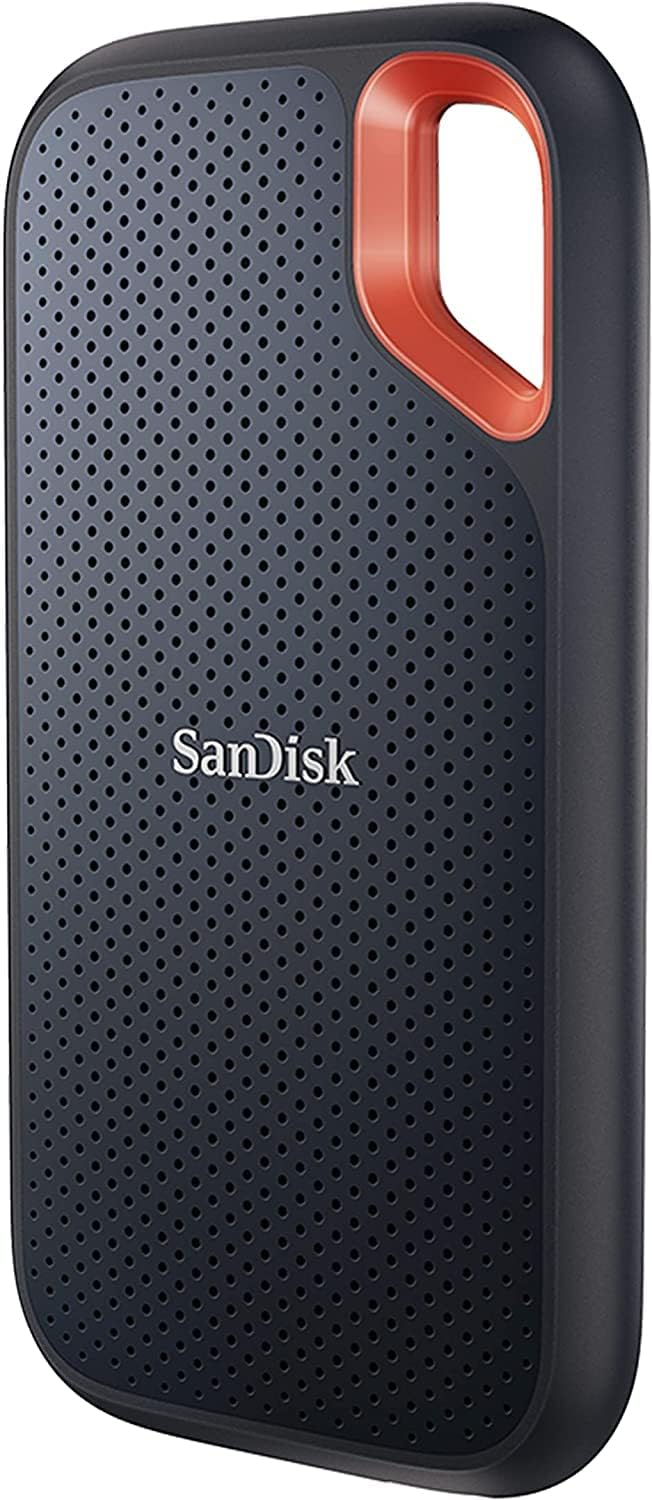
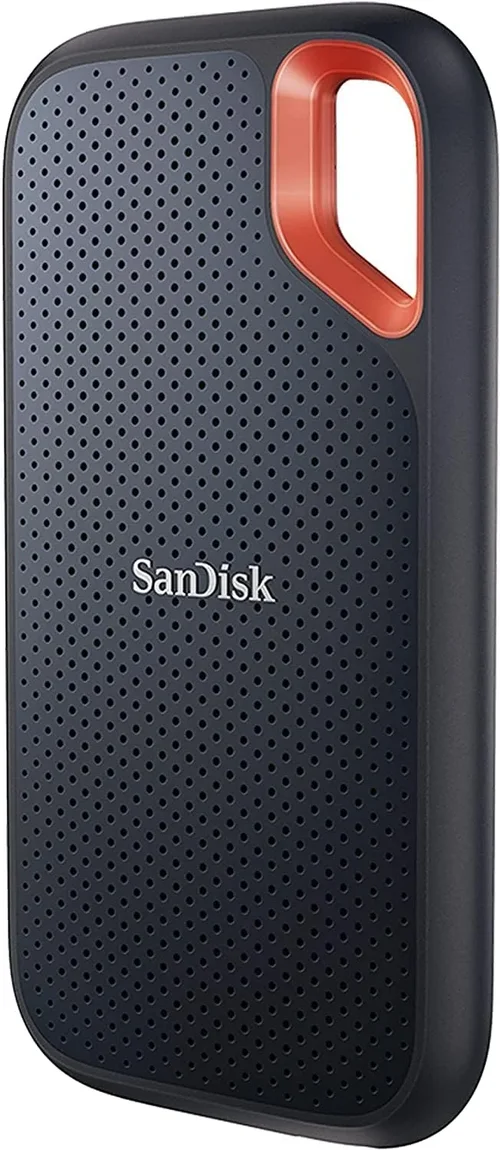
A: Yes, but with caveats. USB 3.2 Gen 2×2 or Thunderbolt 3/4 external SSDs can boot modern systems, especially on Macs or laptops with limited internal storage. However, boot times may be slightly slower than internal drives, and you’ll need to ensure your BIOS/UEFI supports external boot. For desktops, internal is always preferred.
Q: Is NVMe always faster than SATA for booting?
A: In most cases, yes. NVMe drives have lower latency and higher IOPS, which translates to faster OS loading and app launches. However, the difference in actual boot time (e.g., 10 seconds vs. 8 seconds) may be minimal for everyday users. The real benefit comes during multitasking and loading large applications.
Q: Do I need a heatsink for my M.2 SSD?
A: Not always, but recommended for PCIe 4.0 and 5.0 drives. High-speed NVMe SSDs can reach 70°C+ under load. A simple aluminum heatsink (often included with motherboards) helps maintain performance and longevity. For PCIe 3.0 or light use, it’s less critical.
Q: Can I clone my old HDD to a new SSD?
A: Absolutely. Tools like Macrium Reflect Free, Acronis True Image, or Samsung Data Migration allow you to clone your existing drive, including the OS, apps, and files. This is the easiest way to upgrade without reinstalling Windows.
Q: How long do SSDs last as boot drives?
A: Modern SSDs are extremely durable. A typical 1TB TLC SSD with 600 TBW endurance could last 10+ years under normal use—writing 160GB per day. Boot drives see far less write activity, so longevity is rarely an issue.
Q: Should I enable TRIM?
A: Yes. TRIM helps maintain SSD performance over time by allowing the drive to garbage-collect unused data blocks. It’s enabled by default in Windows 10/11 and macOS, but you can verify it with the command fsutil behavior query DisableDeleteNotify (should return 0).
Q: What’s the difference between NVMe and M.2?
A: M.2 is a physical form factor—the small, stick-like shape. NVMe is a protocol that determines how the drive communicates with the system. M.2 drives can be SATA or NVMe. NVMe M.2 drives are faster and recommended for boot drives.
Q: Can I use a PCIe 5.0 SSD in a PCIe 4.0 slot?
A: Yes, but it will run at PCIe 4.0 speeds. The drive is backward compatible, so you’re not wasting money—just not getting full performance until you upgrade your motherboard.
Q: Is 500GB enough for a boot drive?
A: It can be, but it’s tight. Windows 11 uses about 40GB, and with updates, browsers, and a few apps, you’ll quickly hit 80–90% capacity. At that point, performance can degrade. 1TB is the recommended minimum for a comfortable, future-proof boot drive.
Q: Do SSDs need defragmentation?
A: No. Unlike HDDs, SSDs have no moving parts, so defragmentation is unnecessary and can reduce lifespan by increasing write cycles. Windows automatically disables defrag for SSDs and runs TRIM instead.
Our Final Recommendations
Best for Budget-Conscious Buyers: Crucial P3 1TB (PCIe 3.0 NVMe) – At around $55, this drive offers excellent value with DRAM, TLC NAND, and reliable performance. Perfect for upgrading an older system or building a budget PC.
Best Overall Value: Samsung 980 Pro 1TB (PCIe 4.0 NVMe) – A proven performer with 7,000 MB/s speeds, strong endurance, and Samsung’s excellent software support. Ideal for gamers and general users who want top-tier reliability.
Best Premium Option: WD Black SN850X 2TB (PCIe 4.0 NVMe) – With a built-in heatsink, 7,300 MB/s speeds, and 1,200 TBW endurance, this drive is built for power users and content creators who demand consistent performance.
Best for Beginners: Kingston NV2 1TB (PCIe 4.0 NVMe) – Easy to install, affordable, and reliable. Kingston’s straightforward design and compatibility make it a great first SSD for new builders.
Best for Advanced Users: Corsair MP700 1TB (PCIe 5.0 NVMe) – For those with PCIe 5.0 motherboards, this drive delivers over 10,000 MB/s and includes a robust heatsink. Future-proof and built for speed.
Conclusion: Making the Right Choice
Choosing the right SSD for your boot drive in 2026 doesn’t have to be overwhelming. By focusing on key factors like performance, compatibility, endurance, and value, you can find a drive that transforms your computing experience. Remember: your boot drive is the foundation of your system’s responsiveness. A fast, reliable SSD means quicker startups, smoother multitasking, and a more enjoyable daily workflow.
Don’t let marketing hype or flashy specs cloud your judgment. Instead, prioritize real-world performance, proven reliability, and a warranty you can trust. Whether you’re spending $50 or $200, the right SSD will pay dividends in speed and satisfaction for years to come.
Take the time to assess your needs, compare your options, and avoid common pitfalls. And when you’re ready, make the switch. Your future self—firing up your PC in seconds instead of minutes—will thank you.