
Upgrading your laptop’s storage with a solid-state drive (SSD) is one of the most impactful performance improvements you can make in 2026. Whether you’re tired of slow boot times, sluggish file transfers, or constant lag when multitasking, swapping out an old hard disk drive (HDD) or even an aging SSD for a modern one can breathe new life into your machine. But with dozens of brands, form factors, and technical specs flooding the market, choosing the right SSD for your laptop has never been more confusing.
This comprehensive buying guide cuts through the noise. We’ll walk you step by step through everything you need to know—from understanding key performance metrics to comparing top brands, avoiding common pitfalls, and finding the best value for your budget. By the end, you won’t just know which SSD brand is best for laptops—you’ll know exactly which model fits your needs, whether you’re a student on a tight budget, a creative professional handling large files, or a gamer demanding lightning-fast load times.
The SSD market in 2026 is more competitive than ever. Major players like Samsung, Crucial, Western Digital, Kingston, and SK hynix continue to innovate with faster NAND technology, improved power efficiency, and sleeker designs tailored for thin-and-light laptops. Meanwhile, newer entrants like Team Group and Lexar are pushing aggressive pricing without sacrificing reliability. With PCIe Gen4 and even early Gen5 adoption becoming mainstream in premium laptops, and NVMe overtaking SATA as the standard interface, it’s essential to understand not just what you’re buying—but why it matters for your specific use case.
What to Look for When Buying Buying Guide
1. Form Factor & Compatibility
Before you even consider speed or capacity, you must ensure the SSD physically fits your laptop and is compatible with its interface. The two most common form factors for laptops in 2026 are M.2 2280 (22mm wide, 80mm long) and M.2 2242 (shorter at 42mm). Most modern ultrabooks and thin laptops use the 2280 size, but some compact models—especially business or ultraportable devices—may require the smaller 2242 variant. Always check your laptop’s manual or manufacturer specs before purchasing.
Equally important is the interface type: SATA or NVMe (PCIe). SATA SSDs max out at around 550 MB/s due to bandwidth limitations, while NVMe drives leverage the PCIe bus for significantly higher speeds—often exceeding 3,500 MB/s for Gen3 and 7,000 MB/s for Gen4. If your laptop supports NVMe (most do post-2020), avoid SATA unless you’re on a very tight budget. M.2 slots can sometimes support both, but the keyway (notch position) determines compatibility—B-key for SATA/B+M, M-key for NVMe. Mismatching these will result in a drive that simply won’t work.
2. Performance Specifications
Speed isn’t everything—but it’s close. When evaluating SSD performance, focus on three key metrics: sequential read/write speeds, random read/write IOPS (Input/Output Operations Per Second), and endurance (measured in TBW—Terabytes Written).
Sequential speeds matter most for large file transfers, video editing, or game loading. For everyday tasks like web browsing or office work, even modest speeds are sufficient. However, if you work with 4K video, large photo libraries, or complex software suites, aim for drives with read speeds above 3,000 MB/s.
Random IOPS reflect how well the drive handles many small files simultaneously—critical for multitasking, database operations, or running virtual machines. A drive with high IOPS will feel snappier during routine use, even if its sequential speeds aren’t record-breaking.
Endurance (TBW) indicates how much data can be written to the drive over its lifetime. A 1TB drive with 600 TBW can theoretically withstand writing 600 terabytes before potential failure. Most consumer workloads won’t come close to this, but it’s a useful indicator of build quality. Premium drives often offer higher TBW ratings and better wear-leveling algorithms.
3. NAND Flash Technology
The type of NAND flash memory used in an SSD directly impacts speed, durability, and cost. In 2026, the dominant technologies are TLC (Triple-Level Cell) and QLC (Quad-Level Cell), with some high-end drives still using MLC (Multi-Level Cell) for enterprise applications.
TLC strikes the best balance for consumers: it stores three bits per cell, offers good performance, reasonable endurance, and affordable pricing. Most mid-to-high-tier SSDs use TLC NAND.
QLC stores four bits per cell, allowing higher capacities at lower costs—but at the expense of speed (especially write performance) and longevity. QLC drives often rely on SLC caching (using a portion of memory as single-level cache) to mask slowdowns during sustained writes. They’re fine for light users but not ideal for heavy workloads.
Avoid older SLC (Single-Level Cell) unless you’re in a specialized field—it’s expensive and overkill for laptops. Similarly, be wary of “QLC with DRAM cache” claims; while DRAM helps, QLC’s inherent limitations remain.
4. DRAM Cache Presence
A DRAM cache acts as a high-speed buffer between the controller and NAND flash, dramatically improving performance—especially for random operations and sustained writes. Drives with DRAM typically deliver consistent speeds and better longevity due to more efficient wear leveling.
DRAM-less SSDs are cheaper and exist primarily in budget QLC models. They use system memory (HMB—Host Memory Buffer) instead, which can work acceptably on modern systems but may cause stuttering under load or on older laptops with limited RAM.
For any serious use—gaming, content creation, development—always prioritize SSDs with onboard DRAM. The performance gap is noticeable, and the price difference is usually minimal (often under $10 for a 1TB drive).
5. Brand Reputation & Reliability
Not all SSDs are created equal—even if they share similar specs. Brand reputation matters because it reflects real-world reliability, firmware quality, and long-term support. In 2026, the most trusted brands include:
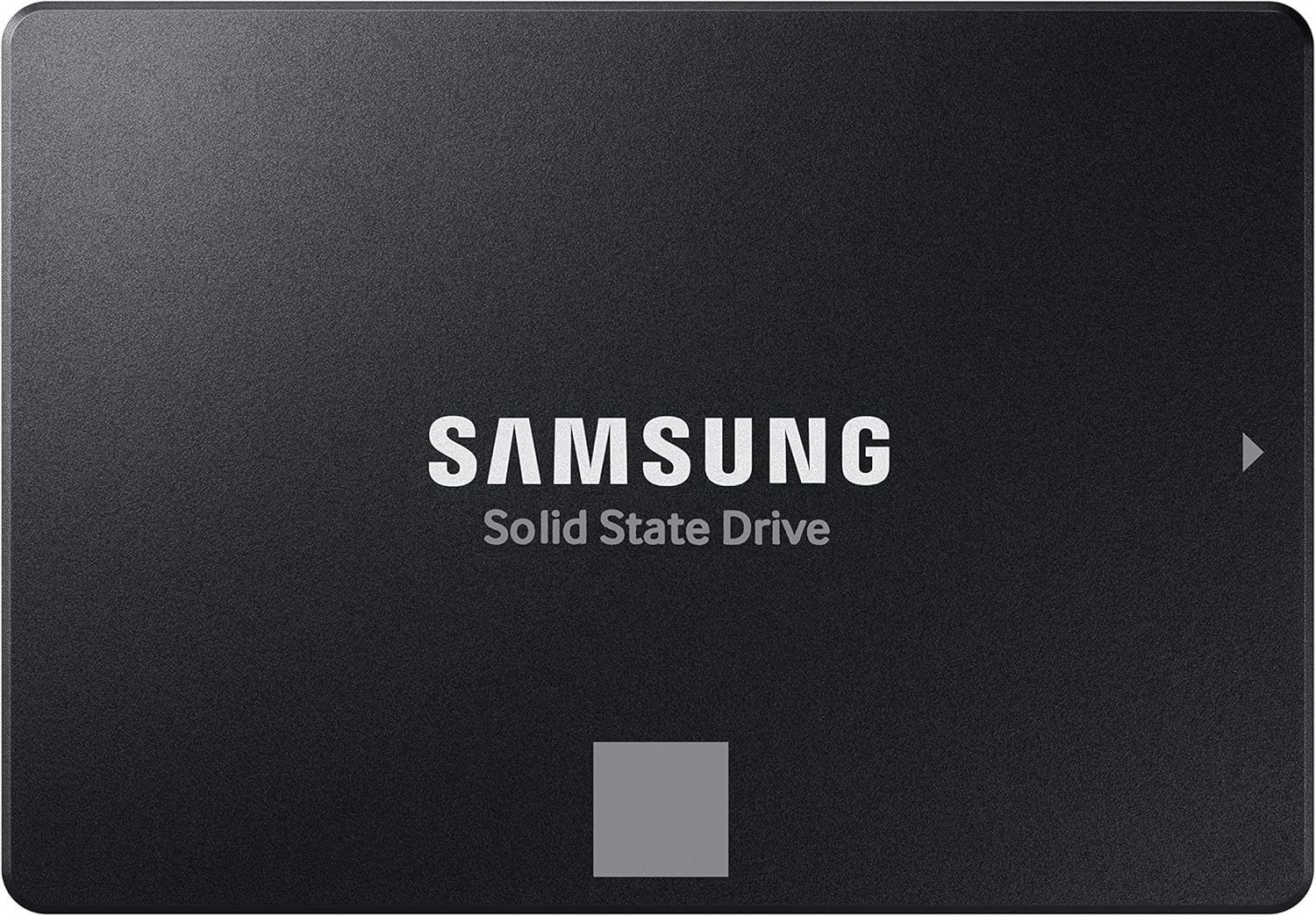
– Samsung: Consistently tops performance and reliability charts. Their 990 EVO and 990 PRO series are benchmarks in the industry.
– Crucial (Micron): Offers excellent value with Micron’s in-house NAND and controllers. The P5 Plus is a favorite among upgraders.
– Western Digital (WD): Known for solid performance and strong warranties. The WD Black SN850X is a Gen4 powerhouse.
– SK hynix: Rising star with innovative P41 Platinum and P31 Gold drives, offering top-tier efficiency and speed.
– Kingston: Reliable, widely available, and great for budget builds. The KC3000 delivers strong Gen4 performance.
Avoid no-name brands or those with vague origin stories. Counterfeit SSDs are a real problem—especially on third-party marketplaces. Stick to reputable retailers and verified sellers.
6. Warranty & Support
A good warranty is a strong indicator of a manufacturer’s confidence in their product. Most premium SSDs come with 5-year limited warranties, often tied to TBW limits (e.g., “5 years or 600 TBW, whichever comes first”). Some brands, like Samsung and WD, also offer data recovery services or migration tools.
Check what’s covered: Does the warranty include accidental damage? Is there global coverage? Can you get a replacement without returning the original drive? Also, note that warranties are typically voided if the drive is used in non-consumer environments (e.g., servers) or shows signs of physical tampering.
Customer support quality varies widely. Samsung and Crucial offer robust online resources and responsive live chat. Smaller brands may only provide email support with slow response times.
7. Price per Gigabyte & Value Proposition
While raw price matters, the true metric is cost per gigabyte (GB). As of early 2026, expect these rough averages:
– Entry-level SATA: $0.06–$0.08/GB
– Mid-range NVMe Gen3: $0.08–$0.12/GB
– High-performance NVMe Gen4: $0.12–$0.18/GB
– Premium Gen4/Gen5: $0.18+/GB
Don’t chase the cheapest option. A $40 1TB SSD might save you money upfront but could lack DRAM, use QLC NAND, or have poor endurance—leading to frustration or early failure. Conversely, overspending on a Gen5 drive for a laptop that only supports Gen3 is wasteful.
Instead, identify your performance needs and find the best balance within your budget. Often, a slightly older Gen3 drive like the Samsung 980 (non-Pro) offers near-Gen4 speeds at Gen3 prices—making it a smart value pick.
8. Power Efficiency & Thermal Management
Laptops prioritize battery life and thermal performance. High-speed NVMe drives can generate significant heat, especially during sustained workloads. Without proper thermal throttling or heatsink design, performance may drop dramatically.
Look for drives with efficient controllers (e.g., Phison E18, Samsung Pascal) and dynamic thermal throttling. Some OEMs, like ASUS or Lenovo, include small heatsinks in their laptops—but most ultrabooks rely on the SSD’s own thermal design.
Power draw is equally important. Drives with lower active and idle power consumption (measured in watts) help extend battery life. SK hynix and Samsung lead in this area, with drives optimized for mobile use.
Different Types of Buying Guide

Common Buying Mistakes to Avoid

❌ Mistake: Ignoring Laptop Compatibility
Why it’s bad: Buying a Gen4 NVMe drive for a laptop that only supports SATA will result in a non-functional SSD—or worse, damage to the motherboard if forced.
What to do instead: Always verify your laptop’s storage interface and form factor before purchasing. Consult the user manual or use diagnostic tools.
❌ Mistake: Choosing Capacity Over Performance
Why it’s bad: A 2TB QLC SSD may seem like a great deal, but its slow write speeds and low endurance can make it frustrating for daily use—especially if you frequently save large files.
What to do instead: Prioritize TLC NAND with DRAM for capacities above 500GB. For most users, 1TB offers the best balance of space and performance.
❌ Mistake: Overlooking Thermal Throttling
Why it’s bad: High-performance drives can overheat in tightly packed laptop chassis, causing speed drops that negate their advantages.
What to do instead: Choose drives with proven thermal management (e.g., Samsung 990 PRO) or consider models with built-in heat spreaders if your laptop has space.
❌ Mistake: Falling for Fake or Refurbished Drives
Why it’s bad: Counterfeit SSDs often report inflated capacities and fail prematurely. They may also contain malware or stolen firmware.
What to do instead: Purchase only from authorized retailers (Amazon, Newegg, Best Buy, B&H) and check serial numbers on the manufacturer’s website.
❌ Mistake: Skipping Firmware Updates
Why it’s bad: Outdated firmware can cause instability, reduced performance, or compatibility issues—especially after OS updates.
What to do instead: Download the manufacturer’s SSD management tool (e.g., Samsung Magician, WD Dashboard) and enable automatic firmware checks.
❌ Mistake: Not Backing Up Before Installation
Why it’s bad: Cloning or fresh installs can go wrong, leading to data loss if you haven’t backed up critical files.
What to do instead: Always create a full system image or backup to an external drive before swapping SSDs.
❌ Mistake: Assuming All NVMe Drives Are Equal
Why it’s bad: A budget NVMe drive may use slower NAND, lack DRAM, or have poor controllers—delivering SATA-like performance despite the NVMe label.
What to do instead: Read professional reviews (e.g., Tom’s Hardware, AnandTech) and check real-world benchmarks—not just spec sheets.
Budget Guidelines: How Much Should You Spend?
Entry-Level ($40–$70): Ideal for basic upgrades in older laptops. Look for SATA or M.2 SATA drives from Kingston (A400), Crucial (BX500), or Team Group. Expect modest speeds (~500 MB/s) and limited endurance—but a massive improvement over HDDs.
Mid-Range ($70–$120): The sweet spot for most users. NVMe Gen3 drives like the Samsung 980, Crucial P3, or WD Blue SN580 offer excellent performance, reliability, and features (DRAM, TLC NAND). Perfect for students, remote workers, and casual gamers.
Premium ($120–$200): For enthusiasts and professionals. Gen4 drives such as the Samsung 990 PRO, WD Black SN850X, or SK hynix P41 Platinum deliver blazing speeds, high endurance, and advanced thermal control. Ideal for video editors, developers, and hardcore gamers.
Luxury ($200+): Early Gen5 adopters and workstation users. Drives like the Samsung 990 PRO with heatsink or Corsair MP700 PRO offer peak performance but require compatible hardware. Only worth it if your workflow demands it.

Expert Tips for Getting the Best Deal
– Buy during seasonal sales: SSD prices fluctuate based on NAND supply and demand. Q4 (October–December) and back-to-school season (July–August) offer the deepest discounts.
– Stick to trusted retailers: Avoid third-party sellers on eBay or Amazon Marketplace unless they’re verified. Stick to official stores or authorized resellers.
– Compare total cost of ownership: Factor in warranty length, included software (cloning tools, encryption), and power efficiency—not just upfront price.
– Check return policies: Ensure the retailer allows returns if the SSD is incompatible. Some brands (like Samsung) offer 30-day risk-free trials.
– Test after installation: Use CrystalDiskMark or AS SSD Benchmark to verify advertised speeds. If performance is far below specs, contact support immediately.
– Consider bundled kits: Some brands sell SSD + USB enclosure combos—great if you plan to reuse your old drive as external storage.
– Don’t overspend on capacity: Unless you store massive media libraries, 1TB is sufficient for most. You can always add cloud storage or an external drive later.
– Look for student discounts: Brands like Samsung and Crucial offer education pricing through UNiDAYS or direct portals.
Frequently Asked Questions
Q: Can I upgrade my laptop’s SSD myself?
A: Yes—in most cases. Many laptops have accessible M.2 slots under the bottom panel. However, some ultrabooks (e.g., certain MacBooks or Surface devices) have soldered storage and cannot be upgraded. Always check your model’s serviceability first.
Q: Will a faster SSD improve gaming performance?
A: It improves load times and asset streaming, but not FPS (frames per second). Games installed on an NVMe SSD will launch quicker and reduce stuttering in open-world titles, but your GPU and CPU remain the primary performance bottlenecks.
Q: Is it safe to use a Gen4 SSD in a Gen3 laptop?
A: Yes—Gen4 drives are backward compatible with Gen3 slots. They’ll simply run at Gen3 speeds (~3,500 MB/s max). No harm done, and you’re future-proofing if you upgrade your laptop later.
Q: How do I clone my old drive to the new SSD?
A: Use free tools like Macrium Reflect, Clonezilla, or the manufacturer’s software (e.g., Samsung Data Migration). Connect both drives (via USB adapter if needed), clone the partition, then swap them in your laptop.
Q: What’s the difference between DRAM and DRAM-less SSDs?
A: DRAM acts as a high-speed cache for mapping data locations, improving speed and longevity. DRAM-less drives use system RAM (HMB) instead, which works but can cause slowdowns under heavy load—especially on low-RAM systems.
Q: How long do laptop SSDs last?
A: Under normal use, most modern SSDs last 5–10 years. With typical workloads (writing 20–50GB/day), you’ll likely upgrade your laptop before the SSD fails. Monitor health with tools like CrystalDiskInfo.
Q: Should I enable TRIM on my SSD?
A: Yes—TRIM helps maintain performance by telling the SSD which blocks are no longer in use. It’s enabled by default in Windows 10/11 and macOS, but verify in Disk Management or System Report.
Q: Are external SSDs as fast as internal ones?
A: Only if connected via USB 3.2 Gen 2×2 (20 Gbps) or Thunderbolt 4. Most USB 3.0/3.1 ports bottleneck NVMe speeds. For internal-like performance, use a Thunderbolt enclosure with a Gen4 SSD.
Q: Can I use an SSD as a boot drive in any laptop?
A: Only if the laptop supports booting from that interface. Most modern systems do, but some older BIOS versions may not recognize NVMe drives. Check your BIOS settings for “NVMe Support” or “UEFI Boot.”
Q: What happens if my SSD fails?
A: Unlike HDDs, SSDs often fail silently—no warning clicks or noises. Regular backups are essential. If under warranty, contact the manufacturer for replacement. Data recovery is possible but expensive and not guaranteed.
Our Final Recommendations
Best for Budget-Conscious Buyers: Crucial P3 1TB – Offers NVMe Gen3 speeds, DRAM, and TLC NAND for under $80. Reliable, widely available, and perfect for everyday use.
Best Overall Value: Samsung 980 1TB – Nearly matches Gen4 speeds on Gen3 hardware, includes excellent software, and boasts Samsung’s legendary reliability. A proven workhorse.
Best Premium Option: Samsung 990 PRO 1TB – Top-tier Gen4 performance, superb thermal management, and 5-year warranty. Ideal for creators and power users.
Best for Beginners: WD Blue SN580 1TB – Simple installation, solid performance, and WD’s user-friendly dashboard. Great first NVMe upgrade.
Best for Advanced Users: SK hynix P41 Platinum 2TB – Exceptional efficiency, high endurance, and class-leading random performance. Perfect for developers and multitaskers.
Conclusion: Making the Right Choice
Choosing the right SSD for your laptop in 2026 doesn’t have to be overwhelming. By focusing on compatibility, performance needs, and brand reliability—and avoiding common pitfalls like mismatched interfaces or counterfeit drives—you can make a confident, informed decision that delivers real-world benefits.
Remember: the “best” SSD isn’t necessarily the fastest or most expensive—it’s the one that aligns with your laptop’s capabilities, your workflow demands, and your budget. Whether you’re breathing new life into an aging machine or maximizing a high-end workstation, a quality SSD upgrade is one of the smartest investments you can make.
Take the time to assess your needs, compare options using the criteria in this guide, and don’t rush the purchase. With the right SSD, your laptop will feel faster, more responsive, and ready to handle whatever 2026 throws at it. Happy upgrading!