

Solid-state drives (SSDs) have become the backbone of modern computing. Whether you’re upgrading your laptop, building a high-performance gaming rig, or setting up a workstation for content creation, the SSD you choose can dramatically impact your system’s speed, responsiveness, and overall user experience. Gone are the days when hard disk drives (HDDs) ruled the storage market—today, SSDs offer faster boot times, quicker file transfers, and near-instant application loading. But with so many manufacturers, form factors, and performance tiers available, selecting the right SSD can feel overwhelming.
This comprehensive buying guide is designed to cut through the noise and help you make an informed decision. We’ll walk you through the key factors that matter most—from performance and durability to price and brand reliability—and compare the leading SSD types and manufacturers in 2026. Whether you’re a casual user looking for a budget-friendly upgrade or a professional seeking enterprise-grade performance, this guide will equip you with the knowledge to choose the best SSD for your needs. By the end, you’ll understand not only which brands lead the pack but also how to match a drive to your specific use case, budget, and long-term goals.
The SSD market in 2026 is more competitive than ever. Major players like Samsung, Western Digital, Crucial, Kingston, and SK Hynix continue to innovate, pushing the boundaries of speed, capacity, and endurance. Meanwhile, newer entrants and niche brands are carving out space with specialized offerings for gamers, creators, and data centers. With advancements in NAND flash technology, PCIe Gen5 interfaces, and intelligent caching algorithms, today’s SSDs are faster, more reliable, and more efficient than ever before. This guide will help you navigate this evolving landscape with confidence.

What to Look for When Buying Buying Guide
1. Budget & Price Range
Your budget is often the first and most important factor when shopping for an SSD. Prices vary widely based on capacity, performance, and brand, so it’s essential to determine how much you’re willing to spend before diving into specs. Entry-level SSDs can cost as little as $30 for a 500GB model, while high-end PCIe Gen5 drives with 4TB of storage can exceed $600. However, price doesn’t always correlate directly with value—sometimes mid-range drives offer the best balance of performance and affordability.
When setting your budget, consider not just the upfront cost but also the cost per gigabyte (GB). For example, a 1TB SSD priced at $80 offers better value ($0.08/GB) than a 500GB model at $50 ($0.10/GB). Additionally, look for seasonal sales—Black Friday, Prime Day, and back-to-school promotions often bring significant discounts. Avoid the temptation to go for the cheapest option available; ultra-low-cost SSDs may use inferior NAND or lack essential features like DRAM cache, which can hurt long-term performance and reliability.
2. Performance Specifications
Performance is where SSDs truly shine compared to traditional HDDs, but not all SSDs are created equal. The key metrics to evaluate are sequential read/write speeds, random read/write IOPS (Input/Output Operations Per Second), and interface type. Sequential speeds measure how fast large files (like videos or game installations) can be read or written, while random IOPS reflect how well the drive handles small, scattered files—critical for multitasking and OS responsiveness.
For most users, a drive with sequential read speeds of 3,500 MB/s and write speeds of 3,000 MB/s is more than sufficient. However, if you’re working with 4K video editing, 3D rendering, or large databases, you may benefit from PCIe Gen4 or Gen5 drives that exceed 7,000 MB/s. Random performance is equally important—look for drives with at least 500,000 IOPS for smooth multitasking. Also, pay attention to the interface: SATA III caps out at around 550 MB/s, while NVMe drives using PCIe Gen3, Gen4, or Gen5 offer exponentially faster speeds.
3. Build Quality & Durability
An SSD’s durability depends on several factors, including the type of NAND flash memory used, the presence of a DRAM cache, and the controller quality. Most consumer SSDs use either TLC (Triple-Level Cell) or QLC (Quad-Level Cell) NAND. TLC is more durable and offers better performance, making it ideal for everyday use and moderate workloads. QLC is cheaper and allows for higher capacities but has lower endurance and slower write speeds, especially when the drive is nearly full.
Endurance is measured in terabytes written (TBW)—the total amount of data that can be written to the drive over its lifetime. A 1TB SSD with a 600 TBW rating can theoretically handle 600 terabytes of writes before failure. Higher TBW ratings indicate better longevity, which is crucial for users who frequently transfer large files or run write-intensive applications. Additionally, look for drives with power-loss protection and error-correcting code (ECC) to safeguard your data during unexpected outages.
4. Features & Functionality
Modern SSDs come with a range of features designed to enhance performance, security, and usability. One of the most important is DRAM cache, which acts as a high-speed buffer between the NAND flash and the host system. Drives with DRAM cache perform significantly better under sustained workloads and maintain consistent speeds over time. DRAM-less SSDs, often found in budget models, rely on system memory (HMB—Host Memory Buffer), which can lead to performance drops during heavy use.
Other features to consider include hardware encryption (such as AES-256), which protects your data if the drive is lost or stolen, and thermal throttling management, which prevents overheating during prolonged use. Some high-end drives also include software suites for monitoring drive health, updating firmware, and enabling advanced features like over-provisioning. For gamers, look for SSDs with optimized firmware for low latency and fast game loading, while professionals may benefit from drives with enhanced error correction and RAID support.
5. Brand Reputation
Not all SSD manufacturers are equal when it comes to reliability, innovation, and customer support. Established brands like Samsung, Western Digital, and Crucial have a proven track record of delivering high-quality, consistent products. Samsung, for example, is known for its industry-leading 990 PRO series, which combines top-tier performance with excellent endurance. Western Digital’s WD Black and SanDisk Extreme lines are popular among gamers and content creators for their speed and reliability.
Smaller or lesser-known brands may offer attractive prices, but they often lack the rigorous testing, global support networks, and long-term firmware updates that major manufacturers provide. When evaluating a brand, consider factors like warranty length, customer service responsiveness, and user feedback. A reputable brand not only increases the likelihood of a trouble-free experience but also ensures better resale value and compatibility with future systems.
6. Warranty & Support
A strong warranty is a strong indicator of a manufacturer’s confidence in its product. Most premium SSDs come with a 5-year limited warranty, while budget models may offer only 3 years. Some brands, like Samsung and Crucial, also provide additional coverage based on TBW—meaning your warranty remains valid until you’ve written a certain amount of data, even if it takes longer than five years.
Customer support is another critical factor. Look for brands that offer easy access to technical assistance, firmware updates, and data recovery tools. Online communities, forums, and official support portals can also be valuable resources if you encounter issues. Avoid brands with poor support reputations or those that require lengthy RMA (Return Merchandise Authorization) processes. A good warranty and responsive support can save you time, money, and frustration down the line.
7. Size & Portability
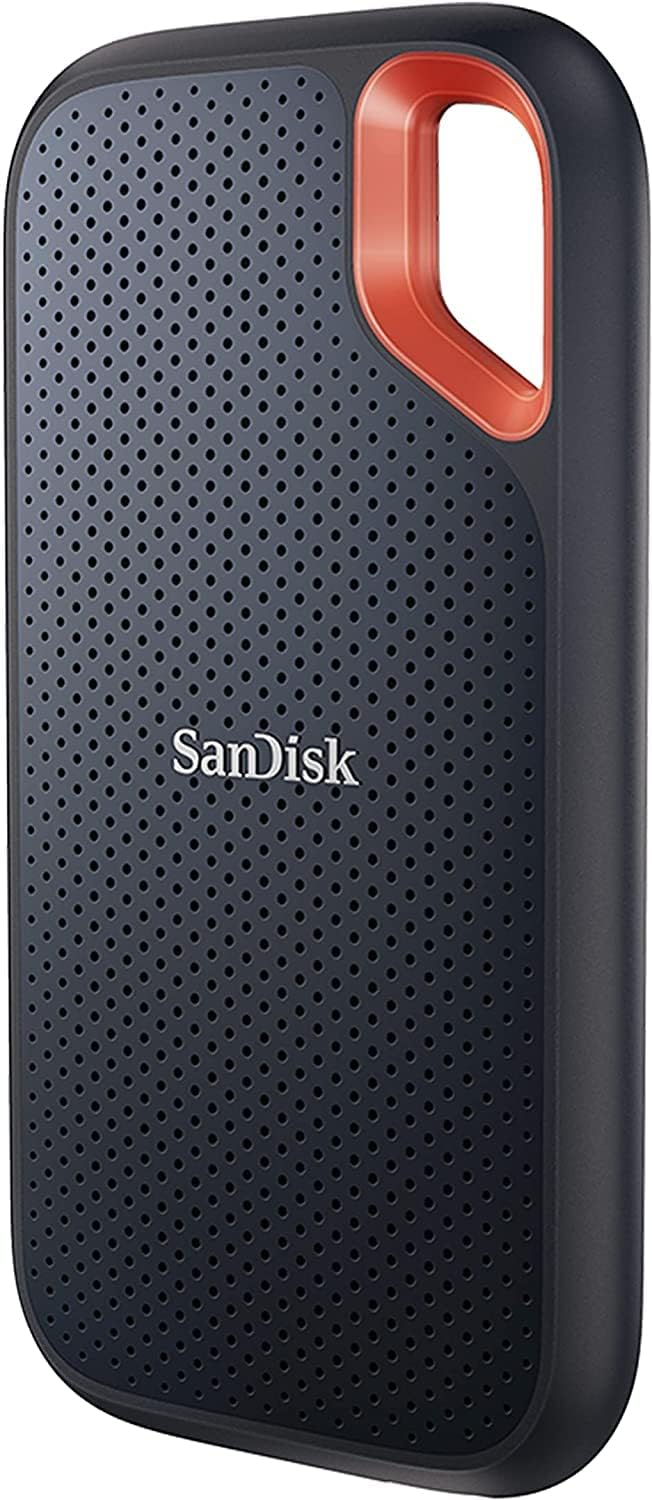
While most internal SSDs are designed to fit standard M.2 or 2.5-inch slots, portability becomes important if you’re considering external SSDs for backup, travel, or transferring large files between devices. External SSDs come in compact, rugged designs with USB-C or Thunderbolt connectivity, offering speeds comparable to internal NVMe drives.
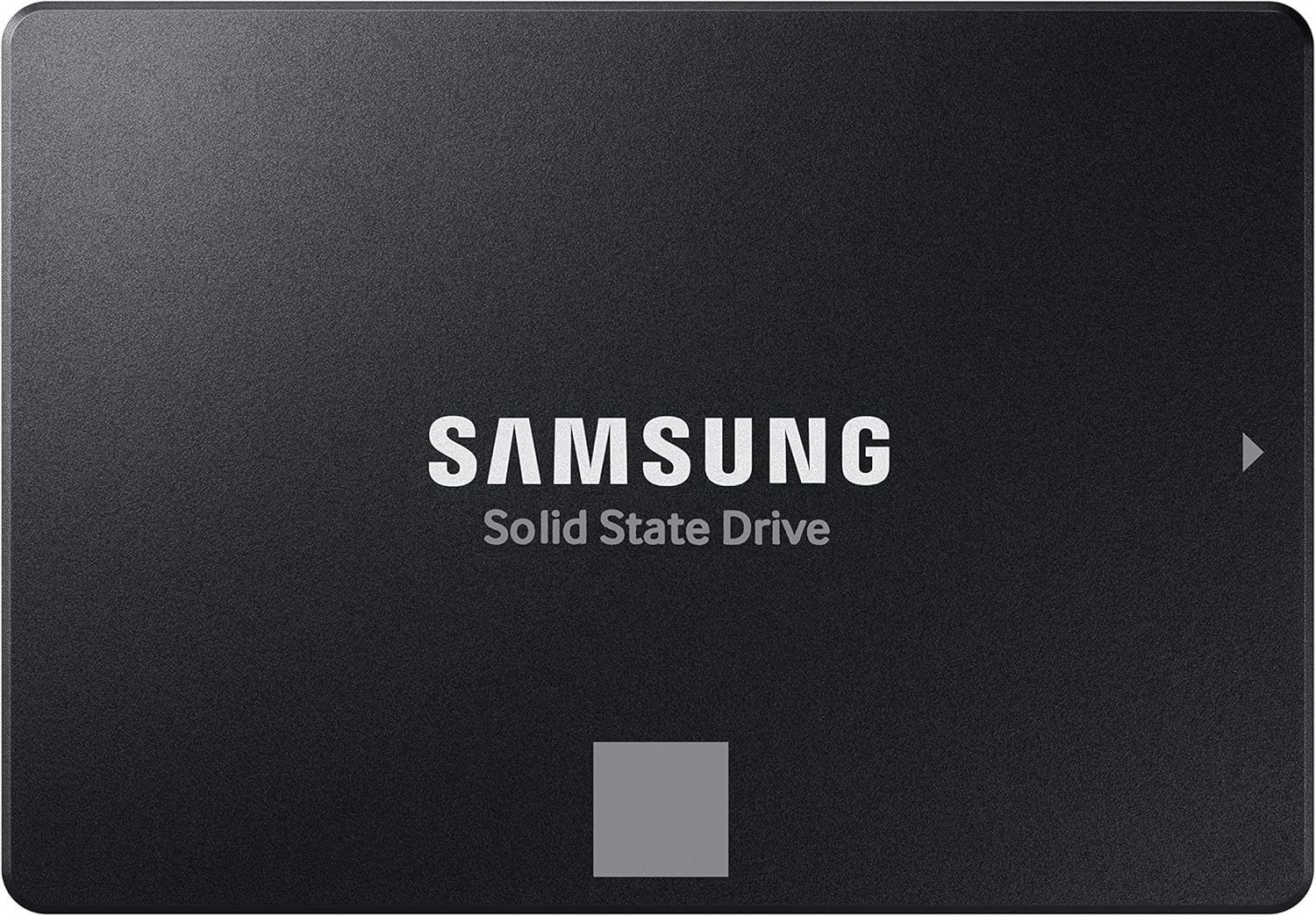
For internal use, the M.2 form factor is increasingly popular due to its small size and direct connection to the motherboard, eliminating the need for cables. However, ensure your system supports the drive’s interface (SATA or NVMe) and physical length (commonly 2280, meaning 22mm wide and 80mm long). Laptops and mini-PCs may have space constraints, so always check compatibility before purchasing. For desktop users, 2.5-inch SATA SSDs remain a reliable and widely compatible option.
8. User Reviews & Ratings
While specs and marketing materials provide useful information, real-world user experiences offer invaluable insights. Check reviews on trusted platforms like Amazon, Newegg, and tech forums such as Reddit’s r/buildapc or Tom’s Hardware. Look for patterns in feedback—consistent praise for speed and reliability is a good sign, while recurring complaints about failure rates or poor customer service should raise red flags.
Pay attention to long-term reviews, which assess performance and durability over months or years. Also, consider the sample size: a drive with hundreds of positive reviews is generally more trustworthy than one with only a handful. Be wary of overly promotional or vague reviews, and focus on detailed accounts that discuss real use cases, such as gaming, video editing, or server workloads.
Different Types of Buying Guide
Common Buying Mistakes to Avoid

❌ Mistake: Ignoring Compatibility
Why it’s bad: Not all SSDs work with every system. Installing an NVMe drive in a motherboard that only supports SATA, or using a Gen5 drive in a Gen3 slot, can result in poor performance or complete incompatibility.
What to do instead: Check your motherboard or laptop specifications before buying. Use tools like CPU-Z or the manufacturer’s website to confirm supported interfaces and form factors.
❌ Mistake: Overpaying for Unnecessary Speed
Why it’s bad: PCIe Gen5 drives offer incredible speeds, but most users won’t notice the difference in everyday tasks like web browsing or office work. Paying a premium for performance you won’t use is a waste of money.
What to do instead: Match the drive to your use case. Gamers and creators benefit from Gen4, while general users can thrive with Gen3 or even SATA.
❌ Mistake: Choosing DRAM-less SSDs for Heavy Workloads
Why it’s bad: DRAM-less drives rely on system memory, which can lead to slowdowns during sustained writes or multitasking. They’re fine for light use but struggle under pressure.
What to do instead: Opt for drives with dedicated DRAM cache if you plan to edit videos, run virtual machines, or transfer large files regularly.
❌ Mistake: Neglecting TBW and Endurance Ratings
Why it’s bad: A low TBW rating means the drive may fail sooner under heavy use, leading to data loss and replacement costs.
What to do instead: Check the TBW specification and choose a drive with at least 300–600 TBW for a 1TB model, depending on your usage intensity.
❌ Mistake: Buying Based Solely on Price
Why it’s bad: The cheapest SSDs often use lower-quality components, lack warranties, and have higher failure rates.
What to do instead: Balance price with brand reputation, warranty length, and user reviews. A slightly more expensive drive from a trusted brand is often a better long-term investment.
❌ Mistake: Forgetting About Firmware Updates
Why it’s bad: Outdated firmware can cause performance issues, compatibility problems, or security vulnerabilities.
What to do instead: Choose brands that provide regular firmware updates and easy-to-use management software.
❌ Mistake: Not Backing Up Data Before Installation
Why it’s bad: Installing a new SSD often involves reinstalling the operating system, which can lead to data loss if backups aren’t made.
What to do instead: Always back up important files to an external drive or cloud service before making any hardware changes.
Budget Guidelines: How Much Should You Spend?
– Entry-Level ($30–$60): Ideal for basic upgrades or secondary storage. Expect SATA III or DRAM-less NVMe drives with modest speeds (500–2,000 MB/s). Best for web browsing, office work, and light gaming. Look for brands like Kingston or Team Group.
– Mid-Range ($60–$120): The sweet spot for most users. Offers NVMe PCIe Gen3 or Gen4 drives with DRAM cache, strong endurance, and speeds up to 7,000 MB/s. Perfect for gaming, content creation, and multitasking. Top picks include the Samsung 980 PRO and WD Black SN850X.
– Premium ($120–$250): For enthusiasts and professionals. Features high-end Gen4 or early Gen5 drives with exceptional performance, robust cooling, and advanced features like hardware encryption. Great for 4K video editing, 3D rendering, and high-FPS gaming.
– Luxury ($250+): Top-tier drives with cutting-edge technology, massive capacities (2TB–4TB), and blazing-fast Gen5 speeds. Designed for power users, data centers, and future-proof builds. Examples include the Samsung 990 PRO and Sabrent Rocket 5.

Expert Tips for Getting the Best Deal
– Buy During Sales Events: Major retailers offer significant discounts during Black Friday, Cyber Monday, Amazon Prime Day, and back-to-school seasons. Sign up for price alerts using tools like Honey or CamelCamelCamel.
– Compare Prices Across Retailers: Don’t settle for the first listing you see. Check Amazon, Newegg, Best Buy, and B&H Photo for the best deals. Sometimes smaller retailers offer bundle discounts or free shipping.
– Consider Refurbished or Open-Box Options: Certified refurbished SSDs from reputable sellers often come with full warranties and can save you 20–30%. Just ensure they’re from the manufacturer or an authorized dealer.
– Check Return Policies: Choose retailers with flexible return windows (30 days or more) in case the drive is defective or incompatible.
– Test Before Committing: If possible, test the SSD in your system before finalizing the installation. Use tools like CrystalDiskMark to verify speeds and health.
– Monitor Drive Health: Use software like Samsung Magician or WD Dashboard to track temperature, wear leveling, and remaining lifespan.
– Upgrade in Pairs: If you’re building a new system, consider buying two smaller SSDs (e.g., two 1TB drives) instead of one large one. This allows for RAID configurations or separate OS and data drives.
– Don’t Overlook Cooling: High-performance NVMe drives can get hot. Invest in a heatsink or thermal pad, especially for Gen4 and Gen5 drives, to prevent thermal throttling.
Frequently Asked Questions
Q: What’s the difference between SATA and NVMe SSDs?
A: SATA SSDs use the older SATA interface and max out at around 550 MB/s. NVMe SSDs connect via PCIe and are much faster—Gen3 reaches 3,500 MB/s, Gen4 hits 7,000 MB/s, and Gen5 exceeds 14,000 MB/s. NVMe is the better choice for performance, while SATA is fine for older systems or budget builds.
Q: Do I need a DRAM cache?
A: Yes, for most users. DRAM cache improves performance, especially during sustained writes and multitasking. DRAM-less drives are acceptable for light use but can slow down under load.
Q: Can I use an NVMe SSD in a SATA slot?
A: No. NVMe and SATA use different interfaces and connectors. However, some M.2 slots support both—check your motherboard manual to confirm.
Q: How long do SSDs last?
A: Most consumer SSDs last 5–10 years under normal use, depending on TBW and workload. Modern drives are very reliable, and failure due to wear is rare before the warranty expires.
Q: Is PCIe Gen5 worth it in 2026?
A: For most users, no. Gen5 offers incredible speeds, but real-world benefits are minimal unless you’re transferring massive files daily. Gen4 remains the best balance of performance and value.
Q: Should I buy a 1TB or 2TB SSD?
A: It depends on your needs. 1TB is sufficient for most users, but 2TB offers more room for games, media, and future-proofing. Consider your storage habits and upgrade path.
Q: Can I recover data from a failed SSD?
A: It’s possible but difficult and often expensive. Unlike HDDs, SSDs don’t always allow traditional data recovery. Regular backups are essential.
Q: Do SSDs improve gaming performance?
A: Yes, but mostly in load times. Games boot faster, levels load quicker, and open-world streaming is smoother. FPS (frames per second) is unaffected—that’s GPU-dependent.
Q: Are external SSDs as fast as internal ones?
A: High-quality external SSDs with USB 3.2 Gen 2×2 or Thunderbolt can match internal NVMe speeds. However, they’re typically more expensive per GB.
Q: What’s the best brand for SSDs?
A: Samsung, Western Digital, and Crucial are consistently top-rated for performance, reliability, and support. Kingston and SK Hynix also offer excellent value.
Our Final Recommendations
– Best for Budget-Conscious Buyers: Crucial P3 1TB – A reliable NVMe Gen3 drive with DRAM cache, offering great performance at an affordable price.
– Best Overall Value: Samsung 980 PRO 1TB – Combines Gen4 speeds, excellent endurance, and Samsung’s trusted reliability. Ideal for gamers and creators.
– Best Premium Option: WD Black SN850X 2TB – Top-tier Gen4 performance with advanced gaming features and robust cooling. Perfect for high-end builds.
– Best for Beginners: Kingston NV2 1TB – Simple, affordable, and compatible with most systems. Great for first-time upgraders.
– Best for Advanced Users: Samsung 990 PRO 2TB – Cutting-edge Gen4 performance with exceptional endurance and thermal management. Built for professionals and enthusiasts.
Conclusion: Making the Right Choice
Choosing the best SSD in 2026 doesn’t have to be complicated. By focusing on your specific needs—whether that’s budget, performance, or durability—you can narrow down the options and find a drive that delivers real value. Remember to prioritize compatibility, check user reviews, and consider long-term reliability over short-term savings. The right SSD won’t just speed up your system—it will enhance your entire computing experience, from booting up to loading your favorite games and applications.
Don’t rush the decision. Take the time to compare models, read expert and user reviews, and wait for the right deal. Whether you’re upgrading an old laptop or building a dream PC, the SSD you choose will play a pivotal role in your system’s performance and longevity. Use this guide as your roadmap, and you’ll be well-equipped to make a confident, informed purchase. Your future self—and your faster, smoother computer—will thank you.