
When it comes to upgrading your laptop’s storage, few upgrades offer as much immediate impact as swapping out an old hard drive or sluggish SATA SSD for a modern M.2 SSD. Whether you’re a student juggling multiple projects, a creative professional editing 4K video, or a gamer loading massive open-world titles, the right M.2 SSD can dramatically improve boot times, application responsiveness, and overall system performance. In today’s fast-paced digital world, waiting seconds—or even minutes—for your laptop to start up or load a program is no longer acceptable. That’s why choosing the best M.2 SSD for your laptop isn’t just a nice-to-have; it’s a necessity for anyone who values speed, reliability, and efficiency.
This comprehensive guide is designed to cut through the noise and help you make an informed decision. We’ll walk you through every critical factor—from form factor compatibility and performance benchmarks to budget considerations and brand reliability—so you can confidently select an M.2 SSD that fits both your laptop and your lifestyle. Whether you’re building a new machine, upgrading an older model, or simply looking to future-proof your current setup, this guide will equip you with the knowledge to avoid common pitfalls and get the most value for your money. The market is flooded with options, ranging from budget-friendly drives that offer solid everyday performance to high-end NVMe models capable of blistering speeds over 7,000 MB/s. Our goal is to help you navigate this landscape with clarity and confidence.
By the end of this article, you’ll understand not only what to look for in an M.2 SSD but also how to match those specs to your specific use case. We’ll break down technical jargon into plain language, compare real-world performance across different price tiers, and highlight the most common mistakes buyers make—so you don’t repeat them. Whether you’re shopping for your first SSD or upgrading from a previous generation, this guide will serve as your trusted companion in finding the perfect balance of speed, capacity, durability, and value.
What to Look for When Buying Buying Guide
1. Form Factor & Compatibility
The first and most crucial step in selecting an M.2 SSD is ensuring it physically fits your laptop and is compatible with its interface. M.2 SSDs come in several form factors, but the most common for laptops are 2280 (22mm wide, 80mm long). Some ultrabooks or compact devices may use shorter variants like 2242 or 2230, so always check your laptop’s manual or manufacturer specifications before purchasing. Additionally, not all M.2 slots support the same protocols: some only accept SATA-based M.2 drives (which are slower), while others support NVMe (Non-Volatile Memory Express), which leverages PCIe lanes for much faster data transfer. If your laptop has an NVMe-capable slot, you’ll want to prioritize NVMe SSDs for maximum performance. However, if it only supports SATA M.2, don’t worry—SATA M.2 drives still offer significant improvements over traditional HDDs and are often more affordable.
2. Performance Specifications
Performance is where M.2 SSDs truly shine—but not all drives are created equal. The two key metrics to focus on are sequential read/write speeds and random IOPS (Input/Output Operations Per Second). Sequential speeds matter most for large file transfers, such as copying videos or loading game assets, while random IOPS affect everyday tasks like opening apps, browsing files, or multitasking. For most users, a drive with read speeds above 3,000 MB/s and write speeds above 2,500 MB/s will feel noticeably snappier than older SATA drives. High-end NVMe drives can exceed 7,000 MB/s, but unless you’re working with 8K video or running virtual machines, you likely won’t notice the difference in daily use. Also, pay attention to the controller and NAND type—drives using TLC (Triple-Level Cell) or MLC (Multi-Level Cell) NAND tend to be more durable and consistent than QLC (Quad-Level Cell) alternatives, especially under heavy workloads.
3. Storage Capacity Needs
Capacity directly impacts both price and usability. While 250GB might seem tempting on a budget, it fills up quickly—especially if you install an operating system, a few games, and productivity software. For most users, 500GB is the sweet spot, offering enough space for the OS, essential apps, and moderate media storage. If you work with large files (photos, videos, CAD models), consider 1TB or higher. Keep in mind that SSDs perform best when they’re not nearly full—aim to keep at least 10–20% of the drive free for optimal speed and longevity. Also, larger capacities often come with better endurance ratings (measured in TBW—Terabytes Written), meaning they’ll last longer under heavy use.
4. Budget & Price Range
M.2 SSD prices have dropped significantly in recent years, making high-performance storage accessible to nearly everyone. As of 2026, you can find reliable 500GB NVMe drives for under $50, while premium 2TB models may cost $200 or more. Your budget should align with your needs: casual users can get excellent value from mid-tier drives, while professionals or power users may justify spending more for top-tier performance and endurance. Avoid the cheapest options on obscure brands—they often use inferior components and lack proper firmware support. Instead, aim for reputable manufacturers offering competitive pricing within your desired capacity range.
5. Brand Reputation & Reliability
Not all SSD brands are equal when it comes to long-term reliability and customer support. Stick with established names like Samsung, Western Digital, Crucial, Kingston, SK Hynix, and Sabrent. These companies invest heavily in R&D, offer robust firmware updates, and provide transparent warranty policies. Look for user reviews that mention real-world longevity—some budget drives may perform well initially but degrade quickly under sustained loads. Also, check whether the brand offers migration tools, diagnostic software, and responsive customer service. A slightly higher upfront cost for a trusted brand often pays off in peace of mind and fewer headaches down the road.
6. Warranty & Support
A good warranty is a strong indicator of a manufacturer’s confidence in their product. Most reputable M.2 SSDs come with 3- to 5-year limited warranties, often tied to both time and endurance (e.g., “5 years or 600 TBW, whichever comes first”). Higher-end drives typically offer longer warranties and higher TBW ratings. Always register your SSD after purchase to activate full support. Additionally, check if the brand provides data recovery services or replacement guarantees—some even offer free replacements if the drive fails within the warranty period. Avoid no-name brands with vague or non-existent warranty terms.
7. Power Efficiency & Thermal Management
Laptops are power-constrained devices, so an SSD’s power draw and heat output matter—especially in thin-and-light models with limited cooling. High-performance NVMe drives can generate significant heat under load, potentially triggering thermal throttling and reducing speeds. Look for drives with built-in thermal throttling protection or consider models with integrated heat spreaders (though these may not fit in all laptops). Power efficiency is less of a concern for desktop replacements but critical for ultrabooks and 2-in-1s where battery life is paramount. Some manufacturers publish power consumption specs; if not listed, user reviews often mention real-world battery impact.
8. User Reviews & Real-World Testing
Spec sheets tell part of the story—but real-world performance can differ. Always consult independent reviews from trusted tech sites (like Tom’s Hardware, AnandTech, or PCMag) and user feedback on retail platforms. Pay attention to comments about consistency, firmware stability, and compatibility with specific laptop models. Some SSDs may benchmark well but suffer from poor garbage collection or sudden slowdowns when nearly full. Also, watch for reports of bricking, failed updates, or premature failures. A drive with glowing lab results but mixed user experiences should raise a red flag.
Different Types of Buying Guide

Common Buying Mistakes to Avoid

❌ Mistake: Ignoring Laptop Compatibility
Why it’s bad: Buying a PCIe 4.0 NVMe SSD for a laptop that only supports SATA M.2 will result in a drive that either doesn’t work or runs at severely reduced speeds. This wastes money and time.
What to do instead: Always verify your laptop’s M.2 slot type (SATA vs. NVMe) and supported PCIe generation before purchasing. Check the user manual or use system detection tools.
❌ Mistake: Choosing Based Solely on Peak Speed
Why it’s bad: A drive advertising 7,000 MB/s read speed may throttle heavily under sustained loads or when nearly full, making real-world performance much slower than advertised.
What to do instead: Look for reviews that test sustained performance, not just burst speeds. Prioritize consistency and endurance over peak numbers.
❌ Mistake: Overlooking DRAM Cache
Why it’s bad: DRAM-less SSDs use system memory (HMB) for mapping tables, which can lead to slower performance during heavy multitasking or large file operations.
What to do instead: For anything beyond basic web browsing, choose an SSD with a dedicated DRAM cache—it significantly improves responsiveness and longevity.
❌ Mistake: Buying the Cheapest Option Available
Why it’s bad: Ultra-low-cost SSDs often use QLC NAND and minimal controllers, leading to poor write endurance, slowdowns, and higher failure rates.
What to do instead: Spend a little more for a reputable brand with TLC NAND and a solid warranty. The long-term reliability is worth the small premium.
❌ Mistake: Neglecting Thermal Throttling
Why it’s bad: In compact laptops, high-performance NVMe drives can overheat, causing the controller to reduce speeds to prevent damage—defeating the purpose of upgrading.
What to do instead: Opt for drives with efficient controllers or consider adding a thin thermal pad if your laptop allows. Avoid pushing PCIe 5.0 drives in poorly ventilated systems.
❌ Mistake: Not Checking Warranty Terms
Why it’s bad: Some warranties are voided if the drive exceeds its TBW rating, even if it’s still functioning. Others don’t cover data loss.
What to do instead: Read the fine print. Choose drives with generous TBW ratings and clear warranty policies that protect your investment.
❌ Mistake: Forgetting to Backup Before Installation
Why it’s bad: Swapping drives without a backup risks permanent data loss if something goes wrong during cloning or installation.
What to do instead: Always create a full system image or clone your existing drive before replacing it. Use tools like Macrium Reflect or Acronis True Image.
Budget Guidelines: How Much Should You Spend?
Entry-Level ($30–$60): This tier is ideal for basic upgrades in older laptops or secondary storage. Expect SATA M.2 or DRAM-less NVMe drives with capacities of 250GB–500GB. Performance is adequate for web browsing, office work, and light gaming, but avoid heavy workloads. Brands like Kingston NV2 or Crucial P3 offer solid value here.
Mid-Range ($60–$120): The sweet spot for most users. You’ll find reliable PCIe 3.0 or entry-level PCIe 4.0 NVMe SSDs with 500GB–1TB capacity, DRAM cache, and TLC NAND. Drives like the Samsung 980, WD Black SN770, or Crucial P5 Plus deliver excellent performance for gaming, content creation, and multitasking without breaking the bank.
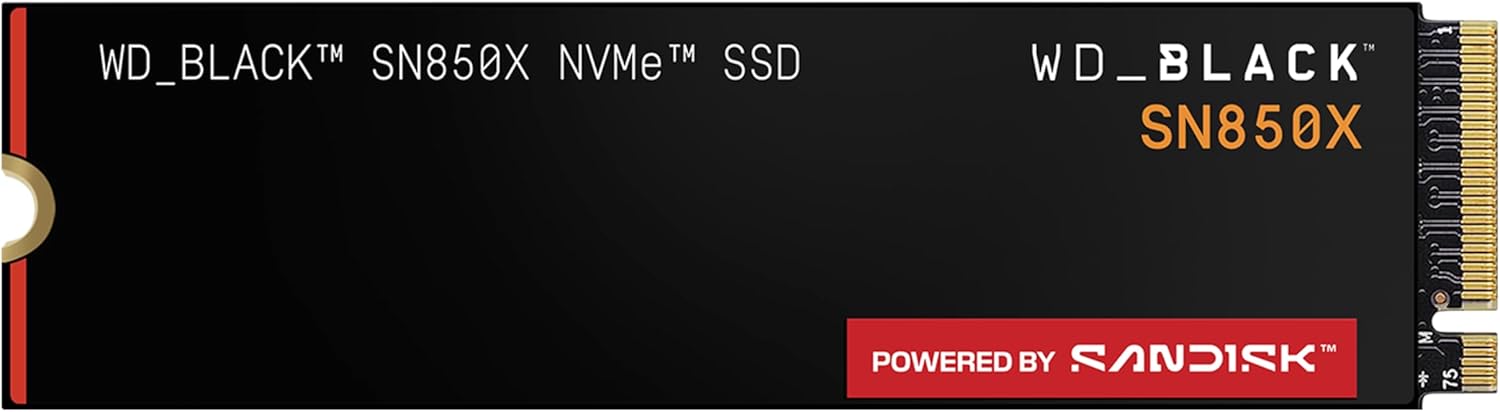
Premium ($120–$250): Designed for power users and professionals. These drives offer PCIe 4.0 speeds (5,000–7,000 MB/s), high endurance (600+ TBW), and advanced features like hardware encryption. Models such as the Samsung 990 Pro, WD Black SN850X, or Sabrent Rocket 4 Plus are built for sustained workloads like video editing, 3D rendering, and large database operations.
Luxury ($250+): Reserved for enthusiasts and those future-proofing high-end systems. PCIe 5.0 drives like the Corsair MP700 or Gigabyte AORUS Gen5 12000 push speeds beyond 10,000 MB/s but require compatible laptops with robust cooling. These are overkill for most users but offer bragging rights and headroom for emerging applications.

Expert Tips for Getting the Best Deal
- Shop during major sales events: Black Friday, Prime Day, and back-to-school seasons often feature deep discounts on SSDs. Sign up for price alerts on sites like CamelCamelCamel or Honey.
- Buy directly from manufacturers: Samsung, WD, and Crucial often run exclusive promotions with extended warranties or bundled software.
- Consider refurbished or open-box units: Reputable retailers like Amazon Renewed or Best Buy Outlet sell tested SSDs at 20–30% off with full warranties.
- Check student or professional discounts: Many brands offer education pricing through UNiDAYS or institutional programs.
- Don’t rush—compare total cost per GB: A $90 1TB drive ($0.09/GB) is often a better deal than a $50 500GB drive ($0.10/GB).
- Test before finalizing: Once installed, use CrystalDiskMark or AS SSD Benchmark to verify real-world speeds match specs.
- Keep your old drive as backup: Even after cloning, retain your original drive for a few weeks in case of issues.
- Register your product immediately: This activates warranty coverage and ensures access to firmware updates.
Frequently Asked Questions
Q: Can I use any M.2 SSD in my laptop?
A: Not necessarily. Your laptop must support the SSD’s form factor (usually 2280), interface (SATA or NVMe), and PCIe generation. Always check your laptop’s specifications or use a compatibility tool before buying.
Q: Is NVMe always faster than SATA?
A: Yes, in terms of peak bandwidth—NVMe can be 5–6x faster than SATA. However, for everyday tasks like web browsing or document editing, the difference may not be noticeable. NVMe shines with large files and multitasking.
Q: Do I need a heatsink for my M.2 SSD?
A: Most laptops don’t have space for aftermarket heatsinks. If your laptop runs hot or you’re using a high-end PCIe 4.0/5.0 drive, look for models with built-in thermal management or ensure adequate airflow.
Q: How long do M.2 SSDs last?
A: Modern SSDs are extremely durable. A typical 1TB drive with 600 TBW could last decades under normal use—writing 100GB daily would take over 16 years to reach the limit.
Q: Can I clone my existing drive to a new M.2 SSD?
A: Yes, using cloning software like Macrium Reflect, Acronis, or Samsung Data Migration. Ensure the new drive is equal or larger in capacity.
Q: What’s the difference between TLC, MLC, and QLC NAND?
A: TLC (3 bits per cell) offers the best balance of cost, speed, and endurance. MLC (2 bits) is more durable but pricier. QLC (4 bits) is cheaper but slower and less durable—best for read-heavy, light-use scenarios.
Q: Will a faster SSD improve gaming performance?
A: It reduces load times and texture streaming hitches, especially in open-world games. However, it won’t increase FPS—that’s determined by your GPU and CPU.
Q: Are external M.2 SSDs worth it?
A: Only if your laptop lacks internal M.2 slots or you need portable high-speed storage. USB 3.2 Gen 2×2 enclosures can deliver near-internal speeds but add bulk and cost.
Q: How do I check if my laptop supports PCIe 4.0?
A: Check your laptop’s specs sheet, CPU model (Intel 11th Gen+ or AMD Ryzen 3000+ often support it), or use tools like HWiNFO to detect PCIe lane capabilities.
Q: Should I enable TRIM on my SSD?
A: Yes! TRIM helps maintain performance by telling the SSD which blocks are no longer in use. It’s usually enabled by default in Windows 10/11 and macOS, but you can verify via Command Prompt (fsutil behavior query DisableDeleteNotify).
Our Final Recommendations
Best for Budget-Conscious Buyers: Crucial P3 1TB – Offers PCIe 3.0 NVMe speeds, DRAM cache, and excellent reliability at under $70. Perfect for upgrading older systems without overspending.
Best Overall Value: Samsung 980 1TB – A proven performer with consistent speeds, low power draw, and Samsung’s legendary reliability. Ideal for students, professionals, and casual gamers.
Best Premium Option: WD Black SN850X 1TB – Blazing PCIe 4.0 speeds, robust thermal management, and high endurance make this the top choice for creators and power users.
Best for Beginners: Kingston NV2 500GB – Simple, affordable, and compatible with nearly any modern laptop. Great for first-time upgraders who want a hassle-free experience.
Best for Advanced Users: Samsung 990 Pro 2TB – Cutting-edge PCIe 4.0 performance, exceptional endurance (1,200 TBW), and advanced encryption features. Built for those who demand the absolute best.
Conclusion: Making the Right Choice
Selecting the right M.2 SSD for your laptop doesn’t have to be overwhelming. By focusing on compatibility, real-world performance, and long-term reliability—not just flashy spec sheets—you can find a drive that transforms your computing experience without overspending. Remember: the “best” SSD is the one that matches your specific needs, budget, and laptop capabilities. Whether you’re breathing new life into an aging machine or building a high-performance mobile workstation, the right M.2 SSD is a worthwhile investment that pays dividends in speed, responsiveness, and peace of mind.
Take the time to research, compare options, and avoid common pitfalls. Prioritize reputable brands, check user reviews, and don’t hesitate to spend a little extra for durability and support. With the insights from this guide, you’re now equipped to make a confident, informed decision. Upgrade wisely—and enjoy the instant boost in performance that only a quality M.2 SSD can deliver.