

Upgrading your iMac’s storage with a solid-state drive (SSD) is one of the most impactful performance enhancements you can make—especially if you’re still running an older model with a traditional hard disk drive (HDD). Whether you’re editing 4K video, compiling code, managing large photo libraries, or simply craving faster boot times and app launches, a high-quality SSD can transform your computing experience. But with so many options on the market—ranging from internal upgrades to external Thunderbolt and USB-C drives—it’s easy to feel overwhelmed. That’s where this comprehensive buying guide comes in.
In this detailed 2026 edition, we’ll walk you through everything you need to know to choose the best SSD for your iMac. You’ll learn how to evaluate critical factors like speed, compatibility, form factor, and reliability. We’ll break down the differences between internal and external SSDs, explain why NVMe matters more than ever, and help you avoid common pitfalls that could cost you time, money, or data. Whether you’re using a 2017 iMac, a 2020 M1 model, or the latest M3-powered machine, this guide will equip you with the knowledge to make a smart, future-proof decision.
The SSD market has evolved dramatically over the past few years. Apple’s shift to its own silicon (M1, M2, and M3 chips) has changed how storage is integrated into iMacs—many newer models now feature soldered SSDs that aren’t user-upgradeable. Meanwhile, external SSDs have become faster, more compact, and increasingly affordable, thanks to advancements in USB4, Thunderbolt 4, and NVMe technology. At the same time, older Intel-based iMacs still offer upgrade paths for those willing to open the machine (with the right tools and caution). This guide covers both scenarios, ensuring you get the right solution whether you’re working with legacy hardware or cutting-edge Apple silicon.
What to Look for When Buying Buying Guide
1. Compatibility with Your iMac Model
Before anything else, you must confirm whether your iMac supports SSD upgrades—and if so, what type. Apple has made significant changes across generations. Intel-based iMacs (2012–2020) often allow internal SSD replacements, though some models require specialized tools or adapters. For example, the 27-inch iMac (2012–2020) typically uses a 2.5-inch SATA drive bay, while the 21.5-inch models may use proprietary blade-style SSDs. In contrast, all Apple Silicon iMacs (2021 onward) feature unified memory and storage soldered directly to the logic board, meaning internal upgrades are impossible without professional (and often irreversible) intervention.
For newer M-series iMacs, your best bet is an external SSD connected via Thunderbolt 3/4 or USB4. These ports support blazing-fast data transfer speeds—up to 40 Gbps with Thunderbolt—making external drives nearly as responsive as internal ones for most tasks. Always check your iMac’s exact model identifier (found under “About This Mac”) and cross-reference it with Apple’s official documentation or trusted third-party upgrade guides before purchasing.
2. Performance Specifications
SSD performance boils down to two key metrics: sequential read/write speeds and random IOPS (Input/Output Operations Per Second). Sequential speeds matter most for large file transfers—like moving video projects or backing up photo libraries—while random IOPS affect everyday responsiveness, such as launching apps or loading complex documents.
For internal SATA SSDs (common in older iMacs), look for drives with read/write speeds around 500–560 MB/s—this is the ceiling for SATA III interfaces. If you’re upgrading an older iMac that supports PCIe/NVMe (like certain 2013–2015 models), aim for NVMe SSDs with speeds exceeding 2,000 MB/s. For external SSDs on modern iMacs, prioritize Thunderbolt 4 or USB4 drives with speeds of 2,800 MB/s or higher. Real-world testing shows that even mid-tier NVMe external SSDs can outperform older internal SATA drives by 3–5x in practical workflows.
3. Form Factor and Interface
The physical size and connection type of your SSD must match your iMac’s capabilities. Internal drives come in several form factors: 2.5-inch (standard for SATA), M.2 (used in some late Intel iMacs), and Apple’s proprietary blade SSDs (found in 21.5-inch models from 2013–2019). External SSDs are almost universally M.2 NVMe drives housed in portable enclosures, connected via USB-C or Thunderbolt.
M.2 drives are compact and fast but require compatible slots. If your iMac uses a blade SSD, you’ll likely need an adapter to install a standard M.2 NVMe drive—brands like OWC and Transcend offer reliable kits. For external use, ensure your enclosure supports the full bandwidth of your drive; a high-speed NVMe SSD in a USB 3.2 Gen 2 enclosure will be bottlenecked at ~1,000 MB/s, negating its potential.
4. Capacity Needs
Storage capacity directly impacts price and usability. For general users, 500GB–1TB is usually sufficient for macOS, apps, and moderate media libraries. Creative professionals working with 4K/8K video, RAW photos, or large datasets should consider 2TB or more. Keep in mind that macOS itself consumes 30–50GB, and system snapshots, caches, and backups can eat up additional space over time.
Also consider future-proofing. A 1TB SSD might feel spacious today but could fill up quickly if you start recording ProRes video or downloading large game libraries. External SSDs offer flexibility—you can always add another drive later—but internal upgrades are permanent (on upgradable models). Aim to use no more than 75% of your SSD’s capacity regularly to maintain optimal performance and longevity.
5. Build Quality & Durability
SSDs have no moving parts, making them inherently more durable than HDDs—but not all SSDs are created equal. Look for drives with robust controllers, high-quality NAND flash memory (preferably TLC or MLC over QLC), and effective heat dissipation. Premium brands often include thermal throttling protection and shock resistance ratings.
For external SSDs, the enclosure material matters. Aluminum housings (like those from Samsung, SanDisk, or OWC) dissipate heat better than plastic and provide better drop protection. If you plan to travel with your drive or use it in dusty environments, consider ruggedized models with IP55 or IP67 ratings for water and dust resistance.
6. Brand Reputation & Reliability
Stick with established brands known for consistent quality and firmware support. Top-tier manufacturers include Samsung (980 Pro, T7 Shield), Western Digital (WD Black SN850X, My Passport SSD), Crucial (P5 Plus), Sabrent (Rocket series), and OWC (Aura Pro). These companies invest heavily in R&D, offer transparent specs, and provide reliable customer service.
Avoid no-name or ultra-budget SSDs from unfamiliar brands—they often use inferior components, lack proper firmware updates, and may fail prematurely. Check warranty length (typically 3–5 years for reputable brands) and whether it includes data recovery services. User forums like MacRumors and Reddit’s r/mac can reveal real-world reliability trends.
7. Warranty & Support
A solid warranty reflects manufacturer confidence in their product. Most premium SSDs come with 5-year limited warranties, though some high-end models (like the Samsung 990 Pro) offer up to 6 years. Pay attention to whether the warranty is prorated (coverage decreases over time) or full-term. Also verify if the warranty transfers if you sell the drive—important for resale value.
Customer support quality varies widely. Brands like OWC and Samsung offer excellent technical assistance, including step-by-step upgrade guides and compatibility checks. Others may only provide automated responses. If you’re attempting a complex internal upgrade, having access to expert support can save hours of frustration.
8. Price vs. Value
Don’t just chase the lowest price—evaluate cost per gigabyte alongside performance and reliability. A $100 1TB SSD might seem like a steal, but if it uses slow QLC NAND and lacks thermal management, it could bottleneck your system or fail within a year. Conversely, paying a 30% premium for a drive with better endurance, faster speeds, and a longer warranty often pays off in the long run.
Use price-tracking tools like CamelCamelCamel (for Amazon) or Honey to monitor historical pricing and identify genuine deals. Major sales events—Black Friday, Prime Day, Back-to-School season—often feature significant SSD discounts. However, beware of “too good to be true” prices on third-party marketplaces; counterfeit SSDs are a growing problem.
Different Types of Buying Guide

Common Buying Mistakes to Avoid

❌ Mistake: Ignoring iMac Model Compatibility
Why it’s bad: Buying an SSD that doesn’t fit or work with your specific iMac can result in wasted money, frustration, and potential damage during installation. For example, installing a standard M.2 NVMe drive in a 21.5-inch iMac without the correct adapter may not work at all.
What to do instead: Always verify your iMac’s model year and internal storage configuration using “About This Mac” > “System Report” > “Storage.” Consult upgrade guides from trusted sources like OWC, iFixit, or Apple’s support pages before purchasing.
❌ Mistake: Choosing Based Solely on Price
Why it’s bad: Ultra-cheap SSDs often use low-grade NAND, lack DRAM caches, and suffer from poor write endurance. They may slow down dramatically under sustained load or fail prematurely, risking data loss.
What to do instead: Prioritize value over absolute cost. Look for drives with proven track records, good reviews, and at least a 3-year warranty. A slightly more expensive SSD from a reputable brand will last longer and perform better.
❌ Mistake: Overlooking Thermal Throttling
Why it’s bad: High-performance NVMe SSDs generate heat. Without proper cooling, they throttle speeds to prevent damage, negating their performance advantages—especially in compact iMacs or external enclosures.
What to do instead: Choose SSDs with built-in heat spreaders or enclosures with aluminum bodies for passive cooling. For internal upgrades, ensure adequate airflow inside your iMac case.
❌ Mistake: Assuming All External SSDs Are Equal
Why it’s bad: An NVMe SSD in a USB 3.2 Gen 1 enclosure will max out at 5 Gbps (~500 MB/s), while the same drive in a Thunderbolt 4 enclosure can reach 2,800+ MB/s. Interface bottlenecks are common but avoidable.
What to do instead: Match your SSD’s interface to your iMac’s port capabilities. If your iMac has Thunderbolt, invest in a Thunderbolt SSD for maximum performance.
❌ Mistake: Skipping Backup Before Upgrade
Why it’s bad: Opening your iMac or cloning your drive carries a small risk of data loss. Without a recent backup, a mistake could mean losing irreplaceable files.
What to do instead: Always create a full Time Machine backup or use disk imaging software like Carbon Copy Cloner before attempting any upgrade. Test the backup to ensure it’s bootable.
❌ Mistake: Buying More Capacity Than Needed
Why it’s bad: Overspending on a 4TB SSD when you only need 1TB wastes money and may encourage hoarding unnecessary files. SSDs also perform best when not overly full.
What to do instead: Assess your actual storage needs. Use macOS’s built-in storage management tool (Apple Menu > About This Mac > Storage > Manage) to see what’s consuming space. Plan for 20–30% growth over 2–3 years.
❌ Mistake: Neglecting Firmware Updates
Why it’s bad: Outdated firmware can cause compatibility issues, performance bugs, or security vulnerabilities. Some SSDs require firmware updates to enable full features or fix known bugs.
What to do instead: Register your SSD with the manufacturer and check for firmware updates periodically. Most brands provide free utilities (e.g., Samsung Magician, WD Dashboard) to manage updates safely.
Budget Guidelines: How Much Should You Spend?
Entry-Level ($50–$100 for 1TB): Ideal for basic users upgrading older iMacs with SATA interfaces. Look for reliable SATA SSDs like the Crucial MX500 or Samsung 870 EVO. Expect speeds around 550 MB/s—perfect for everyday tasks, web browsing, and office work. Avoid QLC-based drives in this range if you plan heavy writing.
Mid-Range ($100–$200 for 1TB): The sweet spot for most users. This tier includes high-quality NVMe SSDs (like the WD Black SN770 or Samsung 980) and fast external USB-C drives (SanDisk Extreme Pro). You’ll get 2,000–3,500 MB/s speeds, excellent durability, and strong warranties. Great for photo editing, light video work, and multitasking.
Premium ($200–$350 for 1TB): Designed for professionals and power users. Options include Thunderbolt 4 external SSDs (OWC Envoy Pro FX, Samsung X5) and top-tier internal NVMe drives (Samsung 990 Pro, Sabrent Rocket 4 Plus). These deliver 3,000–7,000 MB/s speeds, robust thermal management, and 5–6 year warranties. Essential for 4K/6K video editing, large database work, or running VMs.
Luxury ($350+ for 1TB): Reserved for extreme performance or niche use cases. Think enterprise-grade SSDs with ultra-high endurance (1,000+ TBW), hardware encryption, or specialized form factors. While overkill for most consumers, they’re justified for studios, developers, or users who demand absolute reliability and speed. Examples include the Samsung 990 Pro with Heatsink or OWC Aura Pro X2.

Expert Tips for Getting the Best Deal
- Time your purchase: SSD prices drop significantly during major sales events. Black Friday, Amazon Prime Day (July), and Back-to-School season (August) consistently offer 20–40% discounts on top models. Set price alerts using tools like Keepa or Honey.
- Buy directly from reputable retailers: Stick with Apple, Amazon (sold by Amazon, not third parties), B&H Photo, Best Buy, or manufacturer websites. Avoid unknown eBay or AliExpress sellers—counterfeit SSDs are rampant.
- Check refurbished or open-box deals: Certified refurbished SSDs from manufacturers (e.g., Samsung Renewed, WD Certified Refurbished) often come with full warranties and can save 20–30%. Open-box items at B&H or Micro Center are also reliable if inspected.
- Bundle with enclosures for flexibility: If you’re comfortable building your own external SSD, buy a high-quality M.2 NVMe drive and a compatible USB4/Thunderbolt enclosure separately. This often costs less than pre-built drives and lets you reuse the drive later.
- Read return policies carefully: Some retailers charge restocking fees for opened electronics. Ensure you have at least 14–30 days to test the drive and return it if incompatible or defective.
- Test performance after installation: Use tools like Blackmagic Disk Speed Test (free on Mac App Store) or AmorphousDiskMark to verify your SSD is performing as advertised. Compare results to manufacturer specs.
- Register your product: Many brands require registration to activate the full warranty. Keep your receipt and serial number handy.
- Consider data migration services: If you’re not confident cloning your drive, some retailers (like OWC) offer professional installation and data transfer for a fee—worth it for peace of mind.

Frequently Asked Questions
Q: Can I upgrade the SSD in my M1/M2/M3 iMac?
A: Unfortunately, no. All Apple Silicon iMacs have storage soldered directly to the logic board, making user upgrades impossible without specialized (and risky) microsoldering. Your best option is a high-speed external Thunderbolt SSD.
Q: Will an external SSD be as fast as an internal one?
A: With Thunderbolt 4 or USB4, yes—for most real-world tasks. External NVMe SSDs can deliver 2,800–3,500 MB/s, which is faster than older internal SATA drives and nearly matches newer internal NVMe speeds. Only extreme workloads (like 8K multi-cam editing) may benefit from true internal storage.
Q: Do I need to format the SSD before use?
A: Yes, if it’s new or was used on another system. macOS requires APFS (for SSDs) or Mac OS Extended (Journaled). Use Disk Utility to erase and format the drive. For external drives used with Time Machine, choose APFS for best performance.
Q: Can I boot macOS from an external SSD?
A: Absolutely. macOS supports booting from external drives. Install macOS via Recovery Mode, then select the external SSD as your startup disk. This is a great way to test a new drive or run a clean OS without touching your internal storage.
Q: Are cheaper SSDs safe for Time Machine backups?
A: Not recommended. Time Machine performs frequent small writes, which can wear out low-end SSDs quickly. Use a reliable, mid-range or better SSD with high TBW (Terabytes Written) rating for backups.
Q: How do I clone my existing drive to a new SSD?
A: Use Carbon Copy Cloner (paid) or SuperDuper! (free version available). Both create bootable clones. Connect the new SSD externally, run the cloning software, then swap drives (for internal upgrades) or continue using externally.
Q: What’s the difference between SATA and NVMe?
A: SATA is an older interface limited to ~550 MB/s. NVMe uses the PCIe bus, allowing speeds over 7,000 MB/s. NVMe is newer, faster, and more efficient—but requires compatible hardware.
Q: Can I use a Windows-formatted SSD on my iMac?
A: Not directly. Windows uses NTFS, which macOS can read but not write to by default. Reformat the drive as APFS or exFAT (for cross-platform use) using Disk Utility.
Q: How long do SSDs last?
A: Modern SSDs are extremely durable. Most consumer drives are rated for 150–600 TBW (Terabytes Written). At 50GB written per day, a 1TB SSD with 300 TBW could last 16+ years. Failure is more likely due to controller issues than wear.
Q: Should I enable TRIM?
A: Yes. TRIM helps maintain SSD performance over time by clearing unused data blocks. macOS enables TRIM automatically for Apple SSDs. For third-party drives, use the trimforce command in Terminal (with caution) or rely on manufacturer tools.
Our Final Recommendations
Best for Budget-Conscious Buyers: Crucial MX500 (1TB SATA) – Reliable, affordable, and widely compatible with older iMacs. Offers excellent value for general use and light productivity.
Best Overall Value: Samsung T7 Shield (1TB USB-C) – Rugged, fast (1,050 MB/s), and compact. Perfect for Apple Silicon iMac users who need portable, high-performance storage without Thunderbolt pricing.
Best Premium Option: OWC Envoy Pro FX (2TB Thunderbolt 4) – Blazing 2,800 MB/s speeds, sleek aluminum design, and macOS-optimized firmware. Ideal for video editors, developers, and professionals who demand top-tier performance.
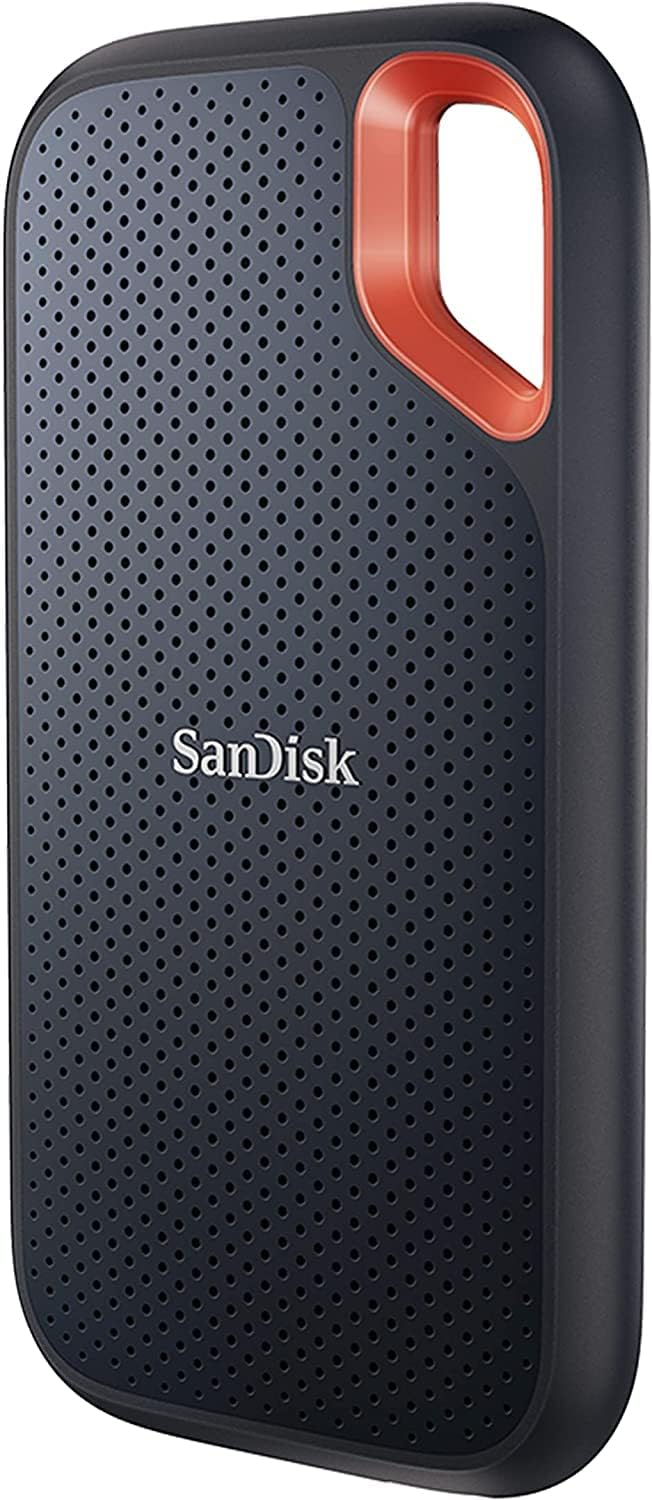
Best for Beginners: SanDisk Extreme Portable SSD (1TB USB-C) – Easy plug-and-play setup, solid build quality, and consistent performance. Great for users new to external SSDs who want reliability without complexity.
Best for Advanced Users: Samsung 990 Pro (2TB NVMe M.2) – With or without heatsink, this drive delivers 7,450 MB/s speeds and exceptional endurance. Pair it with a Thunderbolt enclosure for a custom-built external powerhouse.
Conclusion: Making the Right Choice
Choosing the best SSD for your iMac isn’t just about speed or capacity—it’s about aligning your storage solution with your specific iMac model, workflow, and budget. Whether you’re breathing new life into an aging Intel iMac with a SATA upgrade or equipping your M3 iMac with a Thunderbolt 4 external drive for professional-grade performance, the right SSD can dramatically enhance your computing experience.
Remember to prioritize compatibility first, then balance performance, reliability, and cost. Don’t fall for marketing hype—focus on real-world benchmarks and user reviews. And always back up your data before making any changes. With the insights from this guide, you’re now equipped to make a confident, informed decision that will keep your iMac running smoothly for years to come.
Take the time to assess your needs, compare your options, and invest wisely. Your future self—and your iMac—will thank you.