
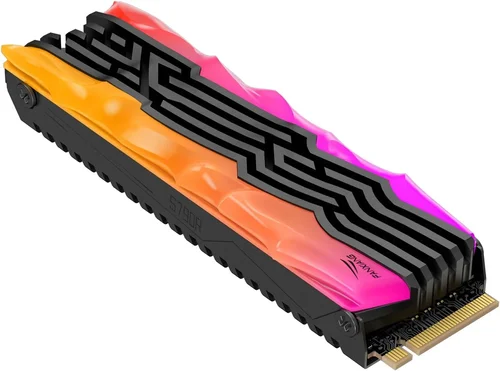
Solid-state drives (SSDs) have revolutionized how we store and access data. Gone are the days of waiting minutes for a computer to boot or files to load—today’s SSDs deliver near-instant performance, improved reliability, and energy efficiency that traditional hard disk drives (HDDs) simply can’t match. Whether you’re building a new PC, upgrading an aging laptop, or expanding storage for creative work, choosing the right SSD is one of the most impactful decisions you can make for your system’s speed and responsiveness.
This comprehensive buyer’s guide is designed to cut through the noise and help you make an informed decision in 2026. The SSD market has matured significantly, with options ranging from ultra-affordable SATA drives to blazing-fast PCIe Gen5 NVMe SSDs capable of over 10,000 MB/s. With so many choices—different form factors, interfaces, NAND types, and price points—it’s easy to feel overwhelmed. Our goal is to equip you with the knowledge to evaluate your needs, understand key specifications, avoid common pitfalls, and ultimately select the best SSD for your unique use case. Whether you’re a casual user, a gamer, a content creator, or a professional developer, this guide will walk you through every critical factor.
From budget considerations to performance benchmarks, durability ratings to brand reputation, we’ll cover everything you need to know. You’ll learn how to interpret technical specs like sequential read/write speeds, IOPS, endurance (TBW), and controller technology. We’ll also compare different SSD types—SATA, NVMe M.2, U.2, and more—and explain which is best suited for desktops, laptops, gaming consoles, or enterprise environments. By the end of this guide, you won’t just know which SSD to buy—you’ll understand why it’s the right choice for you.

What to Look for When Buying Buying Guide
1. Budget & Price Range
Your budget is often the first filter when shopping for an SSD. Prices vary dramatically based on capacity, interface, and performance tier. As of 2026, entry-level SATA SSDs start around $0.08 per gigabyte, while high-end PCIe Gen5 NVMe drives can exceed $0.30 per gigabyte. It’s tempting to go for the cheapest option, but skimping on quality can lead to poor performance, shorter lifespan, or even data loss.
When setting your budget, consider both upfront cost and long-term value. A slightly more expensive SSD with better endurance and a longer warranty may save you money over time by avoiding premature failure or the need for early replacement. For most users, spending between $50 and $150 gets you a reliable 1TB drive with solid performance. Gamers and professionals working with large files should budget $150–$300 for a high-speed NVMe SSD.
2. Performance Specifications
Performance is where SSDs truly shine—but not all SSDs are created equal. Key metrics include sequential read/write speeds (measured in MB/s) and random input/output operations per second (IOPS). Sequential speeds matter most for large file transfers (like video editing or game loading), while IOPS affect everyday responsiveness (opening apps, multitasking, boot times).
For example, a SATA III SSD typically maxes out at ~550 MB/s due to interface limitations, whereas PCIe Gen4 NVMe drives can reach 7,000 MB/s, and Gen5 models push beyond 10,000 MB/s. However, real-world gains diminish beyond Gen4 for most users—unless you’re transferring multi-gigabyte files daily, the difference between Gen4 and Gen5 may not be noticeable.
Also pay attention to sustained performance. Some budget SSDs use dynamic SLC caching, which delivers high speeds initially but slows dramatically once the cache fills up. Look for drives with consistent performance under load, especially if you plan to use your SSD for video editing, 3D rendering, or database work.
3. Build Quality & Durability
SSDs have no moving parts, making them inherently more durable than HDDs—but they’re not indestructible. Durability is measured in terabytes written (TBW), which indicates how much data can be written to the drive over its lifetime. A 1TB SSD might have a TBW rating of 600–1,200 TB, depending on the NAND type and manufacturer.
Higher-end drives use 3D TLC (Triple-Level Cell) or even MLC (Multi-Level Cell) NAND, which offers better endurance and longevity compared to cheaper QLC (Quad-Level Cell) NAND. QLC drives are fine for light use but may wear out faster under heavy write workloads. If you’re a content creator or run virtual machines, opt for TLC-based SSDs.
Physical build quality also matters. Look for drives with robust controllers, thermal throttling protection (especially in compact M.2 form factors), and metal heatsinks on high-performance models. Drives that overheat can throttle performance or fail prematurely.
4. Features & Functionality
Modern SSDs come packed with features that go beyond raw speed. Encryption support (like AES-256) is essential for business users or anyone storing sensitive data. Many drives include built-in hardware encryption compliant with TCG Opal or IEEE 1667 standards.
Power loss protection (PLP) is another valuable feature, particularly for workstations or servers. It ensures data isn’t corrupted if the system loses power mid-write. While rare in consumer drives, some premium models include capacitors that provide enough juice to finish pending writes.
Software suites are also worth considering. Brands like Samsung, Crucial, and Western Digital offer free utilities for drive monitoring, firmware updates, cloning, and secure erase. These tools simplify maintenance and extend drive life.
Finally, consider compatibility features like thermal sensors, low-power states (for laptops), and support for advanced protocols like NVMe 2.0, which improves efficiency and scalability.
5. Brand Reputation
Not all SSD brands are equal. Established manufacturers like Samsung, Crucial (Micron), Western Digital, Kingston, and SK Hynix have proven track records for reliability, performance, and customer support. They invest heavily in R&D, use high-quality NAND, and rigorously test their products.
Avoid no-name or ultra-cheap brands sold on third-party marketplaces. These often use recycled or lower-grade components, lack proper firmware optimization, and may fail without warning. While you might save $10 upfront, the risk of data loss far outweighs the savings.
Check independent reviews from trusted sources like Tom’s Hardware, AnandTech, or StorageReview. Look for consistency in performance, low failure rates, and responsive customer service. A brand with a strong reputation is more likely to honor warranties and provide timely firmware updates.
6. Warranty & Support
A solid warranty is a strong indicator of a manufacturer’s confidence in their product. Most reputable SSDs come with 3- to 5-year limited warranties. Some high-end models even offer 6- or 7-year coverage. Pay attention to whether the warranty is time-based, usage-based (capped by TBW), or both.
For example, a drive with a 5-year or 600 TBW warranty will expire when either condition is met—whichever comes first. If you write 200 TB per year, the warranty ends in 3 years, not 5. Always check the fine print.
Customer support quality varies widely. Samsung and Crucial offer excellent online resources, live chat, and straightforward RMA processes. Lesser-known brands may leave you stranded with slow responses or denied claims. Before buying, search forums for user experiences with warranty claims.
7. Size & Portability
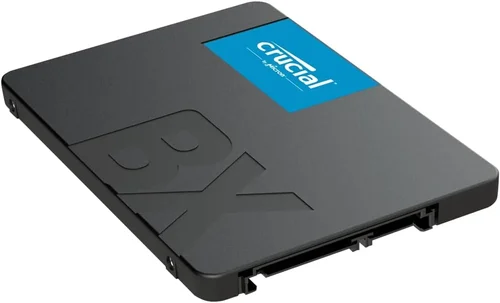
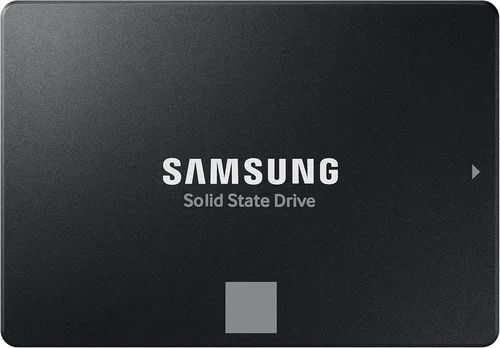
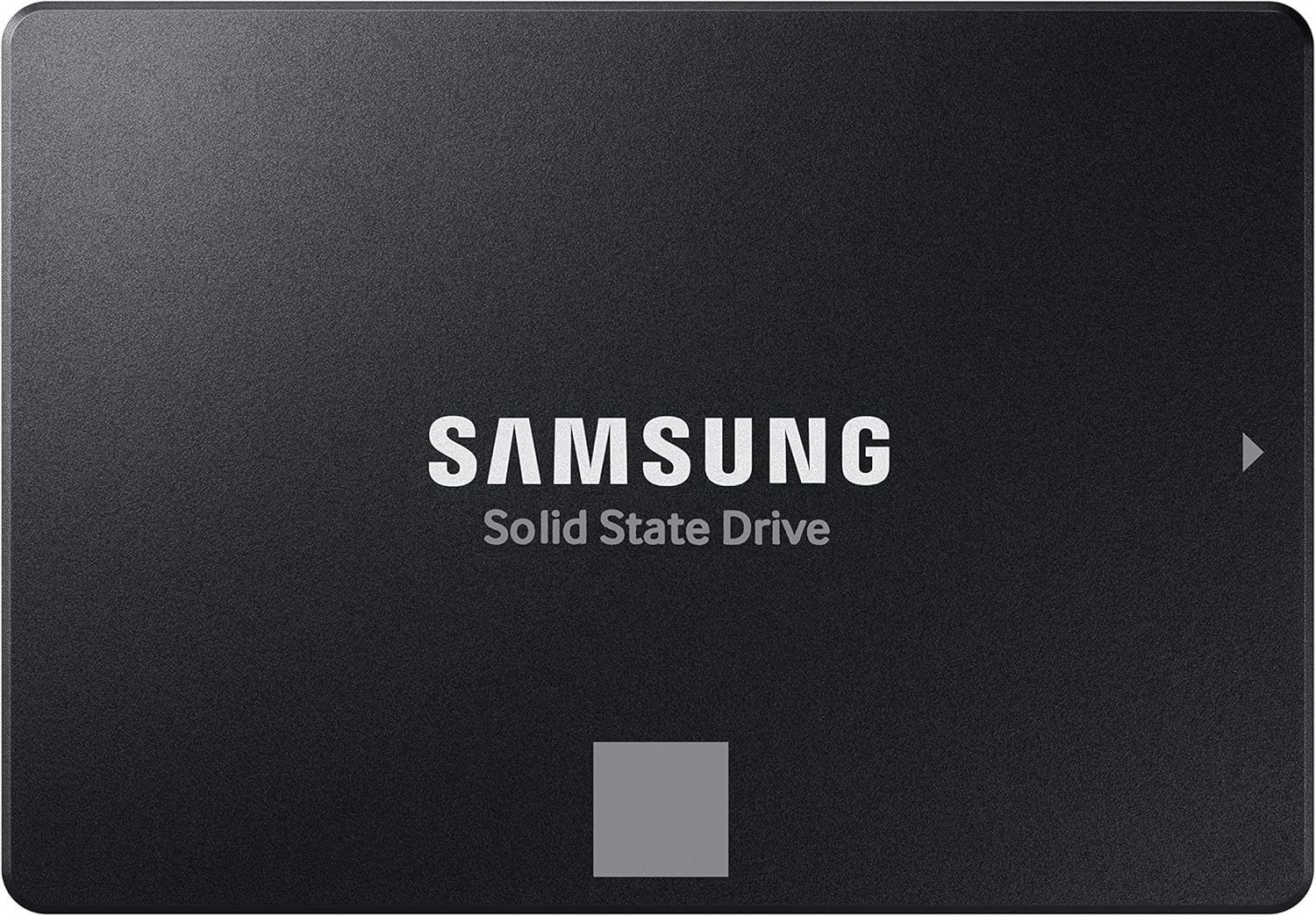
Form factor determines where and how you can use an SSD. The most common types are 2.5-inch SATA (used in older laptops and desktops), M.2 2280 (the standard for modern ultrabooks and compact builds), and M.2 2242/2260 (smaller variants for space-constrained devices).
M.2 NVMe drives are significantly faster than 2.5-inch SATA SSDs and take up far less space—ideal for thin laptops or small-form-factor PCs. However, not all M.2 slots support NVMe; some only accept SATA-based M.2 drives. Always verify your motherboard or laptop specs before purchasing.
External SSDs (like the Samsung T7 or SanDisk Extreme) offer portability and plug-and-play convenience via USB-C. These are great for backups, media storage, or transferring files between devices. Just ensure your USB port supports USB 3.2 Gen 2 (10 Gbps) or Thunderbolt 3/4 to avoid bottlenecking the drive’s speed.
8. User Reviews & Ratings
While specs tell part of the story, real-world user feedback reveals the rest. Look beyond star ratings and read detailed reviews on Amazon, Newegg, or Reddit. Pay attention to recurring themes: Does the drive overheat? Does performance drop after a few months? Are there firmware issues?
Be wary of fake reviews. Genuine feedback often includes specific usage scenarios (“I used this for 4K video editing”) and mentions both pros and cons. If every review is glowing and vague (“Great product!”), it may be suspicious.
Also check professional review sites for long-term testing. Some drives perform well initially but degrade over time due to poor garbage collection or aggressive caching algorithms. User forums like Linus Tech Tips or r/buildapc can provide honest, experience-based insights.
Different Types of Buying Guide

Common Buying Mistakes to Avoid
❌ Mistake: Ignoring Interface Compatibility
Why it’s bad: Buying an NVMe M.2 SSD for a laptop that only supports SATA M.2 will result in a paperweight. Similarly, installing a Gen5 drive in a Gen3-only motherboard wastes money—you won’t get the speed benefits.
What to do instead: Always check your device’s manual or manufacturer specs. Use tools like CPU-Z or Speccy to identify your motherboard’s M.2 slot type and supported protocols.
❌ Mistake: Overpaying for Unnecessary Speed
Why it’s bad: A PCIe Gen5 SSD delivering 12,000 MB/s won’t make your web browser load faster or improve FPS in most games. The real-world difference between Gen4 and Gen5 is minimal for average users.
What to do instead: Match the SSD to your workload. Gamers and office users should prioritize Gen4 or even Gen3. Save Gen5 for professional video editors or data scientists handling massive datasets.
❌ Mistake: Choosing QLC NAND for Heavy Workloads
Why it’s bad: QLC SSDs have lower endurance and slower write speeds under sustained load. Using one for video editing, database operations, or frequent large file transfers can lead to premature wear and performance drops.
What to do instead: Opt for TLC-based drives for any write-intensive tasks. QLC is fine for light use, backups, or secondary storage.
❌ Mistake: Skipping the Heatsink on High-Performance Drives
Why it’s bad: M.2 NVMe drives, especially Gen4 and Gen5, generate significant heat. Without proper cooling, they throttle performance to prevent damage, negating their speed advantage.
What to do instead: Use a motherboard with an integrated M.2 heatsink or purchase an aftermarket one. For external drives, choose models with aluminum enclosures that act as heat sinks.
❌ Mistake: Neglecting Firmware Updates
Why it’s bad: Outdated firmware can cause bugs, security vulnerabilities, or performance issues. Some drives shipped with early firmware that caused crashes or data corruption.
What to do instead: Register your SSD with the manufacturer and check for firmware updates every 6–12 months. Use the brand’s official utility (e.g., Samsung Magician) to apply updates safely.
❌ Mistake: Buying Based Solely on Price Per GB
Why it’s bad: The cheapest SSD often uses inferior components, lacks features like DRAM cache, or has poor endurance. You may end up replacing it sooner, costing more in the long run.
What to do instead: Balance price with reviews, warranty, and NAND type. A slightly more expensive drive with better reliability is a smarter investment.
❌ Mistake: Not Backing Up Before Installation
Why it’s bad: Installing a new SSD often involves cloning your old drive or performing a fresh OS install. Without a backup, you risk losing important files.
What to do instead: Always create a full system image or copy critical data to an external drive before swapping storage.
Budget Guidelines: How Much Should You Spend?
Entry-Level ($30–$60): This range covers 500GB–1TB SATA or Gen3 NVMe SSDs from reputable brands. Perfect for upgrading an old laptop or building a budget desktop. Expect decent performance for everyday tasks but limited endurance and no advanced features. Ideal for students, casual users, or secondary storage.
Mid-Range ($60–$150): The sweet spot for most buyers. You’ll find 1TB Gen4 NVMe SSDs with TLC NAND, DRAM cache, and 5-year warranties. These drives offer excellent speed, reliability, and value. Great for gamers, remote workers, and home offices. Brands like Crucial P5 Plus, WD Black SN770, and Kingston KC3000 dominate this tier.
Premium ($150–$300): Designed for enthusiasts and professionals. Expect 1TB–2TB Gen4 or Gen5 drives with top-tier controllers, high TBW ratings, and robust thermal management. These are ideal for 4K/8K video editing, 3D rendering, game development, or running virtual machines. Look for Samsung 990 Pro, Seagate FireCuda 540, or Sabrent Rocket 5.
Luxury ($300+): Reserved for extreme use cases. These include 4TB+ Gen5 drives, enterprise-grade SSDs with power loss protection, or specialized models for AI training and server workloads. Overkill for most consumers but essential for data centers,科研 labs, or high-frequency trading systems.
Expert Tips for Getting the Best Deal
- Time your purchase: Major sales events like Black Friday, Cyber Monday, Amazon Prime Day, and back-to-school season offer the deepest discounts. SSD prices also tend to drop after new generations launch (e.g., when Gen5 arrived, Gen4 prices fell).
- Buy from authorized retailers: Stick to Amazon (sold by Amazon, not third parties), Newegg, Best Buy, or direct from manufacturers. Avoid gray-market sellers to ensure warranty validity.
- Compare total cost of ownership: Factor in warranty length, endurance, and software support—not just upfront price. A $100 drive with a 7-year warranty may be cheaper long-term than a $80 drive with 3 years.
- Check return policies: Ensure the retailer allows returns if the drive is incompatible or defective. Most offer 30-day windows, but some extend to 60 days.
- Test before committing: Use tools like CrystalDiskMark or AS SSD Benchmark to verify real-world performance matches specs. Some drives underperform due to firmware issues.
- Consider refurbished options: Manufacturer-refurbished SSDs from Samsung or Crucial often come with full warranties and sell for 20–30% less. Avoid third-party refurbishers.
- Monitor price history: Use browser extensions like Honey or CamelCamelCamel to track price trends and get alerts when your desired SSD drops.
- Don’t forget the heatsink: If your case or motherboard lacks M.2 cooling, budget $10–$20 for an aftermarket heatsink—especially for Gen4/Gen5 drives.
Frequently Asked Questions
Q: Can I use an NVMe SSD in a SATA-only M.2 slot?
A: No. NVMe and SATA M.2 drives use different connectors and protocols. A SATA M.2 slot will not recognize an NVMe drive, even if it physically fits. Always verify compatibility before buying.
Q: Do I need a DRAM cache on my SSD?
A: DRAM cache improves performance consistency and longevity by buffering data and mapping tables. While DRAM-less SSDs exist (using HMB—Host Memory Buffer), they can slow under heavy workloads. For most users, a DRAM-equipped drive is worth the slight premium.
Q: How long do SSDs last?
A: Modern SSDs typically last 5–10 years under normal use, depending on write volume and TBW rating. Most users will upgrade before the drive wears out. Monitor health with tools like CrystalDiskInfo.
Q: Is it safe to fill an SSD to capacity?
A: No. SSDs need free space (10–20%) for garbage collection and wear leveling. Filling a drive to 95%+ can cripple performance and reduce lifespan. Aim to keep at least 15% free.
Q: Can I recover data from a failed SSD?
A: Data recovery from SSDs is harder than from HDDs due to TRIM and wear leveling. If the drive is undetected or corrupted, professional services may help—but success isn’t guaranteed. Regular backups are essential.
Q: Are external SSDs as fast as internal ones?
A: Only if connected via a high-speed interface. USB 3.2 Gen 2 (10 Gbps) caps at ~1,000 MB/s, while Thunderbolt 3/4 can reach 2,800 MB/s. For full NVMe speeds, use a Thunderbolt enclosure.
Q: Should I enable TRIM?
A: Yes. TRIM helps maintain SSD performance by informing the drive which blocks are unused. It’s enabled by default in Windows, macOS, and Linux, but verify in your OS settings.
Q: Can I use an SSD as a boot drive?
A: Absolutely. In fact, it’s recommended. SSDs drastically reduce boot times and improve system responsiveness. Just ensure your BIOS/UEFI supports the drive’s interface.
Q: Do SSDs improve gaming performance?
A: Yes—but mostly in load times, not FPS. Games load faster, levels stream smoother, and open-world games stutter less. However, once loaded, gameplay performance depends on your GPU and CPU.
Q: What’s the difference between NVMe and SATA?
A: NVMe uses the PCIe interface for much higher bandwidth and lower latency than SATA, which is limited to ~6 Gbps. NVMe is faster, but SATA remains viable for older systems or budget builds.
Our Final Recommendations
Best for Budget-Conscious Buyers: Crucial P3 1TB (PCIe Gen3 NVMe) – At around $60, it delivers reliable Gen3 speeds, TLC NAND, and a 5-year warranty. Perfect for upgrading an older system without breaking the bank.
Best Overall Value: Samsung 980 Pro 1TB (PCIe Gen4 NVMe) – Consistently top-rated for performance, endurance, and software support. Priced around $110, it’s a workhorse for gamers and creators alike.
Best Premium Option: WD Black SN850X 2TB (PCIe Gen4 NVMe) – With speeds up to 7,300 MB/s, excellent thermal management, and a 5-year warranty, it’s ideal for high-end desktops and content production.
Best for Beginners: Kingston NV2 1TB (PCIe Gen4 NVMe) – Simple, affordable, and compatible with most modern systems. No-frills design with solid performance for first-time upgraders.
Best for Advanced Users: Sabrent Rocket 5 2TB (PCIe Gen5 NVMe) – Blazing 10,000+ MB/s speeds, robust heatsink, and cutting-edge performance for professionals pushing the limits of storage bandwidth.
Conclusion: Making the Right Choice
Choosing the best SSD in 2026 doesn’t have to be overwhelming—if you know what to prioritize. Start by defining your needs: Are you upgrading a laptop for faster boot times? Building a gaming rig? Editing 8K video? Your use case dictates the ideal balance of speed, capacity, endurance, and price.
Remember, the “best” SSD isn’t always the fastest or most expensive—it’s the one that fits your budget, matches your system’s capabilities, and reliably serves your workflow for years to come. Avoid common pitfalls like ignoring compatibility or overpaying for unused performance. Leverage seasonal sales, read real user reviews, and don’t skimp on warranty or build quality.
Whether you’re a casual user seeking snappier performance or a pro demanding maximum throughput, there’s an SSD out there perfectly suited to you. Use this guide as your compass, and you’ll not only buy smarter—you’ll enjoy a faster, more responsive, and more reliable computing experience. Don’t wait: upgrade today and feel the difference an SSD makes.