
The digital storage landscape in 2026 is more dynamic than ever. With data creation accelerating—driven by 4K/8K video, AI workloads, cloud backups, and remote work—choosing the right storage solution has become a critical decision for both individuals and businesses. Two of the most popular options on the market today are USB SSDs and Synology NAS (Network Attached Storage) devices. At first glance, they may seem to serve similar purposes—storing and accessing files—but they differ dramatically in design, functionality, scalability, and use cases. This guide exists to cut through the noise and help you make an informed, confident decision based on your actual needs, not marketing hype.
Whether you’re a creative professional backing up large video projects, a small business owner managing client data, or a home user looking to safeguard family photos and documents, understanding the strengths and limitations of each option is essential. A USB SSD might offer blazing-fast speeds and portability, while a Synology system provides centralized access, redundancy, and advanced data management features. But which one is truly “best”? The answer isn’t black and white—it depends on your workflow, budget, technical comfort level, and long-term goals. By the end of this comprehensive buying guide, you’ll have a clear roadmap to determine whether a portable USB SSD, a Synology NAS, or even a hybrid approach is the right fit for your digital life.
The market today offers an overwhelming array of choices. USB SSDs range from compact, bus-powered drives under $50 to high-performance Thunderbolt models exceeding $500. Synology, meanwhile, dominates the consumer and SMB NAS space with a lineup that spans entry-level two-bay units like the DS220+ all the way to enterprise-grade rackmount systems capable of housing dozens of terabytes. Both technologies continue to evolve rapidly—USB4 and Thunderbolt 5 are pushing external SSD speeds beyond 10,000 MB/s, while Synology’s DiskStation Manager (DSM) OS now includes AI-powered file indexing, ransomware protection, and seamless cloud integration. This guide will walk you through every critical factor, from performance and durability to cost and ease of use, so you can invest wisely in a solution that grows with your needs.
What to Look for When Buying Buying Guide
1. Budget & Price Range
Your budget is often the first and most decisive factor when choosing between a USB SSD and a Synology NAS. USB SSDs are generally more affordable upfront, especially for smaller capacities. A 1TB USB SSD can be found for as little as $60–$80, while high-speed 2TB models typically range from $120–$250. In contrast, Synology NAS systems require a higher initial investment. Even a basic two-bay model like the DS220+ starts around $300, and that’s before adding hard drives. A fully configured 4TB Synology setup (NAS + two 2TB drives) can easily cost $600–$800. However, it’s important to consider total cost of ownership: Synology units often last 5–7 years with proper maintenance, and their energy-efficient design means lower long-term power costs compared to running a desktop PC as a file server.
When evaluating budget, also factor in hidden expenses. USB SSDs rarely include backup software or redundancy features, so you may need to purchase third-party tools like ChronoSync or Carbon Copy Cloner. Synology, on the other hand, bundles robust software (like Hyper Backup and Snapshot Replication) at no extra cost. Additionally, if you opt for a Synology with RAID support, you’ll need to buy multiple drives, which increases the upfront cost but provides critical data protection. For users who prioritize low initial spend and simple plug-and-play functionality, a USB SSD wins. But for those willing to invest more upfront for reliability, scalability, and advanced features, Synology offers far greater value over time.
2. Performance Specifications
Performance is where USB SSDs truly shine—especially when it comes to raw speed. Modern USB SSDs leveraging USB 3.2 Gen 2×2 or Thunderbolt 4/5 can deliver sequential read/write speeds exceeding 2,000 MB/s, with top-tier models hitting 10,000 MB/s. This makes them ideal for tasks like video editing, large file transfers, or running virtual machines directly from the drive. Most USB SSDs use NVMe technology inside a compact enclosure, offering near-internal SSD performance in a portable form factor.
Synology NAS devices, by contrast, rely on network bandwidth. Even with a Gigabit Ethernet connection (1 Gbps), maximum theoretical throughput is around 125 MB/s—significantly slower than a USB SSD. However, newer Synology models support 2.5GbE, 5GbE, or even 10GbE networking, which can push speeds up to 1,250 MB/s or more. Real-world performance also depends on the drives used (HDDs vs. SSDs), RAID configuration, and network congestion. For example, a Synology DS923+ with four SSDs in RAID 5 over 10GbE can outperform many USB SSDs in sustained multi-user environments. But for single-user, high-speed workloads, nothing beats the direct-attached performance of a USB SSD.
Latency is another key differentiator. USB SSDs offer near-instant access with minimal latency, making them perfect for active projects. Synology systems introduce slight delays due to network overhead, though this is rarely noticeable for everyday file access. If your workflow demands lightning-fast response times—such as 4K video scrubbing or game development—a USB SSD is the clear winner. For collaborative environments or background backups, Synology’s network-based performance is more than adequate.
3. Build Quality & Durability
Durability matters, especially if you’re frequently on the move. High-quality USB SSDs often feature aluminum enclosures that dissipate heat and resist drops. Brands like Samsung (T7 Shield), SanDisk (Extreme Pro), and Crucial (X9 Pro) offer ruggedized models rated for water, dust, and shock resistance—ideal for photographers, journalists, or travelers. These drives are designed to withstand real-world abuse, with some surviving drops from up to 3 meters.
Synology NAS units are built for stationary use. Their metal chassis provide excellent heat dissipation and structural integrity, but they’re not meant to be carried around. While they’re highly reliable in a controlled environment (like an office or home server room), moving a Synology unit risks damaging internal components or dislodging drives. That said, Synology devices are engineered for 24/7 operation with enterprise-grade components, often boasting mean time between failures (MTBF) ratings over 1 million hours. They also include features like hot-swappable drive bays and redundant power supplies (on higher-end models), which enhance long-term reliability.
For users who need a drive they can toss in a backpack and use across multiple locations, a rugged USB SSD is the safer bet. But if your priority is a stable, always-on storage hub that won’t fail under constant load, Synology’s build quality and thermal management give it a significant edge.
4. Features & Functionality
This is where Synology pulls far ahead in terms of software capabilities. Synology’s DiskStation Manager (DSM) is one of the most polished NAS operating systems available, offering a desktop-like experience with apps for file sharing, media streaming, surveillance, virtualization, and more. You can run Docker containers, host a personal cloud, set up automated backups, enable two-factor authentication, and even deploy a full-fledged office suite with Synology Office. Advanced features like Snapshot Replication protect against ransomware by allowing you to roll back to previous file versions, while Active Backup for Business lets you back up entire Windows PCs or servers.
USB SSDs, by contrast, are essentially dumb storage devices. They rely on your computer’s OS for functionality. While some come with basic encryption tools (like Samsung’s Magician software), they lack the ecosystem and automation of a NAS. You won’t find built-in backup scheduling, user management, or remote access features unless you configure them manually using third-party tools. That said, their simplicity is also a strength—plug in, format, and go. No setup wizards, no firmware updates, no learning curve.
Consider your technical appetite. If you enjoy tinkering and want a centralized hub for all your digital assets, Synology’s feature-rich platform is unmatched. But if you just need fast, reliable storage without the complexity, a USB SSD keeps things refreshingly simple.
5. Brand Reputation
Brand trust plays a crucial role in storage decisions, given the risk of data loss. In the USB SSD space, Samsung, SanDisk (Western Digital), Crucial (Micron), and Kingston are consistently top-rated for reliability and performance. Samsung’s T-series drives, for example, have a proven track record of longevity and consistent speeds. These brands also offer strong customer support and clear warranty policies.
Synology has built an exceptional reputation over nearly two decades in the NAS market. Known for rock-solid hardware, frequent DSM updates, and responsive support, Synology is often the go-to choice for small businesses and tech-savvy home users. Competitors like QNAP and Asustor offer similar features, but Synology leads in user experience and stability. Their community forums are active and helpful, and their hardware is widely regarded as “set it and forget it.”
When choosing, prioritize brands with transparent failure rates, good warranties, and a history of supporting older models with updates. Avoid no-name USB SSDs from unknown manufacturers—they may use inferior NAND or lack proper error correction, increasing the risk of corruption.
6. Warranty & Support
Warranty terms vary significantly between the two categories. Most premium USB SSDs come with 3- to 5-year limited warranties, covering defects but not data recovery. Some brands, like Samsung, offer data recovery services for a fee. However, if a USB SSD fails, your data is likely gone unless you’ve backed it up elsewhere—a critical reminder that no single drive should be your only copy.
Synology typically provides 2- to 3-year warranties on hardware, with optional extended coverage available. More importantly, their support includes detailed troubleshooting guides, live chat, and firmware updates that often add new features years after purchase. Because Synology systems support RAID and snapshots, the risk of total data loss is much lower. Even if a drive fails, your data remains accessible (assuming proper RAID configuration).
Always check warranty details before buying. Look for brands that offer hassle-free replacements and clear RMA processes. For mission-critical data, Synology’s combination of hardware redundancy and strong support makes it a safer long-term investment.
7. Size & Portability
If you need storage you can carry in your pocket, USB SSDs are unbeatable. Many are smaller than a pack of gum and weigh under 50 grams. This makes them perfect for freelancers, students, or anyone who works across multiple locations. You can easily plug one into a laptop, tablet, or even a smartphone (with the right adapter).
Synology NAS units are decidedly not portable. The smallest models, like the DS120j, are about the size of a hardcover book, while larger units can be desktop or rackmount form factors. They require a power outlet, network connection, and a stable surface. Moving one involves shutting down properly, removing drives (if hot-swappable), and risking data corruption if done incorrectly.
Portability isn’t just about physical size—it’s also about accessibility. With a USB SSD, your data is always with you. With Synology, you need network access (local or remote via QuickConnect) to reach your files. For users who travel frequently or work in the field, a USB SSD is the only practical choice.
8. User Reviews & Ratings
Never underestimate the power of real-world feedback. Before making a purchase, read reviews from trusted sources like Tom’s Hardware, PCMag, or Amazon (filtering for verified purchases). Look for patterns: Do multiple users report the same failure mode? Is performance consistent across different computers? Are firmware updates causing issues?
For USB SSDs, pay attention to real-world speed tests—not just manufacturer claims. Some drives throttle under sustained load due to poor thermal design. For Synology, check user experiences with DSM updates, app compatibility, and drive compatibility lists (HCL). Synology maintains a strict HCL, and using non-approved drives can void your warranty or cause instability.
User forums like Reddit’s r/DataHoarder or Synology’s official community are goldmines of honest feedback. A product with 4.8 stars and hundreds of reviews is generally a safer bet than one with 5 stars from just a few users.
Different Types of Buying Guide
Common Buying Mistakes to Avoid
❌ Mistake: Buying Based Solely on Price
Why it’s bad: Choosing the cheapest option often leads to disappointment. Low-cost USB SSDs may use slower TLC or QLC NAND, suffer from poor thermal throttling, or lack encryption. Similarly, buying a Synology without considering drive costs can result in a system that’s underpowered or lacks redundancy.
What to do instead: Evaluate total cost of ownership, including drives, software, and long-term reliability. A slightly more expensive drive with better endurance and warranty is often worth the investment.
❌ Mistake: Ignoring Backup Strategy
Why it’s bad: Whether you use a USB SSD or Synology, relying on a single copy of your data is risky. Drives fail, files get corrupted, and accidents happen. Many users assume “it won’t happen to me”—until it does.
What to do instead: Follow the 3-2-1 backup rule: 3 copies of your data, on 2 different media, with 1 copy offsite. Use Synology’s Hyper Backup to cloud services like Backblaze B2, or keep a second USB SSD as a backup.
❌ Mistake: Overlooking Network Requirements for Synology
Why it’s bad: A Synology NAS is only as fast as your network. Trying to stream 4K video or transfer large files over a slow Wi-Fi or outdated router will result in frustration and poor performance.
What to do instead: Ensure your network supports Gigabit Ethernet (or better). For high-performance setups, invest in a 2.5GbE or 10GbE switch and compatible NAS model. Use wired connections whenever possible.
❌ Mistake: Choosing the Wrong RAID Level
Why it’s bad: RAID 0 (striping) offers speed but no redundancy—losing one drive means losing all data. RAID 1 (mirroring) protects data but halves your usable capacity. Choosing incorrectly can lead to data loss or wasted investment.
What to do instead: For most users, RAID 5 (with 3+ drives) or RAID 6 (with 4+ drives) offers the best balance of performance, capacity, and protection. Use Synology’s RAID Calculator tool to plan your setup.
❌ Mistake: Neglecting Firmware and Software Updates
Why it’s bad: Outdated firmware can leave your device vulnerable to security flaws or compatibility issues. Many users avoid updates due to fear of breaking something, but this increases long-term risk.
What to do instead: Enable automatic updates on your Synology DSM and regularly check for USB SSD firmware updates. Always back up critical data before updating.
❌ Mistake: Buying More Capacity Than Needed
Why it’s bad: Overspending on unused storage is a common waste. A 4TB USB SSD might seem future-proof, but if you only use 500GB, you’ve paid for unused space.
What to do instead: Audit your current storage usage and project growth over 2–3 years. Buy slightly above your needs, but avoid extreme overprovisioning.
❌ Mistake: Assuming All USB SSDs Are Equal
Why it’s bad: Not all USB SSDs are created equal. Some use USB 3.0 (5 Gbps), while others support USB 3.2 Gen 2×2 (20 Gbps). Interface speed directly impacts performance.
What to do instead: Check the interface specification (USB 3.2 Gen 2, Thunderbolt, etc.) and ensure your computer supports it. A Thunderbolt SSD plugged into a USB 3.0 port will run at reduced speeds.
Budget Guidelines: How Much Should You Spend?
- Entry-Level ($50 – $150): Ideal for casual users needing portable storage. Look for 500GB–1TB USB SSDs from reputable brands. Avoid no-name drives. At this tier, you get basic speed and reliability but limited features.
- Mid-Range ($150 – $400): The sweet spot for most buyers. You can get a high-speed 2TB USB SSD or a Synology DS220+ with one drive. This range offers excellent performance, durability, and software features without breaking the bank.
- Premium ($400 – $1,000): For professionals and power users. Options include Thunderbolt SSDs, ruggedized models, or Synology systems with multiple drives and 2.5GbE. Expect top-tier speeds, advanced software, and robust build quality.
- Luxury ($1,000+): Reserved for businesses and enthusiasts. Think 10GbE Synology units, all-flash NAS configurations, or multi-terabyte Thunderbolt SSDs. These deliver maximum performance, scalability, and enterprise-grade reliability.
Expert Tips for Getting the Best Deal
- Buy during seasonal sales: Black Friday, Cyber Monday, and Amazon Prime Day offer significant discounts on both USB SSDs and Synology units. Sign up for price alerts on sites like CamelCamelCamel or Slickdeals.
- Consider refurbished or open-box: Certified refurbished Synology units from the official store often come with full warranties and can save you 20–30%. Similarly, open-box USB SSDs from retailers like Best Buy are usually tested and reliable.
- Bundle drives with your Synology: Some retailers offer NAS + drive bundles at a discount. Look for packages with WD Red or Seagate IronWolf drives, which are optimized for NAS use.
- Check return policies: Ensure you can return the product if it doesn’t meet your needs. Synology’s 30-day return window is standard, but some third-party sellers may have stricter terms.
- Test before committing: If possible, test the USB SSD on your actual workflow (e.g., editing a video project). For Synology, use the online DSM demo to explore features before buying.
- Monitor drive health: Use tools like CrystalDiskInfo (for USB SSDs) or Synology’s Storage Manager to track drive health and predict failures.
- Don’t forget accessories: A high-quality USB-C cable or Thunderbolt dock can make a big difference in performance. Cheap cables often limit speed.
- Leverage cloud integration: Both USB SSDs and Synology support cloud backup. Use services like Backblaze B2 or Google Drive for offsite protection without the cost of a second physical drive.
Frequently Asked Questions
Q: Can I use a USB SSD as a backup for my Synology NAS?
A: Absolutely. In fact, it’s a smart strategy. Use Synology’s Hyper Backup to schedule regular backups to an external USB SSD connected to the NAS. This gives you a portable, offline copy of your data—perfect for disaster recovery.
Q: Is a Synology NAS faster than a USB SSD?
A: Not in direct comparison. A USB SSD connected via Thunderbolt will almost always outperform a Synology over a standard network. However, a high-end Synology with 10GbE and SSD caching can match or exceed USB SSD speeds in multi-user environments.
Q: Do I need technical skills to set up a Synology?
A: Not necessarily. Synology’s Quick Start wizard makes initial setup straightforward. Most users can get online in under 30 minutes. Advanced features require more knowledge, but the community and documentation are excellent resources.
Q: Can I access my Synology from anywhere?
A: Yes, via Synology QuickConnect or DDNS. You can securely access files, stream media, or manage backups from any device with an internet connection.
Q: Are USB SSDs safe for long-term storage?
A: Not ideal. SSDs can lose data over time if unpowered (typically 1–2 years). For archival purposes, use HDDs or tape. For active use, USB SSDs are excellent.
Q: What happens if my Synology drive fails?
A: If you’re using RAID (e.g., RAID 1, 5, or 6), your data remains safe. Simply replace the failed drive, and the system will rebuild automatically. Always monitor drive health to catch issues early.
Q: Can I use any hard drive in my Synology?
A: It’s recommended to use drives from Synology’s compatibility list. While non-listed drives may work, they can cause instability or void your warranty.
Q: Do USB SSDs work with Mac and PC?
A: Yes, but formatting matters. Format as exFAT for cross-platform compatibility. NTFS works on Windows but requires third-party software on Mac. APFS is Mac-only.
Q: Is Synology worth it for a single user?
A: It depends. If you value centralized storage, remote access, and automated backups, yes. If you just need occasional file storage, a USB SSD may suffice.
Q: How long do USB SSDs last?
A: Most high-quality USB SSDs are rated for 150–600 TBW (terabytes written). With normal use, they can last 5–10 years. Check the manufacturer’s endurance rating before buying.
Our Final Recommendations
- Best for Budget-Conscious Buyers: Samsung T7 Shield (1TB) – Reliable, rugged, and fast, with a great price-to-performance ratio.
- Best Overall Value: Synology DS220+ with two WD Red 2TB drives – Offers RAID protection, remote access, and powerful software at a reasonable price.
- Best Premium Option: Synology DS923+ with 10GbE and SSD caching – Ideal for professionals needing speed, scalability, and enterprise features.
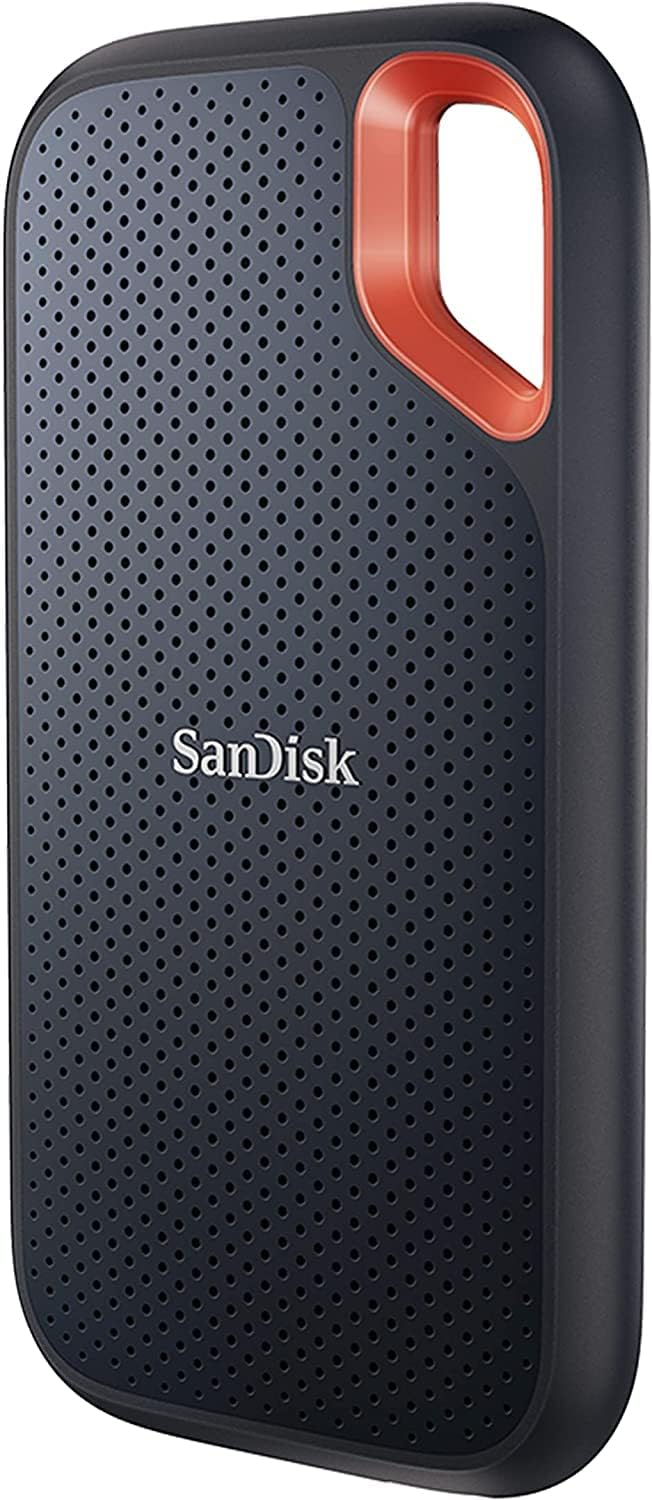
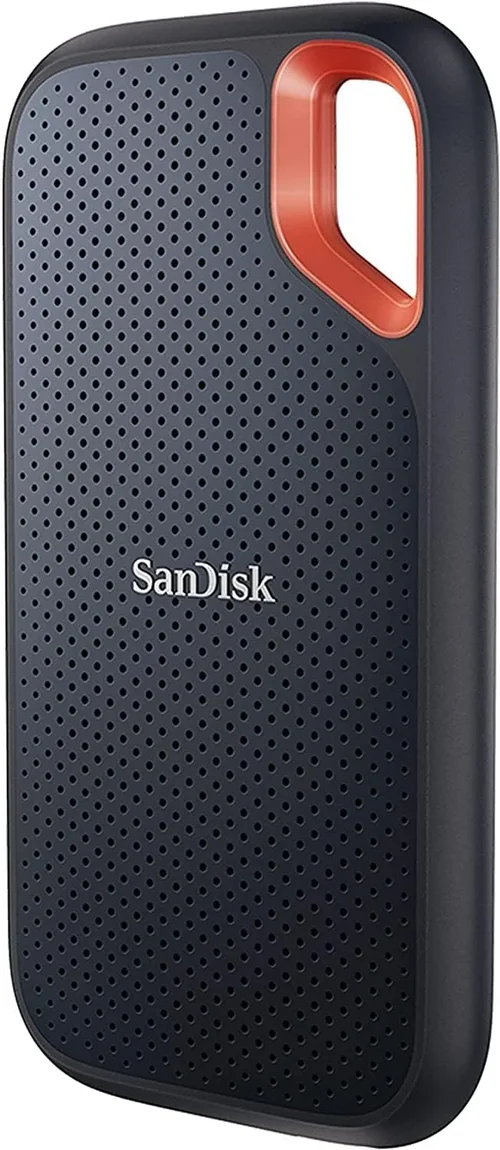
- Best for Beginners: SanDisk Extreme Portable SSD (2TB) – Simple, fast, and plug-and-play—perfect for those new to external storage.
- Best for Advanced Users: OWC Envoy Pro FX (Thunderbolt) – Delivers near-internal SSD speeds with Mac and PC compatibility, ideal for video editors and developers.
Conclusion: Making the Right Choice
Choosing between a USB SSD and a Synology NAS isn’t about finding the “best” device—it’s about finding the right tool for your specific needs. USB SSDs excel in speed, portability, and simplicity, making them ideal for individuals who need fast, reliable storage on the go. Synology NAS systems, on the other hand, offer unparalleled functionality, redundancy, and centralized management, perfect for homes, small offices, or anyone serious about data protection and accessibility.
As you weigh your options, remember to prioritize your workflow. Are you a traveling photographer who needs instant access to raw files? A USB SSD is your ally. Running a home media server or managing client projects with team collaboration? Synology is the clear winner. And don’t forget the importance of backup—no matter which path you choose, always keep multiple copies of your most valuable data.
Technology will continue to evolve, but the fundamentals remain: understand your needs, invest wisely, and plan for the future. Whether you go portable or networked, the right storage solution will not only protect your data but also enhance your productivity and peace of mind. Take the time to evaluate your options, read reviews, and consider long-term value over short-term savings. Your digital life deserves nothing less.