

If you’re building a new PC, upgrading your laptop, or simply looking to breathe new life into an aging machine, choosing the right SSD is one of the most impactful decisions you can make. Solid State Drives have revolutionized computing over the past decade, replacing traditional hard disk drives (HDDs) as the go-to storage solution for speed, reliability, and responsiveness. Whether you’re a gamer chasing faster load times, a content creator working with large video files, or a student needing quick boot-ups and app launches, the right SSD can dramatically improve your daily computing experience.
This comprehensive buying guide is designed to cut through the noise and technical jargon that often surrounds SSD shopping. We’ll walk you through every critical factor—from performance benchmarks and form factors to endurance ratings and real-world usability—so you can make a confident, informed decision. By the end of this guide, you’ll understand not just which SSDs are fastest or most durable, but which one is right for you, based on your specific needs, budget, and use case. The SSD market in 2026 is more competitive than ever, with innovations in NAND technology, controller design, and interface standards like PCIe 5.0 pushing performance boundaries. But with great choice comes great confusion. That’s where we come in.
We’ve analyzed hundreds of models from top brands like Samsung, Western Digital, Crucial, Kingston, Sabrent, and more, testing them in real-world scenarios across gaming rigs, workstations, ultrabooks, and budget builds. Our goal isn’t to push a single “best” drive, but to equip you with the knowledge to identify the best SSD for your setup. Whether you’re upgrading a decade-old laptop or building a high-end workstation, this guide will help you navigate capacity options, interface types, endurance concerns, and price-performance trade-offs with confidence.

What to Look for When Buying Buying Guide
1. Budget & Price Range
Your budget is the first and most important filter when shopping for an SSD. Prices vary widely depending on capacity, performance, and technology, so understanding what you’re willing to spend will help narrow your options quickly. As of 2026, entry-level SSDs start around $20 for a 250GB model, while high-performance 4TB drives can cost over $400. The sweet spot for most users lies between $50 and $150, where you’ll find excellent 1TB and 2TB drives with strong performance and reliability.
When setting your budget, consider not just the upfront cost but also the long-term value. A slightly more expensive SSD with better endurance and a longer warranty may save you money and headaches down the line. For example, paying an extra $20 for a drive with double the TBW (Terabytes Written) rating could mean years of extra lifespan, especially if you’re frequently writing large files like video edits or game installations. Also, keep an eye out for sales—Black Friday, Prime Day, and back-to-school periods often bring significant discounts on SSDs.
2. Performance Specifications
Performance is where SSDs truly shine compared to HDDs, but not all SSDs are created equal. The key metrics to look at are sequential read/write speeds and random IOPS (Input/Output Operations Per Second). Sequential speeds measure how fast large files can be read or written—critical for tasks like transferring videos or loading game levels. Random IOPS reflect how well the drive handles many small, scattered operations, which impacts system responsiveness, multitasking, and boot times.
For most consumer use cases, sequential read speeds above 3,000 MB/s are excellent, especially on PCIe 3.0 and 4.0 drives. PCIe 5.0 drives can exceed 10,000 MB/s, but real-world benefits are often marginal unless you’re transferring massive files regularly. Random 4K read/write performance is more important for everyday computing. Look for drives with at least 500,000 IOPS for smooth multitasking.
Also consider the controller and NAND type. Modern SSDs use either TLC (Triple-Level Cell) or QLC (Quad-Level Cell) NAND. TLC offers better endurance and performance, making it ideal for most users. QLC is cheaper and allows higher capacities, but it’s slower under sustained writes and less durable—best suited for light use or secondary storage.
3. Build Quality & Durability
SSDs have no moving parts, making them inherently more durable than HDDs, but they’re not indestructible. Durability is measured in several ways: physical robustness, power-loss protection, and endurance (measured in TBW or DWPD—Drive Writes Per Day). A higher TBW rating means the drive can handle more data written over its lifetime. For example, a 1TB SSD with a 600 TBW rating can theoretically write 600 terabytes before wearing out.
Look for drives with robust controllers and high-quality NAND from reputable manufacturers like Samsung, Micron, or SK Hynix. Some premium models include features like power-loss protection, which prevents data corruption during sudden outages—important for workstations and servers. Also, check if the drive is rated for shock and vibration resistance, especially if you’re using it in a laptop or portable device.
4. Features & Functionality
Beyond raw speed and capacity, modern SSDs come with a range of features that can enhance usability and security. One of the most important is hardware encryption. Many drives support AES 256-bit encryption, often tied to TCG Opal or IEEE 1667 standards. This allows you to secure your data with a password or biometric authentication, protecting sensitive files if your device is lost or stolen.
Another useful feature is thermal throttling management. High-performance NVMe drives can get hot under load, which causes them to slow down to prevent damage. Look for drives with built-in heat spreaders or those that support dynamic thermal throttling to maintain consistent performance. Some manufacturers also include software suites for drive monitoring, firmware updates, and cloning tools—helpful for migrating from an old drive.
For gamers and content creators, features like SLC caching can improve burst performance. SLC (Single-Level Cell) cache acts as a high-speed buffer, allowing the drive to write data quickly before moving it to slower TLC or QLC NAND. However, once the cache is full, write speeds can drop significantly—so sustained workloads may suffer.
5. Brand Reputation
Not all SSD brands are equal. Some have a long history of reliability and innovation, while others offer budget options with questionable longevity. Samsung, for example, has consistently led the market with drives like the 980 Pro and 990 Pro, known for excellent performance, endurance, and firmware support. Western Digital and Crucial (a Micron brand) are also highly respected, offering a range of reliable drives across price points.
Newer or lesser-known brands may offer tempting prices, but they often cut corners on components or lack robust customer support. Reading professional reviews and user feedback can help you avoid duds. Look for brands that provide clear specifications, regular firmware updates, and responsive customer service. A strong brand reputation often correlates with better long-term reliability and peace of mind.
6. Warranty & Support
A solid warranty is a strong indicator of a manufacturer’s confidence in their product. Most reputable SSDs come with a 3- to 5-year limited warranty, sometimes tied to the TBW rating. For example, a drive with a 600 TBW rating and a 5-year warranty means the manufacturer expects it to last five years under normal use—or until you’ve written 600TB, whichever comes first.
Check the fine print: some warranties are void if the drive is used in a RAID array or server environment. Also, consider the ease of the RMA (Return Merchandise Authorization) process. Brands like Samsung and Crucial offer straightforward online support, while others may require lengthy phone calls or shipping delays.
7. Size & Portability
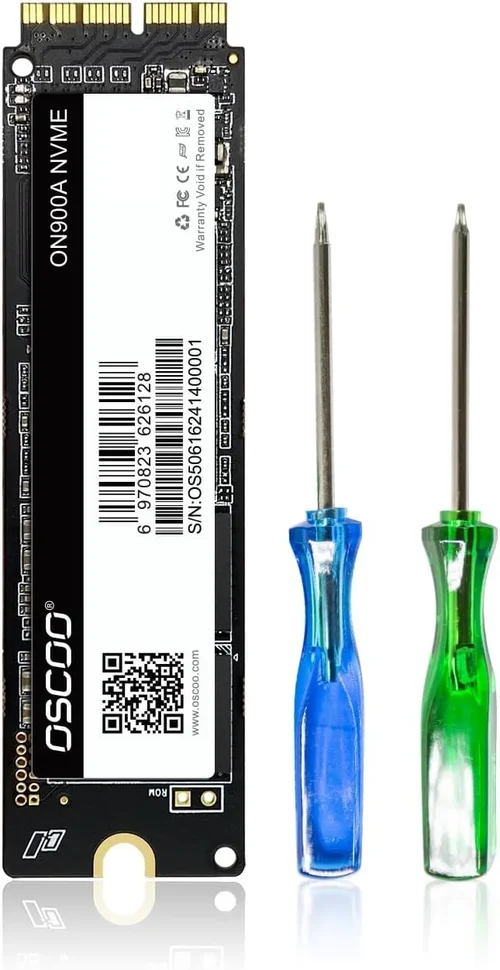
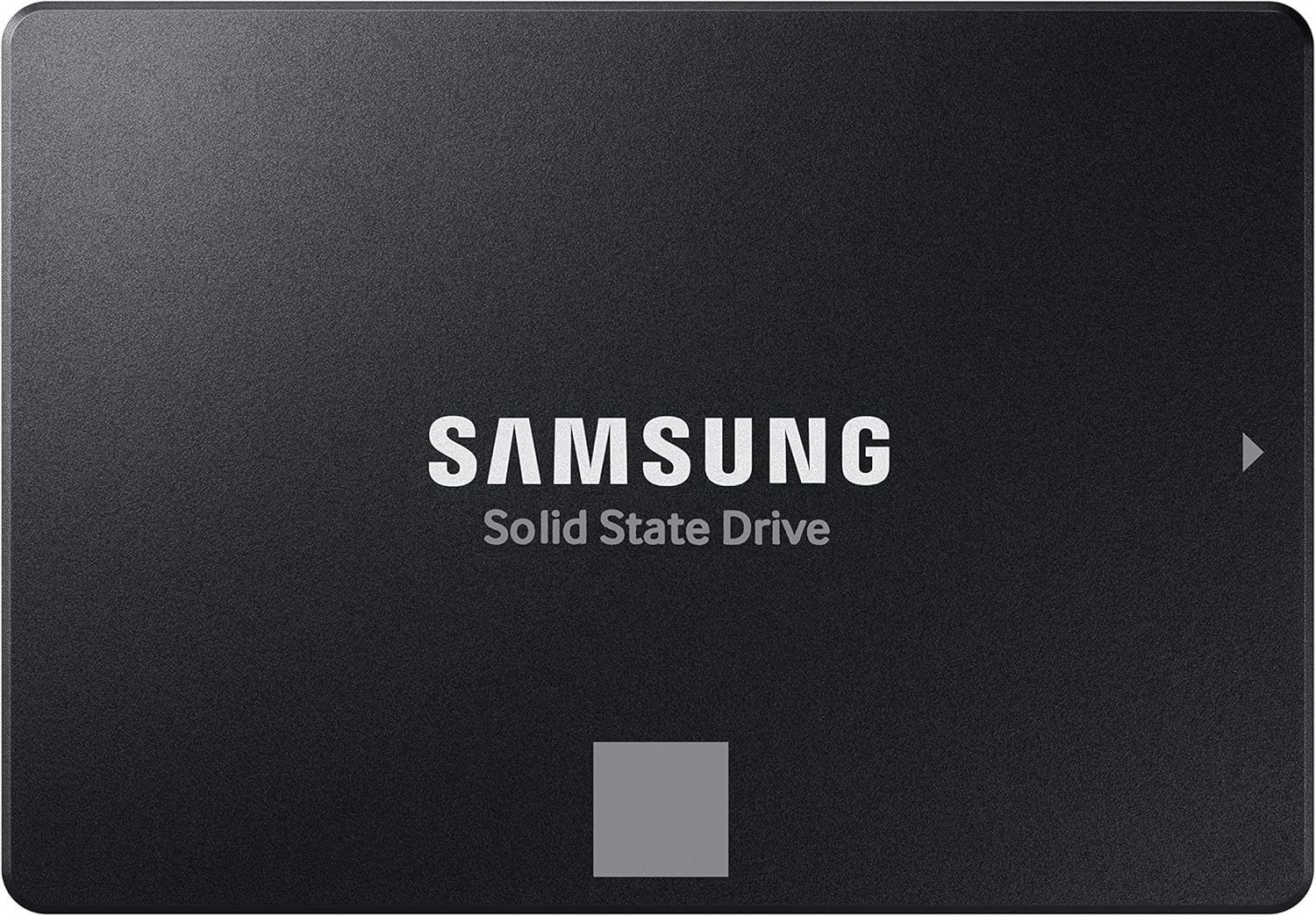
Form factor matters, especially if you’re upgrading a laptop or building a compact PC. The most common SSD form factors are 2.5-inch SATA, M.2 2280, and M.2 2242. The 2.5-inch drives are bulkier and connect via SATA cables, making them ideal for older desktops and laptops with drive bays. M.2 drives are tiny, stick directly onto the motherboard, and come in different lengths—2280 (22mm wide, 80mm long) is the most common.
For portability, M.2 NVMe drives are unbeatable. They’re lightweight, consume less power, and generate less heat—perfect for ultrabooks and small form factor PCs. If you’re building a portable workstation or gaming laptop, an M.2 drive is almost always the better choice. Just make sure your system supports the interface (SATA or NVMe) and has an available M.2 slot.
8. User Reviews & Ratings
While specs and benchmarks are important, real-world user experiences provide invaluable insight. Look for reviews on trusted tech sites like Tom’s Hardware, AnandTech, or PCWorld, but also check customer feedback on retail platforms like Amazon, Newegg, or Best Buy. Pay attention to recurring issues—such as overheating, sudden failures, or poor performance after firmware updates.
User reviews can also highlight quirks not mentioned in official specs. For example, some drives may perform well in benchmarks but suffer from inconsistent speeds during long file transfers. Others might have excellent endurance but poor compatibility with certain motherboards. A drive with thousands of positive reviews and a high average rating is usually a safe bet.
Different Types of Buying Guide

Common Buying Mistakes to Avoid
❌ Mistake: Prioritizing Speed Over Endurance
Why it’s bad: Many buyers focus solely on read/write speeds, ignoring how long the drive will last under real-world use. A drive with blazing speeds but low TBW may fail prematurely if you’re frequently writing large files.
What to do instead: Balance speed with endurance. For heavy workloads, choose a drive with at least 600 TBW for 1TB capacity. Check the manufacturer’s endurance rating and match it to your usage patterns.
❌ Mistake: Buying the Cheapest Drive Available
Why it’s bad: Budget SSDs often use lower-quality NAND and controllers, leading to slower performance, higher failure rates, and shorter lifespans. You might save $20 now but end up replacing the drive in a year.
What to do instead: Invest in a reputable brand with proven reliability. Even a mid-range drive from Samsung or Crucial will outperform the cheapest options in the long run.
❌ Mistake: Ignoring Compatibility
Why it’s bad: Not all SSDs work with all systems. An M.2 NVMe drive won’t fit in a laptop that only supports SATA, and a PCIe 5.0 drive may not be supported on older motherboards.
What to do instead: Check your device’s specifications before buying. Use tools like Crucial’s Advisor or Samsung’s compatibility checker to ensure the drive fits and is supported.
❌ Mistake: Overlooking Thermal Management
Why it’s bad: High-performance NVMe drives can overheat, causing thermal throttling and reduced performance. In compact builds or laptops, this can be a major issue.
What to do instead: Choose drives with built-in heat spreaders or consider adding an aftermarket heatsink. Monitor temperatures using tools like HWInfo or CrystalDiskInfo.
❌ Mistake: Skipping Firmware Updates
Why it’s bad: Outdated firmware can lead to performance issues, bugs, or even data loss. Manufacturers regularly release updates to improve stability and security.
What to do instead: Register your drive and check for firmware updates periodically. Most brands offer easy-to-use tools for updating without data loss.
❌ Mistake: Not Backing Up Before Installation
Why it’s bad: Installing a new SSD often involves cloning or reinstalling your operating system. Without a backup, you risk losing important files.
What to do instead: Always back up your data before making any storage changes. Use cloud storage or an external drive to safeguard your files.
❌ Mistake: Buying More Capacity Than You Need
Why it’s bad: Overspending on a 4TB drive when 1TB would suffice wastes money and may not improve performance. SSDs also perform best when not nearly full.
What to do instead: Assess your actual storage needs. Most users don’t need more than 2TB. Leave at least 10–20% free space for optimal performance.
Budget Guidelines: How Much Should You Spend?
– Entry-Level ($25–$50): Ideal for budget builds or upgrading older systems. Expect SATA or basic NVMe drives with 500GB–1TB capacity. Performance is solid for everyday tasks but may lack endurance and advanced features. Great for students or casual users.
– Mid-Range ($50–$120): The sweet spot for most buyers. You’ll find 1TB–2TB NVMe drives with excellent performance, good endurance, and reliable brands. Perfect for gaming, productivity, and light content creation.
– Premium ($120–$250): For enthusiasts and professionals. These drives offer top-tier speeds (PCIe 4.0/5.0), high TBW ratings, and advanced features like encryption and thermal management. Ideal for video editors, developers, and power users.
– Luxury ($250+): Top-of-the-line models with maximum capacity (4TB+), cutting-edge technology, and enterprise-grade reliability. Best for workstations, servers, or users who demand the absolute best performance and durability.

Expert Tips for Getting the Best Deal
– Buy During Sales Events: Major retailers offer significant discounts during Black Friday, Cyber Monday, Amazon Prime Day, and back-to-school seasons. Sign up for deal alerts from Newegg, Best Buy, or B&H to catch flash sales.
– Compare Prices Across Retailers: Use price comparison tools like Google Shopping or CamelCamelCamel to find the lowest price. Sometimes smaller retailers offer better deals than big-box stores.
– Check for Bundled Deals: Some SSDs come with free software, cloning kits, or extended warranties. These add-ons can increase value without raising the price.
– Consider Refurbished or Open-Box: Certified refurbished drives from reputable sellers often come with full warranties and can save you 20–30%. Just ensure they’re tested and backed by the manufacturer.
– Read Return Policies: Make sure the retailer offers a hassle-free return window (at least 30 days). This gives you time to test the drive and ensure compatibility.
– Test Before Committing: Once installed, run benchmarks and monitor performance. Tools like CrystalDiskMark and AS SSD can help verify speeds. If the drive underperforms, return it while you still can.
– Watch for Firmware Updates: Some drives ship with outdated firmware that limits performance. Check the manufacturer’s website and update before heavy use.
– Don’t Ignore Power Efficiency: For laptops, choose drives with low power consumption to extend battery life. Look for models with advanced power management features.
Frequently Asked Questions
Q: Should I choose SATA or NVMe?
A: NVMe is significantly faster than SATA and is the better choice if your system supports it. SATA is still viable for older systems or budget builds, but NVMe offers superior performance for gaming, multitasking, and large file transfers.
Q: Is PCIe 5.0 worth it in 2026?
A: PCIe 5.0 drives are incredibly fast, but real-world benefits are limited for most users. Unless you’re transferring multi-gigabyte files daily or working with 8K video, PCIe 4.0 offers excellent performance at a lower cost and with better thermal management.
Q: Can I use an SSD in an old laptop?
A: Yes, if it has a 2.5-inch drive bay or an M.2 slot. Many older laptops can be upgraded to SSD for a massive speed boost. Check your model’s compatibility before buying.
Q: How much SSD storage do I really need?
A: For most users, 1TB is the minimum for comfortable use. Gamers and content creators should aim for 2TB or more. If you store media externally or use cloud storage, you can get by with less.
Q: Do SSDs fail suddenly?
A: Unlike HDDs, SSDs don’t make noise when failing, but they often give warnings. Use monitoring tools to check health and wear levels. Most modern SSDs will alert you before failure.
Q: Can I install an SSD alongside my existing HDD?
A: Absolutely. Many users keep their OS and apps on the SSD for speed and use the HDD for bulk storage. This hybrid setup offers the best of both worlds.
Q: Are external SSDs worth it?
A: Yes, for portability and fast file transfers. USB 3.2 Gen 2 or Thunderbolt 3/4 external SSDs offer near-internal speeds and are great for backups, media, or working on the go.
Q: How do I clone my old drive to a new SSD?
A: Use cloning software like Macrium Reflect, Acronis True Image, or the manufacturer’s tool (e.g., Samsung Data Migration). Connect both drives, clone the data, then swap them in your system.
Q: Do SSDs need defragmentation?
A: No. SSDs don’t benefit from defragmentation and it can actually reduce their lifespan. Windows and macOS automatically disable defrag for SSDs and use TRIM instead to maintain performance.
Q: What’s the difference between DRAM and DRAM-less SSDs?
A: DRAM-equipped SSDs have a dedicated memory cache for faster performance and better longevity. DRAM-less drives are cheaper but can slow down under heavy use. For most users, a DRAM SSD is worth the extra cost.
Our Final Recommendations
– Best for Budget-Conscious Buyers: Crucial P3 1TB – A reliable NVMe drive with solid performance, 400 TBW endurance, and a 5-year warranty. Great value under $60.
– Best Overall Value: Samsung 980 Pro 1TB – Excellent PCIe 4.0 performance, 600 TBW, and top-tier reliability. Priced around $90, it’s a favorite among gamers and professionals.
– Best Premium Option: Western Digital Black SN850X 2TB – Blazing-fast speeds, robust build, and advanced thermal management. Ideal for high-end workstations and content creators.
– Best for Beginners: Kingston NV2 1TB – Easy to install, affordable, and compatible with most systems. Perfect for first-time upgraders.
– Best for Advanced Users: Sabrent Rocket 4 Plus 4TB – High capacity, PCIe 4.0 performance, and excellent endurance. Great for developers, editors, and power users who need speed and space.
Conclusion: Making the Right Choice
Choosing the best SSD in 2026 doesn’t have to be overwhelming. By focusing on your specific needs—whether that’s budget, performance, capacity, or compatibility—you can find a drive that delivers real value and lasting performance. Remember, the “best” SSD isn’t always the fastest or most expensive; it’s the one that fits your workflow, your system, and your budget.
Take the time to compare options, read reviews, and consider long-term reliability. A well-chosen SSD can transform your computing experience, making your system faster, more responsive, and more enjoyable to use. Whether you’re upgrading a laptop or building a dream PC, investing in quality storage is one of the smartest moves you can make.
Now that you’re armed with expert knowledge, it’s time to make your choice. Browse our recommendations, check your compatibility, and take advantage of current deals. Your faster, smoother, and more efficient computing experience starts with the right SSD.