

Solid-state drives (SSDs) have revolutionized computing over the past decade, transforming everything from boot times to application responsiveness. Gone are the days of waiting minutes for your operating system to load or files to save—today’s SSDs deliver near-instant access to data, making them essential components in any modern PC, laptop, or workstation. Whether you’re building a high-performance gaming rig, upgrading an aging laptop, or setting up a content creation workstation, choosing the right SSD can dramatically impact your system’s speed, reliability, and overall user experience. With so many brands, form factors, and performance tiers available in 2026, it’s easy to feel overwhelmed. That’s exactly why this expert-level buying guide exists: to cut through the noise and help you make a smart, informed decision based on your specific needs.
In this comprehensive guide, you’ll learn how to evaluate SSDs beyond just capacity and price. We’ll break down the critical factors that separate a good drive from a great one—from NAND flash types and controller quality to endurance ratings and real-world performance benchmarks. You’ll also discover which brands consistently deliver on reliability, innovation, and customer support, and how to avoid common pitfalls that lead to buyer’s remorse. Whether you’re a first-time builder or a seasoned tech enthusiast, this guide will equip you with the knowledge to choose an SSD that offers the best balance of speed, durability, value, and peace of mind. By the end, you’ll not only know what to buy—but why it matters.
The SSD market in 2026 is more competitive than ever, with established giants like Samsung, Western Digital, and Crucial continuing to innovate alongside rising stars such as Kingston, SK hynix, and Phison-powered newcomers. Newer technologies like PCIe 5.0, QLC NAND with advanced caching, and AI-driven wear-leveling algorithms are pushing performance and efficiency boundaries. At the same time, prices have stabilized after years of volatility, making high-capacity drives more accessible than ever. However, not all SSDs are created equal—some prioritize raw speed, others focus on endurance or power efficiency, and many strike a balance for everyday use. Understanding these nuances is key to selecting the right drive for your use case, whether that’s casual browsing, 4K video editing, or competitive gaming.

What to Look for When Buying Buying Guide
1. Budget & Price Range
Your budget is often the first filter when shopping for an SSD, but it shouldn’t be the only one. In 2026, SSD prices have become remarkably consistent across brands for similar capacities and performance tiers, but significant differences emerge when you look at long-term value. Entry-level drives may cost less upfront but could use lower-quality NAND or lack robust controllers, leading to faster degradation or inconsistent performance under load. On the other hand, premium drives offer superior endurance, better thermal management, and longer warranties—features that matter if you plan to keep your system for several years.
When setting your budget, consider not just the initial purchase price but also cost per gigabyte and expected lifespan. For example, a 1TB SSD priced at $80 ($0.08/GB) might seem like a steal, but if it uses QLC NAND with limited write endurance, it may not be ideal for heavy workloads. Conversely, a $120 1TB drive with TLC NAND and a 600 TBW (terabytes written) rating offers better long-term reliability. A good rule of thumb: allocate at least 10–15% of your total PC build budget to storage if performance is a priority. For most users, spending between $70 and $150 for a 1TB drive strikes the right balance between affordability and quality.
2. Performance Specifications
Performance is where SSDs truly shine—and where marketing claims can mislead. Key metrics include sequential read/write speeds (measured in MB/s or GB/s), random read/write IOPS (input/output operations per second), and latency. For consumer use, sequential speeds matter most for large file transfers (like copying videos or loading games), while random IOPS affect everyday responsiveness (opening apps, multitasking, booting up).
In 2026, PCIe 4.0 drives dominate the mainstream market, offering sequential speeds up to 7,000 MB/s, while PCIe 5.0 drives push beyond 10,000 MB/s—but only if your motherboard supports it. Be cautious: real-world performance often falls short of advertised peaks, especially under sustained workloads. Thermal throttling is a common issue with high-speed NVMe drives, so look for models with built-in heatsinks or consider adding an aftermarket one. Also, don’t ignore write speeds—some budget drives have fast reads but sluggish writes, which can bottleneck tasks like video editing or game installations.
3. Build Quality & Durability
Not all SSDs are built to the same standards. Build quality encompasses the type of NAND flash memory (SLC, MLC, TLC, QLC), the controller chip, PCB design, and overall manufacturing consistency. TLC (triple-level cell) NAND remains the sweet spot for most users, offering a good balance of speed, endurance, and cost. QLC (quad-level cell) is cheaper and denser but wears out faster under heavy write loads—ideal for read-heavy tasks like media storage but risky for databases or frequent backups.
The controller is the brain of the SSD, managing data flow, error correction, and wear leveling. Top-tier controllers from companies like Phison, Silicon Motion, and Marvell ensure stable performance and longevity. Cheaper drives may use older or less efficient controllers, leading to performance drops over time. Additionally, look for drives with DRAM cache—a small memory chip that accelerates read/write operations. DRAM-less SSDs exist and can be tempting for budget builds, but they often suffer from slower performance during sustained workloads.
Durability is quantified by TBW (terabytes written) or DWPD (drive writes per day). A 1TB drive with a 600 TBW rating can theoretically write 600TB of data over its warranty period. For context, writing 50GB daily would take over 30 years to reach that limit—so most users won’t hit it. However, higher TBW ratings often correlate with better components and longer lifespans.
4. Features & Functionality
Modern SSDs come packed with features that go beyond basic storage. Encryption support (like AES-256) is essential for business users or anyone handling sensitive data. Many drives now include hardware-based encryption compliant with TCG Opal or IEEE 1667 standards, allowing secure boot and remote wipe capabilities.
Power loss protection (PLP) is another valuable feature, especially for workstations or servers. It ensures data integrity during unexpected shutdowns by using capacitors to complete pending writes. While rare in consumer drives, some premium models include basic PLP. Thermal throttling management is also critical—high-performance NVMe drives can overheat, causing speed drops. Look for drives with dynamic thermal protection or integrated heatsinks.
Software suites are increasingly common. Brands like Samsung, Crucial, and Western Digital offer utilities for drive monitoring, firmware updates, cloning, and optimization. These tools can extend drive life and simplify maintenance. However, avoid bloatware—some utilities are overly complex or unnecessary for average users.
5. Brand Reputation
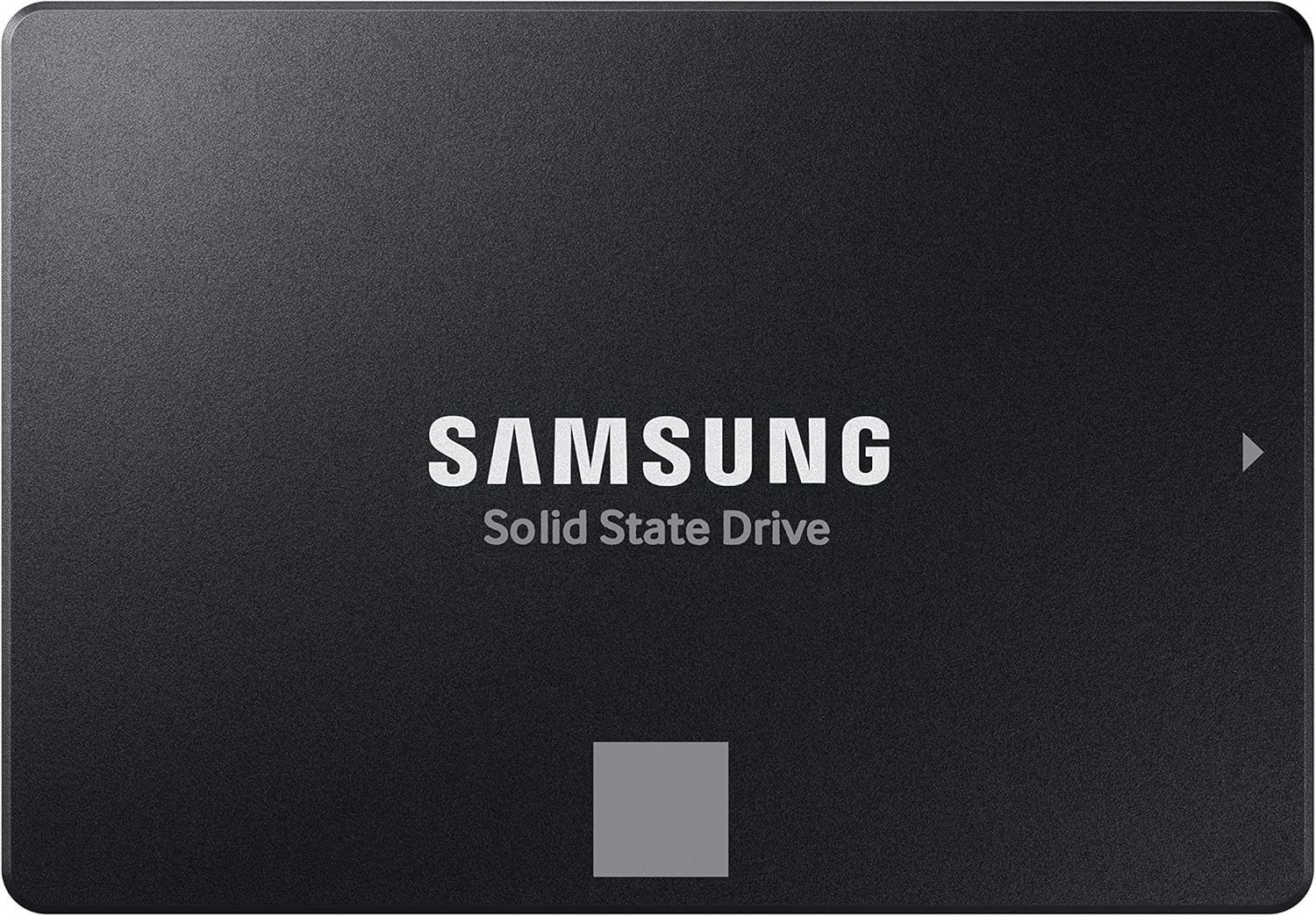
Brand reputation matters because it reflects consistency, innovation, and customer trust. In 2026, a few names consistently rise to the top: Samsung is renowned for its reliability and performance, often setting industry benchmarks with its 990 Pro series. Western Digital (including SanDisk) offers a wide range of options, from budget-friendly Blue drives to high-end Black SN850X models. Crucial, a subsidiary of Micron, leverages in-house NAND production to deliver excellent value and stability.
Other reputable brands include Kingston, known for solid budget and mid-range offerings; SK hynix, which has gained traction with its Platinum P41 and P44 Pro drives; and Corsair, popular among gamers for its MP600 series. Lesser-known brands may offer tempting prices, but they often lack rigorous testing, consistent firmware updates, or responsive support. Stick with established names unless you’re confident in third-party reviews and user feedback.
6. Warranty & Support
A strong warranty is a sign of manufacturer confidence. Most premium SSDs come with 5-year limited warranties, while budget models may offer only 3 years. Pay attention to the terms: some warranties are time-based, others are usage-based (e.g., “5 years or 600 TBW, whichever comes first”). The latter is more consumer-friendly, as it accounts for actual wear.
Customer support quality varies widely. Samsung and Crucial are praised for responsive service and easy RMA processes. Western Digital has improved its support in recent years, though some users report delays. Avoid brands with no clear support channels or complicated return procedures. Also, register your drive upon purchase—many manufacturers require registration to activate the full warranty.
7. Form Factor & Compatibility
SSDs come in several form factors, and compatibility is crucial. The most common types are:
– M.2 NVMe: Compact, fast, and ideal for modern desktops and laptops. Requires an M.2 slot on your motherboard. Available in lengths like 2280 (22mm wide, 80mm long).
– 2.5-inch SATA: Older but still widely used. Connects via SATA cable and power. Slower than NVMe (max ~550 MB/s) but compatible with almost any system.
– M.2 SATA: Looks like NVMe but uses the SATA interface—don’t confuse the two! Check your motherboard specs.
Ensure your system supports the interface (PCIe 3.0, 4.0, or 5.0) and has available slots. Laptops often have limited space, so verify physical dimensions and clearance for heatsinks.
8. User Reviews & Ratings
While professional reviews are valuable, user feedback provides real-world insights. Look for patterns in reviews: if multiple users report the same issue (e.g., sudden failure, poor performance after updates), it’s a red flag. Amazon, Newegg, and Best Buy are good sources, but filter for verified purchases and recent reviews (within the last 6–12 months).
Be wary of fake reviews—overly positive or generic comments (“Great product!”) are often suspicious. Instead, focus on detailed experiences: “Used this drive for 8 months in a video editing rig—no issues, consistent speeds.” Also, check forums like Reddit’s r/buildapc or r/DataHoarder for community-driven advice.
Different Types of Buying Guide

Common Buying Mistakes to Avoid

❌ Mistake: Prioritizing Speed Over Endurance
Why it’s bad: A drive with blazing-fast read speeds but low TBW may fail prematurely under heavy use, especially if you’re editing videos, running VMs, or compiling code. Speed without durability is a short-term gain with long-term risk.
What to do instead: Balance speed with endurance. For most users, a TLC-based drive with at least 300–600 TBW offers the best compromise. If you’re a heavy writer, consider enterprise-grade drives or models with over-provisioning.
❌ Mistake: Ignoring Thermal Management
Why it’s bad: High-speed NVMe drives generate significant heat. Without proper cooling, they throttle performance to prevent damage, negating their speed advantage. This is especially true in small form-factor PCs or laptops.
What to do instead: Choose drives with built-in heatsinks or install an aftermarket M.2 heatsink. Monitor temperatures using tools like HWInfo or CrystalDiskInfo. Avoid overclocking NVMe drives unless your case has excellent airflow.
❌ Mistake: Buying Based Solely on Price
Why it’s bad: The cheapest SSDs often use QLC NAND, lack DRAM, or have weak controllers. They may perform well initially but degrade quickly, leading to data loss or system instability.
What to do instead: Look at cost per gigabyte and long-term value. A slightly more expensive drive with better components and warranty can save money and frustration down the line.
❌ Mistake: Overlooking Compatibility
Why it’s bad: Not all M.2 slots support NVMe—some only accept SATA. Installing an NVMe drive in a SATA-only slot won’t work. Similarly, PCIe 5.0 drives may not be supported on older motherboards.
What to do instead: Check your motherboard manual or manufacturer’s website for supported interfaces and form factors. Use tools like CPU-Z to verify your system specs before buying.
❌ Mistake: Skipping Firmware Updates
Why it’s bad: Firmware bugs can cause performance issues, data corruption, or even drive failure. Manufacturers regularly release updates to fix这些问题.
What to do instead: Register your drive and check for firmware updates every 6–12 months. Use the manufacturer’s official tool (e.g., Samsung Magician, Crucial Storage Executive) to apply updates safely.
❌ Mistake: Assuming All NVMe Drives Are Equal
Why it’s bad: NVMe is a protocol, not a performance guarantee. A budget NVMe drive may be only slightly faster than a SATA SSD, especially in real-world tasks.
What to do instead: Compare benchmarks and reviews. Look for drives with strong random IOPS and consistent write speeds, not just peak sequential numbers.
❌ Mistake: Neglecting Backup Strategies
Why it’s bad: SSDs can fail suddenly without warning, unlike HDDs that often show signs of degradation. Relying solely on an SSD for critical data is risky.
What to do instead: Always maintain backups—use cloud storage, external drives, or NAS systems. Follow the 3-2-1 rule: 3 copies, 2 local (on different media), 1 offsite.
Budget Guidelines: How Much Should You Spend?
– Entry-Level ($50–$80 for 1TB): Ideal for basic computing, web browsing, and light office work. Expect SATA or DRAM-less NVMe drives with modest speeds (500–2,000 MB/s). Brands like Kingston NV2 or Crucial P3 offer decent value here. Avoid for gaming or creative work.
– Mid-Range ($80–$150 for 1TB): The sweet spot for most users. PCIe 4.0 NVMe drives with TLC NAND, DRAM cache, and strong endurance (400–600 TBW). Examples: Samsung 980 Pro, WD Black SN770, Crucial P5 Plus. Great for gaming, multitasking, and moderate content creation.
– Premium ($150–$250 for 1TB): For enthusiasts and professionals. High-end PCIe 4.0 or early PCIe 5.0 drives with top-tier controllers, excellent thermal performance, and 5-year warranties. Models like Samsung 990 Pro, WD Black SN850X, or SK hynix P44 Pro excel here.
– Luxury ($250+ for 1TB): Cutting-edge PCIe 5.0 drives with speeds exceeding 12,000 MB/s, advanced cooling, and enterprise-grade features. Best for 8K video editing, AI workloads, or future-proofing high-end builds. Examples: Corsair MP700 Pro, Sabrent Rocket 5.

Expert Tips for Getting the Best Deal
– Buy During Sales Cycles: SSD prices fluctuate, but major retailers offer deep discounts during predictable periods. Black Friday, Cyber Monday, Amazon Prime Day, and Newegg’s Shell Shocker deals often feature 20–40% off premium drives.
– Compare Retailers: Don’t just check Amazon. Newegg, Best Buy, B&H, and Micro Center often have competitive pricing and bundle deals (e.g., free cloning software or heatsinks). Micro Center is especially known for in-store SSD discounts.
– Consider Refurbished or Open-Box: Certified refurbished drives from reputable sellers (like Samsung Renewed or Best Buy Open-Box) can save 20–30% and often come with full warranties. Test them thoroughly upon arrival.
– Check Return Policies: Ensure the retailer offers at least a 30-day return window. Some brands (like Samsung) allow returns directly through their website, which can be faster than third-party retailers.
– Test Before Committing: If possible, test the drive in your system before finalizing the setup. Run benchmarks, check temperatures, and monitor for errors using SMART data.
– Watch for Bundled Software: Some drives include free software like Acronis True Image for cloning or Adobe Creative Cloud trials. These can add real value.
– Prioritize Warranty Length Over Price: A slightly more expensive drive with a 5-year warranty is often a better investment than a cheaper one with only 3 years.
– Avoid “Too Good to Be True” Deals: If a 2TB NVMe drive is selling for $99, it’s likely counterfeit or defective. Stick to authorized retailers.
Frequently Asked Questions
Q: Is PCIe 5.0 worth it in 2026?
A: For most users, PCIe 4.0 is still more than sufficient. PCIe 5.0 offers double the bandwidth, but real-world gains are minimal unless you’re transferring massive files daily or using specialized applications. It’s best for enthusiasts or those building future-proof systems with PCIe 5.0-compatible motherboards.
Q: Can I use an NVMe SSD in a SATA-only M.2 slot?
A: No. NVMe and SATA use different protocols. An NVMe drive will not work in a SATA M.2 slot, and vice versa. Always check your motherboard’s specifications.
Q: Do I need a heatsink for my NVMe SSD?
A: It depends. High-performance drives (especially PCIe 4.0/5.0) benefit from heatsinks to prevent thermal throttling. If your case has poor airflow or you’re overclocking, a heatsink is recommended. Many drives now include one.
Q: How long do SSDs last?
A: Modern SSDs are extremely durable. With typical use, a 1TB TLC drive can last 10+ years. The TBW rating gives a good estimate—most consumer drives exceed practical usage limits.
Q: Should I enable TRIM?
A: Yes. TRIM helps maintain SSD performance by clearing unused data blocks. It’s enabled by default in Windows, macOS, and most Linux distributions.
Q: Can I recover data from a failed SSD?
A: It’s possible but difficult and often expensive. Unlike HDDs, SSDs don’t always allow physical recovery. Regular backups are essential.
Q: Are external SSDs as fast as internal ones?
A: Not always. USB 3.2 Gen 2×2 (20 Gbps) can match SATA speeds, but Thunderbolt 3/4 is needed to fully utilize NVMe speeds. Check interface compatibility.
Q: Do SSDs need defragmentation?
A: No. Defragmentation is harmful to SSDs and unnecessary. Windows automatically disables it for SSDs.
Q: What’s the difference between TLC and QLC NAND?
A: TLC stores 3 bits per cell, offering better endurance and speed. QLC stores 4 bits, increasing density and lowering cost but reducing lifespan and write performance.
Q: Can I install an OS on an NVMe SSD?
A: Absolutely. In fact, it’s recommended for the fastest boot and load times. Ensure your motherboard supports NVMe booting (most modern ones do).
Our Final Recommendations
– Best for Budget-Conscious Buyers: Crucial P3 1TB – Reliable, PCIe 3.0 NVMe performance at a low price. Great for upgrades or secondary storage.
– Best Overall Value: Samsung 980 Pro 1TB – Excellent balance of speed, endurance, and brand trust. PCIe 4.0 performance with strong real-world reliability.
– Best Premium Option: SK hynix P44 Pro 1TB – One of the fastest consumer SSDs in 2026, with top-tier endurance and efficient power use. Ideal for pros and enthusiasts.
– Best for Beginners: Western Digital Blue SN580 1TB – Easy to install, reliable, and well-supported. Perfect for first-time builders or laptop upgrades.
– Best for Advanced Users: Corsair MP700 Pro 2TB – PCIe 5.0 beast with integrated heatsink and exceptional sustained performance. Built for heavy workloads and future-proofing.
Conclusion: Making the Right Choice
Choosing the best SSD in 2026 isn’t just about picking the fastest or cheapest drive—it’s about aligning your purchase with your actual needs, usage patterns, and long-term goals. Whether you’re upgrading an old laptop, building a high-end gaming PC, or setting up a media server, the right SSD can transform your computing experience. By focusing on key factors like performance, endurance, compatibility, and brand reputation, and avoiding common pitfalls like overpaying for unnecessary speed or ignoring thermal management, you’ll make a decision you won’t regret.
Remember, the “best” SSD is the one that fits your budget, meets your performance requirements, and comes from a brand you trust. Don’t let marketing hype dictate your choice—rely on benchmarks, reviews, and real-world feedback. And always, always back up your data. With the insights from this guide, you’re now equipped to navigate the SSD market with confidence. Take your time, compare your options, and invest wisely. Your future self—and your faster, smoother, more responsive system—will thank you.