
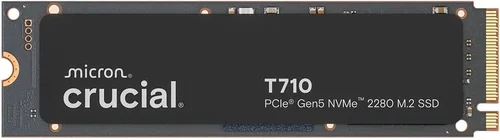
Solid-state drives (SSDs) have revolutionized how we store and access data, replacing older mechanical hard disk drives (HDDs) as the go-to storage solution for modern computers, laptops, gaming consoles, and even servers. If you’re building a new PC, upgrading an aging laptop, or simply looking to speed up your current system, choosing the right SSD is one of the most impactful decisions you can make. Unlike HDDs, which rely on spinning platters and moving read/write heads, SSDs use flash memory—making them faster, quieter, more durable, and significantly more energy-efficient. In 2026, the SSD market is more competitive than ever, with a dizzying array of options spanning different form factors, interfaces, capacities, and price points. With so many choices available, it’s easy to feel overwhelmed—especially when trying to balance performance, reliability, and cost.
This comprehensive buying guide is designed to cut through the noise and help you find the best value SSD for your specific needs. Whether you’re a casual user looking to breathe new life into an older laptop, a gamer wanting faster load times, a content creator handling large video files, or a professional managing critical data, we’ll walk you through everything you need to know. You’ll learn how to evaluate key factors like speed, endurance, compatibility, and warranty, understand the differences between SATA, NVMe, and PCIe Gen4/Gen5 drives, avoid common purchasing pitfalls, and make an informed decision that delivers maximum bang for your buck. By the end of this guide, you’ll not only know what to look for—you’ll also have actionable recommendations tailored to different budgets and use cases.
The SSD landscape in 2026 is shaped by rapid technological advancements, falling prices, and increased consumer demand for high-performance storage. NAND flash technology has evolved significantly, with 3D TLC and QLC memory becoming mainstream, while newer controllers and firmware optimizations have pushed real-world performance to new heights. Meanwhile, the shift toward PCIe Gen4 and the emergence of PCIe Gen5 have opened up exciting possibilities for ultra-fast data transfer rates—though not every user needs such extreme speeds. At the same time, budget-friendly SATA SSDs remain relevant for older systems or secondary storage needs. With major brands like Samsung, Crucial, Western Digital, Kingston, SK hynix, and newer players like TeamGroup and Netac offering compelling options across all tiers, there’s never been a better time to upgrade. This guide will help you navigate this dynamic market with confidence.

What to Look for When Buying Buying Guide
1. Budget & Price Range
Your budget is often the first and most important filter when shopping for an SSD. Prices vary widely depending on capacity, performance tier, brand, and technology used. As of 2026, you can find reliable 1TB SATA SSDs for under $60, while high-end 2TB PCIe Gen5 NVMe drives may cost $300 or more. It’s tempting to go for the cheapest option, but skimping too much can lead to poor performance, lower endurance, or even data loss. Conversely, overspending on features you’ll never use—like blistering Gen5 speeds on a system that doesn’t support it—is equally wasteful.
A good rule of thumb is to allocate 10–15% of your total system budget to storage if you’re building a PC. For example, if you’re spending $1,000 on a mid-range gaming rig, aim for a $100–$150 SSD. This typically gets you a quality 1TB NVMe drive with strong performance and decent endurance. Always compare price per gigabyte (GB)—for instance, a 2TB drive at $0.08/GB is better value than a 1TB at $0.10/GB, even if the upfront cost is higher. Keep an eye on seasonal sales like Black Friday, Prime Day, or back-to-school promotions, where SSD prices often drop significantly.
2. Performance Specifications
Performance is where SSDs truly shine compared to HDDs, but not all SSDs are created equal. The two most important performance metrics are sequential read/write speeds and random IOPS (Input/Output Operations Per Second). Sequential speeds matter most for large file transfers—like copying videos or loading game assets—while random IOPS affect everyday responsiveness, such as booting your OS, launching apps, or multitasking.
For SATA SSDs, the ceiling is around 550 MB/s due to interface limitations. NVMe drives, which connect via PCIe lanes, offer much higher speeds. PCIe Gen3 NVMe drives typically reach 3,500 MB/s, Gen4 models hit 7,000 MB/s or more, and Gen5 drives can exceed 12,000 MB/s. However, real-world gains diminish beyond Gen4 for most users. Unless you’re working with 8K video, scientific datasets, or high-frequency trading systems, Gen5 speeds are overkill and often come with higher costs and heat output.
Also pay attention to mixed workload performance and sustained speeds. Some budget SSDs advertise peak speeds but throttle heavily under prolonged use due to poor thermal management or SLC caching strategies. Look for reviews that test real-world scenarios, not just synthetic benchmarks.
3. Build Quality & Durability
SSDs are inherently more durable than HDDs because they have no moving parts, but not all SSDs are built to the same standard. Key durability factors include NAND type, controller quality, and thermal design. Most consumer SSDs use either TLC (Triple-Level Cell) or QLC (Quad-Level Cell) NAND. TLC offers better endurance and performance, making it ideal for primary drives. QLC is cheaper and allows higher capacities but wears out faster under heavy write loads—better suited for secondary storage or light use.
Endurance is measured in TBW (Terabytes Written), which indicates how much data can be written over the drive’s lifetime. A typical 1TB TLC SSD might have a 600 TBW rating, while a QLC version could be as low as 200 TBW. For context, the average user writes less than 20 TB per year, so even QLC drives last many years under normal use. However, if you’re a video editor or database admin, opt for higher-endurance TLC or even MLC drives.
Thermal throttling is another concern, especially with high-speed NVMe drives. Drives without heatsinks or poor airflow can slow down dramatically during sustained workloads. Some premium SSDs include built-in heatsinks or support for motherboard-mounted coolers—worth considering if you plan to push your system hard.
4. Features & Functionality
Beyond raw speed and capacity, modern SSDs come with a range of features that enhance usability, security, and longevity. One of the most important is DRAM cache. SSDs with dedicated DRAM buffers perform significantly better under mixed workloads and maintain consistent speeds over time. DRAM-less SSDs are cheaper but often rely on slower host memory buffer (HMB) technology, which can lead to performance drops.
Security features like hardware-based AES 256-bit encryption and TCG Opal compliance are essential for business users or anyone handling sensitive data. These allow for full-disk encryption without taxing your CPU. Power-loss protection is another valuable feature—it ensures data integrity during unexpected shutdowns by using capacitors to complete pending writes.
Firmware updates and management tools also matter. Reputable brands offer desktop utilities (like Samsung Magician or Crucial Storage Executive) that let you monitor drive health, update firmware, enable over-provisioning, and optimize performance. These tools can extend your SSD’s life and prevent issues before they arise.
5. Brand Reputation
Not all SSD manufacturers are equal. Stick with established brands known for reliability, consistent performance, and strong customer support. Samsung, Crucial (a Micron brand), Western Digital, Kingston, and SK hynix have proven track records and often use their own NAND and controllers, ensuring tighter quality control. Lesser-known brands may offer tempting prices, but they sometimes cut corners on components or lack robust firmware support.
Brand reputation also affects long-term reliability. Independent testing labs and user communities consistently rank certain drives higher for failure rates and real-world performance. For example, Samsung’s 990 Pro and Crucial’s P5 Plus are frequently cited as top performers in their respective categories. While brand loyalty shouldn’t override your specific needs, it’s a useful heuristic when comparing otherwise similar products.
6. Warranty & Support
A solid warranty is a strong indicator of a manufacturer’s confidence in their product. Most quality SSDs come with a 5-year limited warranty, though some premium models offer up to 6 or even 7 years. Pay attention to whether the warranty is time-based, TBW-based, or both—whichever comes first. For instance, a drive with a 5-year or 600 TBW warranty will expire after five years even if you’ve only written 100 TB.
Customer support quality varies widely. Look for brands that offer responsive technical assistance, easy RMA processes, and clear documentation. Some companies provide expedited replacement services, which can be crucial if your drive fails and you need a quick turnaround. Avoid brands with vague warranty terms or those that require you to pay return shipping for defective units.
7. Size & Portability
While most internal SSDs are standard M.2 2280 (22mm wide, 80mm long) or 2.5-inch SATA form factors, portability becomes important if you’re considering external SSDs or upgrading multiple devices. M.2 drives are compact and ideal for thin laptops or small-form-factor PCs, but they require compatible motherboards. 2.5-inch SATA drives are bulkier but universally compatible with older systems.
For external use, consider USB 3.2 Gen 2 (10 Gbps) or Thunderbolt 3/4 enclosures paired with fast NVMe drives. These can deliver near-internal speeds for on-the-go workflows. However, ensure the enclosure has adequate cooling—some cheap models cause thermal throttling. If you travel frequently or work across multiple machines, a portable SSD like the Samsung T7 Shield or SanDisk Extreme Pro offers ruggedness, speed, and cross-platform compatibility.
8. User Reviews & Ratings
Never rely solely on manufacturer specs or marketing claims. Real-world user reviews—especially from verified purchasers—reveal nuances that lab tests miss. Look for patterns in feedback: Are multiple users reporting early failures? Does performance drop after a few months? Are there compatibility issues with certain motherboards or laptops?
Platforms like Amazon, Newegg, Reddit (r/buildapc, r/DataHoarder), and professional review sites (Tom’s Hardware, AnandTech, StorageReview) are excellent resources. Pay special attention to reviews that include long-term usage reports (6+ months). A drive that performs well out of the box but degrades over time is a red flag. Also, check for firmware update history—some brands quietly fix performance or stability issues post-launch.
Different Types of Buying Guide

Common Buying Mistakes to Avoid
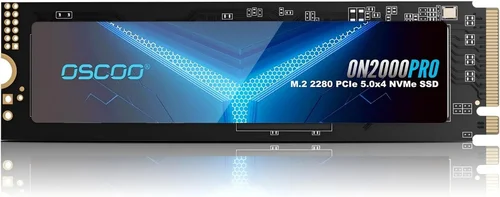
❌ Mistake: Ignoring Interface Compatibility
Why it’s bad: Buying a PCIe Gen4 NVMe drive for a laptop or motherboard that only supports SATA or PCIe Gen3 will result in wasted money or non-functional hardware. Not all M.2 slots support NVMe—some are SATA-only.
What to do instead: Check your device’s manual or manufacturer specs before purchasing. Use tools like CPU-Z or HWiNFO to identify your current storage interface. When in doubt, opt for a universally compatible SATA SSD or confirm NVMe support.
❌ Mistake: Overpaying for Unnecessary Speed
Why it’s bad: PCIe Gen5 SSDs offer incredible speeds, but most users won’t notice the difference in daily tasks. You’re paying a premium for performance that exceeds real-world needs, especially if your CPU, RAM, or software can’t keep up.
What to do instead: Match the SSD to your workload. Gamers and office users get excellent value from Gen3 or Gen4 drives. Reserve Gen5 for specialized applications like 8K video editing or large-scale data processing.
❌ Mistake: Choosing DRAM-less SSDs for Primary Use
Why it’s bad: DRAM-less SSDs cut costs but suffer from inconsistent performance, especially under heavy multitasking or sustained writes. They’re prone to slowdowns and may reduce overall system responsiveness.
What to do instead: Always choose an SSD with a DRAM cache for your primary drive. The performance and longevity benefits far outweigh the slight price increase.
❌ Mistake: Neglecting TBW and Endurance Ratings
Why it’s bad: A low TBW rating means the drive may wear out prematurely if you write large amounts of data regularly. This is especially risky for content creators or developers.
What to do instead: Calculate your expected annual write volume and choose a drive with at least 2–3 times that in TBW. For heavy users, prioritize TLC over QLC NAND.
❌ Mistake: Skipping Firmware Updates
Why it’s bad: Manufacturers often release firmware updates to fix bugs, improve performance, or enhance compatibility. Ignoring these can leave your drive suboptimal or vulnerable to issues.
What to do instead: Install the manufacturer’s SSD management tool and enable automatic update notifications. Check for updates every few months.
❌ Mistake: Buying Based Solely on Price
Why it’s bad: The cheapest SSDs often use inferior components, lack DRAM, or have minimal warranties. You may save $20 upfront but risk data loss or early failure.
What to do instead: Focus on value, not just cost. Consider price per GB, warranty length, brand reputation, and real-user feedback. A slightly more expensive drive can last years longer.
❌ Mistake: Forgetting About Thermal Management
Why it’s bad: High-speed NVMe drives generate significant heat, which can cause throttling and reduce lifespan—especially in laptops or tightly packed PC cases.
What to do instead: Use a heatsink if your case or motherboard supports it. Ensure adequate airflow around the M.2 slot. For laptops, consider drives with lower power draw or built-in thermal regulation.
Budget Guidelines: How Much Should You Spend?
Entry-Level ($40–$80): This tier is perfect for upgrading older systems or adding secondary storage. Expect 500GB–1TB SATA SSDs or budget NVMe Gen3 drives. Brands like Kingston NV2 or Crucial BX500 offer solid reliability at low cost. Performance is adequate for web browsing, office work, and light gaming, but don’t expect blazing speeds or high endurance.
Mid-Range ($80–$150): The sweet spot for most users. Here you’ll find 1TB–2TB NVMe Gen3 or Gen4 drives with DRAM, strong TBW ratings, and reputable brands. Models like the Samsung 980, WD Black SN770, or Crucial P3 Plus deliver excellent real-world performance for gaming, productivity, and creative work. This range offers the best balance of speed, capacity, and price.
Premium ($150–$300): Ideal for enthusiasts, content creators, and power users. These drives feature PCIe Gen4 or Gen5 interfaces, high endurance (600+ TBW), advanced thermal solutions, and top-tier controllers. Examples include the Samsung 990 Pro, WD Black SN850X, or SK hynix Platinum P41. You’ll notice faster load times, smoother multitasking, and better longevity.
Luxury ($300+): Reserved for professionals and extreme workloads. These are high-capacity (4TB+) Gen5 drives with enterprise-grade features like power-loss protection, hardware encryption, and 7-year warranties. While impressive, they’re overkill for 99% of users. Only consider if you’re editing 8K footage, running virtual machines, or managing large databases.
Expert Tips for Getting the Best Deal
- Time your purchase: SSD prices fluctuate throughout the year. Major sales events like Black Friday, Amazon Prime Day, and back-to-school season often feature 20–40% discounts. Sign up for price alerts on sites like CamelCamelCamel or Honey.
- Buy from reputable retailers: Stick with authorized sellers like Amazon (sold by Amazon, not third parties), Newegg, Best Buy, or direct from manufacturers. Avoid unknown eBay or AliExpress sellers offering “too good to be true” deals.
- Compare total cost of ownership: Factor in warranty, expected lifespan, and potential downtime. A $100 drive that lasts 7 years is better value than a $70 drive that fails in 2.
- Check return policies: Ensure the retailer offers at least a 30-day return window. Some brands also provide “no-hassle” replacements for defective units.
- Test before committing: If possible, run benchmarks (CrystalDiskMark, AS SSD) and monitor temperatures after installation. This helps verify real-world performance and thermal behavior.
- Consider refurbished or open-box deals: Many manufacturers sell certified refurbished SSDs with full warranties at significant discounts. These are often as good as new.
- Don’t forget about cloning software: Some brands include free migration tools (e.g., Acronis True Image with WD drives). This saves time and effort when transferring your OS and files.
- Monitor drive health regularly: Use tools like CrystalDiskInfo or the manufacturer’s utility to check SMART data and predict potential failures early.

Frequently Asked Questions
Q: Is NVMe always faster than SATA?
A: Not necessarily. While NVMe drives have higher theoretical bandwidth, real-world differences depend on your usage. For everyday tasks like browsing, office work, or light gaming, the difference between a fast SATA SSD and a Gen3 NVMe drive is minimal. NVMe shines when transferring large files or running I/O-intensive applications.
Q: Can I use a Gen4 SSD in a Gen3 slot?
A: Yes, but it will run at Gen3 speeds. PCIe is backward compatible, so a Gen4 drive will work in a Gen3 M.2 slot—just don’t expect Gen4 performance. Always check your motherboard’s manual to confirm supported generations.
Q: Do I need a heatsink for my NVMe SSD?
A: It depends. If your case has good airflow or you’re using the drive for light tasks, a heatsink may not be necessary. However, for sustained workloads (video editing, rendering, long gaming sessions), a heatsink helps prevent thermal throttling and extends lifespan.
Q: How much SSD storage do I really need?
A: For most users, 1TB is the new sweet spot—enough for the OS, apps, and several games or projects. If you work with large media files, consider 2TB or more. Avoid going below 500GB unless it’s for a secondary drive.
Q: Are external SSDs as fast as internal ones?
A: High-quality external SSDs with USB 3.2 Gen 2 or Thunderbolt can match or exceed internal SATA speeds. However, they won’t reach full NVMe Gen4/Gen5 performance due to interface limits. Still, they’re excellent for portable workflows.
Q: Can SSDs fail suddenly?
A: Yes, but modern SSDs include wear-leveling and error correction to prolong life. Most failures are gradual, with performance degradation or SMART warnings beforehand. Regular backups are essential regardless of drive type.
Q: Should I enable TRIM?
A: Absolutely. TRIM helps maintain SSD performance by allowing the OS to inform the drive which blocks are no longer in use. It’s usually enabled by default in Windows 10/11 and macOS, but you can verify it in Disk Management or System Report.
Q: Is QLC NAND bad?
A: Not inherently. QLC is fine for read-heavy tasks like gaming, media playback, or archival storage. Avoid it for write-intensive workloads or as a primary drive if you frequently install/uninstall large programs.
Q: Do SSDs improve boot time?
A: Dramatically. Even a basic SATA SSD can reduce boot times from minutes (on an HDD) to under 15 seconds. NVMe drives shave off another few seconds, though the difference becomes less noticeable.
Q: Can I mix SSD brands in RAID?
A: Technically yes, but it’s not recommended. Mixing brands can lead to compatibility issues, inconsistent performance, and higher failure risk. If using RAID, stick to identical models.
Our Final Recommendations
Best for Budget-Conscious Buyers: Crucial BX500 1TB SATA SSD – At under $60, this drive offers reliable performance, a 3-year warranty, and easy installation. Perfect for upgrading older laptops or building a budget PC.
Best Overall Value: Samsung 980 1TB NVMe Gen3 – Combines Samsung’s proven reliability with excellent real-world speeds, DRAM cache, and a competitive price. Ideal for gamers and general users seeking a balance of performance and cost.
Best Premium Option: WD Black SN850X 2TB NVMe Gen4 – With speeds up to 7,300 MB/s, robust thermal management, and a 5-year warranty, this drive is built for demanding workloads and future-proofing high-end systems.
Best for Beginners: Kingston NV2 1TB NVMe Gen3 – Simple, affordable, and compatible with most modern systems. Includes Kingston’s SSD Manager tool for easy monitoring and updates.
Best for Advanced Users: SK hynix Platinum P41 2TB NVMe Gen4 – Consistently ranked among the fastest consumer SSDs, with exceptional endurance (1,200 TBW), low latency, and top-tier power efficiency. A favorite among enthusiasts and professionals.
Conclusion: Making the Right Choice
Choosing the best value SSD in 2026 isn’t about finding the fastest or cheapest drive—it’s about matching the right technology to your specific needs, budget, and usage patterns. We’ve covered everything from interface compatibility and endurance ratings to thermal management and brand reliability. Remember, a great SSD doesn’t just store your files—it transforms your entire computing experience, making everything from booting up to loading games feel instant and seamless.
As you evaluate your options, prioritize your must-have features. If you’re on a tight budget, a reliable SATA SSD can still deliver a massive upgrade over an HDD. If you’re building a high-performance rig, investing in a Gen4 NVMe drive with strong endurance ensures longevity and responsiveness. And if you’re a professional handling critical data, don’t skimp on security, warranty, and thermal design.
Ultimately, the best SSD is the one that fits your system, supports your workflow, and offers peace of mind for years to come. Use this guide as your roadmap, consult real user reviews, and don’t hesitate to ask for help in tech communities. With the right choice, you’ll enjoy faster performance, greater reliability, and the satisfaction of a smart, future-ready upgrade. Now go forth—your ideal SSD is out there, and it’s ready to supercharge your digital life.