
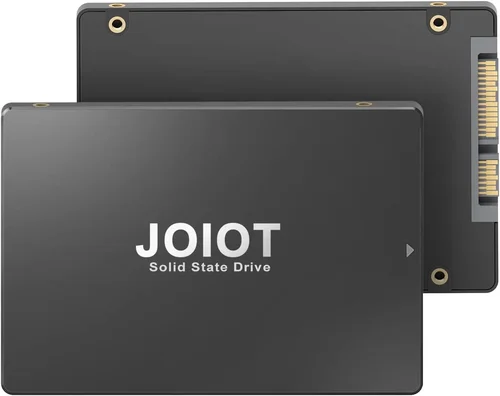
If you’re in the market for a new computer, laptop upgrade, or storage solution in 2026, chances are you’ve been told—repeatedly—that an SSD (Solid State Drive) is non-negotiable. And for good reason: SSDs deliver lightning-fast boot times, near-instant file access, and dramatically improved system responsiveness compared to older storage technologies. But what happens when you simply can’t get an SSD? Maybe supply chain disruptions have made them scarce in your region. Perhaps your budget is tighter than expected. Or maybe you’re working with legacy hardware that doesn’t support modern SSD interfaces like NVMe or even SATA III. Whatever the reason, being unable to install or afford an SSD doesn’t mean you’re stuck with a sluggish, outdated system.
This comprehensive buying guide is designed specifically for those facing SSD limitations in 2026. Whether you’re a student on a tight budget, a small business owner upgrading aging workstations, or a tech enthusiast restoring vintage hardware, we’ll walk you through the best alternatives to SSDs that still deliver solid performance, reliability, and value. You’ll learn how to evaluate different types of non-SSD storage, understand key performance metrics, avoid common pitfalls, and make informed decisions based on your unique needs. By the end of this guide, you won’t just know what to buy—you’ll know why it’s the right choice for your situation.
The storage market in 2026 remains dynamic, with SSDs dominating headlines—but that doesn’t mean other technologies have vanished. In fact, advancements in traditional hard disk drives (HDDs), hybrid drives, and even emerging optical and tape-based solutions have made them more viable than ever as SSD alternatives. While they may not match SSD speeds, many of these options offer compelling trade-offs in capacity, cost-per-gigabyte, durability under certain conditions, and compatibility with older systems. This guide cuts through the noise to help you navigate this evolving landscape with confidence.

What to Look for When Buying Buying Guide
1. Budget & Price Range
Your budget is often the most immediate constraint when SSDs aren’t an option. In 2026, high-capacity SSDs remain relatively expensive per gigabyte compared to traditional alternatives—especially if you need more than 1TB of storage. When evaluating non-SSD options, consider not just the upfront cost but also long-term value. For example, a 4TB HDD might cost half as much as a comparable SSD, freeing up funds for other upgrades like RAM or a better CPU. However, beware of ultra-cheap drives from unknown brands; they often cut corners on components and firmware, leading to higher failure rates. Set a realistic budget range early and prioritize drives that offer the best balance of price, capacity, and reliability within that range.
2. Performance Specifications
Without SSD-level speed, performance becomes a critical differentiator among alternatives. For HDDs, look at rotational speed (RPM)—7200 RPM drives are significantly faster than 5400 RPM models, especially for booting OSes or loading large applications. Cache size (typically 64MB to 256MB) also matters; larger caches improve burst performance during frequent read/write operations. Hybrid drives (SSHDs) combine a small SSD cache (8–64GB) with a traditional HDD platters, offering a middle ground. Pay attention to sustained transfer rates: most modern HDDs deliver 150–200 MB/s, which is adequate for everyday tasks but noticeably slower than even entry-level SATA SSDs (500+ MB/s). If your use case involves heavy multitasking, video editing, or gaming, prioritize higher-RPM drives or consider external SSD caching solutions.
3. Build Quality & Durability
Mechanical drives are inherently more fragile than SSDs due to moving parts—spinning platters and read/write heads. This makes build quality especially important when SSDs aren’t an option. Look for drives with robust casings, shock resistance ratings (often measured in G-force), and features like ramp loading technology that parks the head when not in use. Enterprise-grade or NAS-optimized HDDs (like Western Digital Red or Seagate IronWolf) often include vibration resistance and extended MTBF (Mean Time Between Failures), making them more reliable for 24/7 operation. Avoid refurbished or recertified drives unless they come with full warranties—wear and tear on mechanical components is hard to detect and can lead to premature failure.
4. Features & Functionality
Modern non-SSD drives come with a range of features that can enhance usability and longevity. Power management is crucial for laptops or energy-conscious setups—look for drives with low idle power consumption and advanced sleep modes. Noise levels matter too; some high-performance HDDs can be surprisingly loud under load. For hybrid drives, check whether the caching algorithm is adaptive (learns your usage patterns) or static. Additionally, consider interface compatibility: while most internal drives use SATA III (6 Gb/s), ensure your motherboard supports it. External alternatives like portable HDDs or network-attached storage (NAS) may offer USB 3.2 Gen 2 (10 Gbps) or Thunderbolt 3 support for faster external access. Don’t overlook software bundles—many manufacturers include backup utilities, encryption tools, or cloud integration.
5. Brand Reputation
Not all storage brands are created equal, especially when SSDs aren’t in the picture. Stick with established manufacturers known for reliability and consistent firmware updates. In 2026, Western Digital, Seagate, Toshiba, and HGST (now part of WD) remain the dominant players in the HDD space. These companies invest heavily in R&D, quality control, and customer support. Lesser-known brands might offer tempting prices, but they often lack rigorous testing and long-term reliability data. Check independent reviews from sources like Backblaze’s annual drive stats report, which tracks real-world failure rates across thousands of drives. A reputable brand may cost slightly more upfront but can save you from data loss and replacement headaches down the line.
6. Warranty & Support
Warranty length is a strong indicator of a manufacturer’s confidence in their product. Most consumer HDDs come with 2–3 year warranties, while NAS or enterprise drives often offer 3–5 years. Longer warranties usually correlate with higher build quality and better materials. Pay attention to what’s covered: some warranties exclude physical damage or require original packaging for returns. Also consider support accessibility—can you easily contact customer service? Do they offer data recovery assistance? Some brands, like Seagate, provide limited free data recovery services through partners like DriveSavers for warranty claims. Avoid drives sold without clear warranty terms, especially on third-party marketplaces.
7. Size & Portability
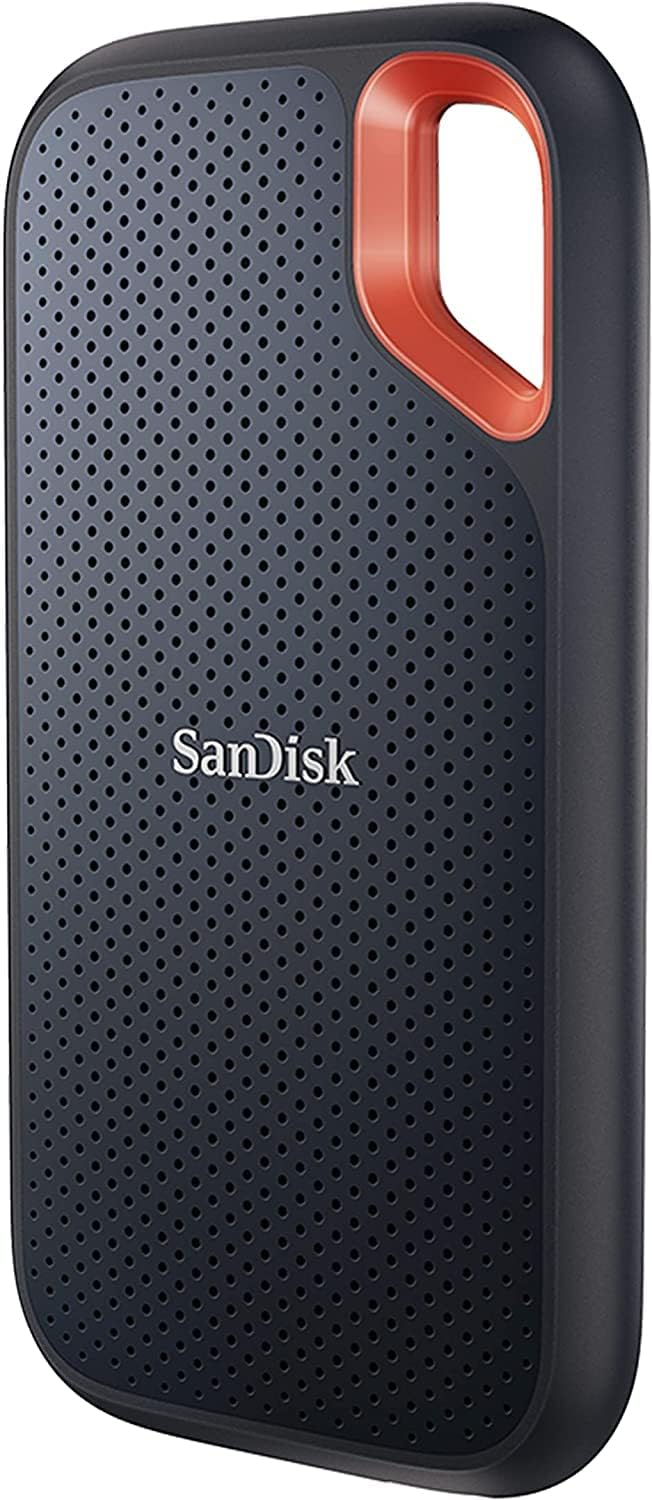
If you’re using a laptop, mini PC, or compact desktop, physical dimensions matter. Standard 3.5-inch HDDs are too large for most laptops but ideal for desktops and NAS enclosures. 2.5-inch drives fit in laptops and portable external enclosures—look for slim (7mm or 9.5mm height) variants if space is tight. Weight is another factor for mobile users; a 2.5-inch HDD typically weighs 100–150 grams, lighter than many external SSDs with rugged casings. For external use, consider portability features like bus-powered operation (no separate power adapter), rubberized grips, or water/dust resistance ratings (IP54 or higher). Remember that portability often comes at the cost of capacity—portable HDDs rarely exceed 5TB, while desktop models go up to 20TB+.
8. User Reviews & Ratings
Never rely solely on manufacturer specs. Real-world user feedback reveals issues that lab tests miss—clicking noises, overheating, sudden disconnects, or firmware bugs. Check aggregated ratings on trusted platforms like Amazon, Newegg, or B&H Photo, but read beyond the stars. Look for detailed reviews mentioning long-term usage (6+ months), specific workloads (e.g., “used for video editing”), and failure experiences. Be wary of fake reviews; genuine ones often include photos, model numbers, and contextual details. Forums like Reddit’s r/buildapc or Tom’s Hardware are excellent for crowd-sourced insights. If multiple users report the same issue—even with a highly rated drive—it’s a red flag worth investigating.
Different Types of Buying Guide
Common Buying Mistakes to Avoid

❌ Mistake: Choosing Capacity Over Reliability
Why it’s bad: It’s tempting to grab the biggest drive for the lowest price, but ultra-high-capacity consumer drives (like 8TB+ models) often use shingled magnetic recording (SMR), which slows down write performance and increases failure risk during heavy use. A failed drive means total data loss—no amount of extra GBs is worth that.
What to do instead: Prioritize drives with conventional magnetic recording (CMR) for active use. Check manufacturer specs or community databases like the SMR Drive List. For archival storage, SMR may be acceptable if you’re only writing once.
❌ Mistake: Ignoring Power and Thermal Requirements
Why it’s bad: High-performance 3.5″ HDDs can draw significant power and generate heat—up to 10W under load. In compact cases or poorly ventilated setups, this can cause thermal throttling or system instability.
What to do instead: Verify your PSU has sufficient wattage headroom and ensure adequate airflow. For small form factor PCs, consider low-power 2.5″ drives or external options.
❌ Mistake: Buying Refurbished Without Warranty
Why it’s bad: Refurbished drives may have hidden wear, especially on bearings and actuators. Without a full warranty, you’re gambling with your data.
What to do instead: Only buy refurbished from reputable sellers (e.g., manufacturer-certified refurbishers) with at least a 1-year warranty. Better yet, stick to new drives.
❌ Mistake: Overlooking Interface Compatibility
Why it’s bad: Older systems may only support SATA II (3 Gb/s), cutting modern SATA III drive performance in half. Conversely, some very old IDE/PATA systems can’t use any SATA drives without adapters.
What to do instead: Check your motherboard manual for supported interfaces. Use SATA III drives even on SATA II systems—they’ll work, just at reduced speed—and avoid IDE unless absolutely necessary.
❌ Mistake: Neglecting Backup Strategy
Why it’s bad: HDDs fail more frequently than SSDs. Relying on a single drive—even a new one—is risky. Many users lose irreplaceable photos, projects, or business data this way.
What to do instead: Implement the 3-2-1 backup rule: 3 copies of your data, on 2 different media, with 1 offsite (e.g., cloud or external drive stored elsewhere).
❌ Mistake: Assuming All “Gaming” Drives Are Equal
Why it’s bad: Some brands market HDDs as “optimized for gaming,” but unless they’re SSHDs or high-RPM models, they offer no real advantage over standard drives.
What to do instead: Focus on specs: 7200 RPM, ≥128MB cache, and low seek time (<9ms). A regular high-performance HDD will serve gamers better than a gimmicky “gaming” label.
Budget Guidelines: How Much Should You Spend?
- Entry-Level ($30–$60): Ideal for basic storage needs like document backups, media libraries, or secondary drives. Expect 500GB–2TB capacities, 5400 RPM speeds, and 2-year warranties. Great for students or casual users who don’t need speed.
- Mid-Range ($60–$120): The sweet spot for most buyers. You’ll find 1TB–4TB drives with 7200 RPM, 128–256MB cache, and 3-year warranties. Hybrid drives and portable externals fall here—perfect for home offices, light creative work, or laptop upgrades.
- Premium ($120–$250): For enthusiasts and professionals needing reliability and performance. NAS-optimized drives, high-capacity CMR HDDs (6TB+), and rugged external drives dominate this tier. Often include 5-year warranties and advanced features like RAID support.
- Luxury ($250+): Top-tier enterprise or specialty drives (e.g., helium-filled, 20TB+ models). These are overkill for most users but essential for data centers, video production studios, or mission-critical backups.
Expert Tips for Getting the Best Deal
- Buy during seasonal sales: Major discounts occur during Black Friday, Cyber Monday, Amazon Prime Day, and back-to-school periods. Sign up for price alerts on sites like CamelCamelCamel or Honey.
- Consider certified refurbished from OEMs: Western Digital and Seagate offer factory-refurbished drives with full warranties at 20–30% off retail.
- Check university or corporate surplus stores: Retired enterprise drives are often sold cheaply and still have plenty of life left.
- Bundle with other components: Some retailers offer discounts when buying HDDs with CPUs, motherboards, or cases.
- Read the fine print on warranties: Some require registration within 30 days. Keep your receipt and packaging.
- Test immediately after purchase: Run SMART diagnostics (using tools like CrystalDiskInfo) and a full surface scan to catch early failures.
- Don’t forget cables and enclosures: If building a system, ensure you have SATA data and power cables. For external use, buy a USB 3.2 Gen 2 enclosure for future-proofing.
- Negotiate on bulk purchases: Buying multiple drives for a NAS or office? Contact distributors directly—they often offer volume pricing.

Frequently Asked Questions
Q: Can I use an HDD as my primary boot drive?
A: Yes, but expect longer boot times (30–60 seconds vs. 10–15 for SSDs) and slower application launches. For best results, pair it with ample RAM (16GB+) to reduce disk swapping.
Q: Are hybrid drives (SSHDs) worth it in 2026?
A: They’re a decent compromise if you can’t afford a full SSD. The SSD cache accelerates frequently used files (OS, apps), but performance drops for uncached data. Ideal for budget builds needing a responsiveness boost.
Q: How long do non-SSD drives typically last?
A: Consumer HDDs average 3–5 years under normal use. NAS drives can last 5–7 years with proper cooling. Back up regularly—no drive is immortal.
Q: Can I recover data from a failed HDD?
A: Possibly, but it’s expensive ($500–$3000+). Professional recovery works best if the drive isn’t physically damaged. Prevention (backups) is far cheaper.
Q: Do I need a special enclosure for external HDDs?
A: Only if building your own. Pre-built externals include enclosures. For DIY, choose one with UASP support and good heat dissipation.
Q: Are 2.5″ HDDs slower than 3.5″ ones?
A: Generally yes—most 2.5″ drives are 5400 RPM due to power and space constraints. Look for 7200 RPM 2.5″ models (e.g., WD Black) if speed is critical.
Q: Can I use an HDD in a RAID array?
A: Absolutely. NAS-optimized drives are designed for RAID. Avoid SMR drives in RAID—they can cause rebuild failures.
Q: Is cloud storage a better alternative?
A: For accessibility and offsite backup, yes. But for large local files (video, games), cloud sync is slow and costly. Use both: HDD for local storage, cloud for backup.
Q: Do HDDs consume more power than SSDs?
A: Yes—especially during spin-up. A 3.5″ HDD can use 6–10W under load vs. 2–5W for an SSD. Significant in laptops or energy-efficient builds.
Our Final Recommendations
- Best for Budget-Conscious Buyers: Seagate BarraCuda 2TB 7200 RPM – Reliable CMR drive with excellent price/performance. Great for desktops needing extra space without breaking the bank.
- Best Overall Value: Western Digital Blue 4TB SSHD – Combines 64GB SSD cache with 4TB HDD capacity. Perfect for users wanting SSD-like speed for OS and apps without full SSD cost.
- Best Premium Option: WD Red Plus 8TB NAS HDD – CMR technology, 5-year warranty, and optimized for 24/7 operation. Ideal for home servers or RAID setups.
- Best for Beginners: Toshiba Canvio Basics 2TB Portable HDD – Simple plug-and-play external drive with USB 3.0. No setup, reliable, and affordable for basic backup needs.
- Best for Advanced Users: Seagate IronWolf 12TB NAS HDD – Includes IronWolf Health Management, RV sensors, and AgileArray firmware. Built for multi-bay NAS environments with heavy workloads.
Conclusion: Making the Right Choice
Choosing the right storage solution without an SSD in 2026 doesn’t have to mean settling for sluggish performance or unreliable hardware. By understanding your priorities—whether it’s budget, capacity, portability, or longevity—you can select a non-SSD alternative that meets your needs effectively. Remember: the “best” drive isn’t always the fastest or cheapest—it’s the one that aligns with your workflow, environment, and future plans.
We’ve covered everything from key buying factors and common pitfalls to expert tips and real-world recommendations. Now it’s your turn to act. Don’t rush into a purchase based on marketing hype or fleeting deals. Take time to assess your system’s compatibility, define your storage goals, and prioritize reliability over raw specs. And whatever you choose, commit to a solid backup strategy—because no storage medium, SSD or otherwise, is immune to failure.
If you’re still unsure, start small: upgrade a secondary drive first, test performance, and scale up as needed. The world of non-SSD storage in 2026 offers more options and better value than ever before. With the insights from this guide, you’re equipped to make a smart, confident decision—even without an SSD in sight.