

The world of solid-state drives (SSDs) has evolved dramatically over the past decade, transforming from a niche upgrade for early adopters into a mainstream necessity for anyone serious about computing performance. Whether you’re building a high-end gaming rig, upgrading an aging laptop, or setting up a workstation for content creation, the SSD interface you choose can make or break your system’s speed, compatibility, and future-proofing potential. With so many interface options available—SATA, NVMe, M.2, U.2, PCIe Gen3, Gen4, and now Gen5—it’s easy to feel overwhelmed. That’s exactly why this expert-level buying guide exists: to cut through the noise and give you the knowledge you need to make a smart, informed decision in 2026.
In this comprehensive guide, you’ll learn not just what the best SSD interface is, but why it matters for your specific use case. We’ll break down the technical differences between interfaces, explain how they impact real-world performance, and help you align your choice with your budget, hardware, and performance goals. You’ll discover which interfaces are ideal for gamers, content creators, enterprise users, and everyday consumers. We’ll also cover common pitfalls, budget considerations, and insider tips to help you get the best value. By the end, you’ll have a clear roadmap to selecting the perfect SSD interface—no guesswork, no confusion, just confidence in your purchase.
The SSD market in 2026 is more competitive and diverse than ever. Major players like Samsung, Western Digital, Crucial, Kingston, and Sabrent continue to push the boundaries of speed and reliability, while newer brands offer compelling alternatives at lower price points. Interfaces have become the defining factor in SSD performance, with NVMe over PCIe leading the charge in raw throughput. However, not every user needs bleeding-edge speeds. For some, a reliable SATA SSD is more than sufficient. Our goal is to help you understand the full spectrum of options so you can choose not just the fastest, but the right SSD interface for your needs.

What to Look for When Buying Buying Guide
1. Performance Specifications
When evaluating SSD interfaces, performance is often the first thing people consider—and for good reason. The interface directly determines how fast data can move between your storage and your system. Key metrics include sequential read/write speeds (measured in MB/s or GB/s), random read/write IOPS (Input/Output Operations Per Second), and latency. For example, a SATA III SSD maxes out at around 550 MB/s due to the interface bottleneck, while a PCIe Gen4 NVMe drive can reach over 7,000 MB/s. If you’re editing 4K video, compiling large codebases, or running virtual machines, higher throughput and lower latency are critical.
But raw speed isn’t everything. Real-world performance also depends on how well the drive handles sustained workloads. Some budget NVMe drives may advertise high peak speeds but throttle under prolonged use due to poor thermal management. Always look for reviews that test sustained performance, not just synthetic benchmarks. Additionally, consider queue depth—the number of operations the drive can handle simultaneously. Higher queue depths benefit multitasking and server-like workloads.
2. Compatibility with Your System
No matter how fast an SSD is, it’s useless if your system can’t use it. Compatibility is arguably the most important factor when choosing an SSD interface. Start by checking your motherboard or laptop specifications. Does it have an M.2 slot? If so, what type? M.2 slots can support both SATA and NVMe protocols, but not all do. Some older M.2 slots only work with SATA-based M.2 drives, while newer ones support NVMe over PCIe.
For desktops, ensure your motherboard has the necessary PCIe lanes and M.2 or U.2 connectors. Laptops are more restrictive—many only have one M.2 slot, and some use proprietary form factors. Also, consider the physical size: M.2 drives come in lengths like 2242, 2260, and 2280 (the most common). Make sure your system supports the length you’re buying. For older systems, a 2.5-inch SATA SSD might be your only option, even if it’s slower.
3. Budget & Price Range
SSD prices have dropped significantly in recent years, but the cost still varies widely based on interface, capacity, and brand. SATA SSDs remain the most affordable, with 1TB models often under $60. NVMe drives, especially PCIe Gen4 and Gen5 models, command a premium. A 1TB Gen4 NVMe SSD might cost $80–$120, while Gen5 drives can exceed $200 for the same capacity.
When budgeting, consider total cost of ownership. A cheaper SSD might save you money upfront but could fail sooner or lack features like power-loss protection. Also, factor in the cost of adapters or enclosures if you’re upgrading an older system. For most users, a mid-range NVMe drive offers the best balance of price and performance. Only go premium if you have a specific need for extreme speed or enterprise-grade reliability.
4. Build Quality & Durability
SSDs are generally more durable than HDDs because they have no moving parts, but build quality still varies. Look for drives with high endurance ratings, measured in TBW (Terabytes Written). A higher TBW means the drive can handle more data written over its lifetime. For example, a consumer drive might be rated for 600 TBW, while an enterprise model could exceed 3,000 TBW.
Check the NAND type: TLC (Triple-Level Cell) is common and offers a good balance of speed, endurance, and cost. QLC (Quad-Level Cell) is cheaper and denser but wears out faster under heavy writes. SLC and MLC are more durable but rare in consumer drives. Also, consider the controller—the brain of the SSD. Reputable controllers from companies like Phison, Silicon Motion, or Samsung’s in-house designs tend to offer better performance and longevity.
Thermal management is another durability factor. High-speed NVMe drives generate significant heat, which can cause throttling or reduce lifespan. Look for drives with built-in heatsinks or consider adding an aftermarket one, especially if your case has poor airflow.
5. Features & Functionality
Modern SSDs come with a range of features that go beyond basic storage. One of the most important is DRAM cache. Drives with DRAM can map data locations more efficiently, improving performance and longevity. DRAM-less SSDs are cheaper but may slow down under heavy workloads.
Another key feature is encryption. Many SSDs support hardware-based AES 256-bit encryption, which is faster and more secure than software encryption. This is especially important for business users or anyone handling sensitive data. Some drives also include power-loss protection, which prevents data corruption during unexpected shutdowns.
Firmware updates are often overlooked but crucial. A drive with regular firmware updates can receive performance improvements, bug fixes, and security patches. Check the manufacturer’s support page to see how frequently they release updates.
6. Brand Reputation & Reliability
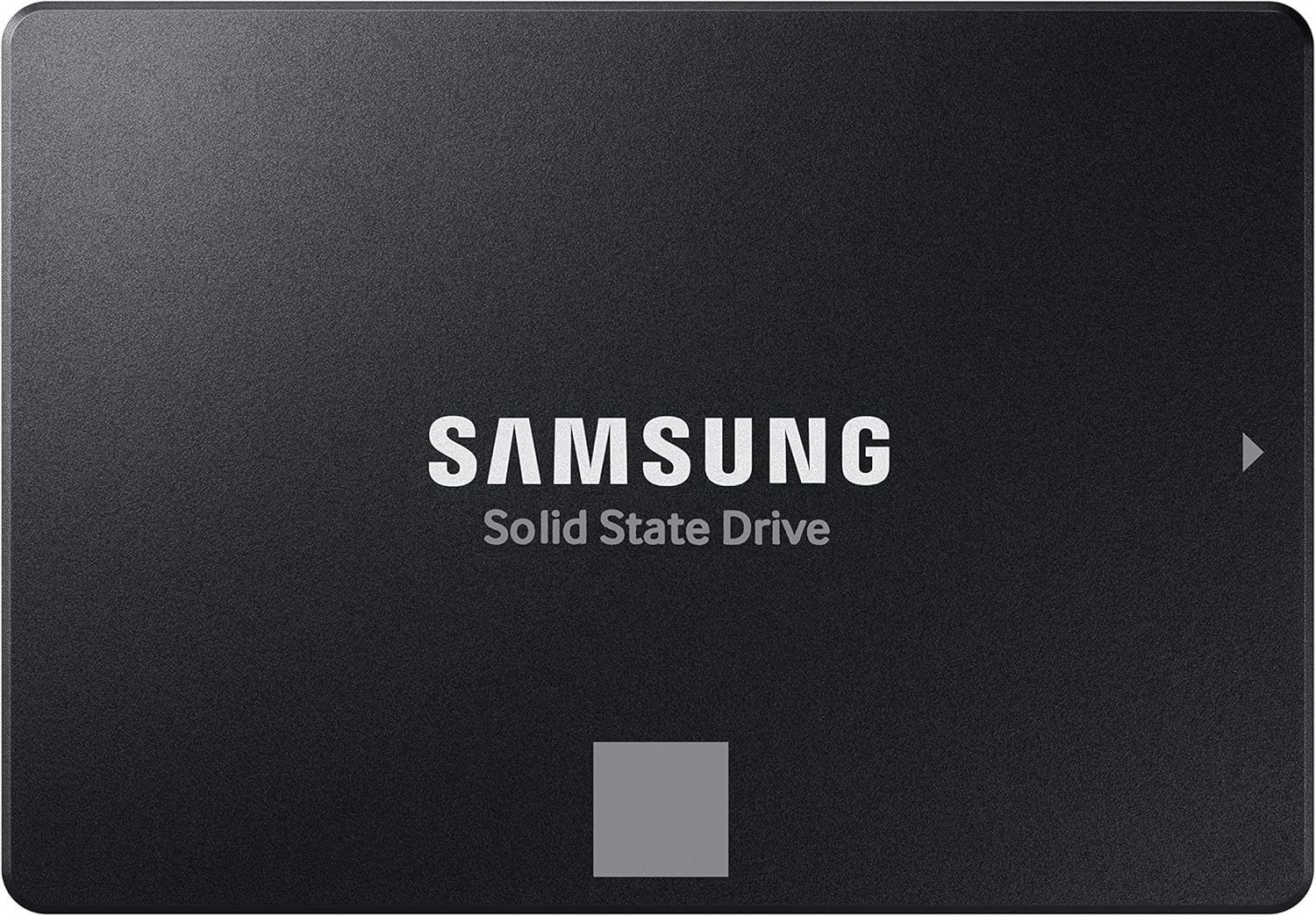
Not all SSD brands are created equal. Established brands like Samsung, Western Digital, Crucial, and Kingston have a proven track record of reliability and performance. Samsung’s 990 Pro, for example, is widely regarded as one of the best consumer NVMe drives available. Western Digital’s Black SN850X is another top contender.
Newer or lesser-known brands may offer tempting prices, but they often cut corners on components or lack robust customer support. Reading long-term user reviews can reveal issues like early failure rates or poor thermal performance. Stick with reputable brands unless you’re willing to take a risk for a lower price.
Also, consider the ecosystem. Some brands offer companion software for drive monitoring, cloning, and optimization. Samsung Magician and Western Digital Dashboard are excellent examples. These tools can extend the life of your drive and simplify maintenance.
7. Warranty & Support
A good warranty is a strong indicator of a manufacturer’s confidence in their product. Most consumer SSDs come with a 3- to 5-year warranty, often tied to TBW limits. For example, a drive might offer a 5-year warranty or 600 TBW, whichever comes first. Enterprise drives may have longer warranties or even lifetime coverage.
Check the terms carefully. Some warranties require registration, while others are void if the drive is used in a server or NAS. Also, consider the support experience. Can you easily contact customer service? Do they offer replacement drives quickly? Brands like Samsung and Crucial are known for responsive support, while others may leave you waiting.
8. Future-Proofing & Upgrade Path
Technology moves fast, and today’s cutting-edge interface might be obsolete in a few years. When choosing an SSD interface, consider how long you plan to keep your system. If you’re building a new PC in 2026, investing in a PCIe Gen4 or Gen5 NVMe drive makes sense—it’ll remain relevant for years.
However, if you’re upgrading an older system, future-proofing is less critical. A SATA SSD might be the only viable option, and that’s okay. The key is to match the interface to your system’s lifespan. Also, consider whether your motherboard supports multiple M.2 slots. This allows you to add faster drives later without replacing your primary storage.
Different Types of Buying Guide

Common Buying Mistakes to Avoid

❌ Mistake: Ignoring Compatibility
Why it’s bad: Buying a PCIe Gen4 NVMe drive for a motherboard that only supports Gen3 is a waste of money. You won’t get the full speed benefit, and in some cases, the drive might not work at all. Similarly, installing an M.2 drive in a slot that only supports SATA will result in poor performance or failure to boot.
What to do instead: Always verify your system’s specifications before purchasing. Check the motherboard manual or use tools like CPU-Z to identify available slots and supported protocols. When in doubt, contact the manufacturer or consult online forums.
❌ Mistake: Overpaying for Speed You Don’t Need
Why it’s bad: A PCIe Gen5 SSD might offer 10,000+ MB/s, but if you’re just browsing the web, streaming videos, or using office applications, you won’t notice the difference. You’re essentially paying a premium for performance that remains unused.
What to do instead: Match the interface to your workload. For everyday use, a Gen3 NVMe or even a SATA SSD is sufficient. Save the high-end drives for tasks that benefit from speed, like video editing or game loading.
❌ Mistake: Choosing DRAM-less SSDs for Heavy Use
Why it’s bad: DRAM-less SSDs use system memory (HMB) to map data, which can slow down under heavy workloads. They’re fine for light tasks but may struggle with multitasking or large file transfers.
What to do instead: For anything beyond basic use, opt for a drive with a dedicated DRAM cache. The performance and longevity benefits far outweigh the small price difference.
❌ Mistake: Neglecting Thermal Management
Why it’s bad: High-speed NVMe drives can reach temperatures over 70°C under load, causing thermal throttling. This reduces performance and can shorten the drive’s lifespan.
What to do instead: Use a heatsink if your case supports it, or choose a drive with a built-in heatsink. Ensure good airflow in your system, especially around the M.2 slot.
❌ Mistake: Skipping Firmware Updates
Why it’s bad: Outdated firmware can lead to bugs, security vulnerabilities, and suboptimal performance. Some drives have received significant speed improvements via updates.
What to do instead: Download the manufacturer’s SSD management software and check for updates regularly. Enable automatic notifications if available.
❌ Mistake: Buying Based on Price Alone
Why it’s bad: The cheapest SSD might use low-quality NAND or a weak controller, leading to early failure or data loss. Price should be one factor, not the only one.
What to do instead: Balance cost with reviews, warranty, and brand reputation. A slightly more expensive drive from a trusted brand is often a better long-term investment.
❌ Mistake: Not Checking Warranty Terms
Why it’s bad: Some warranties are void if the drive is used in certain environments (e.g., servers) or if the TBW limit is exceeded. You might think you’re covered, but the fine print says otherwise.
What to do instead: Read the warranty terms carefully. Register your drive if required, and keep records of purchase and usage.
Budget Guidelines: How Much Should You Spend?
Entry-Level ($40–$70): This range covers 1TB SATA SSDs and budget M.2 SATA drives. Ideal for upgrading older systems or building a basic PC. Expect speeds around 500 MB/s and decent endurance. Brands like Crucial and Kingston offer reliable options here.
Mid-Range ($70–$120): The sweet spot for most users. Includes 1TB PCIe Gen3 and entry-level Gen4 NVMe drives. You’ll get speeds from 3,000 to 5,000 MB/s, DRAM cache, and solid build quality. Great for gaming, productivity, and light content creation.
Premium ($120–$200): High-performance Gen4 NVMe drives with speeds over 7,000 MB/s. Often include heatsinks, high TBW ratings, and advanced features like power-loss protection. Best for professionals and enthusiasts.
Luxury ($200+): PCIe Gen5 NVMe drives and enterprise-grade SSDs. These offer cutting-edge speeds (10,000+ MB/s), extreme endurance, and robust reliability. Only necessary for specialized workloads like AI training, 8K video editing, or server applications.

Expert Tips for Getting the Best Deal
- Buy during sales events: Black Friday, Cyber Monday, and Amazon Prime Day often feature deep discounts on SSDs. Sign up for deal alerts from retailers like Newegg, Amazon, and Best Buy.
- Compare prices across retailers: Use tools like PCPartPicker or Google Shopping to find the lowest price. Don’t forget to factor in shipping and return policies.
- Check refurbished or open-box options: Reputable sellers like Amazon Renewed or Best Buy offer certified pre-owned SSDs at lower prices, often with full warranties.
- Consider capacity upgrades: Sometimes, a 2TB drive is only slightly more expensive than a 1TB model. If you plan to keep the drive for years, the extra space is worth it.
- Read long-term reviews: Look for reviews that test the drive over weeks or months, not just benchmarks. Real-world performance and reliability matter more than peak numbers.
- Use manufacturer tools: Samsung Magician, WD Dashboard, and Crucial Storage Executive can help you monitor health, update firmware, and optimize performance.
- Don’t ignore return policies: Ensure you can return the drive if it’s defective or incompatible. Some retailers offer 30-day returns, while others may charge restocking fees.
Frequently Asked Questions
Q: Can I use an NVMe SSD in a SATA-only M.2 slot?
A: No. NVMe SSDs require a PCIe connection and will not work in a slot that only supports SATA. However, some M.2 slots support both—check your motherboard manual to confirm.
Q: Is PCIe Gen5 worth it in 2026?
A: For most users, no. While Gen5 offers incredible speeds, real-world benefits are minimal unless you’re working with massive files or specialized applications. Gen4 remains the best balance of speed and value.
Q: Do I need a heatsink for my NVMe SSD?
A: It depends. If your case has good airflow and the drive isn’t under constant heavy load, you might not need one. But for sustained workloads or compact builds, a heatsink is highly recommended.
Q: Can I boot from an NVMe SSD?
A: Yes, as long as your motherboard supports NVMe boot. Most modern systems do, but older ones may require a BIOS update.
Q: Are DRAM-less SSDs bad?
A: Not necessarily. They’re fine for light use, but for heavy workloads, a DRAM-equipped drive will perform better and last longer.
Q: How do I clone my old drive to a new SSD?
A: Use cloning software like Macrium Reflect, Acronis True Image, or the manufacturer’s tool. Connect both drives, clone the data, and then swap them in your system.
Q: What’s the difference between M.2 and U.2?
A: M.2 is a small form factor used in consumer devices, while U.2 is a larger connector typically found in servers. U.2 drives offer higher endurance and are used in enterprise environments.
Q: Can I use an SSD as a cache drive?
A: Yes, some systems support SSD caching (e.g., Intel Rapid Storage Technology). This uses a small SSD to speed up a larger HDD, but it’s less common today with affordable NVMe drives.
Q: How long do SSDs last?
A: Most consumer SSDs last 5–10 years under normal use, depending on TBW and workload. Modern drives are very reliable, and failure due to wear is rare.
Q: Should I defragment my SSD?
A: No. Defragmentation is unnecessary and can reduce the lifespan of an SSD. Windows and macOS automatically optimize SSDs using TRIM.
Our Final Recommendations
Best for Budget-Conscious Buyers: Crucial MX500 (1TB SATA) – Reliable, affordable, and widely compatible. Perfect for upgrading older systems.
Best Overall Value: Samsung 980 Pro (1TB PCIe Gen4) – Excellent performance, strong endurance, and trusted brand. Great for gamers and creators.
Best Premium Option: WD Black SN850X (2TB PCIe Gen4) – Top-tier speed, built-in heatsink, and robust software suite. Ideal for high-end builds.
Best for Beginners: Kingston NV2 (1TB PCIe Gen3) – Easy to install, good performance, and low cost. A great first NVMe drive.
Best for Advanced Users: Sabrent Rocket 5 (1TB PCIe Gen5) – Blazing-fast speeds, excellent cooling, and future-proof design. For those who demand the best.
Conclusion: Making the Right Choice
Choosing the best SSD interface isn’t about picking the fastest or most expensive option—it’s about finding the right balance of performance, compatibility, and value for your specific needs. Whether you’re a casual user upgrading an old laptop or a professional building a high-performance workstation, the interface you select will have a lasting impact on your system’s speed and reliability.
Remember to prioritize compatibility first, then match the interface to your workload and budget. Don’t fall for marketing hype—real-world performance and long-term reliability matter more than peak benchmarks. Use the tips and recommendations in this guide to navigate the market with confidence.
Ultimately, the best SSD interface is the one that fits your system, meets your performance goals, and delivers lasting value. Take your time, do your research, and invest wisely. Your future self will thank you every time your computer boots up in seconds or loads a game without delay.