

When it comes to upgrading or replacing your Mac’s storage, choosing the right solid-state drive (SSD) isn’t just about speed—it’s about compatibility, longevity, and future-proofing your investment. Whether you’re a creative professional editing 4K video on a MacBook Pro, a student relying on a MacBook Air for coursework, or a developer compiling code on a Mac Studio, your SSD directly impacts performance, reliability, and overall user experience. With Apple’s shift toward soldered storage in many newer models and the increasing complexity of NVMe protocols, M.2 form factors, and Thunderbolt connectivity, navigating the SSD landscape can feel overwhelming. That’s why this comprehensive guide exists: to cut through the noise and help you make an informed decision tailored to your specific Mac model, workflow, and budget.
In this guide, you’ll learn everything you need to know to pick the best SSD for your Mac in 2026. We’ll break down the critical factors that influence SSD performance and compatibility—from interface types and physical dimensions to endurance ratings and firmware support. You’ll discover how different SSD formats (like internal PCIe, external Thunderbolt, and USB-C drives) serve distinct use cases, and we’ll compare real-world performance across popular models. Whether you’re looking to replace a failing drive, expand storage on an older Mac, or build a high-speed external array for video editing, this guide will arm you with expert insights, practical tips, and actionable recommendations. By the end, you’ll not only understand what makes one SSD better than another for macOS but also how to avoid costly mistakes and get the best value for your money.
The SSD market in 2026 is more dynamic than ever. Apple continues to refine its hardware architecture, with newer Macs leveraging the M-series chips’ unified memory and optimized storage controllers. Meanwhile, third-party manufacturers have responded with increasingly sophisticated NVMe drives, compact enclosures, and software tools designed specifically for macOS. However, not all SSDs are created equal—some offer blazing-fast read/write speeds but lack macOS TRIM support, while others prioritize durability over raw performance. Add in considerations like encryption compatibility (FileVault), thermal throttling under sustained loads, and the growing importance of energy efficiency for battery-powered MacBooks, and it’s clear why a one-size-fits-all approach simply won’t work. This guide will walk you through every layer of the decision-making process, ensuring you choose an SSD that enhances—not hinders—your Mac experience.

What to Look for When Buying Buying Guide
1. Compatibility with Your Mac Model
Before considering speed or capacity, the most important factor is whether the SSD will physically and logically work with your Mac. Apple has used several storage interfaces over the years, and using the wrong type can result in a drive that doesn’t fit, isn’t recognized, or performs poorly. For example, older MacBooks (pre-2016) often used proprietary Apple SSDs with unique connectors, while newer models (2016 and later) typically use standard M.2 NVMe drives—but not always in the same keying or length. Even within the M.2 standard, there are variations: some Macs require 2280-sized drives (22mm wide, 80mm long), while others may need shorter 2230 or 2242 modules. Additionally, Intel-based Macs and Apple Silicon Macs handle storage differently; M1/M2/M3 Macs have deeply integrated storage controllers that may not recognize third-party drives without proper firmware or formatting.
To ensure compatibility, always check your Mac’s exact model identifier (found under “About This Mac” > “System Report” > “Hardware” > “Model Identifier”) and cross-reference it with manufacturer specifications. Tools like OWC’s Drive Selection Guide or Crucial’s System Scanner can help automate this process. If you’re upgrading an older Mac with replaceable storage, verify whether your model supports NVMe or only SATA-based SSDs—many mid-2010s MacBooks, for instance, are limited to SATA speeds even if they use an M.2 slot. For external SSDs, confirm that your Mac has the necessary ports (Thunderbolt 3/4, USB-C 3.2 Gen 2, etc.) and that the drive’s protocol matches your port’s capabilities to avoid bottlenecking.
2. Performance Specifications
SSD performance is measured primarily by sequential read/write speeds (in MB/s or GB/s) and random IOPS (Input/Output Operations Per Second). For most Mac users, sequential speeds matter most for large file transfers—such as importing video footage, loading large design files, or backing up Time Machine archives. Random IOPS, on the other hand, affect everyday responsiveness: app launches, system boot times, and multitasking smoothness. In 2026, high-end NVMe SSDs can deliver sequential reads exceeding 7,000 MB/s and writes over 6,500 MB/s, especially when paired with Thunderbolt 4 or USB4 interfaces. However, real-world gains depend heavily on your Mac’s hardware. An M3 Max MacBook Pro with a Thunderbolt 4 port will fully utilize a 7,000 MB/s drive, but an older Intel MacBook Air capped at USB 3.1 Gen 1 (5 Gbps) won’t see benefits beyond ~500 MB/s.
Look for drives that publish both peak and sustained performance metrics. Many SSDs advertise maximum speeds under ideal conditions (short bursts, low temperatures), but performance can drop significantly during prolonged workloads due to thermal throttling. High-quality drives include advanced controllers and NAND flash that maintain consistent speeds even under load. Also consider the interface: PCIe 4.0 drives offer roughly double the bandwidth of PCIe 3.0, but only if your Mac supports it. As of 2026, most Apple Silicon Macs support PCIe 4.0 internally, while external drives may leverage USB4 or Thunderbolt for even higher throughput. Always match the drive’s performance tier to your actual needs—overpaying for 7,000 MB/s speeds on a machine that can only use half of that is wasteful.
3. Capacity and Future-Proofing
Storage capacity directly affects how much data you can store locally—apps, media files, projects, backups—and influences long-term usability. While 256GB might suffice for basic web browsing and document work, creative professionals editing 4K/8K video or developers working with large codebases should aim for at least 1TB, with 2TB being ideal for heavy workloads. Consider that macOS itself consumes 30–50GB, and system caches, logs, and temporary files can add another 20–30GB over time. Additionally, SSDs perform best when they have 10–20% free space for wear leveling and garbage collection; filling a drive to near capacity can degrade performance and shorten lifespan.
Future-proofing is equally important. If you plan to keep your Mac for 3–5 years, choose a capacity that accommodates growing software demands and personal data accumulation. Cloud storage helps, but local SSD speed remains unmatched for active projects. For external drives, consider modular or expandable solutions—some enclosures support multiple M.2 drives in RAID configurations for both speed and redundancy. Avoid the temptation to buy the cheapest low-capacity option; upgrading later often costs more than buying right the first time, especially if your Mac has soldered storage.
4. Build Quality and Durability
Unlike traditional hard drives, SSDs have no moving parts, making them inherently more resistant to physical shock and vibration. However, build quality still varies significantly between brands and models. Key components include the NAND flash memory (SLC, MLC, TLC, or QLC), the controller chip, and the enclosure (for external drives). Higher-end drives often use TLC or even enterprise-grade MLC NAND, which offers better endurance and longevity compared to cheaper QLC drives that wear out faster under heavy write workloads. The controller manages data distribution, error correction, and wear leveling—poor controllers can lead to data corruption or premature failure.
For internal upgrades, look for SSDs with robust thermal management. Some high-performance drives include heatsinks or thermal pads to prevent throttling during sustained operations. External SSDs should feature durable enclosures—aluminum casings dissipate heat better than plastic and provide physical protection. IP ratings (like IP67 for dust/water resistance) are valuable for fieldwork or travel. Also consider drop resistance: many premium external SSDs are tested to survive falls from 2–3 meters. While no SSD is indestructible, investing in a well-built drive reduces the risk of data loss and extends usable life.
5. macOS-Specific Features and Software Support
Not all SSDs are optimized for macOS, and subtle differences can impact functionality. One critical feature is TRIM support, which tells the SSD which data blocks are no longer in use, improving performance and longevity over time. macOS enables TRIM automatically for Apple-branded SSDs, but third-party drives may require manual activation via Terminal (`sudo trimforce enable`) or third-party tools. Some manufacturers provide macOS-compatible utilities for drive health monitoring, firmware updates, and secure erase—features often missing from Windows-centric brands.
Encryption compatibility is another consideration. If you use FileVault (macOS’s built-in full-disk encryption), ensure the SSD supports hardware-based AES-256 encryption without performance penalties. Many modern NVMe drives include self-encrypting drive (SED) capabilities, but not all are certified for seamless FileVault integration. Additionally, some external SSDs come with bundled backup software (like Acronis or Carbon Copy Cloner licenses), which can simplify Time Machine alternatives. Always verify that the manufacturer explicitly states macOS compatibility—especially for newer macOS versions like Sonoma or Sequoia—as driver or firmware issues can arise post-update.
6. Brand Reputation and Ecosystem Integration
Choosing a reputable brand matters for reliability, customer support, and long-term software updates. Established players like Samsung, Crucial, WD Black, Sabrent, and OWC have proven track records with Mac users, often offering Mac-specific firmware and technical documentation. Lesser-known brands may offer tempting prices but can lack macOS optimization or responsive support. Look for brands that provide detailed compatibility lists, clear warranty terms, and active community forums where users share real-world experiences.
Ecosystem integration is increasingly important. Some manufacturers offer companion apps that sync with iCloud, enable automatic backups, or provide drive health alerts directly in the macOS menu bar. Others partner with creative software vendors (like Adobe or Final Cut Pro) to ensure optimal performance for video editing workflows. If you’re already invested in a particular brand’s ecosystem (e.g., using their memory modules or docks), sticking with the same brand for SSDs can simplify management and troubleshooting.
7. Warranty and Support
A strong warranty reflects manufacturer confidence in their product. Most quality SSDs come with 3–5 years of coverage, often tied to terabytes written (TBW)—a measure of endurance. For example, a 1TB drive with a 600 TBW rating can theoretically write 600 terabytes over its lifespan before hitting warranty limits. Higher TBW ratings indicate better longevity, especially for write-intensive tasks. Check whether the warranty covers accidental damage, data recovery services, or expedited replacement.
Customer support quality varies widely. Premium brands typically offer live chat, phone support, and detailed knowledge bases. Avoid brands with only email support or slow response times. Also verify international warranty coverage if you travel frequently. Some manufacturers require registration within 30 days of purchase to activate full warranty benefits—don’t skip this step.
8. Price-to-Performance Ratio
While it’s tempting to chase the highest specs, the best SSD offers the right balance of performance, capacity, and cost for your specific needs. A $300 2TB drive might seem expensive, but if it saves you hours of render time or prevents project delays, it’s a worthwhile investment. Conversely, overspending on a 4TB drive for light web browsing is unnecessary. Use price-per-gigabyte (PPG) as a rough metric: in 2026, expect $0.08–$0.15/GB for mid-range NVMe drives, with premiums for Thunderbolt or ruggedized models.
Compare total cost of ownership, including enclosures (for bare drives), software licenses, and potential data recovery fees. Sometimes a slightly more expensive drive with better endurance saves money long-term by avoiding premature replacement. Watch for bundle deals—some retailers include USB-C cables, adapters, or backup software at no extra cost.
Different Types of Buying Guide

Common Buying Mistakes to Avoid
❌ Mistake: Ignoring Mac Model Compatibility
Why it’s bad: Buying an SSD that doesn’t fit your Mac’s physical slot or isn’t recognized by macOS leads to frustration, wasted money, and potential data loss during failed installation attempts. Some third-party drives require specific firmware versions or formatting to work with Apple Silicon.
What to do instead: Always verify your Mac’s exact model and storage interface before purchasing. Use manufacturer compatibility tools or consult Mac-specific forums like MacRumors or OWC’s support pages.
❌ Mistake: Prioritizing Peak Speed Over Real-World Performance
Why it’s bad: Marketing materials often highlight maximum speeds under实验室 conditions, but everyday use involves mixed workloads where thermal throttling and controller efficiency matter more. A drive that peaks at 7,000 MB/s but drops to 1,200 MB/s after 30 seconds isn’t ideal for sustained video editing.
What to do instead: Look for reviews that test sustained performance and thermal behavior. Prioritize drives with consistent speeds and good heat dissipation.
❌ Mistake: Choosing QLC NAND for Heavy Workloads
Why it’s bad: QLC (Quad-Level Cell) NAND is cheaper and denser but wears out much faster under frequent writes. It’s fine for casual use but risky for video editing, database work, or constant backups.
What to do instead: Opt for TLC (Triple-Level Cell) or MLC NAND for write-intensive tasks. Check the drive’s TBW rating—higher is better for longevity.
❌ Mistake: Skipping TRIM and macOS Optimization
Why it’s bad: Without TRIM, SSD performance degrades over time as the drive fills up. Some third-party drives don’t enable TRIM by default on macOS, leading to slower speeds and reduced lifespan.
What to do instead: Enable TRIM manually if needed, and choose drives from brands that explicitly support macOS TRIM and provide firmware updates.
❌ Mistake: Overlooking Warranty and Support
Why it’s bad: A cheap SSD with no warranty or poor support can leave you stranded if it fails. Data recovery from failed SSDs is expensive and not always successful.
What to do instead: Invest in drives with at least a 3-year warranty and responsive customer service. Register your product promptly.
❌ Mistake: Buying Based Solely on Price
Why it’s bad: The cheapest SSDs often use inferior components, lack macOS support, or have hidden costs (like needing a separate enclosure).
What to do instead: Evaluate total value—consider performance, durability, software, and long-term reliability, not just upfront cost.
❌ Mistake: Assuming All USB-C Ports Are Equal
Why it’s bad: USB-C is a connector, not a speed standard. A USB-C 3.2 Gen 1 port maxes out at 5 Gbps (~500 MB/s), while Gen 2×2 reaches 20 Gbps (~2,000 MB/s). Using a high-speed SSD on a slow port wastes potential.
What to do instead: Check your Mac’s port specifications in “System Report” and match the SSD’s interface accordingly.
Budget Guidelines: How Much Should You Spend?
- Entry-Level ($50–$120): Ideal for basic upgrades or light external storage. Expect SATA-based M.2 drives or USB 3.0 external SSDs with speeds around 500 MB/s. Suitable for web browsing, office work, and document storage. Brands like Kingston or SanDisk offer reliable options in this range.
- Mid-Range ($120–$300): The sweet spot for most Mac users. Includes NVMe M.2 drives (PCIe 3.0/4.0) and USB-C 3.2 Gen 2 external SSDs delivering 1,000–2,000 MB/s. Great for photo editing, moderate video work, and general productivity. Look for TLC NAND, 3–5 year warranties, and macOS compatibility.
- Premium ($300–$600): For professionals and power users. Features Thunderbolt 3/4 external SSDs or high-end internal NVMe drives with speeds exceeding 3,000 MB/s. Includes rugged designs, hardware encryption, and advanced thermal management. Perfect for 4K/8K video editing, 3D rendering, and large-scale projects.
- Luxury ($600+): Top-tier solutions for studios and enterprises. Includes multi-drive RAID enclosures, enterprise-grade SSDs with 1,500+ TBW ratings, and custom-built storage arrays. Offers maximum speed, redundancy, and scalability but overkill for average users.

Expert Tips for Getting the Best Deal
- Buy during seasonal sales: Major discounts occur during Black Friday, Cyber Monday, Amazon Prime Day, and back-to-school periods. Sign up for price alerts on sites like CamelCamelCamel or Honey.
- Check refurbished or open-box deals: Apple Authorized Resellers and retailers like Best Buy often sell certified refurbished SSDs at 15–30% off with full warranties.
- Compare total cost: Include enclosures, cables, and software. Sometimes a slightly pricier bundle saves money versus buying components separately.
- Read Mac-specific reviews: General tech sites may not test macOS compatibility. Prioritize reviews from Mac-focused outlets like Macworld, 9to5Mac, or OWC’s blog.
- Verify return policies: Ensure you can return the drive if it’s incompatible or defective. Some brands offer 30–60 day return windows.
- Test before relying on it: After installation, run benchmarks (Blackmagic Disk Speed Test, AmorphousDiskMark) and check for TRIM status in “System Report.”
- Register your warranty immediately: Many manufacturers require registration within 30 days to activate full coverage.
- Consider future expansion: If you anticipate needing more storage, choose scalable solutions like multi-bay enclosures or drives with high TBW ratings.
Frequently Asked Questions
Q: Can I upgrade the SSD in my M1/M2 MacBook?
A: No. All Apple Silicon Macs (M1, M2, M3) have soldered storage that cannot be user-replaced. Your only option is to use high-speed external SSDs via Thunderbolt or USB-C.
Q: Do I need a special SSD for Time Machine backups?
A: Not necessarily, but choose a reliable drive with good endurance (high TBW) and macOS compatibility. Avoid cheap QLC drives for frequent backups.
Q: Will a Windows-formatted SSD work on my Mac?
A: It will be recognized, but you’ll need to reformat it to APFS or Mac OS Extended (Journaled) for optimal performance and Time Machine support. Use Disk Utility to erase and reformat.
Q: How do I enable TRIM on a third-party SSD?
A: Open Terminal and type sudo trimforce enable, then follow the prompts. Note: This is unsupported by Apple and carries a small risk—backup first.
Q: Are external SSDs safe for travel?
A: Yes, especially ruggedized models with shock resistance and encryption. Avoid leaving drives in hot cars or exposed to moisture unless IP-rated.
Q: Can I use an SSD as my startup disk?
A: Absolutely. Both internal and external SSDs can be set as startup disks via “Startup Disk” in System Settings, provided they’re formatted correctly and have macOS installed.
Q: What’s the difference between PCIe 3.0 and 4.0 SSDs?
A: PCIe 4.0 offers roughly double the bandwidth (~8 GB/s vs ~4 GB/s), enabling faster speeds—but only if your Mac supports it. Most M1/M2/M3 Macs do.
Q: Do SSDs improve battery life on MacBooks?
A: Slightly. SSDs consume less power than HDDs and generate less heat, which can extend battery life by 5–10 minutes under typical use.
Q: How long do SSDs last?
A: Modern SSDs typically last 5–10 years under normal use, depending on workload and TBW rating. Most users will upgrade their Mac before the SSD fails.
Q: Should I buy a drive with a heatsink?
A: Only if your Mac’s internal bay supports it or you’re using an external drive in a high-temperature environment. Most external enclosures provide adequate cooling.
Our Final Recommendations
- Best for Budget-Conscious Buyers: Crucial P3 1TB NVMe M.2 SSD – Reliable TLC NAND, 3,500 MB/s speeds, excellent macOS compatibility, and a 5-year warranty at under $100.
- Best Overall Value: Samsung T7 Shield 1TB (USB-C) – Rugged, IP65-rated, 1,050 MB/s speeds, and includes hardware encryption. Perfect for students and travelers.
- Best Premium Option: OWC Envoy Pro FX (Thunderbolt 3) – Blazing 2,800 MB/s speeds, bus-powered, macOS-optimized firmware, and built for creative pros.
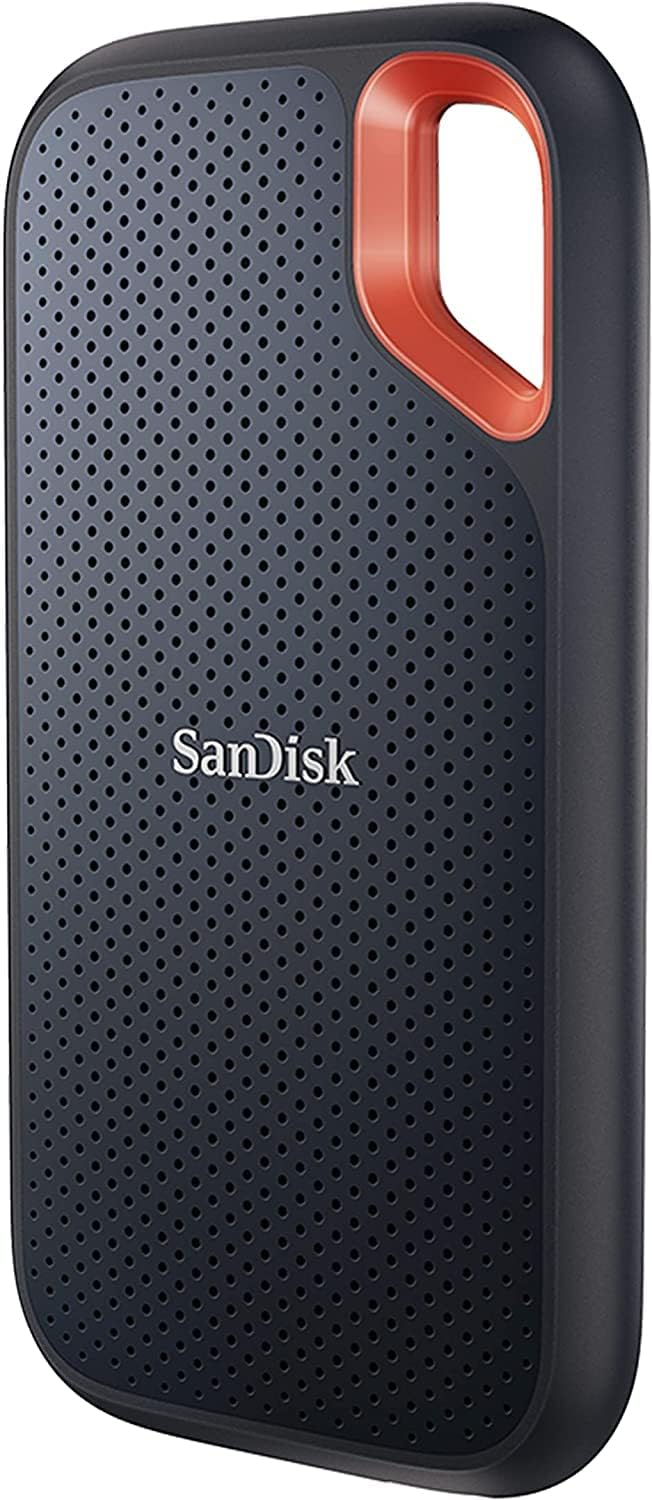
- Best for Beginners: SanDisk Extreme Portable SSD V2 – Easy setup, compact design, USB-C 3.2 Gen 2, and comes with backup software. Great first external SSD.
- Best for Advanced Users: Sabrent Rocket XTRM-Q (Thunderbolt 4) – Dual M.2 slots, RAID support, 2,800 MB/s speeds, and expandable up to 8TB. Ideal for video editors and developers.
Conclusion: Making the Right Choice
Choosing the best SSD for your Mac in 2026 requires balancing compatibility, performance, durability, and budget—all within the unique constraints of Apple’s evolving hardware ecosystem. Whether you’re upgrading an older Intel Mac with a user-replaceable NVMe drive or equipping an M3 MacBook with a Thunderbolt external SSD, the right choice will significantly enhance your productivity, protect your data, and extend your Mac’s useful life. Remember: the fastest drive isn’t always the best—focus on what aligns with your specific workflow, Mac model, and long-term needs.
Don’t rush the decision. Take time to verify compatibility, read Mac-specific reviews, and consider total cost of ownership. Avoid common pitfalls like ignoring TRIM support or overlooking thermal performance. And when in doubt, lean toward reputable brands with strong macOS integration and responsive support. Your Mac is an investment—treat its storage with the same care you’d give its processor or display.
Ultimately, the best SSD is the one that disappears into the background, letting you focus on your work without worrying about speed, reliability, or compatibility. Use this guide as your roadmap, prioritize your must-have features, and you’ll find a drive that not only meets but exceeds your expectations. Ready to upgrade? Start by identifying your Mac model and intended use case—then shop with confidence.