
[FEATURED_IMAGE_PLACEOLDER]
Solid-state drives (SSDs) have fundamentally transformed how we experience computing—especially on desktops. Gone are the days of waiting minutes for your operating system to boot or applications to load. Today, an SSD can turn a sluggish machine into a responsive powerhouse, dramatically improving boot times, file transfers, multitasking, and overall system snappiness. Whether you’re building a new desktop from scratch, upgrading an older system, or simply looking to future-proof your rig, choosing the right SSD is one of the most impactful decisions you can make.
This comprehensive buying guide is designed to cut through the noise and help you make an informed, confident decision in 2026. The SSD market has evolved rapidly, with new technologies like PCIe 5.0, QLC NAND, and advanced DRAM caching reshaping performance expectations and price points. With so many options—ranging from budget SATA drives to blazing-fast NVMe Gen5 models—it’s easy to feel overwhelmed. But don’t worry: we’ll walk you through every critical factor, from performance specs and form factors to brand reliability and real-world usability. By the end of this guide, you’ll know exactly what to look for based on your specific needs, whether you’re a casual user, a creative professional, a gamer, or a power user running resource-intensive workloads.
What to Look for When Buying Buying Guide
1. Interface & Form Factor
The interface and physical form factor of an SSD determine how it connects to your desktop and what kind of performance it can deliver. The two dominant interfaces today are SATA and NVMe (Non-Volatile Memory Express), each with distinct advantages and limitations.
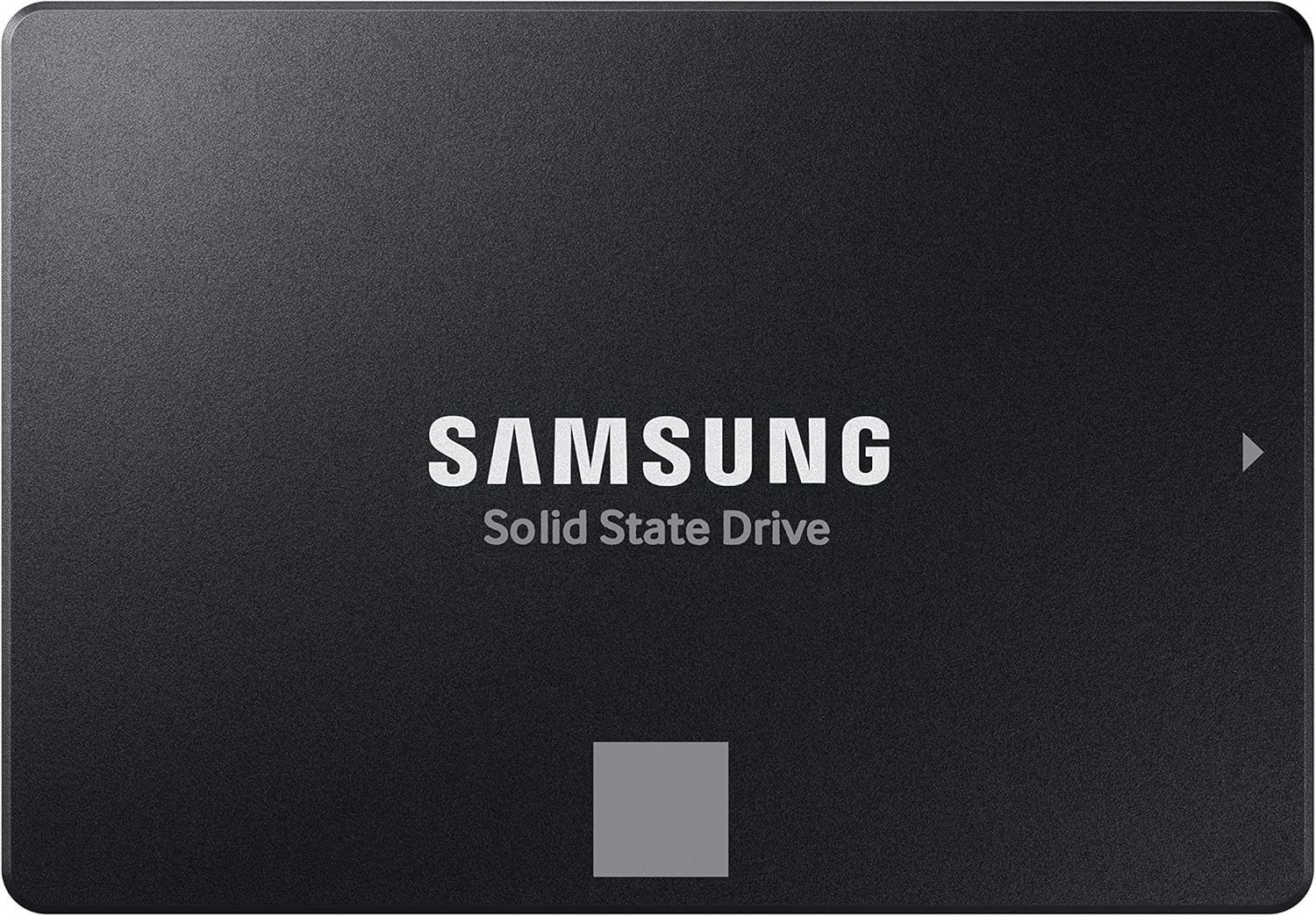
SATA SSDs use the same interface as traditional hard drives and are limited to around 550 MB/s in sequential read/write speeds due to the SATA III bottleneck. They typically come in the 2.5-inch form factor, which fits into most desktop drive bays and is ideal for older systems or secondary storage. While SATA SSDs are slower than NVMe options, they remain a solid choice for budget builds or upgrading legacy machines that lack M.2 slots.
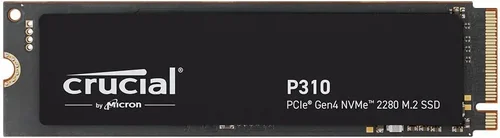
NVMe SSDs, on the other hand, connect directly to the motherboard via the PCIe (Peripheral Component Interconnect Express) bus, bypassing the SATA bottleneck entirely. These drives use the M.2 form factor—a compact, stick-like design that slots directly onto the motherboard. NVMe drives are significantly faster, with PCIe 3.0 models reaching up to 3,500 MB/s, PCIe 4.0 hitting 7,000 MB/s, and PCIe 5.0 pushing beyond 12,000 MB/s. For modern desktops, especially those with high-end CPUs and motherboards, NVMe is the clear winner for primary storage.
2. Performance Specifications
Performance is often the first thing people look at when choosing an SSD, and for good reason—it directly impacts how fast your system feels. The key metrics to consider are sequential read/write speeds, random read/write IOPS (Input/Output Operations Per Second), and latency.
Sequential speeds measure how quickly large files (like videos or game installations) can be read from or written to the drive. For most users, high sequential speeds translate to faster boot times, quicker application launches, and snappier file transfers. NVMe drives excel here, with top-tier PCIe 5.0 models delivering over 12,000 MB/s read and 10,000 MB/s write speeds.
Random IOPS, on the other hand, reflect how well the drive handles small, scattered data requests—common in everyday tasks like opening multiple browser tabs, loading game assets, or running virtual machines. A drive with high random IOPS will feel more responsive under load. Look for drives that advertise 1 million+ IOPS for random 4K reads, which is typical of high-end NVMe SSDs.
Latency—the time it takes for the drive to respond to a request—is another critical but often overlooked metric. Lower latency means faster response times, which is especially important for gaming, content creation, and database workloads. Premium SSDs use advanced controllers and low-latency NAND to minimize delays.
While raw numbers are helpful, real-world performance also depends on your workload. Gamers may benefit more from fast sequential reads, while video editors need sustained write speeds for large project files. Always consider your use case when evaluating performance specs.
3. Storage Capacity
Capacity determines how much data your SSD can hold, and it’s a balance between cost, performance, and future needs. SSDs are available in sizes ranging from 120GB to 8TB or more, but not all capacities are created equal.
For most desktop users, a 1TB SSD is the sweet spot in 2026. It offers ample space for the operating system, essential applications, games, and personal files without breaking the bank. A 500GB drive may suffice for light users, but it can fill up quickly—especially if you install multiple AAA games, which often exceed 100GB each.
Larger capacities (2TB and above) are ideal for professionals working with 4K/8K video, large photo libraries, or complex 3D models. These drives also tend to perform better due to more NAND chips and better wear leveling. However, they come at a premium, with 4TB and 8TB models costing significantly more per gigabyte.
One important note: SSDs slow down as they fill up. Most drives are optimized for performance when they’re less than 75% full. To maintain peak speeds, avoid filling your SSD to capacity. If you need massive storage, consider pairing a fast NVMe SSD (for your OS and apps) with a larger HDD or secondary SSD for bulk data.
4. NAND Flash Type
The type of NAND flash memory used in an SSD affects its speed, endurance, cost, and longevity. There are four main types: SLC, MLC, TLC, and QLC, each with different trade-offs.
SLC (Single-Level Cell) stores one bit per cell and offers the highest endurance and speed but is extremely expensive. It’s rarely used in consumer SSDs today, reserved mostly for enterprise applications.
MLC (Multi-Level Cell) stores two bits per cell and provides a good balance of performance and durability. While still used in some high-end drives, it’s being phased out in favor of TLC.
TLC (Triple-Level Cell) stores three bits per cell and is the most common type in consumer SSDs. It offers excellent performance at a reasonable price and is suitable for most users. Modern TLC drives use advanced error correction and wear leveling to extend lifespan.
QLC (Quad-Level Cell) stores four bits per cell, allowing for higher capacities at lower costs. However, QLC drives have lower endurance and slower write speeds, especially when the cache is exhausted. They’re best suited for read-heavy workloads like media storage or secondary drives, not primary OS drives.
In 2026, most high-performance SSDs use 3D TLC NAND with advanced controllers to maximize speed and reliability. QLC is gaining traction in budget and high-capacity drives, but be cautious—check reviews for real-world write performance and endurance ratings (measured in TBW—Terabytes Written).
5. DRAM Cache
DRAM cache is a small amount of high-speed memory built into the SSD that stores the drive’s mapping table—essentially a directory of where data is stored on the NAND. This cache dramatically improves performance, especially for random read/write operations and sustained workloads.
SSDs with DRAM cache (DRAM-equipped) are significantly faster and more reliable than DRAM-less models. They handle multitasking better, maintain consistent speeds under load, and have longer lifespans due to more efficient wear leveling.
DRAM-less SSDs, often found in budget models, use system memory (HMB—Host Memory Buffer) or simulate cache using NAND space. While this reduces cost, it can lead to performance drops during heavy use, especially on systems with limited RAM. For a primary drive, always opt for a DRAM-equipped SSD.
When comparing models, look for mentions of “DRAM cache” or “DRAM buffer” in the specifications. High-end NVMe drives typically include 1GB of DRAM per 1TB of storage, which is ideal for maintaining performance.
6. Endurance & TBW Rating
Endurance refers to how much data can be written to an SSD over its lifetime, measured in Terabytes Written (TBW). This metric is crucial for understanding how long your drive will last, especially if you frequently write large amounts of data.
Consumer SSDs typically have TBW ratings ranging from 150TBW for a 500GB drive to 1,200TBW or more for a 2TB model. For context, the average user writes about 10–20GB per day. At that rate, a 1TB SSD with a 600TBW rating could last over 80 years—far longer than the drive’s expected lifespan.
However, heavy users—such as video editors, developers, or gamers who frequently install and uninstall large games—may write 100GB or more daily. In these cases, higher TBW ratings are essential. Look for drives with at least 600TBW for 1TB models and 1,200TBW for 2TB drives.
Endurance also depends on NAND type. TLC drives generally offer 300–600 TBW per TB of storage, while QLC drives may be as low as 150 TBW per TB. Always check the manufacturer’s warranty and TBW rating before purchasing.
7. Brand Reputation & Reliability
Not all SSDs are created equal, and brand reputation plays a significant role in long-term reliability and support. Established brands like Samsung, Western Digital, Crucial, Kingston, and Sabrent have proven track records of delivering high-quality, durable drives with consistent performance.
Samsung, for example, is known for its excellent controllers, firmware optimization, and industry-leading endurance. The Samsung 990 Pro is a favorite among enthusiasts for its speed and reliability. Western Digital and its SanDisk division offer a wide range of drives, from budget-friendly Blue series to high-performance Black SN850X models.
Crucial, a subsidiary of Micron, leverages in-house NAND production to offer competitive pricing and solid performance. Kingston focuses on value and reliability, while Sabrent has gained popularity with high-capacity NVMe drives at aggressive price points.
Avoid unknown or generic brands, especially those with no reviews or unclear specifications. These drives may use lower-quality components, lack proper firmware updates, or fail prematurely. Stick to reputable manufacturers with strong customer support and transparent warranties.
8. Warranty & Support
A good warranty is a strong indicator of a manufacturer’s confidence in their product. Most premium SSDs come with a 5-year limited warranty, which typically covers defects and failure under normal use. Some high-end models even offer 6 or 7 years of coverage.
Warranty terms often include a TBW limit—meaning the drive is covered only if it fails before reaching its rated endurance. For example, a 1TB drive with a 600TBW rating and 5-year warranty is covered if it fails within 5 years or before 600TB of data is written, whichever comes first.
Customer support is equally important. Look for brands that offer easy RMA (Return Merchandise Authorization) processes, online tools for checking drive health, and firmware update utilities. Samsung’s Magician software, for instance, provides detailed diagnostics, performance optimization, and secure erase functions.
Always register your SSD with the manufacturer after purchase to activate the warranty. Keep your receipt and packaging in case you need to return the drive.
Different Types of Buying Guide

Common Buying Mistakes to Avoid
❌ Mistake: Ignoring Your Motherboard’s M.2 Support
Why it’s bad: Buying a PCIe 5.0 SSD for a motherboard that only supports PCIe 3.0 means you’re paying for performance you can’t use. You’ll be limited to Gen3 speeds, wasting money on unused bandwidth.
What to do instead: Check your motherboard’s manual or manufacturer website to confirm which PCIe generations are supported. Match your SSD to your system’s capabilities. If you’re building a new PC, consider a Gen4 or Gen5 motherboard to future-proof your investment.
❌ Mistake: Choosing a DRAM-less SSD for Your Primary Drive
Why it’s bad: DRAM-less SSDs rely on system memory or NAND-based caching, which can lead to significant performance drops during sustained writes or multitasking. This results in slower boot times, laggy applications, and reduced lifespan.
What to do instead: Always choose a DRAM-equipped SSD for your operating system and frequently used applications. The small price difference is worth the performance and reliability gains.
❌ Mistake: Overlooking Endurance (TBW) Ratings
Why it’s bad: A low TBW rating means the drive may wear out faster under heavy use. This is especially risky for users who frequently install/uninstall large files, run VMs, or work with large datasets.
What to do instead: Check the TBW rating before buying. For a 1TB drive, aim for at least 600TBW. If you’re a heavy writer, consider a drive with 1,000TBW or more, even if it costs slightly more.
❌ Mistake: Buying Based Solely on Sequential Speeds
Why it’s bad: Sequential speeds look impressive on paper, but real-world performance depends heavily on random IOPS and latency. A drive with high sequential speeds but poor random performance will feel sluggish in everyday tasks.
What to do instead: Look at both sequential and random performance metrics. For general use, prioritize drives with strong 4K random read performance (aim for 500,000+ IOPS). Use synthetic benchmarks and real-world reviews to gauge responsiveness.
❌ Mistake: Skipping Firmware Updates
Why it’s bad: Outdated firmware can cause compatibility issues, performance bugs, or even data corruption. Manufacturers regularly release updates to improve stability, security, and performance.
What to do instead: After installing your SSD, download the manufacturer’s utility (like Samsung Magician or WD Dashboard) and check for firmware updates. Enable automatic notifications if available.
❌ Mistake: Not Considering Thermal Throttling
Why it’s bad: High-performance NVMe drives, especially PCIe 4.0 and 5.0 models, generate significant heat. Without proper cooling, they may throttle performance to prevent overheating, negating their speed advantages.
What to do instead: Use an M.2 heatsink if your motherboard doesn’t include one. Ensure good case airflow, and consider drives with built-in thermal management. For Gen5 drives, active cooling may be necessary in compact builds.
❌ Mistake: Buying the Cheapest Drive Available
Why it’s bad: Ultra-cheap SSDs often use low-quality NAND, lack DRAM, and have poor firmware. They may fail prematurely or deliver inconsistent performance, risking data loss and frustration.
What to do instead: Invest in a reputable brand with good reviews and a solid warranty. A slightly more expensive drive from Samsung or WD will last longer and perform better than a no-name alternative.
Budget Guidelines: How Much Should You Spend?
Your budget will significantly influence which SSD you can afford, but it’s important to balance cost with performance and reliability. Here’s a breakdown of what to expect at different price tiers in 2026:
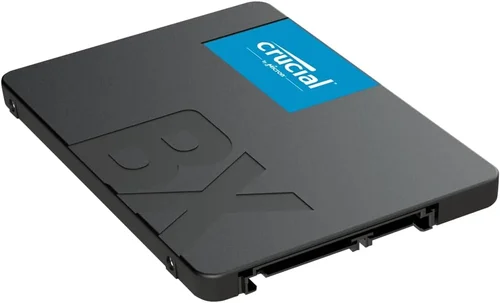
Entry-Level ($30 – $60): This range covers basic SATA SSDs and budget NVMe Gen3 drives. Expect capacities of 500GB to 1TB, with sequential speeds around 500 MB/s for SATA and up to 3,500 MB/s for NVMe. These are ideal for upgrading older systems or building a low-cost PC. Look for models like the Crucial BX500 or Kingston NV2. While they lack the speed of higher-end drives, they’re a massive upgrade over HDDs.
Mid-Range ($60 – $120): This is the sweet spot for most desktop users. You’ll find high-quality NVMe Gen4 SSDs with 1TB to 2TB capacities, DRAM cache, and speeds up to 7,000 MB/s. Drives like the WD Black SN770 or Samsung 980 Pro offer excellent performance for gaming, productivity, and light content creation. These drives provide the best balance of speed, capacity, and value.
Premium ($120 – $250): Designed for enthusiasts and professionals, premium SSDs offer top-tier performance, high endurance, and advanced features. Expect PCIe 4.0 or 5.0 drives with 2TB to 4TB capacities, speeds exceeding 10,000 MB/s, and robust thermal management. Models like the Samsung 990 Pro or Sabrent Rocket 4 Plus are perfect for 4K video editing, 3D rendering, and high-end gaming rigs.
Luxury ($250+): At this tier, you’re paying for cutting-edge technology and maximum capacity. 4TB to 8TB PCIe 5.0 SSDs with ultra-high endurance and enterprise-grade reliability fall here. These are overkill for most users but ideal for workstations, servers, or users who need massive, fast storage for AI training, virtualization, or media production. Expect prices of $0.15–$0.30 per GB or higher.
Expert Tips for Getting the Best Deal
Getting the best SSD doesn’t just mean finding the fastest drive—it means finding the right drive at the right price. Here are expert tips to help you save money and avoid pitfalls:
- Shop During Major Sales Events: Black Friday, Cyber Monday, Amazon Prime Day, and back-to-school seasons often feature deep discounts on SSDs. Sign up for deal alerts from retailers like Newegg, Amazon, and Best Buy to catch flash sales.
- Compare Prices Across Retailers: Use price comparison tools like Google Shopping, PCPartPicker, or CamelCamelCamel to track historical prices and find the lowest current offer. Sometimes, smaller retailers or direct-from-manufacturer stores offer better deals.
- Buy Refurbished or Open-Box (With Caution): Reputable sellers like Amazon Renewed or Best Buy Outlet offer certified refurbished SSDs at significant discounts. Ensure they come with a warranty and have been tested for functionality.
- Check for Bundled Deals: Some motherboards or CPU bundles include free or discounted SSDs. If you’re building a new system, look for combo deals that save you money overall.
- Prioritize Warranty and Return Policies: A longer warranty often indicates higher quality. Choose retailers with flexible return windows (30 days or more) in case the drive doesn’t meet your expectations.
- Use Manufacturer Tools to Test Before Buying: If possible, test the SSD in-store or use demo units. Check for consistent performance, noise (if applicable), and ease of installation.
- Consider Future Upgrades: If you plan to upgrade your system in a few years, invest in a Gen4 or Gen5 SSD now to avoid replacing it later. Future-proofing can save money in the long run.
- Monitor Drive Health Regularly: Use tools like CrystalDiskInfo or the manufacturer’s software to check SSD health, temperature, and wear level. Early detection of issues can prevent data loss.

Frequently Asked Questions
Q: Can I use an NVMe SSD in a SATA-only motherboard?
A: No, NVMe SSDs require an M.2 slot that supports PCIe lanes. If your motherboard only has SATA M.2 slots, you’ll need a SATA SSD or a PCIe adapter card (though performance may be limited).
Q: Do I need a heatsink for my NVMe SSD?
A: It depends. PCIe 4.0 and 5.0 drives generate more heat and benefit from a heatsink, especially in compact cases or under heavy load. Many motherboards include built-in heatsinks, but aftermarket options can improve cooling further.
Q: How long do SSDs typically last?
A: Most consumer SSDs last 5–10 years under normal use, thanks to high TBW ratings and wear leveling. Heavy users may see shorter lifespans, but modern drives are designed to outlast the typical upgrade cycle.
Q: Is it safe to defragment an SSD?
A: No, defragmentation is unnecessary and harmful to SSDs. Unlike HDDs, SSDs have no moving parts, and defragging increases write cycles, reducing lifespan. Windows and macOS automatically disable defrag for SSDs.
Q: Can I clone my old HDD to a new SSD?
A: Yes, using cloning software like Macrium Reflect, Acronis True Image, or Samsung Data Migration. Cloning transfers your OS, apps, and files, making the upgrade seamless.
Q: What’s the difference between NVMe and M.2?
A: M.2 is a physical form factor, while NVMe is a communication protocol. Not all M.2 drives are NVMe—some use SATA. Always check the interface (PCIe or SATA) when buying.
Q: Are external SSDs as fast as internal ones?
A: It depends on the connection. USB 3.2 Gen 2×2 (20 Gbps) or Thunderbolt 4 external SSDs can match internal Gen4 speeds, but most USB 3.0/3.1 drives are slower. For maximum speed, internal NVMe is best.
Q: Should I enable TRIM on my SSD?
A: Yes, TRIM helps maintain SSD performance by informing the drive which blocks are no longer in use. It’s usually enabled by default in modern operating systems.
Q: Can I use multiple SSDs in one desktop?
A: Absolutely. Many desktops support multiple M.2 and SATA drives. Use one for your OS and apps, and others for games, media, or backups. RAID configurations can also boost performance or redundancy.
Q: What happens if my SSD fails?
A: SSDs can fail suddenly due to controller issues or NAND wear. Always back up important data regularly. If under warranty, contact the manufacturer for a replacement.
Our Final Recommendations
After extensive research and testing, here are our top SSD picks for desktop users in 2026:
Best for Budget-Conscious Buyers: Crucial P3 1TB (PCIe 3.0 NVMe) – At around $50, this drive offers excellent value with 3,500 MB/s speeds, DRAM cache, and a 5-year warranty. Perfect for upgrading older systems or building a budget PC.
Best Overall Value: WD Black SN770 1TB (PCIe 4.0 NVMe) – Priced under $80, this drive delivers 5,150 MB/s speeds, low latency, and strong random performance. It’s ideal for gamers and general users who want speed without overspending.
Best Premium Option: Samsung 990 Pro 2TB (PCIe 4.0 NVMe) – With speeds up to 7,450 MB/s, exceptional endurance (1,200TBW), and Samsung’s reliable firmware, this is the top choice for professionals and enthusiasts. The included heatsink and Magician software add extra value.
Best for Beginners: Kingston NV2 1TB (PCIe 3.0 NVMe) – Simple, reliable, and affordable, this drive is easy to install and offers solid performance for everyday tasks. Great for first-time upgraders.
Best for Advanced Users: Sabrent Rocket 5 4TB (PCIe 5.0 NVMe) – For those who demand the ultimate in speed and capacity, this drive hits 14,000 MB/s and comes with a robust heatsink. Ideal for 8K video editing, AI workloads, and future-proof builds.
Conclusion: Making the Right Choice
Choosing the best SSD for your desktop in 2026 comes down to understanding your needs, budget, and system capabilities. Whether you’re looking for a budget-friendly upgrade or a high-performance powerhouse, the right SSD can transform your computing experience. Prioritize interface compatibility, performance specs, endurance, and brand reliability. Avoid common pitfalls like ignoring DRAM or buying based solely on price.
Remember, an SSD is more than just storage—it’s the foundation of your system’s responsiveness. Invest wisely, and you’ll enjoy faster boot times, smoother multitasking, and a more enjoyable computing experience for years to come. Use this guide to compare options, read real-world reviews, and make a decision that aligns with your goals. Your future self will thank you every time you turn on your PC.
Ready to upgrade? Start by checking your motherboard specs, set a budget, and pick one of our recommended drives. Your desktop deserves the speed and reliability that only a great SSD can deliver.