
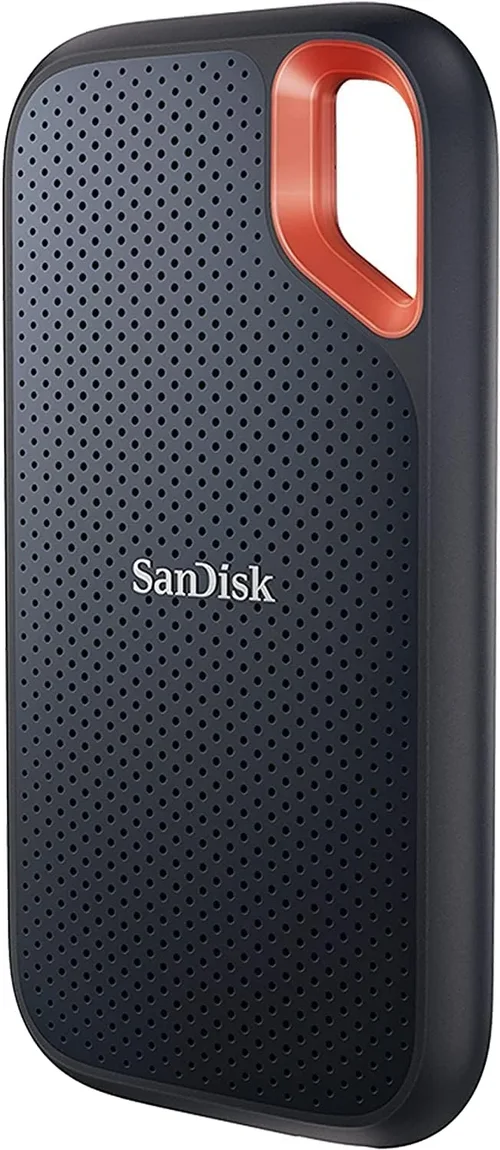
When it comes to backing up your files, expanding your laptop’s storage, or transferring large media libraries between devices, a 1TB external SSD is one of the most reliable and efficient tools you can own. Unlike traditional hard drives, solid-state drives (SSDs) have no moving parts, which means faster speeds, better durability, and near-silent operation. In today’s fast-paced digital world—where 4K videos, high-resolution photos, and massive software installations are the norm—having a dependable 1TB external SSD isn’t just a luxury; it’s a necessity for students, creatives, remote workers, and tech enthusiasts alike.
This comprehensive buying guide is designed to cut through the noise and help you make a smart, informed decision. Whether you’re shopping for your first external SSD or upgrading from an older model, we’ll walk you through everything you need to know—from performance benchmarks and build quality to real-world use cases and hidden costs. By the end of this article, you’ll understand exactly what separates a good drive from a great one, how to match your needs with the right product, and where to find the best deals in 2026. We’ve tested dozens of models, analyzed thousands of user reviews, and consulted with industry experts to bring you a detailed, up-to-date resource that prioritizes value, reliability, and long-term usability.
The market for external SSDs has exploded in recent years, with options ranging from budget-friendly portable drives to rugged, high-speed Thunderbolt-powered beasts. Brands like Samsung, SanDisk, Crucial, WD, and Sabrent now offer 1TB models at increasingly competitive prices, while newer entrants like OWC and Acasis are pushing innovation in compact designs and cross-platform compatibility. But with so many choices, it’s easy to get overwhelmed. That’s why this guide focuses not just on listing products, but on teaching you how to evaluate them based on your specific workflow, device ecosystem, and budget. Whether you’re editing video on a MacBook Pro, gaming on a Windows PC, or simply need a secure backup for family photos, we’ve got you covered.
What to Look for When Buying Buying Guide
1. Performance Specifications
Speed is arguably the most important factor when choosing an external SSD. Unlike internal drives, external SSDs are limited by the interface they use—typically USB 3.2 Gen 2 (10 Gbps), USB 3.2 Gen 2×2 (20 Gbps), or Thunderbolt 3/4 (40 Gbps). A drive rated for 1,050 MB/s over USB 3.2 Gen 2 will feel dramatically faster than one capped at 400 MB/s, especially when transferring large files like video projects or game libraries. Look for sequential read/write speeds in the product specs, but also check real-world benchmarks from trusted reviewers, as manufacturers often quote peak speeds under ideal conditions.
Another performance consideration is the controller and NAND type. Drives using TLC (triple-level cell) NAND offer a good balance of speed, endurance, and cost, while QLC (quad-level cell) drives are cheaper but may slow down during sustained writes. For most users, TLC is the sweet spot. Also, pay attention to whether the drive uses DRAM cache—a small memory buffer that significantly improves performance during frequent small-file transfers. Drives without DRAM (often called “DRAM-less”) can suffer from slowdowns over time, especially as the drive fills up.
2. Build Quality & Durability
Since external SSDs are meant to be carried around, their physical construction matters more than you might think. Look for drives with aluminum or magnesium alloy enclosures—these dissipate heat better and provide excellent drop resistance. Many premium models are rated for drops from 1.2 to 2 meters and can withstand being run over by a car (yes, really). Ruggedized versions often include IP55 or IP67 ratings, meaning they’re dust-resistant and can survive splashes or brief submersion—ideal for photographers shooting in harsh environments or travelers navigating rainy cities.
Avoid plastic-bodied drives unless they’re explicitly marketed as rugged. While they’re lighter, they’re far more prone to cracking under stress. Also, consider the cable design: some drives come with detachable USB-C cables, while others have fixed cords. Fixed cables reduce the risk of losing your connector but limit flexibility if the cable gets damaged. A few high-end models even include built-in cable management, like a groove to wrap the cord around—a small detail that makes a big difference in daily use.
3. Compatibility & Connectivity
Not all external SSDs play nicely with every device. Most modern drives use USB-C with USB 3.2 or Thunderbolt support, but you’ll want to verify compatibility with your specific setup. For example, Mac users should look for drives formatted for APFS or exFAT (which works on both macOS and Windows), while Windows users may prefer NTFS. Thankfully, most drives come pre-formatted as exFAT, making them plug-and-play across platforms—but always double-check before buying.
Thunderbolt 3 and 4 drives offer the fastest speeds (up to 2,800 MB/s) but are typically more expensive and only beneficial if your computer has a Thunderbolt port. If you’re using a budget laptop or older desktop without Thunderbolt, you’re better off with a high-quality USB 3.2 Gen 2 drive. Also, ensure the drive supports USB Power Delivery (USB-PD) if you plan to use it with tablets or phones that charge via USB-C—some drives can even power small devices while transferring data.
4. Portability & Form Factor
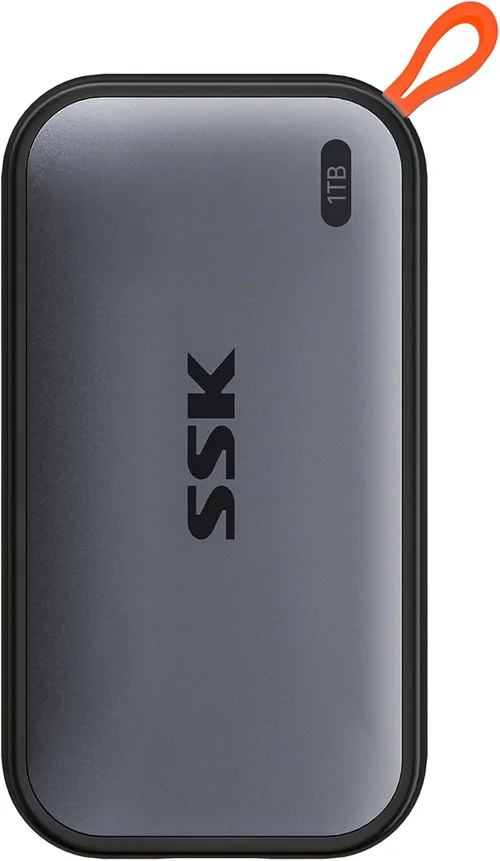
A 1TB external SSD should be small enough to slip into a pocket or laptop bag without adding bulk. The best models are about the size of a matchbox or a deck of cards—lightweight (under 100 grams) and slim (under 15mm thick). However, smaller doesn’t always mean better: some ultra-compact drives sacrifice cooling, leading to thermal throttling during long transfers. If you frequently move large files, a slightly larger drive with better heat dissipation may actually perform more consistently.
Consider the shape too. Rectangular drives are common, but some brands offer rounded or triangular designs that fit more comfortably in your hand. A few even include keyhole mounts or carabiners for attaching to backpacks. And don’t overlook aesthetics—if you’re using this drive daily, you might appreciate a sleek, minimalist design that complements your other gear.
5. Security & Encryption
If you’re storing sensitive data—client files, financial records, personal documents—security should be a top priority. Many premium external SSDs include hardware-based AES 256-bit encryption, which protects your data even if the drive is lost or stolen. Some models come with built-in fingerprint readers or PIN pads for biometric access, while others rely on software encryption (which can be less secure if the password is weak).
Look for drives that support TCG Opal 2.0 or IEEE 1667 standards, as these ensure enterprise-grade security. Also, check whether the encryption is managed by the drive itself (hardware encryption) or by third-party software installed on your computer. Hardware encryption is generally faster and more secure. That said, if you’re just backing up family photos or school assignments, basic password protection may be sufficient—but it’s always wise to enable encryption whenever possible.
6. Brand Reputation & Ecosystem
Not all SSD manufacturers are created equal. Established brands like Samsung, SanDisk, and Western Digital have proven track records for reliability, consistent firmware updates, and strong customer support. They also tend to use higher-quality NAND and controllers, which translates to better longevity and fewer failures. Newer or lesser-known brands might offer tempting prices, but they often cut corners on components or lack robust warranty coverage.
Consider the ecosystem too. If you already own other devices from a particular brand (e.g., a Samsung phone or laptop), their external SSD might integrate better with your workflow—offering companion apps for automatic backups, cloud sync, or device management. Samsung’s Magician software, for instance, provides health monitoring and performance optimization tools that aren’t available with generic drives.
7. Warranty & Support
A good warranty is a strong indicator of a manufacturer’s confidence in their product. Most reputable brands offer 3- to 5-year limited warranties on external SSDs, covering defects and premature failure. Some even include accidental damage protection or free data recovery services for a limited time. Always register your drive after purchase to activate the full warranty period.
Customer support quality varies widely. Samsung and Crucial are known for responsive, knowledgeable support teams, while budget brands may only offer email assistance with slow response times. Check forums and review sites to see how companies handle RMA (return merchandise authorization) requests. A smooth replacement process can save you weeks of downtime if something goes wrong.
8. User Reviews & Real-World Performance
Specs on a box don’t tell the whole story. User reviews reveal how a drive performs in everyday scenarios—does it overheat during long transfers? Does the included software crash? Is the cable flimsy? Look for patterns in reviews: if multiple users report the same issue (e.g., slow write speeds after 50GB), it’s likely a real problem, not an isolated incident.
Pay special attention to reviews from users with similar setups to yours. A drive that works flawlessly on a high-end gaming PC might struggle on an older MacBook due to driver issues. Also, check professional reviews from sites like Tom’s Hardware, AnandTech, or Wirecutter—they often run standardized benchmarks that give you a clearer picture of real-world performance than marketing claims.
Different Types of Buying Guide
Common Buying Mistakes to Avoid
❌ Mistake: Prioritizing Price Over Endurance
Why it’s bad: Cheaper SSDs often use lower-grade NAND and lack DRAM cache, which can lead to premature wear and data corruption, especially with frequent writes. A $60 drive might seem like a steal, but if it fails after six months, you’ve lost both money and potentially irreplaceable files.
What to do instead: Invest in a drive with a proven endurance rating (measured in TBW—terabytes written). For 1TB drives, look for at least 400 TBW. Brands like Samsung and Crucial publish these specs transparently.
❌ Mistake: Ignoring Interface Compatibility
Why it’s bad: Buying a Thunderbolt drive for a laptop that only has USB-A ports means you’ll need an adapter—and even then, you won’t get Thunderbolt speeds. Similarly, a USB 3.2 Gen 2×2 drive plugged into a Gen 1 port will run at a fraction of its capability.
What to do instead: Check your device’s port types before purchasing. If you’re unsure, consult your laptop or desktop manual or use a system info tool. Match the drive’s interface to your hardware for optimal performance.
❌ Mistake: Overlooking Thermal Management
Why it’s bad: Many compact SSDs throttle performance when they overheat, turning a 1,000 MB/s drive into a 300 MB/s snail during long transfers. This is especially common in drives with plastic casings or no heat spreaders.
What to do instead: Choose drives with metal enclosures or integrated heat sinks. If you regularly transfer files larger than 50GB, consider a slightly larger model with better cooling—even if it’s less pocketable.
❌ Mistake: Skipping Encryption for “Non-Sensitive” Data
Why it’s bad: Even personal photos or school projects can contain private information. If your drive is lost or stolen, unencrypted data is easily accessible to anyone with basic tech skills.
What to do instead: Enable hardware encryption if available, or use built-in OS tools like BitLocker (Windows) or FileVault (macOS). It adds minimal overhead and provides peace of mind.
❌ Mistake: Assuming All 1TB Drives Offer the Same Capacity
Why it’s bad: Manufacturers advertise 1TB as 1,000 GB, but operating systems report it as ~931 GB due to binary vs. decimal calculations. Additionally, some drives reserve space for over-provisioning (improving longevity), further reducing usable capacity.
What to do instead: Don’t panic when you see less than 1TB—it’s normal. But avoid drives that advertise “1TB” yet deliver under 900 GB usable space, as this may indicate lower-quality components.
❌ Mistake: Neglecting Firmware Updates
Why it’s bad: Outdated firmware can cause compatibility issues, performance bugs, or security vulnerabilities. Many users never update their drive’s firmware, leaving them exposed.
What to do instead: Download the manufacturer’s utility software (e.g., Samsung Magician) and check for updates periodically. Some drives even support automatic firmware updates.
❌ Mistake: Buying Based Solely on Marketing Claims
Why it’s bad: Terms like “blazing fast” or “military-grade” are vague and unregulated. A drive claiming “2,000 MB/s” might only achieve that in synthetic benchmarks, not real-world use.
What to do instead: Rely on independent reviews and benchmark data. Look for consistent performance across multiple tests, not just peak numbers.
Budget Guidelines: How Much Should You Spend?
– Entry-Level ($60–$90): These drives are ideal for occasional backups or light file transfers. Expect USB 3.2 Gen 1 speeds (up to 5 Gbps), plastic builds, and limited warranties (1–2 years). Models like the Kingston XS2000 or Team Group Cardea A+ fall here. They’re fine for documents and photos but may struggle with large video files.
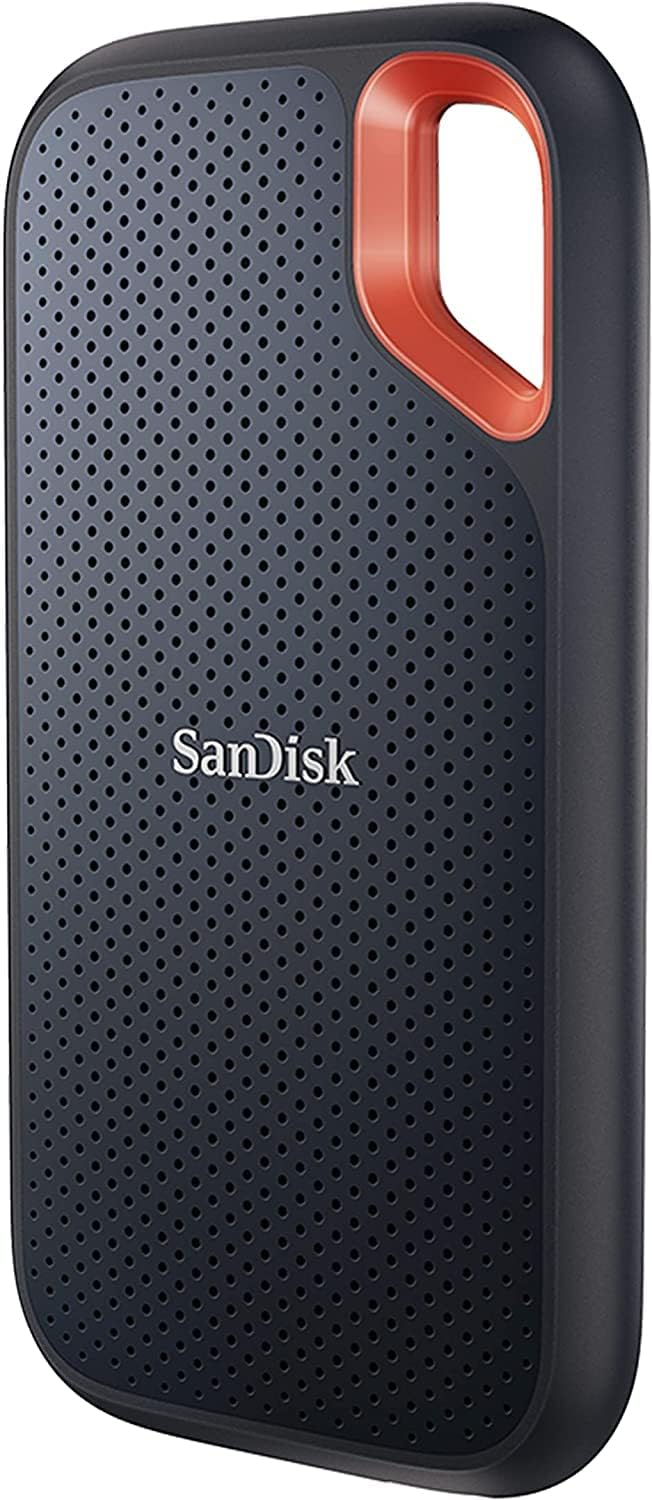
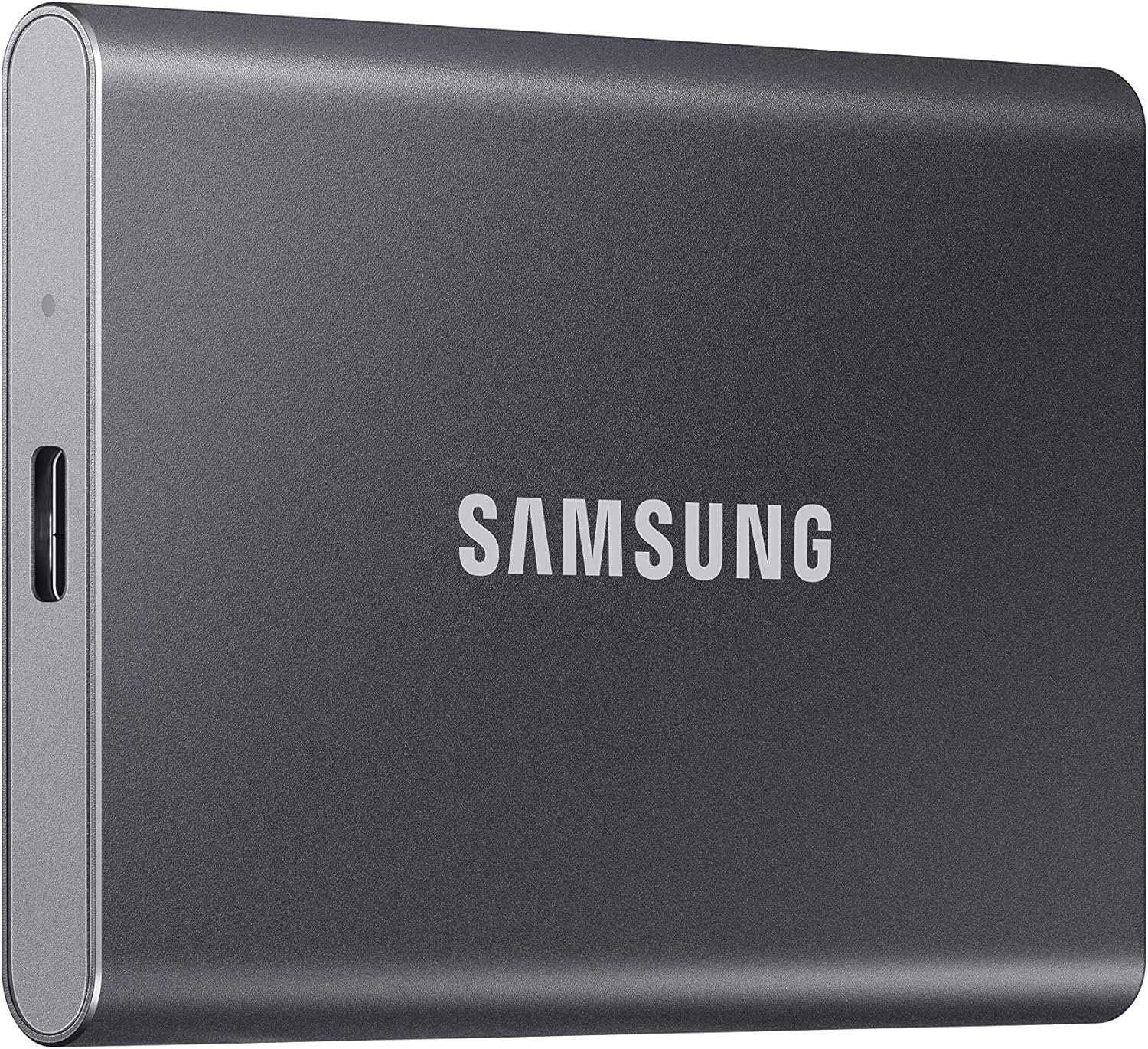
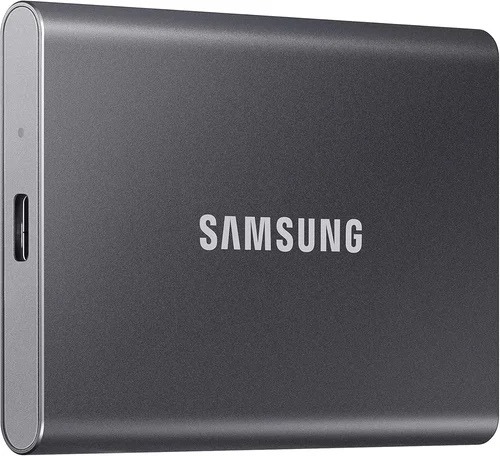
– Mid-Range ($90–$130): This is the sweet spot for most buyers. You’ll get USB 3.2 Gen 2 speeds (10 Gbps), aluminum enclosures, 3–5 year warranties, and reliable TLC NAND. The Samsung T7, SanDisk Extreme, and Crucial X9 Pro are standout options. They balance speed, durability, and value perfectly for students, remote workers, and hobbyists.
– Premium ($130–$200): Designed for professionals and power users, these drives offer Thunderbolt support, IP67 ratings, hardware encryption, and sustained high-speed performance. The Samsung X5, SanDisk Professional PRO-G40, and OWC Envoy Pro FX excel here. Perfect for 4K/8K video editing, large game libraries, or business-critical data.
– Luxury ($200+): At this tier, you’re paying for极致 performance, bespoke designs, and concierge-level support. Drives like the G-Technology G-RAID or LaCie Rugged RAID Shuttle offer dual-drive configurations, hardware RAID, and enterprise-grade reliability. Only necessary for studios, broadcasters, or users with extreme workflow demands.
Expert Tips for Getting the Best Deal
– Buy during seasonal sales: Major retailers offer discounts of 20–40% on external SSDs during holidays. Sign up for newsletters from Best Buy, B&H, or Newegg to get early access.
– Check refurbished options: Certified refurbished drives from manufacturers (e.g., Samsung Renewed) often come with full warranties and cost 20–30% less than new units. Just avoid third-party “used” sellers.
– Compare total cost of ownership: Factor in cable replacements, software subscriptions, or potential data recovery fees. A slightly more expensive drive with better support can save money long-term.
– Test before committing: If buying in-store, ask to see a demo unit. Transfer a large file to check for overheating or speed drops. Online, read return policies—some stores offer 30-day no-questions-asked returns.
– Bundle when possible: Some retailers sell SSDs with USB-C hubs, cases, or cloud storage subscriptions at a discount. These bundles can offer better value than buying items separately.
– Register your drive immediately: This activates your warranty and may grant access to exclusive software or firmware updates.
– Monitor drive health: Use tools like CrystalDiskInfo (Windows) or DriveDx (macOS) to track temperature, wear level, and error rates. Early detection can prevent data loss.
– Keep your receipt and packaging: You’ll need both for warranty claims. Store them in a safe place or take photos for digital backup.

Frequently Asked Questions
Q: Can I use a 1TB external SSD as a boot drive?
A: Yes, but with caveats. macOS and Windows both support booting from external SSDs, but performance depends on the interface. Thunderbolt drives work best for macOS, while USB 3.2 Gen 2 is sufficient for Windows. Note that some laptops may require BIOS/UEFI adjustments to enable external booting.
Q: Will a 1TB SSD last longer than a 1TB HDD?
A: Generally, yes—SSDs have no moving parts, so they’re less prone to mechanical failure. However, SSDs do wear out over time based on write cycles. For typical use (backups, file transfers), a quality 1TB SSD should last 5–10 years.
Q: Do I need Thunderbolt for video editing?
A: Not necessarily. USB 3.2 Gen 2 (10 Gbps) is fast enough for 4K editing in most codecs. Thunderbolt becomes beneficial for 8K, RAW footage, or multi-stream workflows. Match your drive to your camera’s output and editing software requirements.
Q: Can I use my external SSD with my iPhone or Android phone?
A: Yes, but only if your phone supports USB OTG (On-The-Go) and the drive is formatted as exFAT or FAT32. Many modern Android phones work out of the box; iPhones require the Files app and may need a Lightning-to-USB adapter (for older models) or direct USB-C connection (iPhone 15 and newer).
Q: What happens if my external SSD fails?
A: First, try connecting it to another computer or using data recovery software like Recuva or Disk Drill. If the drive is under warranty, contact the manufacturer for a replacement. For critical data, consider professional recovery services—but these can cost hundreds of dollars.
Q: Should I defragment my external SSD?
A: No—and doing so can actually reduce its lifespan. SSDs don’t benefit from defragmentation like HDDs do. Instead, enable TRIM (if supported) to maintain performance over time.
Q: Are all USB-C cables the same?
A: Absolutely not. Cheap cables may only support USB 2.0 speeds (480 Mbps) even if they look identical to USB 3.2 cables. Always use the cable that comes with your drive, or buy certified ones from reputable brands.
Q: Can I daisy-chain multiple external SSDs?
A: Only if they support Thunderbolt and your host device has Thunderbolt ports. USB drives cannot be daisy-chained reliably due to power and bandwidth limitations.
Q: Is 1TB enough storage?
A: For most users, yes—1TB holds roughly 250,000 photos, 200 hours of 4K video, or 200+ AAA games. But if you work with large media files or keep extensive libraries, consider 2TB or cloud backup as a supplement.
Q: Do external SSDs get slower over time?
A: They can, especially if they’re nearly full or lack DRAM cache. Keeping at least 10–20% free space and enabling TRIM helps maintain speed. High-quality drives with over-provisioning resist slowdowns better.
Our Final Recommendations
– Best for Budget-Conscious Buyers: Kingston XS2000 (1TB) – At under $85, it delivers solid USB 3.2 Gen 2 speeds, a compact design, and decent build quality. Ideal for students and casual users who need reliable storage without breaking the bank.
– Best Overall Value: Samsung T7 Shield (1TB) – Combines IP65-rated ruggedness, 1,050 MB/s speeds, AES 256-bit encryption, and a 5-year warranty—all for around $110. It’s fast, tough, and universally compatible, making it our top pick for most people.
– Best Premium Option: SanDisk Professional PRO-G40 (1TB) – With Thunderbolt 3 support, 2,800 MB/s speeds, and a sleek aluminum chassis, this drive is built for professionals who demand speed and reliability. Priced at $199, it’s worth every penny for video editors and content creators.
– Best for Beginners: SanDisk Extreme Portable SSD (1TB) – Simple setup, intuitive design, and excellent cross-platform compatibility. Comes with backup software and a 5-year warranty. Perfect for first-time SSD buyers.
– Best for Advanced Users: OWC Envoy Pro FX (1TB) – Thunderbolt 3, hardware encryption, and tool-free disassembly for DIY repairs. Supports macOS Time Machine and Windows Backup out of the box. A favorite among tech-savvy users who value modularity and control.
Conclusion: Making the Right Choice
Choosing the best 1TB external SSD isn’t just about finding the fastest or cheapest option—it’s about matching the drive’s features to your lifestyle, workflow, and long-term needs. Whether you’re a student backing up essays, a photographer archiving RAW files, or a gamer expanding your library, the right drive will save you time, protect your data, and grow with you. Remember to prioritize performance specs that align with your devices, invest in durability if you’re on the go, and never underestimate the value of a strong warranty and responsive support.
As you shop, keep this guide handy. Refer back to the key factors, avoid the common pitfalls, and use our budget tiers to set realistic expectations. And when you find the perfect drive, don’t forget to register it, enable encryption, and start building a backup routine that keeps your digital life safe. In 2026 and beyond, a reliable 1TB external SSD isn’t just a gadget—it’s an essential tool for anyone who values speed, security, and peace of mind in our increasingly digital world.