
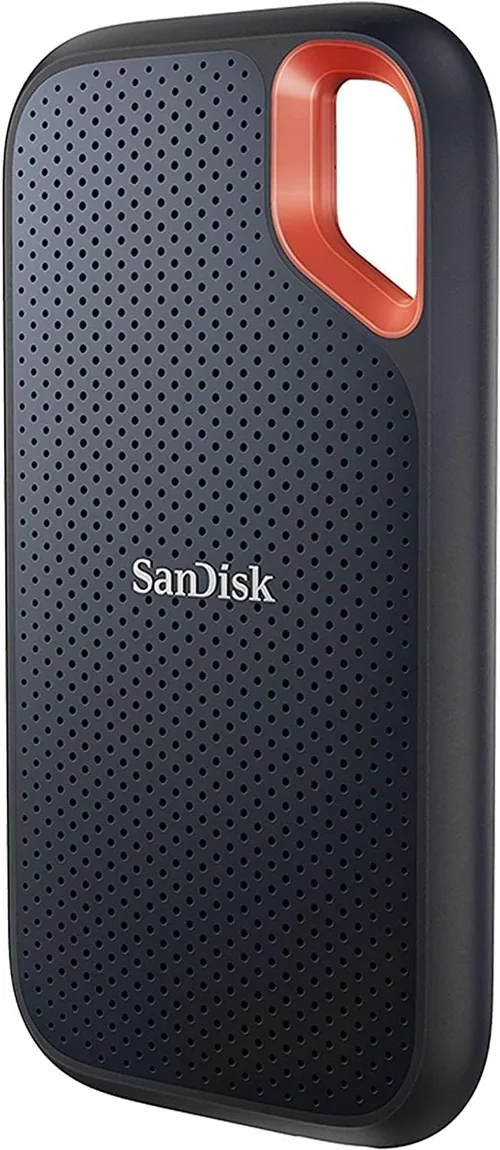
If you’re building or upgrading a gaming PC in 2026, one of the most impactful upgrades you can make—without breaking the bank—is swapping out your old hard drive for a solid-state drive (SSD). Whether you’re loading into a fast-paced battle royale, exploring vast open worlds, or multitasking between games and streaming software, an SSD dramatically improves your experience. Gone are the days of waiting minutes for games to launch or textures to pop in mid-game. With modern SSDs, load times shrink to seconds, level transitions become seamless, and your entire system feels snappier.
But here’s the catch: not all SSDs are created equal, especially when you’re on a budget. The market is flooded with options, from ultra-cheap drives that barely outperform HDDs to high-end NVMe models that cost more than some graphics cards. Navigating this landscape can be overwhelming, especially if you’re trying to balance performance, capacity, reliability, and price. That’s exactly why this guide exists. We’ve tested, compared, and analyzed dozens of budget SSDs specifically for gaming use, focusing on real-world performance, longevity, and value. By the end of this guide, you’ll know exactly what to look for, which brands to trust, and how to avoid common pitfalls—so you can make a smart, confident purchase that enhances your gaming rig without draining your wallet.
In 2026, the SSD market has matured significantly. Prices have dropped across the board, thanks to advancements in NAND flash technology and increased competition among manufacturers. Even entry-level NVMe drives now offer speeds that were considered premium just a few years ago. At the same time, new form factors like M.2 2230 (popularized by devices like the Steam Deck) and PCIe 5.0 support are reshaping what’s possible—even at lower price points. However, with so many choices, it’s easy to fall into traps like overspending on features you don’t need or buying a drive that fails prematurely. This guide cuts through the noise. We’ll break down the key factors that matter most for gamers, compare different SSD types, highlight common mistakes, and give you actionable advice to get the best deal. Whether you’re upgrading a budget build or adding extra storage to a high-end system, we’ve got you covered.
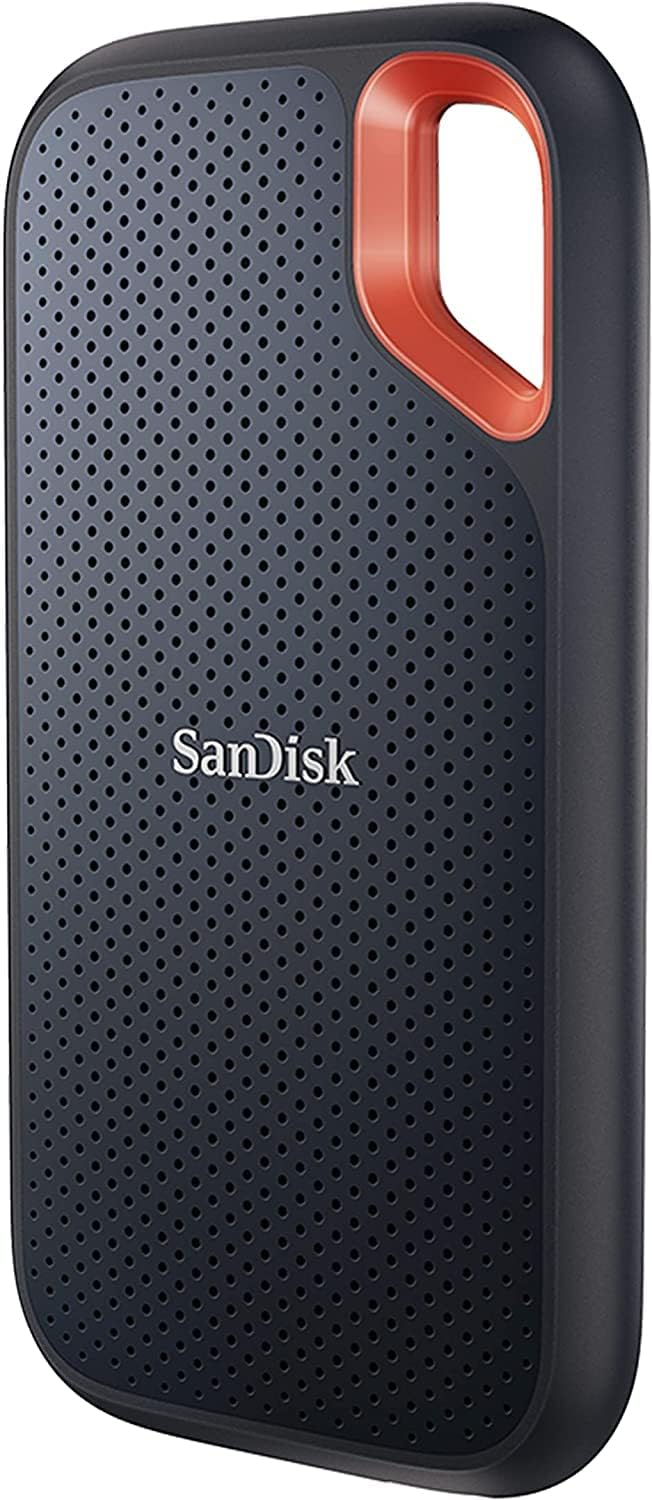
What to Look for When Buying Buying Guide
1. Budget & Price Range
When shopping for a budget SSD, your first consideration should always be how much you’re willing to spend. In 2026, you can find capable gaming SSDs starting as low as $30 for 500GB models, but these often come with significant trade-offs in speed, endurance, or reliability. A more realistic sweet spot for most gamers is between $50 and $100 for a 1TB drive—this range typically offers the best balance of performance, capacity, and build quality. Going below $40 for 1TB usually means compromising on critical features like DRAM cache or using lower-grade NAND, which can hurt long-term performance and lifespan.
It’s also important to consider cost per gigabyte. While a $60 1TB drive might seem like a great deal, check whether it’s actually cheaper per GB than a $90 2TB model. Sometimes buying slightly larger capacity upfront saves money in the long run, especially since games continue to grow in size—many AAA titles now exceed 100GB each. Additionally, keep an eye out for bundle deals or seasonal sales (like Black Friday or Prime Day), where reputable brands often drop prices significantly. Remember: “budget” doesn’t have to mean “lowest price.” It means getting the most value for your dollar without sacrificing essential performance.
2. Performance Specifications
For gaming, raw sequential read/write speeds aren’t everything—but they’re still important. Most modern games benefit more from fast random read speeds (measured in IOPS) than pure bandwidth, because they constantly load small assets like textures, sounds, and scripts. That said, a good baseline for a budget gaming SSD is at least 3,000 MB/s read and 2,500 MB/s write for NVMe drives. SATA SSDs cap out around 550 MB/s, which is fine for older systems or secondary storage but noticeably slower for primary game libraries.
Look for drives with DRAM cache—a small memory chip that acts as a buffer for the controller. DRAM-less SSDs are cheaper but can suffer from performance drops during sustained workloads or when the drive fills up. For gaming, where you’re frequently accessing scattered data, DRAM makes a noticeable difference in responsiveness. Also pay attention to endurance ratings, measured in terabytes written (TBW). A 1TB drive with 600 TBW will last much longer under heavy use than one with only 300 TBW. While most gamers won’t hit these limits for years, higher TBW indicates better-quality components and longer warranty coverage.
3. Build Quality & Durability
Not all SSDs are built to the same standard, even if they share similar specs on paper. Build quality affects not just longevity but also thermal performance and reliability under load. Look for drives that use high-quality NAND flash—preferably TLC (triple-level cell) over QLC (quad-level cell). TLC offers better endurance and consistent performance, while QLC is cheaper and denser but wears out faster and slows down when nearly full. Many budget drives now use QLC to hit aggressive price points, so verify the NAND type before buying.
Thermal management is another often-overlooked factor. High-performance NVMe drives can get hot during extended gaming sessions, especially in compact cases or laptops. Some budget SSDs include basic heatsinks or thermal pads, while others rely on your motherboard’s built-in M.2 shield. If you’re installing the drive in a tight space or plan to run long gaming marathons, consider models with passive cooling solutions or invest in an aftermarket heatsink. Also check for shock resistance and operating temperature ranges—while SSDs are inherently more durable than HDDs, extreme conditions can still affect performance.
4. Features & Functionality
Beyond raw speed and capacity, certain features can enhance your gaming experience. One of the most valuable is hardware encryption support (like TCG Opal or AES-256), which protects your data if your drive is ever lost or stolen—useful if you store sensitive info alongside your games. Another is SLC caching, which uses a portion of the NAND as a high-speed buffer to maintain performance during bursts of activity. This is especially helpful when installing large games or updating multiple titles at once.
Compatibility is also key. Ensure the SSD matches your system’s interface: M.2 NVMe for modern motherboards, SATA for older systems, or U.2 for enterprise setups (rare for gaming). Pay attention to physical dimensions too—M.2 drives come in lengths like 2280 (most common), 2260, and 2242. Most gaming PCs support 2280, but compact builds (like mini-ITX or handhelds) may require shorter drives. Finally, check for bundled software. Some brands include cloning tools, drive health monitors, or migration utilities that simplify setup and maintenance.
5. Brand Reputation
In the SSD world, brand matters—especially for budget drives where corners are often cut. Stick with established manufacturers known for consistent quality and reliable firmware. Top-tier brands like Samsung, Crucial, Western Digital, Kingston, and Sabrent have proven track records and robust customer support. Avoid no-name or obscure brands that pop up on Amazon with suspiciously low prices—they may use recycled NAND, outdated controllers, or lack proper validation.
That said, some lesser-known brands offer excellent value when backed by reputable OEMs. For example, TeamGroup and ADATA often produce drives using NAND from Micron or Samsung, offering near-premium performance at lower prices. Always cross-check who manufactures the NAND and controller—these components dictate real-world performance far more than branding. Reading professional reviews and user feedback on forums like Reddit’s r/buildapc or Tom’s Hardware can also reveal hidden gems or red flags.
6. Warranty & Support
A solid warranty is a strong indicator of a manufacturer’s confidence in their product. Most reputable SSDs come with a 3- to 5-year limited warranty, often tied to TBW limits (e.g., “5 years or 600 TBW, whichever comes first”). For budget drives, aim for at least a 3-year warranty—anything less may signal lower-quality components. Check what the warranty covers: some exclude wear from heavy use, while others offer free replacement even if the drive fails due to normal gaming loads.
Customer support quality varies widely. Samsung and Crucial offer excellent online resources, live chat, and straightforward RMA processes. Others may require lengthy email exchanges or charge shipping fees for returns. Before buying, glance at the brand’s support page and read a few user experiences about warranty claims. A cheap SSD isn’t a bargain if you’re stuck with a dead drive and no help.
7. Size & Portability
While most desktop gamers won’t worry about portability, it’s a crucial factor for laptop users, console upgraders (like PS5 owners), or handheld PC enthusiasts. M.2 NVMe drives are inherently compact, but their length and thickness can matter in tight spaces. The PS5, for instance, requires an M.2 SSD with a maximum thickness of 11.25mm and a heatsink no taller than 8mm. Similarly, devices like the Steam Deck or ASUS ROG Ally use shorter 2230 or 2242 form factors.
If you’re building a portable gaming rig or upgrading a console, measure your available space carefully. Some budget drives come with removable heatsinks or low-profile designs ideal for these scenarios. Conversely, if you’re building a spacious desktop, you have more flexibility—but even then, a bulky heatsink might interfere with large CPU coolers or RAM modules. Always check compatibility lists provided by your device manufacturer before purchasing.
8. User Reviews & Ratings
Never rely solely on manufacturer specs or marketing claims. Real-world user reviews reveal how a drive performs under actual gaming conditions—especially over time. Look for patterns in feedback: do users report sudden slowdowns after a few months? Are there complaints about overheating or failed installations? Sites like Amazon, Newegg, and Best Buy often include detailed reviews from verified purchasers.
Pay special attention to comments about real-world gaming performance, not just synthetic benchmarks. A drive might score high in CrystalDiskMark but stutter during actual gameplay if it lacks sufficient cache or uses aggressive power-saving modes. Also watch for firmware update histories—some brands quietly fix performance issues post-launch, while others abandon support quickly. Engaging with communities like Linus Tech Tips forums or Discord servers dedicated to PC building can provide insider insights you won’t find elsewhere.
Different Types of Buying Guide

Common Buying Mistakes to Avoid
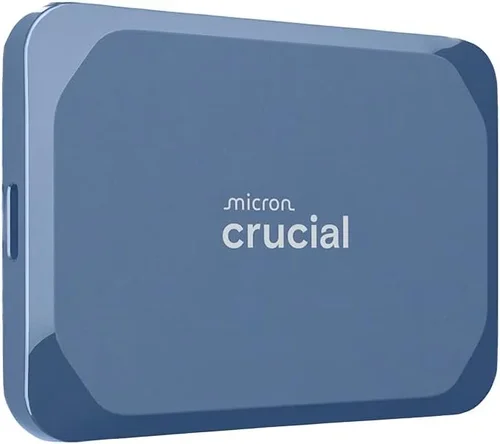
❌ Mistake: Choosing the Cheapest Drive Without Checking NAND Type
Why it’s bad: Many ultra-budget SSDs use QLC NAND to reduce costs, which significantly lowers endurance and causes performance degradation when the drive fills up. Games installed on a nearly full QLC drive may stutter or take longer to load over time.
What to do instead: Always verify the NAND type in the product specs or reviews. Prioritize TLC-based drives for primary game storage, even if they cost $10–$15 more.
❌ Mistake: Ignoring DRAM Cache
Why it’s bad: DRAM-less SSDs rely on system memory (HMB) or slower caching methods, leading to inconsistent performance during multitasking or large file transfers. This can cause hitches in open-world games that stream assets dynamically.
What to do instead: Look for “DRAM-equipped” or “with DRAM cache” in the product description. If unsure, check professional teardowns or reviews that confirm cache presence.
❌ Mistake: Overpaying for PCIe 5.0 in a Budget Build
Why it’s bad: PCIe 5.0 drives are expensive and generate significant heat, requiring robust cooling. Most current games don’t benefit meaningfully from speeds above 7,000 MB/s, making PCIe 5.0 overkill for budget-conscious gamers.
What to do instead: Stick with PCIe 4.0 for the best value. You’ll get 90% of the performance at half the price, with better thermal characteristics.
❌ Mistake: Buying Based Solely on Sequential Speeds
Why it’s bad: Marketing materials often highlight peak sequential read speeds, but gaming relies heavily on random 4K read performance. A drive with high sequential speeds but poor random IOPS will feel sluggish in actual gameplay.
What to do instead: Check reviews that include random read/write benchmarks (like AS SSD or Anvil’s). Aim for at least 500K IOPS for random reads in a budget gaming SSD.
❌ Mistake: Neglecting Compatibility with Your System
Why it’s bad: Installing an M.2 NVMe drive in a motherboard that only supports SATA, or using a PCIe 4.0 drive in a PCIe 3.0 slot without checking backward compatibility, can lead to frustration or non-functional hardware.
What to do instead: Consult your motherboard or device manual before purchasing. Use tools like PCPartPicker to verify compatibility automatically.
❌ Mistake: Skipping Firmware Updates
Why it’s bad: Outdated firmware can cause bugs, performance issues, or even data corruption. Some budget drives ship with initial firmware that lacks optimizations.
What to do instead: After installation, visit the manufacturer’s website and update the firmware using their official tool. This often improves stability and performance.
❌ Mistake: Assuming All “Gaming” SSDs Are Created Equal
Why it’s bad: Many drives are marketed as “gaming” with RGB lights or aggressive branding, but use the same internals as cheaper non-gaming models. You’re paying for aesthetics, not performance.
What to do instead: Focus on specs and reviews, not marketing fluff. Compare the controller, NAND, and cache—not the box design.
Budget Guidelines: How Much Should You Spend?
– Entry-Level ($30–$50 for 1TB): This tier includes basic SATA SSDs and DRAM-less NVMe drives. Expect speeds around 500 MB/s (SATA) or 2,000 MB/s (NVMe), with limited endurance (300–400 TBW). Suitable for secondary storage or older systems, but not ideal for primary game libraries due to potential slowdowns.
– Mid-Range ($50–$80 for 1TB): The sweet spot for most gamers. These drives typically feature TLC NAND, DRAM cache, and PCIe 3.0 or 4.0 interfaces. Speeds range from 3,500 to 7,000 MB/s, with endurance ratings of 600+ TBW. Excellent for primary storage, fast load times, and long-term reliability.
– Premium ($80–$120 for 1TB): Targeted at enthusiasts and PS5 upgraders. These offer top-tier PCIe 4.0 performance (7,000+ MB/s), robust heatsinks, and extended warranties (5 years). Ideal for users who want maximum speed and future-proofing without stepping into PCIe 5.0 territory.
– Luxury ($120+ for 1TB): Reserved for PCIe 5.0 drives and enterprise-grade SSDs. While impressive on paper, these provide diminishing returns for gaming. Only consider if you’re building a high-end workstation or need extreme throughput for content creation alongside gaming.
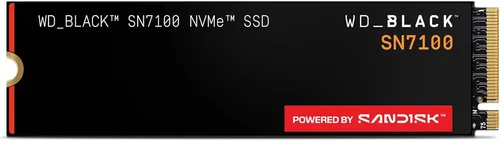
Expert Tips for Getting the Best Deal
– Buy during major sales events: Black Friday, Cyber Monday, Amazon Prime Day, and back-to-school seasons often feature steep discounts on SSDs. Sign up for price alerts on sites like CamelCamelCamel or Honey to catch deals automatically.
– Check retailer return policies: Some stores offer extended return windows (30–90 days), giving you time to test the drive thoroughly. Avoid retailers with restocking fees or short return periods.
– Compare OEM vs. retail versions: Some brands sell identical drives under different names (e.g., WD Blue vs. SanDisk Ultra). These are often the same hardware—buy the cheaper one!
– Look for open-box or refurbished deals: Reputable sellers like Best Buy or Newegg often sell certified refurbished SSDs at 20–30% off, with full warranties. These are tested and reliable.
– Don’t ignore bundle offers: Some SSDs come with free cloning software, heatsinks, or even game vouchers. Calculate the total value—not just the drive price.
– Verify authenticity: Counterfeit SSDs are rare but exist. Buy from authorized retailers or the manufacturer’s official store to avoid fakes.
– Consider used market cautiously: While tempting, used SSDs may have high wear levels. Only buy if the seller provides SMART data showing low TBW usage.
– Install and monitor early: After setup, use tools like CrystalDiskInfo to check health and temperature. Run a few large game installs to stress-test performance before relying on it fully.

Frequently Asked Questions
Q: Will an SSD improve my FPS in games?
A: No—an SSD does not increase frames per second (FPS), which is determined by your GPU, CPU, and settings. However, it drastically reduces load times, eliminates texture pop-in, and enables smoother streaming of open-world environments, making your overall experience feel much faster and more responsive.
Q: Can I use a budget SSD for my operating system too?
A: Absolutely! In fact, it’s recommended. Installing Windows or Linux on an SSD alongside your games ensures your entire system boots quickly and applications launch instantly. Just ensure the drive has enough capacity (1TB is ideal for OS + games).
Q: Is PCIe 4.0 worth it over PCIe 3.0 for gaming?
A: Yes, but marginally. PCIe 4.0 doubles the bandwidth, allowing faster asset loading in newer titles like Starfield or Cyberpunk 2077. For most games, the difference is 5–10 seconds in load times—noticeable but not game-changing. If your motherboard supports it, go for PCIe 4.0; otherwise, PCIe 3.0 is still excellent.
Q: How much SSD storage do I really need for gaming?
A: In 2026, 1TB is the practical minimum. Many AAA games now require 80–150GB each, and updates/add-ons can push that higher. With 1TB, you can comfortably install 5–8 large games plus your OS and apps. If you play many titles simultaneously, consider 2TB.
Q: Are external SSDs good for gaming?
A: Only if connected via USB 3.2 Gen 2×2 (20 Gbps) or Thunderbolt. Most external SSDs use USB 3.2 Gen 2 (10 Gbps), which bottlenecks performance. Internal drives are always faster and more reliable for primary game storage.
Q: Do I need a heatsink for my M.2 SSD?
A: Not always, but highly recommended for PCIe 4.0 drives. High speeds generate heat, which can throttle performance. If your motherboard includes an M.2 shield, use it. Otherwise, a low-profile aftermarket heatsink (under $10) prevents thermal throttling.
Q: Can I mix different SSD brands in one system?
A: Yes! There’s no issue running multiple SSDs from different manufacturers. Just ensure they’re compatible with your system and allocate them wisely (e.g., fast NVMe for games, SATA for backups).
Q: How long will a budget SSD last for gaming?
A: Even budget SSDs with 600 TBW can last 5–10 years under normal gaming use. Most users write far less than 50TB per year. Unless you’re constantly installing/uninstalling massive games daily, endurance won’t be a concern.
Q: Should I enable TRIM on my SSD?
A: Yes! TRIM helps maintain performance by telling the SSD which blocks are no longer in use. It’s usually enabled by default in Windows 10/11 and Linux, but you can verify it in Disk Management or using the `fsutil behavior query DisableDeleteNotify` command.
Q: What’s the difference between NVMe and SATA?
A: NVMe uses the PCIe interface for much higher speeds (3,500–10,000+ MB/s), while SATA is limited to ~550 MB/s. NVMe is the standard for modern gaming PCs; SATA is mostly for older systems or secondary storage.
Our Final Recommendations
– Best for Budget-Conscious Buyers: Crucial P3 1TB (PCIe 3.0) – At around $55, this DRAM-less but TLC-based drive offers solid 3,500 MB/s speeds and a 5-year warranty. Great for upgrading older systems without overspending.
– Best Overall Value: Western Digital Blue SN580 1TB (PCIe 4.0) – Priced near $70, it features TLC NAND, DRAM cache, and 6,600 MB/s reads. Excellent endurance (600 TBW) and consistent performance make it ideal for mainstream gaming rigs.
– Best Premium Option: Samsung 980 Pro 1TB (PCIe 4.0) – Though slightly above strict “budget” range at ~$90, it’s the gold standard for reliability, speed (7,000 MB/s), and thermal management. Perfect for PS5 upgrades or high-end desktops.
– Best for Beginners: Kingston NV2 1TB (PCIe 4.0) – Simple installation, no heatsink needed, and reliable performance at ~$65. Comes with Kingston’s SSD Manager software for easy monitoring.
– Best for Advanced Users: Sabrent Rocket Q 2TB (PCIe 4.0) – Offers massive 2TB capacity at ~$110 with QLC NAND but generous SLC caching. Ideal for users who want ample space and understand the trade-offs.
Conclusion: Making the Right Choice
Choosing the right budget SSD for gaming in 2026 doesn’t have to be complicated—but it does require attention to detail. Focus on core factors like NAND type, DRAM cache, interface compatibility, and real-world performance rather than flashy marketing or peak benchmarks. Remember, the goal isn’t to buy the fastest drive on the market, but the one that delivers the best experience for your specific setup and budget.
Prioritize TLC-based NVMe drives with DRAM in the $50–$80 range for 1TB, and always verify compatibility with your system. Avoid common pitfalls like QLC-only drives or PCIe 5.0 overspending unless you have a clear need. Take advantage of seasonal sales, read user reviews, and don’t hesitate to invest a little more for peace of mind and longevity.
Ultimately, a quality SSD is one of the most transformative upgrades you can make to any gaming PC. It won’t boost your FPS, but it will make every launch, load screen, and level transition feel instantaneous—freeing you to focus on what really matters: winning. So take the time to choose wisely, install confidently, and enjoy the speed. Your future self (and your game library) will thank you.