

The solid-state drive (SSD) market has evolved dramatically over the past decade, and by 2026, even entry-level storage solutions deliver performance that would have been considered cutting-edge just a few years ago. Among the most popular capacities for everyday users—especially those building budget-friendly PCs, upgrading older laptops, or seeking fast boot drives—the 250GB SSD remains a sweet spot between affordability and functionality. While larger capacities like 500GB or 1TB are increasingly common, the 250GB SSD still serves a vital role for users who prioritize speed over sheer storage volume, such as students, casual gamers, office workers, and anyone looking to breathe new life into an aging system without breaking the bank.
This comprehensive buying guide is designed to cut through the noise and help you make an informed decision when choosing the best 250GB SSD for your needs. Whether you’re a first-time buyer confused by terms like NVMe, SATA, DRAM cache, or NAND types, or a tech-savvy user comparing sequential read speeds and endurance ratings, this guide will walk you through every critical factor—from performance benchmarks and build quality to warranty policies and real-world reliability. We’ll also debunk common myths, highlight frequent purchasing mistakes, and provide actionable tips to ensure you get maximum value for your money.
By the end of this article, you’ll understand not only which 250GB SSDs currently lead the pack in 2026 but also how to evaluate future models based on your specific use case. The SSD landscape is crowded with options from both established giants like Samsung, Crucial, and Western Digital and emerging brands offering surprisingly competitive specs at lower price points. Our goal is to equip you with the knowledge to navigate this market confidently, avoid overspending on unnecessary features, and select a drive that delivers lasting performance, stability, and peace of mind.

What to Look for When Buying Buying Guide
1. Interface Type: SATA vs. NVMe
The interface determines how your SSD connects to your motherboard and directly impacts its maximum speed. For 250GB drives in 2026, you’ll primarily encounter two types: SATA III and NVMe (typically via M.2 form factor).
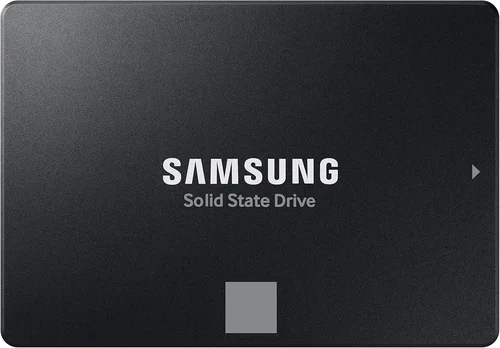
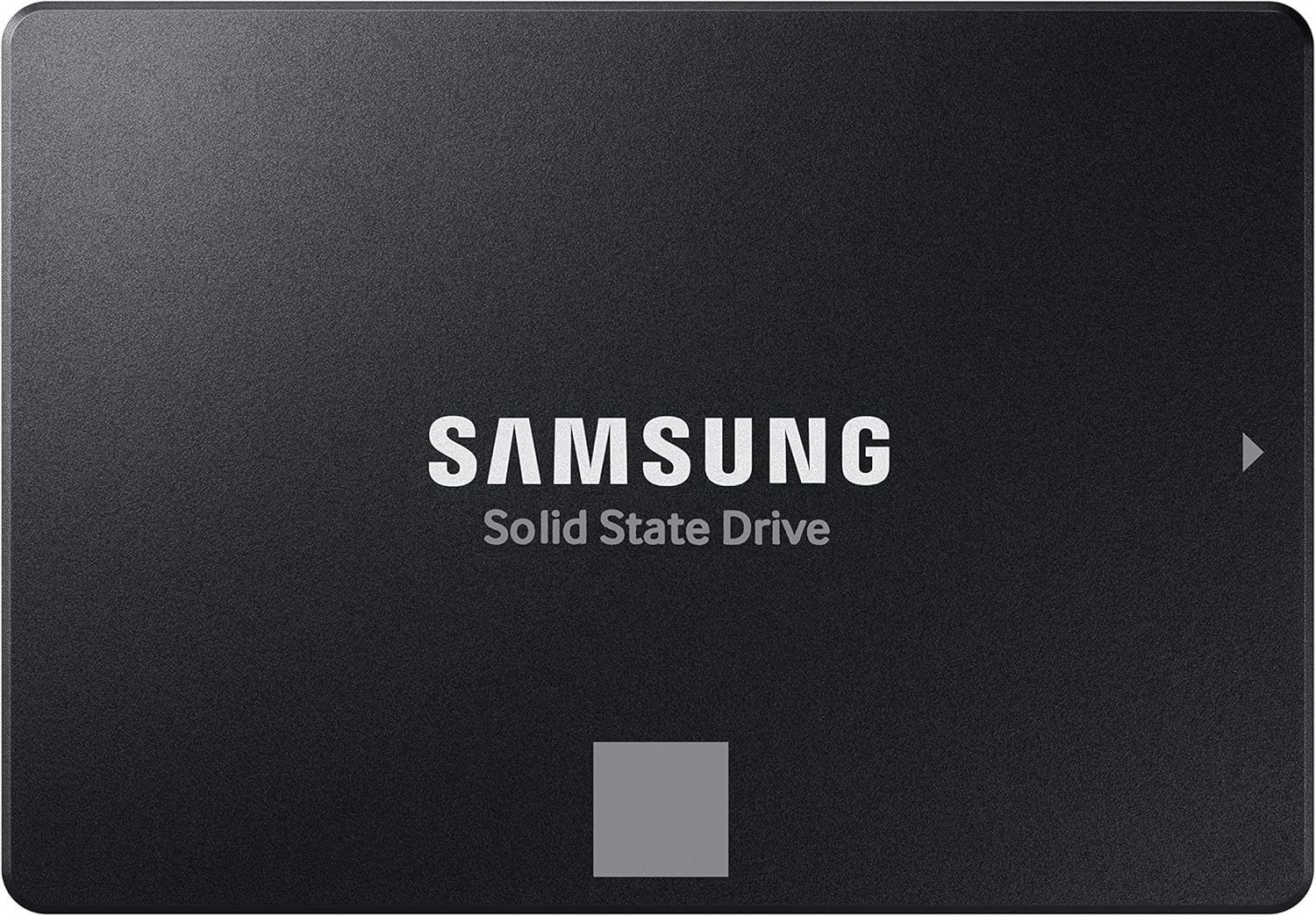
SATA III SSDs use the same connection as traditional hard drives and are limited to around 550 MB/s read/write speeds. They’re reliable, widely compatible, and ideal for older systems or laptops that don’t support M.2 slots. However, they can’t match the performance of modern NVMe drives.
NVMe SSDs, on the other hand, connect directly to the PCIe bus, enabling significantly faster data transfer rates—often exceeding 3,000 MB/s for Gen3 drives and up to 7,000 MB/s for Gen4 models. While many high-end NVMe drives come in larger capacities, several excellent 250GB NVMe options exist in 2026, especially from brands like Kingston, ADATA, and TeamGroup. If your system supports M.2 NVMe (check your motherboard manual!), this is almost always the better choice for performance.
2. NAND Flash Technology: TLC vs. QLC
NAND flash is the memory technology inside your SSD that stores data. The two most common types in consumer SSDs today are Triple-Level Cell (TLC) and Quad-Level Cell (QLC).
TLC stores three bits per cell and offers a great balance of speed, endurance, and cost. It’s the gold standard for mainstream SSDs and is found in nearly all top-performing 250GB models. Drives with TLC NAND typically have longer lifespans and better sustained write performance under heavy workloads.
QLC stores four bits per cell, allowing for higher storage density at a lower cost—but it comes with trade-offs. QLC drives are generally slower, especially during prolonged write operations, and have lower endurance (measured in terabytes written, or TBW). While acceptable for light everyday use (web browsing, document editing, media playback), QLC may struggle with tasks like video editing, large file transfers, or frequent system updates.
For a 250GB SSD in 2026, we strongly recommend sticking with TLC unless you’re on an extremely tight budget and only need basic functionality. The performance gap is noticeable, and the price difference is often minimal—sometimes just $5–$10.
3. DRAM Cache: Why It Matters
A DRAM cache acts as a high-speed buffer between the SSD controller and NAND flash, dramatically improving performance—especially for random read/write operations and multitasking.
SSDs with a dedicated DRAM chip (usually labeled as “DRAM-equipped” or “with DRAM cache”) handle small file operations, OS boot times, and application launches much more efficiently than DRAM-less models. In contrast, DRAM-less SSDs rely on a technology called Host Memory Buffer (HMB), which borrows a small portion of your system RAM. While HMB works reasonably well for light workloads, it can lead to performance degradation under sustained loads or on systems with limited RAM.
For a 250GB SSD, having DRAM is particularly important because smaller capacities have less spare NAND space for caching algorithms to work with. A DRAM-equipped drive will feel noticeably snappier in daily use. Always check product specifications: if “DRAM” isn’t explicitly mentioned, assume it’s DRAM-less.
4. Sequential and Random Performance
SSD performance isn’t just about peak speeds—it’s about how those speeds translate into real-world usage. Manufacturers advertise sequential read/write speeds (e.g., “3,500 MB/s read”), which measure large file transfers like copying a movie or installing a game. These numbers are useful but don’t tell the whole story.
Random 4K read/write performance—measured in IOPS (Input/Output Operations Per Second)—is far more indicative of everyday responsiveness. This metric reflects how quickly the drive can access scattered small files, such as those used by your operating system, browsers, or background apps. A drive with high sequential speeds but poor random performance may feel sluggish when launching programs or switching between tasks.
For a 250GB SSD, aim for at least 30,000–50,000 IOPS for random 4K reads and 20,000–40,000 IOPS for writes. Premium models often exceed 60,000 IOPS. Real-world benchmarks from trusted sources like Tom’s Hardware, AnandTech, or StorageReview are more reliable than manufacturer claims.
5. Endurance and TBW Rating
Endurance refers to how much data you can write to an SSD over its lifetime before it’s likely to fail. It’s measured in Terabytes Written (TBW). For example, a 250GB SSD with a 150 TBW rating can theoretically withstand 150 terabytes of writes.
While most users will never reach this limit (writing 50GB per day would take over eight years to hit 150 TBW), endurance matters for reliability and warranty validation. Lower-end or QLC-based drives often have reduced TBW ratings—sometimes as low as 80–100 TBW for 250GB models—while TLC-based drives typically offer 120–200 TBW.
Check the manufacturer’s datasheet for the exact TBW. If it’s not listed, that’s a red flag. Also, note that warranties are often tied to TBW limits: exceeding them may void your coverage.
6. Brand Reputation and Firmware Support
Not all SSDs are created equal—even if they share the same controller and NAND. Brand reputation plays a crucial role in long-term reliability, firmware updates, and customer support.
Established brands like Samsung, Crucial (a Micron subsidiary), Western Digital, and Kingston invest heavily in firmware optimization, rigorous testing, and proactive bug fixes. They also tend to offer better diagnostic tools (e.g., Samsung Magician, Crucial Storage Executive) that let you monitor drive health, update firmware, and optimize performance.
Newer or lesser-known brands may offer attractive specs at lower prices, but they often lack robust firmware ecosystems or responsive support teams. In 2026, we’ve seen several budget SSDs suffer from premature failures or performance throttling due to poor firmware—issues that could have been avoided with better engineering oversight.
Stick with reputable brands unless you’re willing to accept higher risk for marginal savings.
7. Warranty and Support Policies
A solid warranty is a strong indicator of a manufacturer’s confidence in their product. Most quality 250GB SSDs come with a 3- to 5-year limited warranty, often contingent on not exceeding the TBW limit.
Pay attention to what the warranty covers: does it include data recovery? Is it transferable if you sell your PC? Can you get a replacement without returning the defective drive first (advance replacement)? Some brands, like Samsung and Crucial, offer hassle-free RMA processes with prepaid shipping labels.
Avoid drives with “lifetime” warranties—these are usually marketing gimmicks that expire after a few years or impose hidden conditions. Also, be wary of vendors who require you to register the product within a short window (e.g., 30 days) to qualify for warranty service.
8. Physical Form Factor and Compatibility
While most 250GB SSDs come in the standard 2.5-inch SATA form factor or M.2 2280 (22mm wide, 80mm long), compatibility isn’t guaranteed.
For desktops, 2.5-inch drives are plug-and-play with any SATA port and power connector. But for laptops, space is tight—some ultra-thin models only support shorter M.2 lengths (like 2242 or 2260). Always measure your existing drive or consult your laptop’s service manual.
Additionally, ensure your motherboard has an available M.2 slot if going the NVMe route. Some older boards share bandwidth between M.2 and SATA ports, meaning installing an NVMe drive might disable a SATA port. Check your BIOS settings and motherboard documentation.
Different Types of Buying Guide

Common Buying Mistakes to Avoid

❌ Mistake: Prioritizing Price Over NAND Type
Why it’s bad: Choosing the cheapest SSD without checking whether it uses QLC NAND can lead to disappointing performance, especially under sustained workloads. QLC drives often slow down dramatically once their SLC cache is exhausted, making them feel sluggish during file transfers or system updates.
What to do instead: Spend an extra $5–$10 to get a TLC-based drive. The performance and longevity gains are well worth the minor cost increase.
❌ Mistake: Ignoring DRAM Cache
Why it’s bad: DRAM-less SSDs may look identical on paper but perform significantly worse in real-world scenarios involving random access patterns—like booting Windows or loading multiple browser tabs.
What to do instead: Always verify that the SSD includes a DRAM cache. If the spec sheet is vague, check third-party reviews or contact the manufacturer.
❌ Mistake: Assuming All NVMe Drives Are Equal
Why it’s bad: Not all NVMe SSDs leverage the same PCIe generation or controller technology. A Gen3 drive will max out around 3,500 MB/s, while a Gen4 drive can exceed 7,000 MB/s—but only if your system supports it.
What to do instead: Match the SSD’s PCIe generation to your motherboard’s capabilities. Buying a Gen4 drive for a Gen3-only system wastes money and offers no benefit.
❌ Mistake: Overlooking Warranty Terms
Why it’s bad: Some budget SSDs come with short warranties (1–2 years) or exclude coverage if you exceed moderate usage levels. This leaves you vulnerable if the drive fails prematurely.
What to do instead: Choose drives with at least a 3-year warranty and a reasonable TBW rating. Read the fine print to understand what’s covered.
❌ Mistake: Buying Based Solely on Advertised Speeds
Why it’s bad: Manufacturers often highlight peak sequential speeds while downplaying poor random performance or thermal throttling issues. A drive that hits 3,500 MB/s in a synthetic benchmark might crawl during actual OS usage.
What to do instead: Consult independent reviews that test real-world performance, including boot times, application launches, and sustained writes.
❌ Mistake: Neglecting Compatibility Checks
Why it’s bad: Installing an M.2 NVMe drive in a slot that only supports SATA—or vice versa—will result in a non-functional drive and potential frustration.
What to do instead: Double-check your motherboard or laptop manual before purchasing. When in doubt, opt for a 2.5-inch SATA SSD for maximum compatibility.
❌ Mistake: Skipping Firmware Updates
Why it’s bad: Outdated firmware can cause bugs, performance drops, or even data corruption. Many SSD issues reported in forums are resolved simply by updating firmware.
What to do instead: After installation, download the manufacturer’s SSD management tool and check for firmware updates. Enable automatic notifications if available.
Budget Guidelines: How Much Should You Spend?
– Entry-Level ($18–$28): At this price point, expect DRAM-less NVMe or basic SATA SSDs, often with QLC NAND. These are suitable for secondary storage, lightweight laptops, or temporary systems. Performance will be adequate for web browsing and office tasks but may struggle with multitasking. Brands like PNY, Silicon Power, and Netac offer options here—but read reviews carefully.
– Mid-Range ($29–$40): This is the sweet spot for most buyers. You’ll find TLC-based NVMe Gen3 drives with DRAM cache, such as the Crucial P3, Kingston NV2, or Samsung 980 (non-Pro). These deliver excellent everyday performance, solid endurance (120–150 TBW), and reliable firmware. Ideal for primary OS drives in budget to mid-tier builds.
– Premium ($41–$55): Here, you gain access to Gen4 NVMe drives (if your system supports it) or higher-end Gen3 models with superior controllers and cooling solutions. Examples include the WD Black SN770 or ADATA Legend 710. These offer faster sustained speeds, better thermal management, and enhanced software suites. Great for gamers, streamers, or users who want a snappier experience.
– Luxury ($56+): While uncommon for 250GB capacities, some premium brands offer “prosumer” SSDs with extended warranties, hardware encryption, or enterprise-grade components. These are overkill for typical users but may appeal to enthusiasts or those seeking maximum peace of mind.
Expert Tips for Getting the Best Deal
– Buy During Seasonal Sales: SSD prices drop significantly during Q4 (Black Friday, Cyber Monday) and mid-year (Amazon Prime Day). Historical data shows average discounts of 15–25% during these periods.
– Compare Total Cost of Ownership: A slightly more expensive SSD with a longer warranty and better endurance may save you money in the long run by avoiding premature replacement.
– Check Retailer Return Policies: Some stores offer extended return windows (e.g., Best Buy’s 15-day policy vs. Amazon’s 30 days). If you’re unsure about compatibility, choose a retailer with flexible returns.
– Use Price Tracking Tools: Websites like CamelCamelCamel (for Amazon) or Honey track historical prices and alert you when a deal goes live.
– Consider Refurbished or Open-Box Units: Reputable sellers like Amazon Renewed or Newegg Refurbished often sell tested, warranty-backed SSDs at 10–20% off retail.
– Verify Authenticity: Counterfeit SSDs are a growing problem. Buy directly from authorized retailers or the manufacturer’s website. Check for holographic seals and serial number validation tools.
– Test After Installation: Use tools like CrystalDiskMark or AS SSD Benchmark to confirm your drive meets advertised speeds. If performance is far below expectations, contact support immediately.
– Don’t Forget the Heatsink (for Gen4): High-speed NVMe Gen4 drives can throttle under load due to heat. If your case has poor airflow, consider a low-profile heatsink—many premium SSDs include one, or you can buy one separately for under $10.
Frequently Asked Questions
Q: Is a 250GB SSD enough for Windows 11?
A: Yes—but barely. Windows 11 requires about 64GB of free space, and a fresh install takes ~30–40GB. With updates, apps, and temporary files, you’ll have 100–120GB left. This is sufficient for basic use (web, Office, light gaming), but you’ll need to manage storage carefully. Consider using cloud storage or an external drive for media files.
Q: Can I use a 250GB SSD as a boot drive and a 1TB HDD for storage?
A: Absolutely. This is a popular and cost-effective setup. Install your OS and frequently used programs on the SSD for speed, and store large files (photos, videos, games) on the HDD. Most motherboards support multiple drives simultaneously.
Q: Do I need to enable TRIM or AHCI in BIOS?
A: Modern operating systems (Windows 10/11, macOS, Linux) automatically enable TRIM for SSDs. AHCI mode should be enabled in BIOS for SATA SSDs—it’s usually the default. For NVMe, no special BIOS settings are needed beyond ensuring the M.2 slot is active.
Q: How long will a 250GB SSD last?
A: With typical usage (10–20GB written per day), a quality TLC-based 250GB SSD should last 8–12 years—far longer than most users keep a single system. Failure is more likely due to physical damage or controller issues than NAND wear.
Q: Are external 250GB SSDs slower than internal ones?
A: It depends on the interface. USB 3.2 Gen 2 (10 Gbps) external SSDs can reach ~1,000 MB/s—faster than SATA but slower than NVMe. USB 4 or Thunderbolt 3/4 models can match internal NVMe speeds but are more expensive.
Q: Can I clone my old HDD to a 250GB SSD?
A: Only if your current OS and data fit within 250GB. Use cloning software like Macrium Reflect Free or Clonezilla. If your HDD is larger, you’ll need to clean up files first or perform a fresh OS install.
Q: Do SSDs need defragmentation?
A: No—and defragmenting an SSD can reduce its lifespan. Windows automatically disables defrag for SSDs and runs TRIM instead, which optimizes performance without unnecessary writes.
Q: What’s the difference between M.2 SATA and M.2 NVMe?
A: Both use the M.2 slot, but M.2 SATA drives are limited to ~550 MB/s (same as 2.5-inch SATA), while M.2 NVMe drives use the PCIe interface for much higher speeds. Physically, they may look identical—check the key notch (B-key vs. M-key) and your motherboard specs.
Q: Is it safe to buy SSDs from unknown brands?
A: Proceed with caution. While some lesser-known brands offer good value, others cut corners on components or firmware. Stick to brands with proven track records unless you’re prepared to accept higher risk.
Q: Will a faster SSD improve gaming performance?
A: It reduces load times and asset streaming hitches (especially in open-world games), but it won’t increase FPS. For gaming, prioritize a fast SSD for your OS and favorite titles, but don’t overspend on extreme speeds unless you’re also doing video editing or 3D rendering.
Our Final Recommendations
– Best for Budget-Conscious Buyers: Kingston NV2 250GB NVMe Gen3 – Priced around $27, this TLC-based drive includes DRAM cache, delivers solid 3,500/2,100 MB/s speeds, and comes with a 5-year warranty. Excellent value for the money.
– Best Overall Value: Crucial P3 250GB NVMe Gen3 – At ~$32, it offers Micron’s reliable 176-layer TLC NAND, 3,500/3,000 MB/s performance, 110 TBW endurance, and Crucial’s excellent Storage Executive software. A balanced choice for most users.
– Best Premium Option: Samsung 980 250GB NVMe Gen3 – Though slightly pricier (~$42), Samsung’s reputation for quality shines here. With 3,500/3,000 MB/s speeds, 150 TBW, and the robust Magician software suite, it’s the gold standard for reliability and performance.
– Best for Beginners: Western Digital Blue SA510 250GB SATA – If you’re upgrading an older laptop or need universal compatibility, this 2.5-inch SATA drive ($26) is simple to install, reliable, and backed by WD’s strong support network.
– Best for Advanced Users: ADATA Legend 710 250GB NVMe Gen4 – For PCIe 4.0 systems, this drive hits 5,000/4,500 MB/s speeds, uses TLC NAND with DRAM, and includes a heatsink. Ideal for users who want future-proof performance without stepping up to 500GB.
Conclusion: Making the Right Choice
Choosing the best 250GB SSD in 2026 isn’t just about finding the fastest or cheapest option—it’s about matching the drive’s capabilities to your specific needs, system constraints, and usage patterns. Whether you’re revitalizing an aging laptop with a SATA SSD or building a sleek, high-performance desktop with NVMe Gen4, the principles outlined in this guide will help you avoid costly mistakes and select a drive that delivers lasting value.
Remember: prioritize TLC NAND, ensure DRAM cache is present, verify compatibility, and don’t overlook warranty terms. While 250GB may seem modest compared to today’s multi-terabyte offerings, it remains a practical and economical choice for countless users—especially when paired with cloud storage or a secondary HDD.
Take your time, compare real-world reviews, and invest in a reputable brand. Your SSD is the heartbeat of your system; choosing wisely ensures smooth, responsive performance for years to come. Happy upgrading!