
The solid-state drive (SSD) market has evolved dramatically over the past few years, and by 2026, it stands as one of the most critical components in any modern computing setup—whether you’re building a high-performance gaming rig, upgrading a laptop for productivity, or managing data-intensive workloads in a professional environment. Gone are the days when SSDs were considered luxury upgrades; today, they’re essential for fast boot times, rapid file transfers, and seamless multitasking. With advancements in NAND flash technology, controller efficiency, and interface standards like PCIe 5.0 and NVMe 2.0, the performance gap between traditional hard drives and SSDs has become impossible to ignore.
This comprehensive buying guide is designed to cut through the noise and help you make an informed decision in a crowded and rapidly changing market. Whether you’re a first-time buyer or a seasoned tech enthusiast looking to upgrade, this guide will walk you through everything you need to know—from understanding key technical specifications to avoiding common pitfalls and identifying the best value options. We’ll explore the latest SSD technologies, compare different form factors and use cases, and provide real-world insights based on performance benchmarks, durability testing, and user feedback. By the end, you’ll have a clear roadmap to selecting the SSD that best fits your needs, budget, and future-proofing goals.
The SSD landscape in 2026 is more diverse than ever. You’ll find options ranging from ultra-affordable SATA drives ideal for older systems to cutting-edge PCIe 5.0 NVMe SSDs that deliver blistering speeds exceeding 10,000 MB/s. Brands like Samsung, Western Digital, Crucial, Kingston, and newer players like Solidigm and Phison-powered OEMs are pushing the boundaries of speed, capacity, and reliability. Meanwhile, emerging technologies such as QLC and PLC NAND, DRAM-less designs, and advanced power management are reshaping what’s possible at various price points. This guide will help you navigate these innovations with confidence, ensuring you don’t overpay for features you don’t need—or worse, end up with a drive that fails to meet your expectations.

What to Look for When Buying Buying Guide
1. Performance Specifications
When evaluating SSDs, performance is often the first thing buyers consider—and for good reason. But it’s important to look beyond just peak read and write speeds. In 2026, top-tier NVMe SSDs can deliver sequential read speeds of up to 12,000–14,000 MB/s and write speeds around 10,000–12,000 MB/s, especially on PCIe 5.0 interfaces. However, real-world performance depends heavily on sustained workloads, not just burst speeds. For example, copying large video files or loading complex game levels benefits from consistent write performance, which can drop significantly once the drive’s SLC cache is exhausted.
Random read/write performance, measured in IOPS (Input/Output Operations Per Second), is equally critical for everyday tasks like opening applications, browsing files, or running virtual machines. A drive with high IOPS will feel snappier during multitasking, even if its sequential speeds aren’t the highest. Look for drives that specify both sequential and random performance metrics, ideally under both idle and sustained load conditions. Additionally, pay attention to the interface: PCIe 4.0 drives offer excellent performance for most users, while PCIe 5.0 drives are best reserved for high-end workstations or content creators who regularly handle 8K video or large datasets.
2. Capacity and Use Case Alignment
Choosing the right SSD capacity is about balancing your storage needs with budget and performance. In 2026, 1TB remains the sweet spot for most users—offering enough space for the operating system, applications, games, and personal files without breaking the bank. However, if you’re a gamer with a growing library of AAA titles (many of which now exceed 100GB each), or a content creator working with 4K/8K footage, 2TB or even 4TB drives become essential.
For general productivity, web browsing, and office work, a 500GB SSD may suffice, but it’s increasingly risky due to the growing size of modern applications and OS updates. On the other hand, investing in an 8TB drive might be overkill unless you’re running a media server or need local backups of large datasets. Consider future-proofing: a 2TB drive today could feel cramped in two years as software and media files continue to grow. Also, note that larger capacities often deliver better performance due to more parallel NAND channels and larger SLC caches.
3. NAND Flash Type: TLC, QLC, and Beyond
The type of NAND flash memory used in an SSD significantly impacts its performance, endurance, and price. Triple-Level Cell (TLC) NAND remains the gold standard for consumer SSDs in 2026, offering a great balance of speed, durability, and cost. Each cell stores three bits of data, providing good performance with reasonable write endurance—typically rated for 600–1,200 TBW (Terabytes Written) for a 1TB drive.
Quad-Level Cell (QLC) NAND, which stores four bits per cell, is cheaper to produce and allows for higher capacities at lower prices, but it comes with trade-offs. QLC drives generally have lower write speeds, smaller SLC caches, and reduced endurance—often around 200–400 TBW for a 1TB drive. They’re best suited for read-heavy workloads like media storage or secondary drives. Emerging Penta-Level Cell (PLC) NAND is beginning to appear in budget drives, offering even higher density but with further compromises in speed and longevity. Unless you’re on a tight budget and only need basic storage, stick with TLC for primary drives.
4. DRAM Cache: Why It Matters
DRAM (Dynamic Random-Access Memory) cache plays a crucial role in SSD performance and longevity. SSDs with a dedicated DRAM chip can map data locations more efficiently, resulting in faster access times and better sustained performance. DRAM-less SSDs, often found in budget models, rely on system memory (via Host Memory Buffer or HMB) or slower internal caching methods, which can lead to performance drops during heavy workloads.
For most users, a DRAM-equipped SSD is worth the slight premium. It ensures consistent performance, especially during tasks like file copying, video editing, or running virtual machines. DRAM-less drives may be acceptable for light use—such as a secondary storage drive or a budget laptop upgrade—but they’re not ideal for primary system drives or performance-critical applications. Always check the product specifications: if “DRAM” or “DRAM cache” isn’t mentioned, it’s likely a DRAM-less design.
5. Form Factor and Compatibility
SSDs come in several form factors, and choosing the right one depends on your system’s compatibility. The most common types in 2026 are:
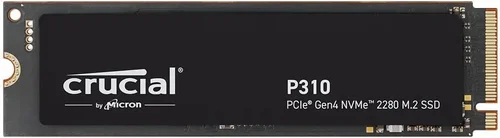
– M.2 NVMe: The dominant form factor for modern desktops and laptops. These small, stick-like drives connect directly to the motherboard via an M.2 slot and use the NVMe protocol for high-speed data transfer. They come in lengths like 2280 (22mm wide, 80mm long), which is the most common.
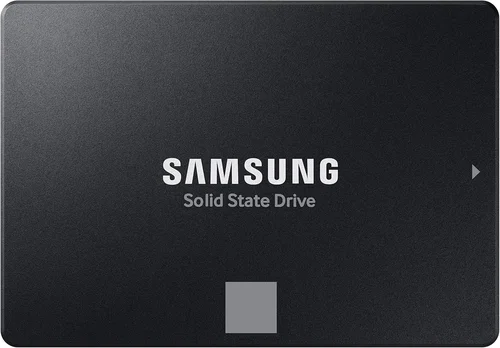
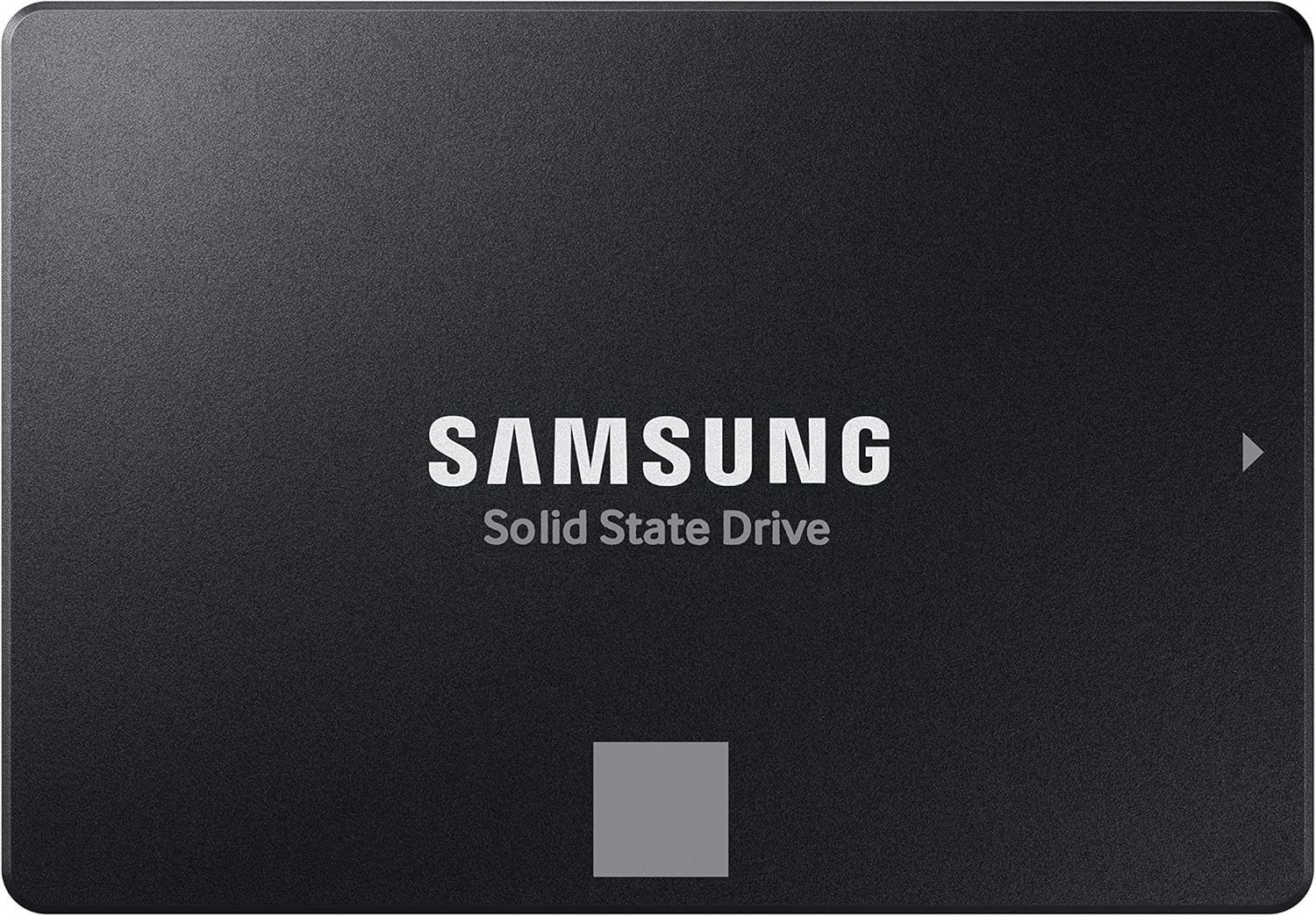
– 2.5-inch SATA: Still widely used, especially in older systems or as secondary storage. These drives connect via SATA cables and are limited to around 550 MB/s due to the SATA III interface bottleneck.
– U.2 and EDSFF: Primarily used in enterprise and data center environments, these are less relevant for consumers but worth noting for high-performance workstations.
Before buying, check your motherboard or laptop manual to confirm which M.2 slots support NVMe and whether they’re PCIe 3.0, 4.0, or 5.0. Some older systems may only support SATA M.2 drives, which are slower than NVMe equivalents. Also, ensure physical clearance—some high-performance M.2 drives come with heatsinks that may interfere with GPU installation in compact builds.
6. Endurance and TBW Rating
Endurance, measured in TBW (Terabytes Written), indicates how much data can be written to the drive over its lifetime before it’s likely to fail. This is a critical metric for users who perform heavy write operations, such as video editors, database administrators, or frequent large file transfers. For example, a 1TB Samsung 990 Pro is rated for 600 TBW, while a budget QLC drive might only offer 200 TBW.
To put this in perspective, if you write 50GB of data per day, a 600 TBW drive would theoretically last over 32 years—far longer than most users will keep a drive. However, lower TBW ratings can be a concern for write-intensive tasks. Always check the manufacturer’s endurance rating and warranty terms. A longer warranty (5 years is standard for premium drives) often correlates with higher endurance and better build quality.
7. Brand Reputation and Reliability
Not all SSDs are created equal, even if they share similar specs. Brand reputation matters because it reflects consistency in quality control, firmware updates, and long-term reliability. In 2026, Samsung continues to lead in performance and reliability, with drives like the 990 Pro and 980 Pro setting industry benchmarks. Western Digital (with its WD Black and SanDisk lines), Crucial (a Micron brand), and Kingston also offer highly reliable options with strong track records.
Avoid no-name or ultra-budget brands that lack transparency about NAND sources, controllers, or firmware. These drives may use recycled or lower-grade components and often come with minimal warranties. Look for brands that provide detailed specifications, firmware update tools, and responsive customer support. User reviews on trusted platforms like Amazon, Newegg, or Reddit can also reveal real-world reliability issues not apparent in marketing materials.
8. Warranty and Support
A solid warranty is a strong indicator of a manufacturer’s confidence in their product. Most premium SSDs come with a 5-year limited warranty, often tied to the TBW rating. For example, if you exceed the TBW limit before the 5 years are up, the warranty may no longer apply. Some brands, like Samsung and Crucial, also offer data recovery services or migration tools as part of their support ecosystem.
When comparing warranties, check the terms carefully. Is it transferable? Does it require registration? Are there restrictions based on usage (e.g., consumer vs. enterprise)? Also, consider the availability of firmware updates—these can improve performance, fix bugs, and enhance security over time. A brand that actively supports its products with regular updates is more likely to deliver a better long-term experience.
Different Types of Buying Guide

Common Buying Mistakes to Avoid
❌ Mistake: Prioritizing Peak Speeds Over Real-World Performance
Why it’s bad: Many buyers focus solely on advertised read/write speeds, but these are often measured under ideal conditions and don’t reflect sustained performance. A drive that hits 7,000 MB/s in benchmarks may drop to 1,000 MB/s after its cache fills up, leading to frustrating slowdowns during large file transfers.
What to do instead: Look for reviews that test sustained workloads and cache behavior. Choose drives with large, dynamic SLC caches and strong controllers that maintain performance under load.
❌ Mistake: Ignoring Endurance Ratings
Why it’s bad: Buying a cheap SSD with low TBW might save money upfront, but it could fail prematurely if you write large amounts of data regularly. This is especially risky for primary drives or systems used for content creation.
What to do instead: Check the TBW rating and match it to your usage. For heavy workloads, opt for TLC-based drives with at least 600 TBW for a 1TB model.
❌ Mistake: Overlooking Compatibility
Why it’s bad: Installing an M.2 NVMe drive in a slot that only supports SATA, or buying a PCIe 5.0 drive for a motherboard that doesn’t support it, results in wasted money and frustration.
What to do instead: Verify your system’s specifications before purchasing. Use tools like CPU-Z or check your motherboard manual to confirm M.2 slot types and supported protocols.
❌ Mistake: Choosing the Cheapest Option Without Research
Why it’s bad: Ultra-budget SSDs often use inferior NAND, lack DRAM, and have poor firmware, leading to data loss, slowdowns, or early failure.
What to do instead: Stick to reputable brands and read user reviews. A slightly more expensive drive from Samsung or Crucial is often a better long-term investment.
❌ Mistake: Neglecting Thermal Management
Why it’s bad: High-performance NVMe drives, especially PCIe 5.0 models, generate significant heat. Without proper cooling, they can throttle, reducing performance and lifespan.
What to do instead: Use a heatsink if your case or motherboard supports it. For laptops, ensure adequate airflow. Consider drives with built-in thermal throttling protection.
❌ Mistake: Not Backing Up Data
Why it’s bad: SSDs can fail suddenly without warning, unlike HDDs that often show signs of degradation. Relying solely on an SSD without backups risks permanent data loss.
What to do instead: Implement a 3-2-1 backup strategy: three copies of your data, on two different media, with one offsite. Use cloud storage or external drives for critical files.
Budget Guidelines: How Much Should You Spend?
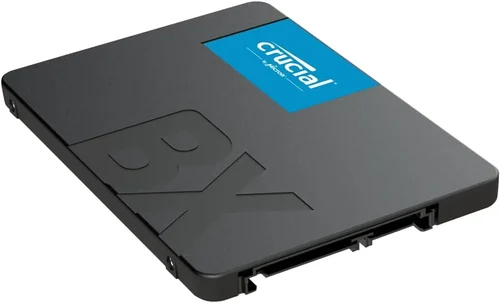
– Entry-Level ($40–$80 for 1TB): Ideal for budget builds or upgrading older systems. Look for SATA SSDs or DRAM-less NVMe drives from reputable brands. Expect decent performance for everyday tasks but limited endurance and slower sustained writes. Examples: Crucial BX500, Kingston NV2.
– Mid-Range ($80–$150 for 1TB): The sweet spot for most users. These are typically TLC-based NVMe PCIe 4.0 drives with DRAM cache, offering excellent performance, reliability, and value. Perfect for gaming, productivity, and moderate content creation. Examples: Samsung 980 Pro, WD Black SN850X, Crucial P5 Plus.
– Premium ($150–$300 for 1TB): For enthusiasts and professionals who demand top-tier performance and durability. These drives often feature PCIe 5.0 support, advanced controllers, and high TBW ratings. Ideal for 8K video editing, 3D rendering, and high-frequency trading. Examples: Samsung 990 Pro, WD Black SN850P, Seagate FireCuda 540.
– Luxury ($300+ for 1TB): Cutting-edge drives with the latest technology, often used in workstations or servers. These may include features like power-loss protection, hardware encryption, or enterprise-grade firmware. Overkill for most consumers but justified for mission-critical applications.
Expert Tips for Getting the Best Deal
– Buy During Major Sales Events: Look for discounts during Black Friday, Cyber Monday, Amazon Prime Day, and back-to-school seasons. SSD prices often drop significantly during these periods.
– Compare Prices Across Retailers: Use price tracking tools like Honey, CamelCamelCamel, or Keepa to monitor price history and set alerts for drops.
– Consider Refurbished or Open-Box Deals: Reputable retailers like Amazon Renewed or Newegg Refurbished often sell high-quality SSDs at reduced prices with full warranties.
– Check for Bundled Deals: Some manufacturers offer free software (like cloning tools or cloud storage) or bundle SSDs with heatsinks or enclosures.
– Read the Fine Print on Warranties: Ensure the warranty covers both time and TBW, and understand the claim process before buying.
– Test Before Committing: If possible, test the SSD in your system for a few days. Use tools like CrystalDiskMark or AS SSD to verify performance matches expectations.
– Future-Proof with PCIe 4.0 or 5.0: Even if your current system doesn’t support PCIe 5.0, investing in a compatible drive ensures longevity if you upgrade your motherboard later.
– Don’t Overbuy Capacity: A 2TB drive is great, but if you only need 1TB, save the money for a better-performing model or allocate it elsewhere in your build.
Frequently Asked Questions
Q: Is PCIe 5.0 worth it in 2026?
A: For most users, PCIe 4.0 remains the best balance of performance and value. PCIe 5.0 drives offer double the bandwidth, but real-world benefits are minimal unless you’re working with extremely large files or specialized applications. The added heat and cost may not justify the upgrade for gaming or general use.
Q: Can I use an NVMe SSD in a SATA-only M.2 slot?
A: No. NVMe and SATA M.2 drives use different protocols and are not cross-compatible. Check your motherboard manual to confirm which type your slot supports.
Q: Do I need a heatsink for my M.2 SSD?
A: It depends. High-performance PCIe 4.0 and 5.0 drives benefit from heatsinks to prevent thermal throttling. Many motherboards include built-in heatsinks, but aftermarket options can improve cooling in tight builds.
Q: How long do SSDs typically last?
A: Most consumer SSDs last 5–10 years under normal use, often outlasting the systems they’re installed in. Endurance is more dependent on write volume than time.
Q: Are external SSDs as fast as internal ones?
A: High-quality external SSDs with USB 3.2 Gen 2×2 or Thunderbolt 4 can match internal SATA speeds, but they’re still slower than internal NVMe drives due to interface limitations.
Q: Should I enable TRIM?
A: Yes. TRIM helps maintain SSD performance over time by allowing the drive to manage unused data blocks efficiently. It’s enabled by default in modern operating systems.
Q: Can I recover data from a failed SSD?
A: Data recovery from SSDs is more difficult than from HDDs due to wear leveling and TRIM. Professional services may help, but success isn’t guaranteed. Regular backups are essential.
Q: Is QLC NAND bad?
A: Not inherently, but it’s best suited for read-heavy tasks. Avoid QLC for primary drives or write-intensive workloads. TLC remains the better choice for most users.
Q: Do SSDs improve gaming performance?
A: Yes, but mainly in load times and level streaming. Games load faster, and open-world titles experience fewer stutters. However, FPS (frames per second) is unaffected.
Q: Can I clone my old HDD to a new SSD?
A: Absolutely. Use cloning software like Macrium Reflect, Acronis True Image, or Samsung Data Migration to transfer your OS, apps, and files seamlessly.
Our Final Recommendations
– Best for Budget-Conscious Buyers: Crucial P3 1TB – A reliable DRAM-less NVMe drive offering solid performance for everyday use at an unbeatable price.
– Best Overall Value: Samsung 980 Pro 1TB – Combines top-tier performance, excellent endurance, and strong reliability. Ideal for gamers and professionals alike.
– Best Premium Option: WD Black SN850P 1TB – A PCIe 5.0 powerhouse with blazing speeds, robust cooling, and a 5-year warranty. Perfect for high-end workstations.
– Best for Beginners: Kingston NV2 1TB – Simple, affordable, and easy to install. Great for first-time upgraders or older system refreshes.
– Best for Advanced Users: Seagate FireCuda 540 1TB – Features a Phison E26 controller, PCIe 5.0 support, and exceptional sustained performance for demanding workloads.
Conclusion: Making the Right Choice
Choosing the best SSD in 2026 doesn’t have to be overwhelming. By focusing on your specific needs—whether it’s speed, capacity, budget, or compatibility—you can narrow down the options and find a drive that delivers both performance and peace of mind. Remember, the “best” SSD isn’t always the fastest or most expensive; it’s the one that aligns with your usage patterns, system requirements, and long-term goals.
Prioritize reputable brands, check real-world performance reviews, and don’t overlook factors like endurance, warranty, and thermal management. Whether you’re upgrading a aging laptop or building a dream PC, a quality SSD will transform your computing experience—making everything from booting up to loading games feel instant and responsive.
Take your time, do your research, and invest wisely. With the right SSD, you’re not just buying storage—you’re investing in speed, reliability, and the future of your digital life.