
Solid-state drives have revolutionized the way we store and access data, transforming everything from boot times to application loading speeds. In 2026, the SSD market is more advanced—and more confusing—than ever. With new form factors, evolving NAND technologies, and a flood of brands competing for your attention, choosing the right SSD can feel overwhelming. Whether you’re upgrading an aging laptop, building a high-performance gaming rig, or setting up a workstation for content creation, the right SSD can make a dramatic difference in your daily computing experience. This comprehensive buying guide is designed to cut through the noise and help you make a confident, informed decision.
By the end of this guide, you’ll understand not just which SSDs are best in 2026, but why they’re best—and how to match one to your specific needs. We’ll break down the key factors that matter most, from performance and durability to price and compatibility. You’ll learn how to avoid common pitfalls, how to interpret technical specs like a pro, and how to get the most value for your money. Whether you’re a first-time buyer or a seasoned tech enthusiast, this guide will equip you with the knowledge to choose an SSD that delivers speed, reliability, and long-term satisfaction.
The SSD landscape in 2026 is defined by rapid innovation. PCIe 5.0 drives are now mainstream, offering blistering speeds that were unimaginable just a few years ago. Meanwhile, QLC and PLC NAND technologies are pushing storage capacities higher while keeping prices competitive. At the same time, concerns about endurance, heat management, and real-world performance have become more prominent. With options ranging from budget SATA drives to ultra-fast NVMe models and portable external SSDs, there’s something for every use case and budget. This guide will help you navigate it all.

What to Look for When Buying Buying Guide
1. Budget & Price Range
Your budget is often the first and most important filter when shopping for an SSD. In 2026, SSD prices have stabilized significantly compared to the volatile years of the pandemic, but there’s still a wide range depending on capacity, speed, and technology. Entry-level drives start around $20 for 250GB SATA models, while high-end PCIe 5.0 NVMe drives can cost over $500 for 4TB. It’s tempting to go for the cheapest option, but skimping on quality can lead to poor performance, shorter lifespan, or even data loss.
When setting your budget, consider not just the upfront cost but the cost per gigabyte. For example, a 1TB drive priced at $80 offers better value than a 500GB drive at $45, even if the total is higher. Also, factor in future needs—will you need to upgrade soon, or can this drive last you three to five years? Mid-range drives (around $100–$200 for 1TB) often offer the best balance of performance, capacity, and reliability for most users.
2. Performance Specifications
Performance is where SSDs truly shine—and where the differences between models become most apparent. The two key metrics to look at are sequential read/write speeds and random read/write IOPS (Input/Output Operations Per Second). Sequential speeds matter most for large file transfers, like moving video files or loading games, while random IOPS affect everyday responsiveness, such as opening apps or multitasking.
In 2026, PCIe 4.0 drives typically offer sequential speeds of 5,000–7,000 MB/s, while PCIe 5.0 drives can exceed 10,000 MB/s. However, real-world gains beyond PCIe 4.0 are often minimal for average users. For example, a PCIe 5.0 drive might load a game 0.5 seconds faster than a PCIe 4.0 model—noticeable in benchmarks, but not in daily use. Random performance, measured in IOPS, is often more important for system snappiness. Look for drives with at least 500K IOPS for random reads and 400K for writes in the mid-to-high range.
Also consider the controller and NAND type. High-quality controllers from companies like Phison, Silicon Motion, or Samsung ensure consistent performance and better thermal management. TLC (Triple-Level Cell) NAND is the sweet spot for performance and endurance, while QLC (Quad-Level Cell) offers higher capacity at the cost of write speed and longevity.
3. Build Quality & Durability
An SSD’s build quality directly impacts its lifespan and reliability. Unlike HDDs, SSDs have no moving parts, making them inherently more durable against physical shock. However, they’re not invincible. The quality of the NAND flash memory, the controller, and the PCB (printed circuit board) all play a role in long-term reliability.
Look for drives with robust enclosures, especially for external SSDs. Metal casings dissipate heat better than plastic and offer better protection. Internally, check for features like power-loss protection (PLP), which prevents data corruption during sudden power outages—critical for workstations and servers. Also, pay attention to the TBW (Terabytes Written) rating, which indicates how much data can be written to the drive over its lifetime. A 1TB drive with a 600 TBW rating is more durable than one with 300 TBW.
Endurance becomes more important if you’re using the SSD for heavy workloads like video editing, database management, or frequent large file transfers. Consumer drives are generally rated for light to moderate use, while enterprise-grade models offer much higher endurance—but at a premium price.
4. Features & Functionality
Modern SSDs come with a variety of features that go beyond basic storage. Some offer hardware encryption (like AES-256), which is essential for protecting sensitive data, especially on laptops that could be lost or stolen. Others include proprietary software for drive monitoring, firmware updates, and performance optimization.
For example, Samsung’s Magician software provides detailed health reports, secure erase options, and performance benchmarks. Crucial’s Storage Executive offers similar tools. These utilities can extend the life of your drive and help troubleshoot issues before they become critical.
Another feature to consider is thermal throttling protection. High-speed NVMe drives, especially PCIe 5.0 models, generate significant heat. Drives with built-in heat spreaders or those designed to work with motherboard heatsinks maintain performance under sustained loads. Some premium models even include active cooling solutions, though these are rare and typically overkill for most users.
5. Brand Reputation
Not all SSD brands are created equal. In 2026, the market is dominated by a handful of reputable manufacturers known for consistent quality and innovation. Samsung, Western Digital, Crucial, Kingston, and SK Hynix are among the most trusted names. These companies invest heavily in R&D, offer strong warranties, and provide reliable customer support.
Avoid no-name or ultra-budget brands that pop up on Amazon with suspiciously low prices. While they might use the same NAND chips as premium brands, they often cut corners on controllers, firmware, and quality control. This can lead to inconsistent performance, higher failure rates, and poor long-term reliability.
That said, some lesser-known brands like Team Group or ADATA offer solid value, especially in the mid-range segment. Just be sure to read independent reviews and check user feedback before purchasing. A brand’s reputation isn’t just about performance—it’s also about how they handle warranty claims and firmware updates.
6. Warranty & Support
A good warranty is a strong indicator of a manufacturer’s confidence in their product. Most reputable SSDs come with a 3- to 5-year limited warranty, often tied to the TBW rating. For example, a drive with a 600 TBW rating and a 5-year warranty means the manufacturer expects it to last that long under normal use.
Check the warranty terms carefully. Some cover only defects in materials and workmanship, while others include data recovery services or expedited replacement. Also, note whether the warranty is transferable—important if you plan to sell or upgrade your system later.
Customer support quality varies widely. Samsung and Crucial are known for responsive support, while some budget brands offer little more than an email form. If you’re buying for a business or critical system, prioritize brands with strong support infrastructure.
7. Size & Portability
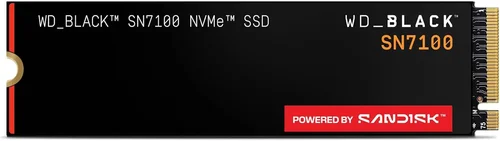
The physical size of the SSD matters, especially for laptops, mini-PCs, or external storage. The most common form factors are 2.5-inch (for SATA drives), M.2 2280 (the standard for NVMe), and smaller variants like M.2 2242 or 2230 used in ultra-thin devices.
For desktops, M.2 NVMe drives are ideal—they’re compact, fast, and don’t require cables. For laptops, check your system’s compatibility. Some older models only support SATA M.2 drives, while newer ones may support PCIe 4.0 or 5.0. Always consult your device’s manual or manufacturer’s website before buying.
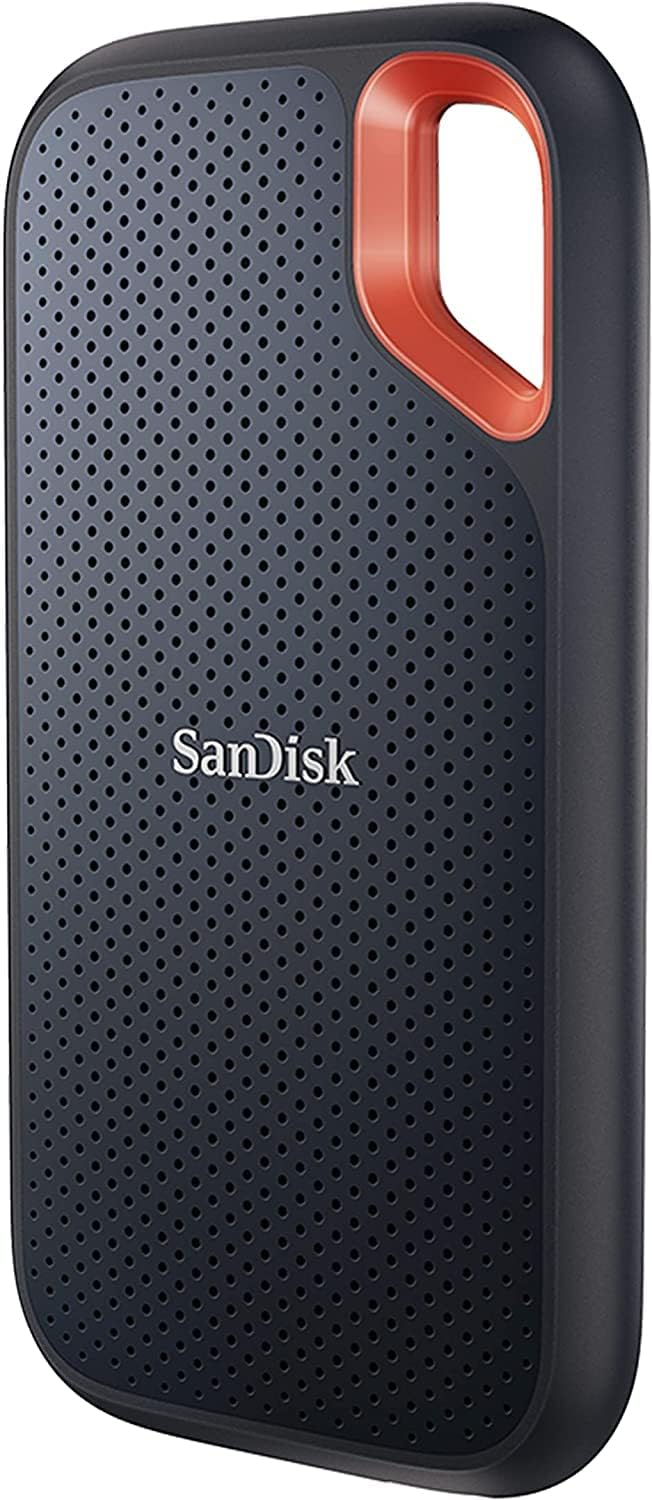
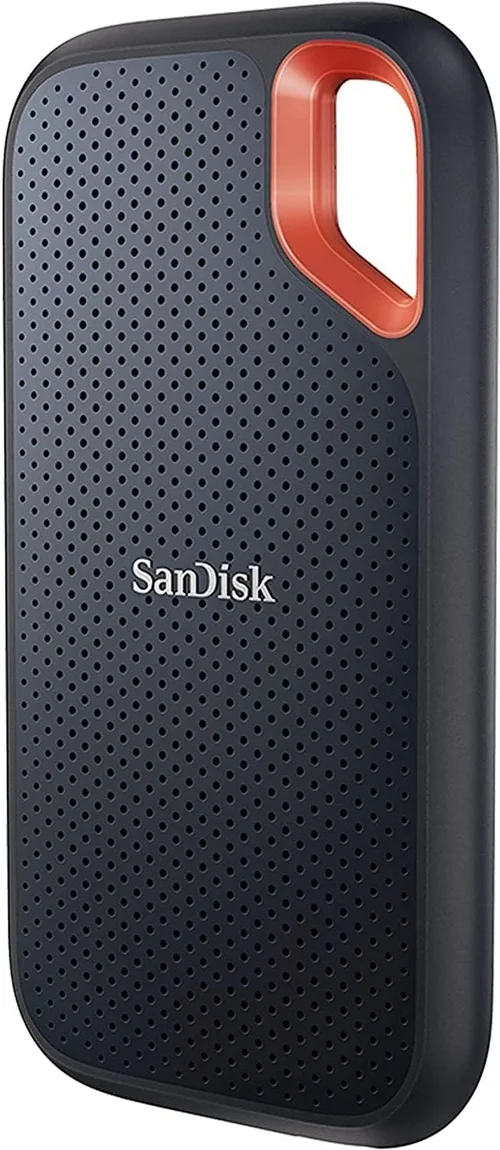
External SSDs are great for portability and backups. Look for rugged designs with IP ratings for water and dust resistance if you’re using them in harsh environments. USB 3.2 Gen 2×2 (20 Gbps) or Thunderbolt 4 support ensures you’re not bottlenecking the drive’s speed.
8. User Reviews & Ratings
While specs and marketing materials are helpful, real-world user feedback is invaluable. Look for reviews on trusted sites like Tom’s Hardware, AnandTech, or StorageReview, but also check customer reviews on retail platforms. Pay attention to patterns—if multiple users report the same issue (e.g., overheating, slow writes after cache fills), it’s likely a real problem.
Be wary of fake reviews. Look for detailed, balanced feedback that discusses both pros and cons. A drive with 10,000 five-star reviews but no critical comments should raise a red flag. Also, check the date of reviews—older reviews may not reflect current firmware updates or batch quality.
Different Types of Buying Guide
Common Buying Mistakes to Avoid
❌ Mistake: Ignoring Compatibility
Why it’s bad: Buying an NVMe drive for a laptop that only supports SATA will result in a useless brick. Similarly, installing a PCIe 5.0 drive in a motherboard without proper cooling can lead to thermal throttling and reduced performance.
What to do instead: Always check your device’s specifications. Use tools like Crucial’s System Scanner or consult your motherboard manual. For laptops, verify the M.2 slot type (B-key, M-key, or B+M) and supported protocols (SATA or NVMe).
❌ Mistake: Overpaying for Speed You Don’t Need
Why it’s bad: PCIe 5.0 drives are impressive on paper, but most users won’t notice the difference in everyday tasks. Spending $200 extra for a drive that loads Windows 0.3 seconds faster is rarely worth it.
What to do instead: Match the drive to your use case. Gamers and general users should prioritize PCIe 4.0. Only professionals working with massive files or AI datasets need PCIe 5.0.
❌ Mistake: Choosing QLC Over TLC for Heavy Workloads
Why it’s bad: QLC NAND offers higher capacity at lower cost but suffers from slower write speeds and reduced endurance. It’s fine for light use, but not ideal for frequent large file transfers.
What to do instead: Opt for TLC NAND if you plan to use the drive for video editing, gaming, or frequent downloads. QLC is better suited for secondary storage or archival purposes.
❌ Mistake: Skipping the Heatsink on High-Performance Drives
Why it’s bad: PCIe 4.0 and 5.0 drives can get extremely hot under load. Without proper cooling, they throttle performance to prevent damage, negating their speed advantage.
What to do instead: Use a motherboard with an M.2 heatsink or purchase an aftermarket one. For PCIe 5.0 drives, active cooling or high-quality thermal pads are recommended.
❌ Mistake: Not Checking Firmware Updates
Why it’s bad: Early production batches of SSDs can have bugs affecting performance or stability. Manufacturers often release firmware updates to fix these issues.
What to do instead: Register your drive with the manufacturer and check for firmware updates periodically. Use official tools like Samsung Magician or WD Dashboard.
❌ Mistake: Buying Based Solely on Price
Why it’s bad: The cheapest SSD may use inferior components, lack encryption, or have a short warranty. It could fail prematurely, leading to data loss and additional costs.
What to do instead: Balance price with brand reputation, warranty, and features. A slightly more expensive drive from a trusted brand often pays off in the long run.
❌ Mistake: Forgetting About Future Upgrades
Why it’s bad: Buying a 500GB drive today might seem sufficient, but OS updates, games, and media files consume space quickly. Running out of space forces an early upgrade.
What to do instead: Plan for growth. A 1TB or 2TB drive offers better longevity and often a lower cost per gigabyte.
Budget Guidelines: How Much Should You Spend?
– Entry-Level ($20–$60): Ideal for basic upgrades or secondary storage. Look for SATA or PCIe 3.0 drives from reputable brands. Expect decent performance for everyday tasks but limited endurance and features. Best for older systems or light use.
– Mid-Range ($60–$150): The sweet spot for most users. PCIe 4.0 NVMe drives in this range offer excellent speed, reliability, and capacity (1TB–2TB). Brands like Crucial, Kingston, and Western Digital deliver strong value here. Perfect for gaming, productivity, and general computing.
– Premium ($150–$300): For enthusiasts and professionals. These drives offer top-tier performance, robust build quality, and advanced features like hardware encryption and thermal management. Ideal for content creators, developers, and power users who need consistent high-speed access.
– Luxury ($300+): Reserved for extreme workloads and future-proofing. PCIe 5.0 drives with 4TB+ capacity, enterprise-grade endurance, and active cooling fall here. Only necessary for 8K video editing, AI training, or server applications.

Expert Tips for Getting the Best Deal
– Buy during sales events: Black Friday, Cyber Monday, and Amazon Prime Day often feature deep discounts on SSDs. Sign up for price alerts on sites like CamelCamelCamel or Honey.
– Compare prices across retailers: Don’t just check Amazon. Look at Newegg, Best Buy, B&H, and direct manufacturer stores. Sometimes, the best deals are found on lesser-known sites.
– Check for bundle deals: Some retailers offer SSDs bundled with enclosures, adapters, or software. These can save money if you need the extras.
– Read the fine print on warranties: Ensure the warranty covers your region and includes clear instructions for RMA (Return Merchandise Authorization).
– Test before finalizing: Use tools like CrystalDiskMark or AS SSD Benchmark to verify performance matches advertised specs. This is especially important for no-name brands.
– Consider refurbished or open-box: Certified refurbished drives from manufacturers often come with full warranties and significant savings.
– Don’t forget about installation: If you’re not comfortable installing an SSD yourself, factor in the cost of professional help. Some retailers offer installation services.
– Backup first: Always back up your data before replacing or upgrading your drive. Use cloning software like Macrium Reflect or Acronis True Image for a seamless transition.

Frequently Asked Questions
Q: Can I use an NVMe SSD in a SATA slot?
A: No. NVMe and SATA use different interfaces and protocols. An NVMe drive will not fit or function in a SATA-only M.2 slot. Always check your motherboard or laptop specifications.
Q: Do I need a heatsink for my NVMe SSD?
A: It depends. PCIe 3.0 drives usually don’t need one, but PCIe 4.0 and 5.0 drives benefit greatly from heatsinks, especially under sustained loads. If your motherboard has a built-in heatsink, use it.
Q: How long do SSDs last?
A: Most consumer SSDs last 5–10 years under normal use, depending on workload and TBW rating. Modern drives are highly reliable, and failure due to wear is rare before the warranty period ends.
Q: Is it safe to defragment an SSD?
A: No. Defragmentation is unnecessary for SSDs and can reduce their lifespan by increasing write cycles. Windows and macOS automatically disable defragmentation for SSDs.
Q: Can I recover data from a failed SSD?
A: It’s possible but not guaranteed. Unlike HDDs, SSDs can fail suddenly due to controller issues. Professional data recovery services may help, but prevention through regular backups is key.
Q: What’s the difference between DRAM and DRAM-less SSDs?
A: DRAM-equipped SSDs have a dedicated memory cache for mapping data, improving speed and longevity. DRAM-less drives use system memory (HMB) and are slower under heavy workloads. Avoid DRAM-less models for primary drives.
Q: Are external SSDs as fast as internal ones?
A: Not always. USB 3.2 Gen 2 (10 Gbps) limits speeds to around 1,000 MB/s, while Thunderbolt 4 can reach 2,800 MB/s. For maximum speed, use internal NVMe drives.
Q: Should I buy a 2TB SSD or two 1TB drives?
A: A single 2TB drive is simpler and often more cost-effective. However, two 1TB drives offer redundancy and flexibility—use one for OS and one for storage.
Q: Do SSDs improve gaming performance?
A: Yes, but mostly in load times and level streaming. Games load faster, and open-world titles stream assets more smoothly. However, FPS (frames per second) is unaffected.
Q: Can I use an SSD as a boot drive?
A: Absolutely. In fact, it’s recommended. SSDs dramatically reduce boot times and improve overall system responsiveness.
Our Final Recommendations
– Best for Budget-Conscious Buyers: Crucial P3 1TB (PCIe 3.0) – Reliable, fast enough for most tasks, and priced under $60. Great for upgrading older systems.
– Best Overall Value: Samsung 980 Pro 1TB (PCIe 4.0) – Excellent performance, strong endurance, and Samsung’s proven reliability. Ideal for gamers and professionals.
– Best Premium Option: WD Black SN850X 2TB (PCIe 4.0) – Top-tier speed, robust build, and excellent thermal performance. Perfect for high-end builds.
– Best for Beginners: Kingston NV2 1TB (PCIe 4.0) – Easy to install, affordable, and backed by Kingston’s solid reputation. Great first NVMe drive.
– Best for Advanced Users: SK Hynix Platinum P41 2TB (PCIe 4.0) – Outstanding performance, low power consumption, and high endurance. A favorite among enthusiasts.
Conclusion: Making the Right Choice
Choosing the best SSD in 2026 isn’t just about picking the fastest or cheapest drive—it’s about finding the right balance of performance, reliability, and value for your specific needs. Whether you’re upgrading a laptop, building a gaming PC, or expanding your storage, the factors we’ve covered—budget, performance, durability, compatibility, and brand trust—will guide you to a smart decision.
Remember, the best SSD is the one that fits your workflow, your system, and your budget. Don’t fall for marketing hype or unnecessary specs. Focus on real-world performance, user feedback, and long-term reliability. And always back up your data—no drive lasts forever.
Take your time, do your research, and use this guide as your roadmap. With the right SSD, your computer will feel faster, more responsive, and ready for whatever you throw at it. Happy upgrading!