
Solid-state drives (SSDs) have revolutionized how we store and access data, replacing traditional hard disk drives (HDDs) in nearly every modern computing scenario. Whether you’re upgrading your laptop, building a high-performance gaming rig, or setting up a professional workstation, choosing the right SSD class can dramatically impact your system’s speed, reliability, and overall user experience. With so many options flooding the market—ranging from budget SATA drives to blazing-fast NVMe PCIe 5.0 models—it’s easy to feel overwhelmed. That’s where this comprehensive guide comes in. We’ll cut through the noise and help you understand not just which SSD to buy, but why certain classes are better suited for specific needs.
In this expert-level buying guide, you’ll learn how to evaluate SSDs based on performance, endurance, compatibility, price, and real-world use cases. We’ll break down the differences between consumer-grade, prosumer, and enterprise-class SSDs, explain key technical specs like NAND type and controller quality, and show you how to avoid common pitfalls that lead to buyer’s remorse. By the end, you’ll have a clear roadmap to select the ideal SSD class for your unique requirements—whether you’re a casual user looking for faster boot times or a content creator handling 8K video files daily. The SSD market continues to evolve rapidly, with new technologies like QLC NAND, DRAM-less designs, and advanced power management shaping performance and value. Understanding these trends is essential to making a future-proof investment.

What to Look for When Buying Buying Guide
1. Budget & Price Range
Your budget is often the first and most decisive factor when shopping for an SSD. Prices vary widely depending on capacity, interface, NAND type, and brand reputation. Entry-level SATA SSDs can cost as little as $0.08 per gigabyte, while high-end PCIe 5.0 drives may exceed $0.30 per gigabyte. It’s important to balance cost with performance needs—spending more doesn’t always mean better value if your use case doesn’t demand top-tier speeds. For example, a budget laptop used primarily for web browsing and office tasks won’t benefit significantly from a $300 2TB NVMe drive. Instead, a reliable 500GB SATA SSD offers excellent value. Always consider total cost of ownership, including potential upgrades or replacements down the line.
2. Performance Specifications
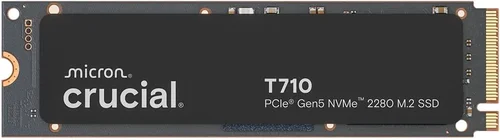
Performance is where SSDs truly shine, but not all drives are created equal. Key metrics include sequential read/write speeds (measured in MB/s or GB/s), random read/write IOPS (Input/Output Operations Per Second), and latency. NVMe SSDs connected via PCIe 4.0 or 5.0 interfaces deliver significantly higher speeds than SATA III drives, which are capped at around 550 MB/s. For instance, a PCIe 4.0 drive like the Samsung 980 Pro can hit 7,000 MB/s read speeds, while a PCIe 5.0 model such as the Crucial T700 pushes beyond 12,000 MB/s. However, real-world performance also depends on the controller, NAND flash type, and whether the drive includes a DRAM cache. High IOPS matter most for multitasking, database operations, and gaming load times, while sequential speeds benefit large file transfers and video editing.
3. Build Quality & Durability
SSDs are inherently more durable than HDDs due to the lack of moving parts, but build quality still varies. Look for drives with robust controllers from reputable manufacturers like Phison, Silicon Motion, or Marvell. The type of NAND flash used—TLC (Triple-Level Cell), MLC (Multi-Level Cell), or SLC (Single-Level Cell)—affects both longevity and performance. TLC is the most common and offers a good balance of cost and endurance, while MLC and SLC are more durable but typically reserved for enterprise use. Endurance is measured in terabytes written (TBW) or drive writes per day (DWPD). A consumer SSD might have a TBW rating of 300–600 for a 1TB drive, whereas enterprise models can exceed 3,000 TBW. Higher endurance means the drive can sustain heavy workloads over time without failure.
4. Features & Functionality
Modern SSDs come packed with features that enhance usability and security. Hardware encryption (like AES-256) protects sensitive data, while power-loss protection ensures data integrity during unexpected shutdowns—critical for workstations and servers. Some drives include thermal throttling management to prevent overheating under sustained loads, especially important in compact laptops or small-form-factor PCs. Software suites from brands like Samsung Magician or Crucial Storage Executive offer firmware updates, performance monitoring, and drive health diagnostics. Additionally, features like SLC caching can boost short-term performance by temporarily storing data in faster memory, though this may degrade over time on lower-end drives. Always check whether the SSD supports your system’s features, such as Intel Rapid Storage Technology (RST) or AMD StoreMI.
5. Brand Reputation
Not all SSD brands are equal. Established names like Samsung, Crucial, Western Digital, Kingston, and Sabrent have proven track records for reliability, performance, and customer support. These companies invest heavily in R&D, quality control, and firmware optimization. Lesser-known brands may offer tempting prices, but they often cut corners on components or lack long-term support. For example, Samsung’s 9-series NVMe drives are consistently rated among the best for both speed and endurance, while Crucial’s MX and P-series offer excellent value for mainstream users. Reading independent reviews from trusted sources like Tom’s Hardware, AnandTech, or PCMag can help verify a brand’s claims. Avoid no-name brands with vague specifications or missing warranty information.
6. Warranty & Support
A strong warranty is a strong indicator of a manufacturer’s confidence in their product. Most consumer SSDs come with 3- to 5-year limited warranties, often tied to TBW limits. For example, a 1TB drive with a 600 TBW rating and a 5-year warranty means you’d need to write over 328GB per day for five years to exceed the limit—highly unlikely for average users. Enterprise drives may offer longer warranties or even on-site replacement services. Check the fine print: some warranties require registration, proof of purchase, or original packaging. Customer support quality also matters—responsive technical assistance can save hours of frustration if issues arise. Brands like Samsung and Crucial offer excellent support portals with live chat, phone lines, and detailed FAQs.
7. Size & Portability
Form factor plays a crucial role, especially in laptops, ultrabooks, and compact desktops. The most common SSD form factors are 2.5-inch (used in SATA drives), M.2 2280 (the standard for NVMe), and smaller variants like M.2 2242 or 2230 for space-constrained devices. M.2 drives are compact, lightweight, and connect directly to the motherboard, eliminating cables and saving space. However, not all M.2 slots support NVMe—some only accept SATA-based M.2 drives, so verify your motherboard’s specifications. For external use, portable SSDs like the Samsung T7 or SanDisk Extreme Pro offer USB 3.2 Gen 2 or Thunderbolt 3 connectivity, delivering fast transfer speeds in a pocketable design. Consider portability if you frequently move data between devices or work on the go.
8. User Reviews & Ratings
While specs and marketing materials provide useful data, real-world user feedback offers invaluable insights. Look for patterns in reviews: consistent praise for speed and reliability is a good sign, while recurring complaints about overheating, failure rates, or poor software should raise red flags. Platforms like Amazon, Newegg, and Best Buy allow filtering by verified purchases and detailed ratings. Pay attention to long-term reviews (6+ months of use), as they reveal issues that don’t appear in initial unboxings. Forums like Reddit’s r/buildapc or r/DataHoarder also host knowledgeable communities where users share benchmarks, failure reports, and upgrade experiences. A drive with 10,000+ reviews and a 4.7-star rating is generally safer than one with only 50 reviews, regardless of specs.
Different Types of Buying Guide

Common Buying Mistakes to Avoid
❌ Mistake: Ignoring Interface Compatibility
Why it’s bad: Buying an NVMe SSD for a system that only supports SATA will result in a drive that doesn’t work at all. Even if the physical connector fits (like M.2), the protocol must match. Many older laptops and motherboards only support SATA M.2 drives, not NVMe.
What to do instead: Check your motherboard or laptop manual for supported interfaces. Use tools like CPU-Z or manufacturer specs to confirm whether your M.2 slot supports PCIe/NVMe or just SATA.
❌ Mistake: Overpaying for Unnecessary Speed
Why it’s bad: Spending $300 on a PCIe 5.0 SSD for a basic office PC is wasteful. Most everyday tasks—web browsing, email, document editing—don’t benefit from speeds beyond 3,500 MB/s. The performance gain over a PCIe 3.0 drive is negligible in real-world use.
What to do instead: Match the SSD class to your workload. Gamers and creators should consider PCIe 4.0, but casual users are better served by affordable SATA or PCIe 3.0 drives.
❌ Mistake: Choosing DRAM-less SSDs for Heavy Use
Why it’s bad: DRAM-less SSDs use system memory (HMB) instead of onboard cache, which can slow down under sustained workloads. They’re fine for light use but struggle with large file transfers, video editing, or database operations.
What to do instead: Always check if the SSD includes a DRAM cache. For anything beyond basic tasks, opt for drives with dedicated DRAM—like the Samsung 970 EVO Plus or WD Black SN850X.
❌ Mistake: Neglecting Endurance Ratings
Why it’s bad: A low TBW rating means the drive may fail prematurely under heavy write loads. This is especially risky for workstations, servers, or users who frequently download large files or run virtual machines.
What to do instead: Compare TBW or DWPD ratings. For a 1TB drive, aim for at least 600 TBW for consumer use and 1,500+ TBW for professional workloads.
❌ Mistake: Buying Based Solely on Price
Why it’s bad: The cheapest SSDs often use inferior NAND (like QLC) or outdated controllers, leading to slower performance, higher failure rates, and shorter lifespans.
What to do instead: Balance cost with quality. A slightly more expensive TLC-based drive with a good controller and warranty offers better long-term value.
❌ Mistake: Overlooking Thermal Management
Why it’s bad: High-speed NVMe drives generate significant heat, especially PCIe 4.0 and 5.0 models. Without proper cooling, they throttle performance to prevent damage, negating their speed advantage.
What to do instead: Use motherboard heatsinks or aftermarket coolers for NVMe drives. In laptops, ensure adequate airflow or choose drives with built-in thermal management.
❌ Mistake: Skipping Firmware Updates
Why it’s bad: Outdated firmware can cause bugs, performance issues, or even data corruption. Manufacturers regularly release updates to improve stability and compatibility.
What to do instead: Install the manufacturer’s SSD management software and check for firmware updates periodically. Most brands offer easy, one-click update tools.
Budget Guidelines: How Much Should You Spend?
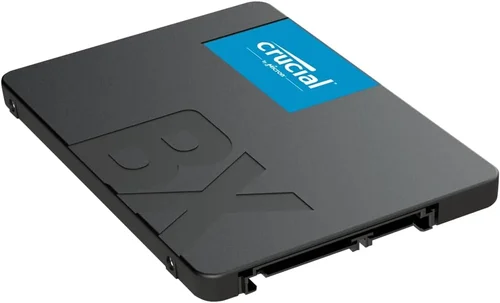
Entry-Level ($30–$80): This tier covers 250GB to 1TB SATA SSDs or budget NVMe PCIe 3.0 drives. Expect speeds around 500–3,500 MB/s, TLC NAND, and 3-year warranties. Ideal for upgrading old laptops or building a basic desktop. Examples include the Crucial BX500 or Kingston NV2.
Mid-Range ($80–$200): The sweet spot for most users. You’ll find 1TB PCIe 3.0 or 4.0 NVMe drives with excellent performance, DRAM caches, and 5-year warranties. Drives like the Samsung 980 Pro or WD Black SN770 offer great speed and reliability for gaming and productivity.
Premium ($200–$400): For enthusiasts and professionals. These are high-capacity (2TB+) PCIe 4.0 or 5.0 drives with top-tier controllers, advanced cooling, and enterprise-grade features. The Crucial T700 or Sabrent Rocket 4 Plus deliver blistering speeds and high endurance.
Luxury ($400+): Reserved for extreme workloads or future-proofing. Think 4TB+ PCIe 5.0 drives, dual-port enterprise models, or drives with hardware encryption and power-loss protection. These are overkill for most but essential for data centers or 8K video production.
Expert Tips for Getting the Best Deal
- Buy during sales cycles: Major retailers offer deep discounts during Black Friday, Cyber Monday, Amazon Prime Day, and back-to-school seasons. Sign up for deal alerts from Slickdeals or CamelCamelCamel.
- Compare prices across platforms: Check Amazon, Newegg, Best Buy, and B&H Photo. Sometimes, smaller retailers offer better bundle deals or free shipping.
- Look for open-box or refurbished deals: Certified refurbished SSDs from reputable sellers often come with full warranties and significant savings—up to 30% off retail.
- Prioritize warranty over brand hype: A 5-year warranty with responsive support is more valuable than a flashy name. Research return policies before buying.
- Test before committing: Use tools like CrystalDiskMark or AS SSD Benchmark to verify real-world performance. Some drives underperform due to poor firmware or thermal throttling.
- Consider future upgrades: If you plan to build a high-end PC, invest in a PCIe 4.0 or 5.0 drive now to avoid needing another upgrade in a year.
- Check compatibility with your OS: Ensure the SSD supports features like TRIM, Secure Erase, and native encryption for your operating system (Windows, macOS, Linux).
Frequently Asked Questions
Q: What’s the difference between SATA and NVMe SSDs?
A: SATA SSDs use the older SATA III interface, limiting speeds to ~550 MB/s. NVMe SSDs connect via PCIe lanes, enabling much faster data transfer—up to 12,000 MB/s on PCIe 5.0. NVMe is ideal for performance-critical tasks, while SATA is sufficient for basic computing.
Q: Is a DRAM cache necessary?
A: Yes, for most users. DRAM acts as a high-speed buffer for the drive’s mapping table, improving performance and longevity. DRAM-less drives can slow down under heavy use and are best avoided for anything beyond light tasks.
Q: Can I use an NVMe SSD in a SATA-only slot?
A: No. Even if the M.2 connector fits, the protocol must match. SATA M.2 slots won’t recognize NVMe drives. Always verify your motherboard’s specifications.
Q: How long do SSDs last?
A: Most consumer SSDs last 5–10 years under normal use. Endurance depends on TBW rating and usage patterns. Heavy writers should monitor drive health with tools like CrystalDiskInfo.
Q: Are QLC SSDs worth it?
A: QLC (Quad-Level Cell) NAND is cheaper and offers higher capacities but wears out faster and performs poorly under sustained writes. They’re fine for secondary storage or light use but not recommended for OS drives or heavy workloads.
Q: Do I need a heatsink for my NVMe SSD?
A: For PCIe 4.0 and 5.0 drives, yes—especially in small cases or laptops. High speeds generate heat, which can cause throttling. Many motherboards include heatsinks, or you can buy aftermarket ones.
Q: Can I clone my old HDD to a new SSD?
A: Absolutely. Use cloning software like Macrium Reflect, Acronis True Image, or Samsung Data Migration to transfer your OS, apps, and files seamlessly.
Q: What’s the best SSD for gaming?
A: A PCIe 3.0 or 4.0 NVMe SSD with at least 1TB capacity and DRAM cache. The WD Black SN850X or Samsung 980 Pro offer excellent load times and reliability.
Q: Should I buy a 2TB SSD or two 1TB drives?
A: For most users, a single 2TB drive is simpler and often cheaper. However, two 1TB drives offer redundancy and flexibility—useful for separating OS and games or creating a RAID array.
Q: Are external SSDs as fast as internal ones?
A: High-end external SSDs with USB 3.2 Gen 2×2 or Thunderbolt 3 can match internal SATA speeds (~2,000 MB/s), but they’re still slower than internal NVMe drives. Great for portability, not for max performance.
Our Final Recommendations
Best for Budget-Conscious Buyers: Crucial BX500 1TB SATA SSD – Reliable, affordable, and perfect for upgrading older systems. Offers solid performance for everyday tasks at under $0.10/GB.
Best Overall Value: Samsung 980 (non-Pro) 1TB NVMe PCIe 3.0 – Combines excellent speed, DRAM cache, and Samsung’s reputation for quality at a competitive price. Ideal for mainstream users.
Best Premium Option: WD Black SN850X 2TB NVMe PCIe 4.0 – Blazing-fast speeds, robust build, and excellent thermal management. A top choice for gamers and creators.
Best for Beginners: Kingston NV2 1TB NVMe PCIe 3.0 – Simple, reliable, and easy to install. Great first NVMe drive with no-frills performance.
Best for Advanced Users: Crucial T700 2TB NVMe PCIe 5.0 – Cutting-edge speed, high endurance, and future-proof design. Perfect for 8K editing, AI workloads, and high-performance computing.
Conclusion: Making the Right Choice
Choosing the best SSD class isn’t about picking the fastest or most expensive drive—it’s about matching the right technology to your specific needs, budget, and system capabilities. Whether you’re upgrading a aging laptop or building a dream PC, understanding factors like interface, NAND type, endurance, and real-world performance will guide you to a smart, long-lasting investment. Avoid the common pitfalls of overpaying for unused speed or underestimating endurance requirements. Instead, focus on value, compatibility, and reliability.
Remember, the best SSD is the one that enhances your workflow without breaking the bank. Take the time to research, compare, and prioritize what matters most to you. With the insights from this guide, you’re now equipped to make a confident, informed decision. Upgrade wisely, and enjoy the speed, responsiveness, and peace of mind that only a high-quality SSD can deliver.