
Solid-state drives (SSDs) have revolutionized the way we store and access data, transforming everything from boot times to application loading speeds. Whether you’re building a high-performance gaming rig, upgrading an aging laptop, or managing a professional workstation, choosing the right SSD is no longer a luxury—it’s a necessity. With storage technology evolving at a rapid pace, the market is flooded with options that promise faster speeds, greater reliability, and improved efficiency. But with so many choices, how do you know which SSD truly delivers on its promises? That’s where this comprehensive buying guide comes in.
In this detailed guide, we’ll walk you through everything you need to know to make an informed decision when purchasing an SSD in 2026. You’ll learn how to evaluate performance metrics, understand different form factors and interfaces, compare brands and warranties, and avoid common pitfalls that can lead to buyer’s remorse. We’ll also break down budget considerations, highlight the best use cases for various SSD types, and provide expert tips to help you get the most value for your money. Whether you’re a tech enthusiast, a casual user, or a professional relying on fast data access, this guide will equip you with the knowledge to choose the best SSD for your specific needs.
The SSD market in 2026 is more competitive and diverse than ever. From ultra-fast NVMe Gen5 drives to budget-friendly SATA models, manufacturers are pushing the boundaries of speed, capacity, and durability. At the same time, new technologies like QLC NAND, PCIe 5.0 support, and advanced power efficiency features are becoming mainstream. With prices continuing to drop and performance steadily improving, now is an excellent time to upgrade or invest in a new SSD. However, navigating this landscape requires more than just picking the fastest or cheapest option. It demands a strategic approach based on your usage patterns, system compatibility, and long-term goals. This guide will help you cut through the noise and find the perfect SSD that balances performance, reliability, and value.

What to Look for When Buying Buying Guide
1. Budget & Price Range
One of the most critical factors when selecting an SSD is your budget. SSDs come in a wide range of prices depending on capacity, speed, and technology. As of 2026, entry-level SATA SSDs start around $20 for 250GB, while high-end NVMe Gen5 drives can exceed $300 for 2TB. Setting a realistic budget helps narrow down your options and prevents overspending on features you may not need.
Consider what you’re using the SSD for. If you’re upgrading an older laptop for everyday tasks like web browsing and document editing, a budget SATA drive will offer a significant improvement over an HDD. However, if you’re building a gaming PC or working with large video files, investing in a faster NVMe drive makes more sense. Always compare price per gigabyte—sometimes a slightly more expensive drive offers better long-term value due to higher endurance or longer warranty.
2. Performance Specifications
Performance is where SSDs truly shine, and it’s measured primarily through read and write speeds, input/output operations per second (IOPS), and latency. These specs determine how quickly your system can access and transfer data.
For most users, sequential read/write speeds are the most important. SATA III SSDs typically max out at around 550 MB/s, while NVMe PCIe 3.0 drives can reach 3,500 MB/s. PCIe 4.0 models double that to 7,000 MB/s, and the latest PCIe 5.0 drives push beyond 12,000 MB/s. While these numbers sound impressive, real-world benefits depend on your use case. Gamers and content creators will notice a dramatic difference, but casual users may not see a significant improvement over PCIe 3.0.
IOPS matter more for multitasking and database operations. A drive with high IOPS can handle many small file operations simultaneously, which is crucial for servers or workstations running virtual machines. Latency—the time it takes to respond to a request—should be as low as possible. Look for drives with latency under 100 microseconds for optimal responsiveness.
3. Build Quality & Durability
SSDs are more durable than traditional hard drives because they have no moving parts, but not all SSDs are built equally. The quality of the NAND flash memory, controller, and firmware plays a major role in longevity and reliability.
Look for drives using 3D TLC (Triple-Level Cell) or MLC (Multi-Level Cell) NAND, which offer better endurance and data retention than QLC (Quad-Level Cell). While QLC drives are cheaper and offer higher capacities, they wear out faster under heavy write workloads. For everyday use, QLC is acceptable, but professionals should opt for TLC or MLC.
The controller is the brain of the SSD, managing data flow and wear leveling. Reputable controllers from companies like Phison, Silicon Motion, and Marvell ensure better performance and longevity. Also, check the drive’s TBW (Terabytes Written) rating—this indicates how much data can be written over the drive’s lifetime. A 1TB drive with a 600 TBW rating is more durable than one with 300 TBW.
4. Features & Functionality
Modern SSDs come with a variety of features that enhance performance, security, and usability. Understanding these can help you choose a drive that fits your workflow.
One key feature is DRAM cache. SSDs with DRAM can store mapping tables for faster access, improving both speed and longevity. DRAM-less SSDs are cheaper but may slow down under sustained workloads. For most users, a DRAM-equipped drive is worth the extra cost.
Hardware encryption is another important feature, especially for business users or those handling sensitive data. Look for SSDs with AES-256 encryption and TCG Opal compliance, which allow for secure self-encrypting drive (SED) functionality. This ensures your data remains protected even if the drive is removed from your system.
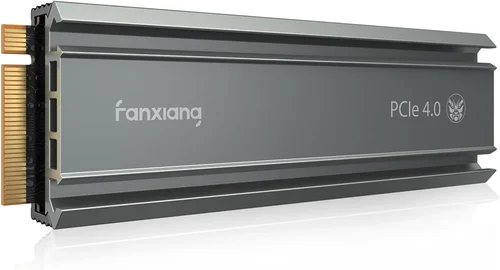
Thermal throttling protection is crucial for high-performance NVMe drives. Under heavy load, these drives can overheat and slow down. Some models include built-in heat spreaders or support for motherboard-mounted heatsinks. If you’re installing an NVMe drive in a compact case or laptop, consider a model with effective thermal management.
Additional features like power loss protection, S.M.A.R.T. monitoring, and firmware update tools add to the drive’s reliability and ease of maintenance. Always check the manufacturer’s software suite—tools like Samsung Magician or Crucial Storage Executive can help monitor health and optimize performance.
5. Brand Reputation
Brand reputation matters when it comes to SSDs. Established manufacturers like Samsung, Western Digital, Crucial, Kingston, and Sabrent have a proven track record of delivering reliable, high-performance drives. They invest heavily in R&D, quality control, and customer support.
Choosing a reputable brand reduces the risk of encountering counterfeit products or drives with hidden flaws. These companies also tend to offer better firmware updates and longer warranties. For example, Samsung’s 990 Pro comes with a 5-year warranty and excellent real-world performance, while Crucial’s P5 Plus offers great value with strong endurance ratings.
That said, some lesser-known brands like Team Group or ADATA have improved significantly and now offer competitive products at lower prices. If considering a smaller brand, research user reviews and professional benchmarks to ensure quality. Avoid ultra-cheap drives from unknown sellers—these are often rebranded or refurbished units with limited lifespan.
6. Warranty & Support
A good warranty is a strong indicator of a manufacturer’s confidence in their product. Most SSDs come with a 3- to 5-year limited warranty, but the terms vary significantly. Some warranties are based solely on time, while others include a TBW limit—whichever comes first.
For example, a 1TB drive with a 5-year warranty and 600 TBW rating will last longer under light use but may expire sooner if you write large amounts of data daily. Always check the fine print to understand what’s covered. Accidental damage, firmware issues, and manufacturing defects are typically included, but physical damage from misuse is not.
Customer support is equally important. Look for brands that offer responsive technical assistance, easy RMA processes, and online resources like FAQs and troubleshooting guides. Samsung and Western Digital, for instance, provide excellent support through live chat and phone lines. A strong support system can save you time and frustration if issues arise.
7. Size & Portability
The physical size and form factor of an SSD determine where and how it can be installed. The most common types are 2.5-inch SATA, M.2 2280, and M.2 2242. Understanding these will help you choose a drive compatible with your system.
2.5-inch SATA SSDs are the traditional form factor, fitting into standard laptop and desktop drive bays. They’re easy to install and widely compatible, making them ideal for older systems. However, they require a SATA cable and power connection, which can clutter your build.
M.2 SSDs are much smaller and connect directly to the motherboard via an M.2 slot. The “2280” designation means 22mm wide and 80mm long—the most common size. These drives are perfect for ultrabooks, mini PCs, and modern desktops. Some M.2 drives are single-sided for thinner devices, while others are double-sided for higher capacities.
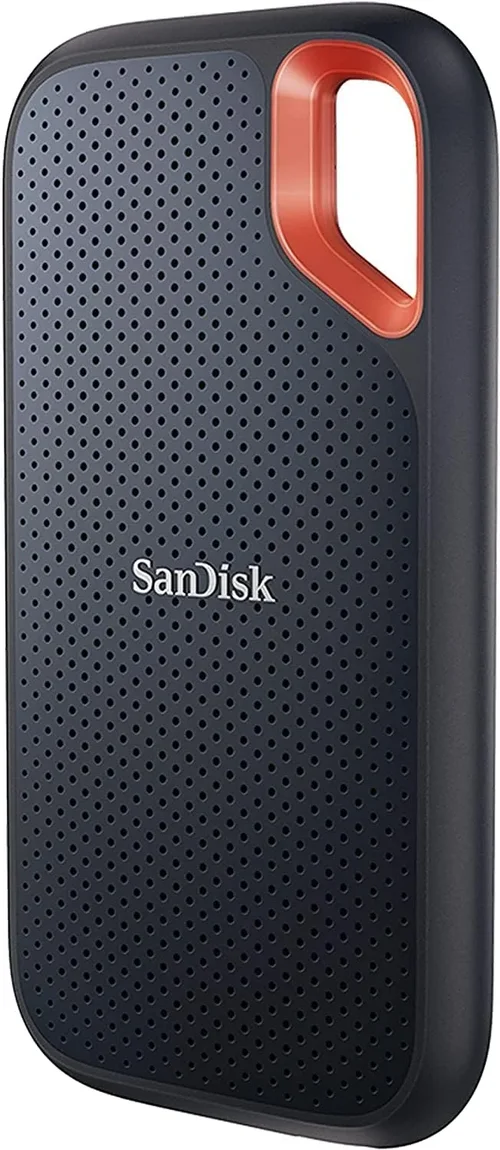
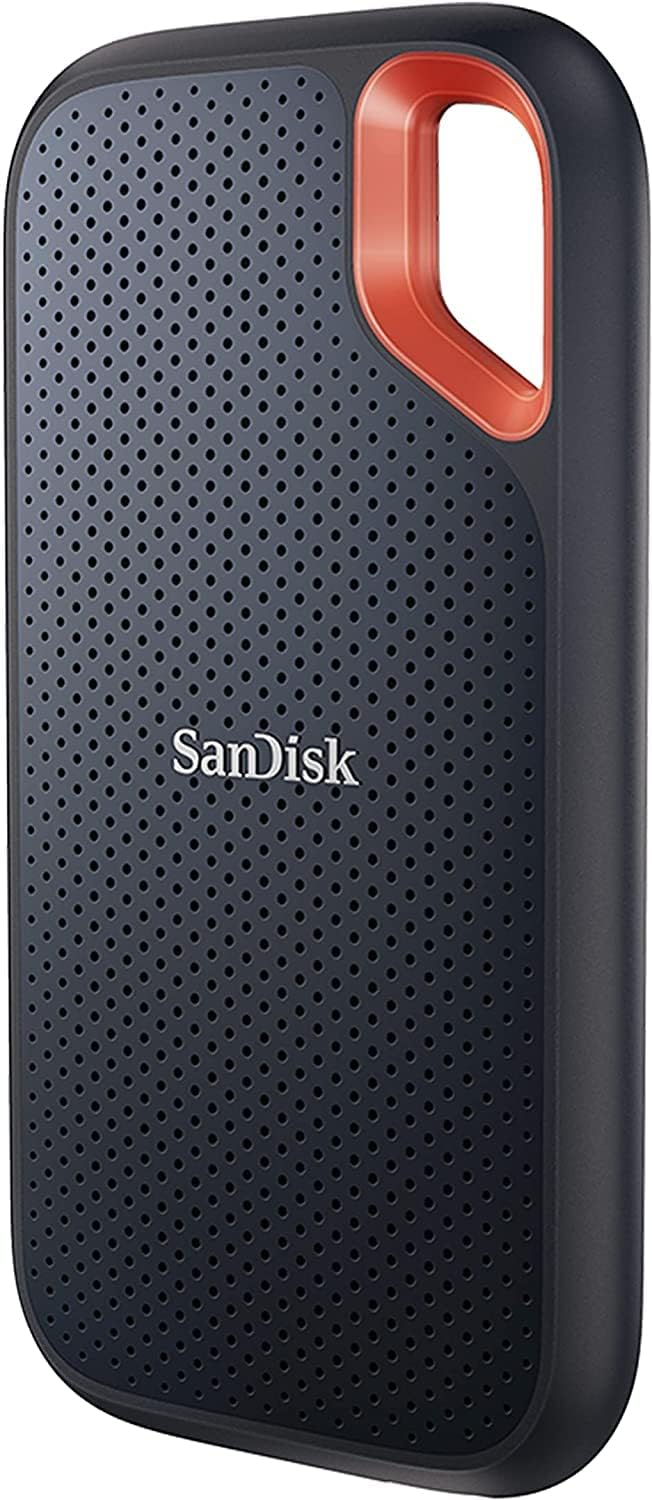
Portability is a consideration if you plan to use the SSD externally. USB 3.2 Gen 2×2 enclosures can deliver speeds up to 20 Gbps, turning an NVMe SSD into a high-speed portable drive. Look for rugged, compact enclosures with good heat dissipation if you need to carry your SSD frequently.
8. User Reviews & Ratings
While specs and brand reputation are important, real-world performance often tells a different story. User reviews and professional benchmarks provide valuable insights into how an SSD performs under actual usage conditions.
Check platforms like Amazon, Newegg, and Best Buy for customer feedback. Look for patterns in reviews—consistent complaints about slowdowns, overheating, or early failure are red flags. Pay attention to verified purchase reviews, as they’re more likely to be genuine.
Professional reviews from sites like Tom’s Hardware, AnandTech, and PCMag offer in-depth testing across multiple scenarios. These reviews often include synthetic benchmarks, real-world file transfer tests, and endurance evaluations. They can help you compare drives side by side and identify which ones deliver consistent performance over time.
Don’t rely solely on star ratings. A 4.5-star average might hide issues mentioned in detailed reviews. Read both positive and negative feedback to get a balanced perspective. Also, check how long the drive has been on the market—newer models may not have enough long-term data to assess reliability.
Different Types of Buying Guide

Common Buying Mistakes to Avoid
❌ Mistake: Ignoring Compatibility
Why it’s bad: Not all SSDs work with every system. Installing an NVMe drive in a motherboard that only supports SATA will result in a non-functional drive. Similarly, some laptops have limited M.2 slot configurations or BIOS restrictions.
What to do instead: Always check your device’s specifications before buying. Use tools like Crucial’s System Scanner or consult your motherboard/laptop manual to confirm supported interfaces and form factors.
❌ Mistake: Overpaying for Unnecessary Speed
Why it’s bad: PCIe 5.0 drives offer incredible speeds, but most users won’t notice the difference in everyday tasks. Paying a premium for performance you can’t utilize is a waste of money.
What to do instead: Match the SSD to your use case. Gamers and creators benefit from PCIe 4.0, while casual users are better off with PCIe 3.0 or SATA.
❌ Mistake: Choosing the Cheapest Option Without Research
Why it’s bad: Ultra-low-cost SSDs often use inferior components, lack DRAM, or have poor endurance. They may fail prematurely or slow down significantly over time.
What to do instead: Prioritize value over price. Look for drives with good reviews, solid TBW ratings, and reputable brands—even if they cost a bit more.
❌ Mistake: Neglecting Thermal Management
Why it’s bad: High-speed NVMe drives generate heat, which can cause thermal throttling and reduce performance. In compact builds, this can lead to system instability.
What to do instead: Use a heatsink if your case supports it, or choose an SSD with built-in thermal protection. Monitor temperatures using tools like HWInfo.
❌ Mistake: Overlooking Warranty Terms
Why it’s bad: A long warranty doesn’t always mean better coverage. Some warranties are voided if the TBW limit is reached early, even if the drive is still functional.
What to do instead: Read the warranty details carefully. Choose drives with generous TBW ratings and clear, customer-friendly return policies.
❌ Mistake: Buying Based Solely on Marketing Claims
Why it’s bad: Manufacturers often highlight peak speeds in ideal conditions, which don’t reflect real-world performance. A drive advertised as “12,000 MB/s” may only reach half that in sustained workloads.
What to do instead: Rely on independent benchmarks and user reviews. Look for consistent performance across multiple tests, not just peak numbers.
❌ Mistake: Forgetting About Future-Proofing
Why it’s bad: Buying a SATA SSD in 2026 may limit your system’s potential, especially if you plan to upgrade your motherboard or CPU soon.
What to do instead: If your budget allows, invest in a PCIe 4.0 or 5.0 drive for longer relevance. Even if your current system doesn’t support it, future upgrades will.
Budget Guidelines: How Much Should You Spend?
Entry-Level ($20 – $60): This tier is ideal for basic upgrades and light computing. Expect SATA III or DRAM-less NVMe drives with capacities from 250GB to 500GB. While performance is modest, these drives offer a massive improvement over HDDs and are perfect for older systems or secondary storage.
Mid-Range ($60 – $150): The sweet spot for most users. Here you’ll find reliable NVMe PCIe 3.0 and 4.0 drives with 1TB capacity, DRAM cache, and strong endurance. These drives deliver excellent performance for gaming, multitasking, and everyday productivity without breaking the bank.
Premium ($150 – $300): Designed for enthusiasts and professionals. These SSDs feature PCIe 4.0 or 5.0 interfaces, high TBW ratings, advanced thermal management, and robust software suites. Ideal for content creators, gamers, and power users who demand top-tier performance and reliability.
Luxury ($300+): Top-of-the-line drives with cutting-edge technology, massive capacities (up to 8TB), and enterprise-grade features. These are overkill for most consumers but valuable for servers, workstations, and high-end builds where speed and durability are critical.
Expert Tips for Getting the Best Deal
- Buy During Sales Events: Major retailers offer deep discounts during Black Friday, Prime Day, and back-to-school seasons. Sign up for deal alerts to stay informed.
- Compare Prices Across Retailers: Use price comparison tools like Google Shopping or Slickdeals to find the lowest price. Don’t forget to factor in shipping and return policies.
- Check for Bundled Deals: Some manufacturers offer free software, migration tools, or extended warranties when you buy directly from their website.
- Consider Refurbished Units: Certified refurbished SSDs from reputable sellers often come with full warranties and can save you 20–30%.
- Monitor TBW and Health: Use manufacturer tools to track your SSD’s health and avoid unexpected failures. Replace drives before they reach their endurance limit.
- Test Before Committing: If possible, test the SSD in your system before finalizing the purchase. Some retailers offer generous return windows for this purpose.
- Prioritize Warranty Over Price: A slightly more expensive drive with a better warranty and support can save you money and hassle in the long run.
Frequently Asked Questions
Q: What’s the difference between SATA and NVMe SSDs?
A: SATA SSDs use the older SATA interface, limiting speeds to around 550 MB/s. NVMe SSDs use the PCIe interface, allowing much faster data transfer—up to 12,000 MB/s on PCIe 5.0. NVMe drives are also smaller and connect directly to the motherboard.
Q: Can I use an NVMe SSD in a SATA slot?
A: No. NVMe and SATA use different connectors and protocols. However, some M.2 slots support both, so check your motherboard manual to confirm compatibility.
Q: How long do SSDs last?
A: Most consumer SSDs last 5–10 years under normal use, depending on usage patterns and TBW ratings. Modern drives are highly reliable, and failure due to wear is rare before the warranty period ends.
Q: Do I need a heatsink for my NVMe SSD?
A: Not always, but recommended for PCIe 4.0 and 5.0 drives under heavy load. Heatsinks prevent thermal throttling and maintain peak performance during extended use.
Q: Can I recover data from a failed SSD?
A: Data recovery from SSDs is more complex than from HDDs and often requires professional services. Regular backups are essential to prevent data loss.
Q: Are external SSDs as fast as internal ones?
A: It depends on the interface. USB 3.2 Gen 2×2 can deliver up to 20 Gbps, matching PCIe 3.0 speeds. Thunderbolt 4 offers even faster performance,接近 internal NVMe speeds.
Q: Should I enable TRIM on my SSD?
A: Yes. TRIM helps maintain performance by allowing the OS to inform the SSD which blocks are no longer in use. It’s usually enabled by default in modern operating systems.
Q: Can I use an SSD as a boot drive?
A: Absolutely. In fact, using an SSD as your primary boot drive significantly improves system responsiveness, boot times, and application loading speeds.
Q: What’s the best SSD for gaming?
A: A PCIe 4.0 NVMe SSD with at least 1TB capacity offers the best balance of speed, capacity, and value for gaming. Look for drives with low latency and high IOPS.
Q: Do SSDs improve laptop battery life?
A: Yes, slightly. SSDs consume less power than HDDs because they have no moving parts, which can extend battery life by 10–15 minutes on average.
Our Final Recommendations
Best for Budget-Conscious Buyers: Crucial MX500 (1TB SATA) – Reliable, affordable, and widely compatible. Perfect for upgrading older systems without breaking the bank.
Best Overall Value: Samsung 980 (1TB NVMe PCIe 3.0) – Excellent performance, strong endurance, and Samsung’s trusted software suite. A great all-rounder for most users.
Best Premium Option: Samsung 990 Pro (2TB NVMe PCIe 4.0) – Blazing-fast speeds, top-tier endurance, and advanced thermal management. Ideal for gamers and professionals.
Best for Beginners: Western Digital Blue SN570 (1TB NVMe) – Easy to install, reliable, and comes with user-friendly software. Great for first-time SSD buyers.
Best for Advanced Users: Seagate FireCuda 530 (2TB NVMe PCIe 4.0) – High performance, 1,000 TBW endurance, and built-in heat spreader. Built for demanding workloads and overclocking.
Conclusion: Making the Right Choice
Choosing the best SSD in 2026 doesn’t have to be overwhelming. By focusing on your specific needs—whether it’s speed, capacity, durability, or budget—you can narrow down the options and find a drive that delivers real value. Remember to prioritize compatibility, check real-world performance, and don’t overlook warranty and support.
Whether you’re upgrading an old laptop, building a new PC, or expanding your storage, the right SSD can transform your computing experience. Take the time to research, compare, and invest wisely. With the insights from this guide, you’re now equipped to make a confident, informed decision that will serve you well for years to come.
Ready to upgrade? Start by assessing your current system and usage patterns, then explore the recommendations above. Your faster, more responsive computer is just one SSD away.