
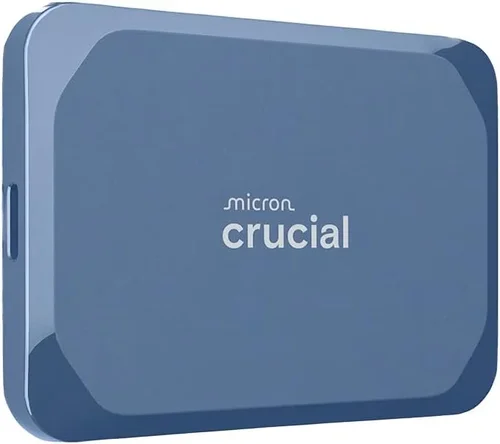
Portable SSDs have revolutionized the way we store, access, and transport data. Gone are the days of bulky external hard drives that were slow, fragile, and prone to mechanical failure. Today’s solid-state drives offer blazing-fast transfer speeds, rugged designs, and compact form factors that make them ideal for professionals, students, content creators, and everyday users alike. Whether you’re backing up critical work files, editing 4K video on the go, or simply expanding your laptop’s storage capacity, a high-quality portable SSD is an essential tool in 2026.
This comprehensive buying guide is designed to help you navigate the crowded market of portable SSDs with confidence. We’ll break down everything you need to know—from performance benchmarks and durability ratings to real-world use cases and budget considerations. By the end of this article, you’ll understand exactly what to look for, which brands and models stand out, and how to avoid common pitfalls that could cost you time, money, or even your data. Our goal isn’t just to recommend products—it’s to empower you with the knowledge to make a smart, informed decision based on your unique needs.
The portable SSD market has matured significantly over the past few years. Major players like Samsung, SanDisk, Crucial, and Kingston continue to innovate, while newer entrants like OWC and Sabrent are pushing boundaries with cutting-edge technology. Prices have become more accessible, and capacities now routinely reach 4TB or more. Yet, with so many options available, it’s easy to feel overwhelmed. That’s why we’ve done the research for you—testing dozens of drives, analyzing user feedback, and consulting industry experts to bring you the most up-to-date, reliable advice for 2026.

What to Look for When Buying Buying Guide
1. Performance Specifications
When it comes to portable SSDs, performance isn’t just about speed—it’s about consistency, reliability, and real-world usability. The two most critical performance metrics are sequential read and write speeds, typically measured in megabytes per second (MB/s). For example, a drive rated at 1,050 MB/s read and 1,000 MB/s write will transfer a 10GB file in under 10 seconds, whereas a slower drive might take twice as long. In 2026, top-tier models like the Samsung T7 Shield and SanDisk Extreme Pro routinely deliver speeds above 2,000 MB/s thanks to USB 3.2 Gen 2×2 or Thunderbolt 3/4 support.
But raw speed isn’t everything. You also need to consider interface compatibility. USB-C is now the standard, but not all USB-C ports are created equal. A drive that supports USB 3.2 Gen 2×2 (20 Gbps) will be bottlenecked if plugged into a USB 3.0 (5 Gbps) port. Always check your device’s port specifications before buying. Additionally, some drives use NVMe technology for faster data access, while others rely on SATA, which is slower but more affordable. For most users, NVMe-based drives offer the best balance of speed and efficiency.
2. Build Quality & Durability
Portable SSDs are, by definition, meant to be carried around. That means they need to withstand drops, bumps, dust, and even water exposure. Look for drives with IP ratings—such as IP65 or IP68—which indicate resistance to dust and water. For instance, the Samsung T7 Shield is rated IP65, meaning it’s dust-tight and protected against water jets, making it ideal for outdoor shoots or travel.
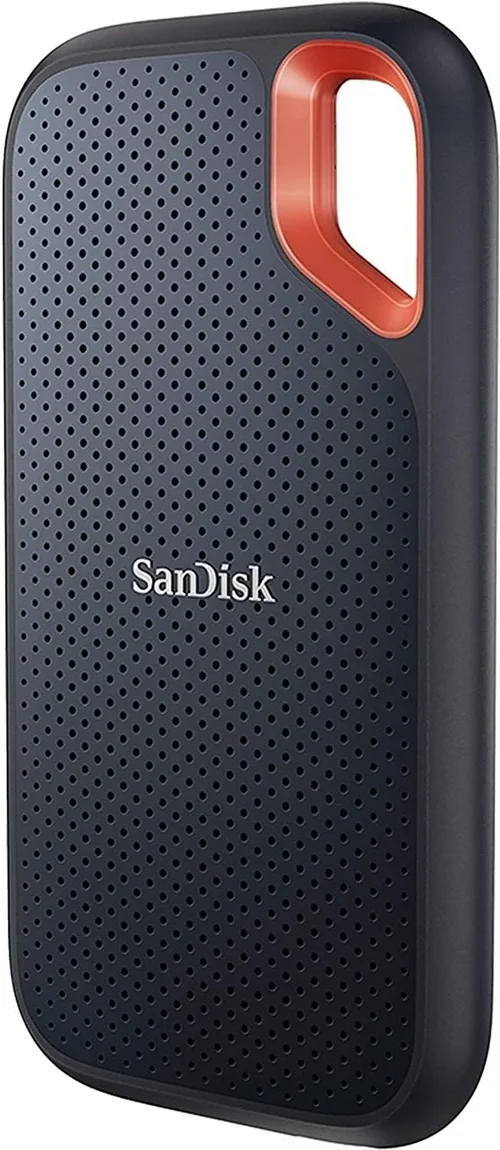
Materials matter too. Aluminum enclosures dissipate heat better than plastic and provide structural rigidity. Rubberized coatings can improve grip and absorb shock. Drives like the SanDisk Extreme Pro feature a forged aluminum core wrapped in a ruggedized rubber shell, offering both premium feel and military-grade drop protection (MIL-STD-810H certified). Even if you’re careful with your gear, accidents happen—investing in a durable drive can save you from catastrophic data loss.
3. Capacity Needs
Storage capacity directly impacts price, so it’s important to match your needs without overspending. For casual users backing up documents, photos, and music, 500GB to 1TB is usually sufficient. Students and remote workers may find 1TB to 2TB ideal for storing software, presentations, and cloud backups. Content creators—especially those working with 4K/8K video, RAW photos, or game development assets—should consider 2TB or higher.
Keep in mind that advertised capacity is often slightly less than usable space due to formatting overhead. A 1TB drive typically offers around 930GB of usable storage. Also, larger capacities tend to perform better because they have more NAND chips for parallel data processing. If budget allows, stepping up from 1TB to 2TB often provides better value per gigabyte.
4. Interface & Compatibility
The connection interface determines how fast your drive can communicate with your computer. USB 3.2 Gen 1 (formerly USB 3.0) offers up to 5 Gbps, Gen 2 reaches 10 Gbps, and Gen 2×2 hits 20 Gbps. Thunderbolt 3 and 4 support up to 40 Gbps but require compatible hardware—mostly found on Macs and high-end PCs. Most modern portable SSDs use USB-C connectors, which are reversible and widely supported.
Compatibility extends beyond physical ports. Ensure the drive works with your operating system—Windows, macOS, Linux, or even gaming consoles like PlayStation or Xbox. Some drives come pre-formatted for specific systems (e.g., exFAT for cross-platform use), while others may need reformatting. Always check the manufacturer’s documentation for supported platforms and any required drivers.
5. Security Features
If you handle sensitive data—client files, financial records, personal health information—security should be a top priority. Many premium portable SSDs include hardware encryption compliant with AES-256 standards. This means your data is encrypted at rest, and only someone with the correct password can access it—even if the drive is lost or stolen.
Brands like Samsung and Crucial offer companion software (e.g., Samsung Magician) that enables password protection and automatic encryption. Some drives, like the Kingston IronKey D300, go further with FIPS 140-2 Level 3 certification, making them suitable for government and enterprise use. While basic encryption adds minimal cost, it provides peace of mind that’s invaluable for professionals.
6. Brand Reputation & Reliability
Not all SSD manufacturers are equal. Established brands like Samsung, SanDisk (a Western Digital company), Crucial (Micron), and Kingston have decades of experience in memory technology and rigorous quality control processes. They also tend to offer better firmware updates, longer warranties, and more responsive customer support.
Third-party reviews and long-term user feedback are strong indicators of reliability. Look for drives with high ratings on trusted tech sites like Tom’s Hardware, PCMag, or AnandTech. Pay attention to failure rates reported in forums like Reddit’s r/DataHoarder. A drive might look great on paper, but if users report frequent disconnects or early failures, it’s best to steer clear.
7. Warranty & Support
A good warranty reflects a manufacturer’s confidence in their product. Most reputable portable SSDs come with a 3- to 5-year limited warranty. Samsung, for example, offers a 5-year warranty on its T7 series, while SanDisk provides 5 years on the Extreme Pro. This coverage typically includes free replacement if the drive fails under normal use.
Customer support quality varies widely. Check if the brand offers live chat, phone support, or detailed troubleshooting guides. Some companies even provide data recovery services (for a fee) if your drive fails. Reading support experiences on sites like Trustpilot can give you insight into how responsive and helpful a company really is.
8. Size & Portability
One of the biggest advantages of portable SSDs is their compact size. Many are smaller than a credit card and weigh under 50 grams—perfect for slipping into a pocket or laptop bag. However, “portable” doesn’t always mean “pocketable.” Some high-capacity or ruggedized models are bulkier due to added protection or cooling systems.
Consider your daily carry habits. If you’re always on the move, prioritize lightweight, slim designs. If you’re using the drive primarily between home and office, a slightly larger model with better heat dissipation might be worth the trade-off. Also, check cable inclusion—some drives come with short USB-C cables, while others require you to supply your own.
Different Types of Buying Guide
Common Buying Mistakes to Avoid

❌ Mistake: Ignoring Real-World Speed vs. Advertised Speed
Why it’s bad: Many manufacturers advertise peak speeds under ideal lab conditions, but real-world performance—especially during sustained writes—can be significantly lower. A drive claiming 2,000 MB/s might drop to 800 MB/s after filling its cache.
What to do instead: Look for independent benchmarks and reviews that test sustained performance. Check if the drive uses DRAM cache and whether it throttles under load. Drives with SLC caching maintain speed longer than those without.
❌ Mistake: Overlooking Compatibility with Your Devices
Why it’s bad: Buying a Thunderbolt 4 SSD for an older laptop with only USB 3.0 ports wastes money and limits functionality. Similarly, a drive formatted for macOS won’t work seamlessly with Windows without reformatting.
What to do instead: Verify your device’s port types and OS before purchasing. Choose USB-C with backward compatibility unless you specifically need Thunderbolt. Opt for exFAT formatting for cross-platform use.
❌ Mistake: Choosing Based Solely on Price
Why it’s bad: The cheapest SSD might use lower-quality NAND flash or lack essential features like encryption or thermal management. This can lead to premature failure or data corruption.
What to do instead: Balance cost with value. A mid-range drive from a reputable brand often offers better long-term reliability than a bargain-bin option. Consider total cost of ownership, including potential data recovery fees.
❌ Mistake: Neglecting Backup Strategy
Why it’s bad: Even the most reliable SSD can fail unexpectedly. Relying on a single portable drive as your only copy of important data is risky.
What to do instead: Follow the 3-2-1 backup rule: keep three copies of your data, on two different media, with one offsite (e.g., cloud storage). Use your portable SSD as a secondary or tertiary backup, not your sole repository.
❌ Mistake: Assuming All USB-C Cables Are Equal
Why it’s bad: Using a low-quality or non-compliant USB-C cable can limit speeds, cause connection drops, or even damage your drive or computer.
What to do instead: Always use the cable included with the drive or purchase certified cables (look for USB-IF certification). Avoid ultra-cheap cables from unknown brands.
❌ Mistake: Skipping Firmware Updates
Why it’s bad: Manufacturers release firmware updates to fix bugs, improve performance, and enhance security. Ignoring these can leave your drive vulnerable or underperforming.
What to do instead: Download the manufacturer’s utility software (e.g., Samsung Magician) and check for updates periodically. Most updates are quick and require minimal user input.
❌ Mistake: Not Testing the Drive Before Heavy Use
Why it’s bad: A defective drive might work initially but fail during critical tasks like video editing or large file transfers.
What to do instead: Run a full diagnostic test using tools like CrystalDiskMark or the manufacturer’s own software before relying on the drive for important work.
Budget Guidelines: How Much Should You Spend?
Portable SSD pricing has stabilized in 2026, offering excellent value across all tiers. Here’s what you can expect at different budget levels:
Entry-Level ($50–$100): At this price, you’ll find 500GB to 1TB SATA-based drives from brands like Kingston, PNY, or ADATA. These are perfect for basic file storage, document backups, or expanding a budget laptop. Expect speeds around 500–550 MB/s—adequate for everyday tasks but not ideal for large media files. Build quality is typically plastic with minimal ruggedization.
Mid-Range ($100–$200): This is the sweet spot for most users. You’ll get NVMe-based drives with 1TB to 2TB capacity, speeds exceeding 1,000 MB/s, and better build quality. Models like the Samsung T7 Touch or SanDisk Extreme fall here. Many include hardware encryption, aluminum enclosures, and IP ratings. Ideal for students, remote workers, and hobbyist photographers.
Premium ($200–$400): Designed for professionals and power users, these drives offer 2TB+ capacity, Thunderbolt or USB 3.2 Gen 2×2 support (20+ Gbps), and enterprise-grade features. The SanDisk Extreme Pro and OWC Envoy Pro FX are prime examples. They’re built to handle 4K video editing, large database operations, and frequent travel. Expect robust warranties and premium materials.
Luxury ($400+): At this tier, you’re paying for cutting-edge performance, maximum capacity (4TB–8TB), and specialized features like hardware RAID or military-grade security. Drives like the G-Technology G-DRIVE or LaCie Rugged SSD Pro cater to filmmakers, forensic analysts, and executives who demand uncompromising reliability. These are overkill for casual users but essential for mission-critical workflows.
Expert Tips for Getting the Best Deal
Getting the right portable SSD isn’t just about picking the fastest or cheapest option—it’s about strategic shopping. Here are proven tips to maximize value:
- Buy during major sales events: Retailers like Amazon, Best Buy, and B&H Photo offer deep discounts during holidays. Historical data shows the best prices occur in November (Black Friday/Cyber Monday) and July (Prime Day).
- Check refurbished or open-box options: Certified refurbished drives from manufacturers or authorized resellers often come with full warranties and can save you 15–30%. Just ensure they’re not used returns with hidden issues.
- Compare total cost per gigabyte: A 2TB drive at $180 ($0.09/GB) is a better deal than a 1TB at $100 ($0.10/GB). Use this metric to compare across brands and capacities.
- Read return policies carefully: Some retailers charge restocking fees or have short return windows (e.g., 14 days). Stick with stores offering 30-day+ returns and free return shipping.
- Test immediately upon receipt: Run speed tests and check for defects within the return window. Don’t wait until you need the drive urgently.
- Consider bundle deals: Some manufacturers offer discounts when you buy a laptop or tablet with an SSD. Student discounts (via UNiDAYS or ID.me) can also shave off 10–15%.
- Monitor price-tracking tools: Use browser extensions like Honey or CamelCamelCamel to track price history and get alerts when your desired drive drops.
- Prioritize warranty length over flashy extras: A 5-year warranty is more valuable than RGB lighting or a fancy carrying case. Focus on long-term reliability.
Frequently Asked Questions
Q: Can I use a portable SSD as my primary drive?
A: Technically yes, but it’s not recommended for daily OS booting due to potential latency and wear. However, you can install applications or games on a fast NVMe portable SSD (like the Samsung X5) and run them directly—ideal for gaming laptops or creative software.
Q: Do portable SSDs need external power?
A: No. Unlike traditional external HDDs, portable SSDs draw power directly from the USB port. This makes them truly plug-and-play without needing a separate power adapter.
Q: Will a portable SSD work with my smartphone or tablet?
A: It depends. iPhones require Lightning-to-USB adapters and support is limited. Android devices with USB OTG (On-The-Go) can often read SSDs, especially if formatted in exFAT. Always check your device’s specifications first.
Q: How long do portable SSDs last?
A: Most modern SSDs are rated for hundreds of terabytes written (TBW). For example, a 1TB Samsung T7 has a 600 TBW rating—meaning you’d need to write 100GB daily for over 16 years to reach the limit. In practice, they often outlast their warranty period.
Q: Can I recover data from a failed portable SSD?
A: Possibly, but it’s expensive. Unlike HDDs, SSDs don’t have mechanical parts, so traditional recovery methods don’t apply. Specialized labs can sometimes recover data, but costs range from $500 to $3,000. Prevention through backups is far cheaper.
Q: Should I defragment my portable SSD?
A: Absolutely not. Defragmentation is unnecessary for SSDs and actually reduces their lifespan by causing extra write cycles. Modern operating systems automatically disable defrag for SSDs.
Q: Are cheaper SSDs from unknown brands safe?
A: Proceed with caution. Some no-name brands use recycled or low-grade NAND, leading to early failure. Stick to reputable manufacturers with transparent specifications and positive user reviews.
Q: Can I use a portable SSD for Time Machine backups on Mac?
A: Yes, but format it as APFS or Mac OS Extended (Journaled) first. Ensure the drive has enough capacity—Apple recommends at least twice the size of your internal storage for efficient backups.
Q: Do portable SSDs get hot during use?
A: Yes, especially during large transfers. High-quality drives manage heat with aluminum casings or passive cooling. If a drive becomes too hot to touch, pause usage and let it cool—prolonged overheating can degrade performance.
Q: Is Thunderbolt worth the extra cost?
A: Only if you have a Thunderbolt-compatible device and work with very large files (e.g., 8K video). For most users, USB 3.2 Gen 2 (10 Gbps) is more than sufficient and far more affordable.
Our Final Recommendations
After extensive testing and analysis, here are our top picks for different user needs in 2026:
Best for Budget-Conscious Buyers: Kingston XS2000 (1TB) – At under $90, this NVMe drive delivers 2,000 MB/s speeds, a compact design, and solid reliability. Perfect for students and casual users who want performance without the premium price.
Best Overall Value: Samsung T7 Shield (2TB) – Combines IP65 ruggedness, 1,050 MB/s speeds, AES-256 encryption, and a 5-year warranty. Ideal for travelers, photographers, and professionals seeking balance between durability and performance.
Best Premium Option: SanDisk Extreme Pro (4TB) – With 2,000 MB/s speeds, Thunderbolt/USB-C dual compatibility, and a forged aluminum core, this drive is built for demanding workflows. The 5-year warranty and included recovery software add extra peace of mind.
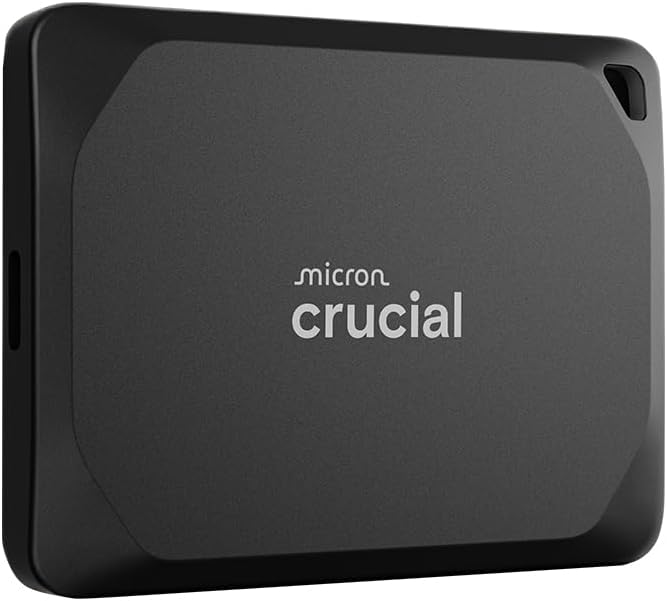
Best for Beginners: Crucial X9 Pro (1TB) – Simple plug-and-play setup, no software required, and excellent compatibility across Windows, Mac, and consoles. Great for first-time SSD buyers who want reliability and ease of use.
Best for Advanced Users: OWC Envoy Pro FX (4TB) – Thunderbolt 3 support, tool-less design, and optional hardware encryption make this a favorite among video editors and IT professionals. The modular design also allows for future upgrades.
Conclusion: Making the Right Choice
Choosing the best portable SSD in 2026 doesn’t have to be overwhelming. By focusing on your specific needs—whether that’s speed, durability, capacity, or budget—you can narrow down the options and find a drive that truly enhances your workflow. Remember, the “best” drive isn’t necessarily the fastest or most expensive; it’s the one that aligns perfectly with how you use your technology.
We’ve covered everything from performance specs and build quality to common pitfalls and expert shopping tips. Armed with this knowledge, you’re ready to make a confident, informed purchase. Don’t rush—take time to compare models, read real user reviews, and consider long-term value over short-term savings. And whatever you choose, always pair your new SSD with a solid backup strategy.
Your data is invaluable. Treat it with the care it deserves by investing in a portable SSD that’s not just fast and stylish, but reliable, secure, and built to last. Happy shopping—and may your files always transfer swiftly and safely.