

The world of external SSDs has exploded in recent years, transforming from a niche accessory for tech enthusiasts into a must-have tool for everyday users, creative professionals, and remote workers alike. Whether you’re backing up precious family photos, editing 4K video on the go, or simply expanding your laptop’s storage without opening it up, an external SSD offers speed, reliability, and portability that traditional hard drives simply can’t match. But with so many options flooding the market—ranging from budget-friendly models to high-performance drives with military-grade durability—it’s easy to feel overwhelmed when trying to choose the right one.
That’s exactly why this comprehensive buying guide exists. We’ve spent months researching, testing, and comparing dozens of external SSDs across every price point and use case to bring you the most up-to-date, expert-level advice for 2026. You’ll learn not just which drives are currently the best, but why they stand out—and how to match your specific needs (budget, performance, durability, portability) to the right product. From understanding technical specs like NVMe vs. SATA to decoding real-world speed differences, we’ll demystify the jargon so you can make a confident, informed decision. Whether you’re a student, photographer, gamer, or business traveler, this guide will help you find the perfect external SSD without overspending or settling for less.
The external SSD market today is more dynamic than ever. Major brands like Samsung, SanDisk, Crucial, and WD continue to push boundaries with faster interfaces (USB 3.2 Gen 2×2, Thunderbolt 4), sleeker designs, and smarter software ecosystems. Meanwhile, newer players like Sabrent and OWC are offering compelling alternatives at competitive prices. At the same time, counterfeit drives and misleading marketing claims have become more prevalent, making it harder for average consumers to spot quality. This guide cuts through the noise, focusing on verified performance, build integrity, and long-term value—so you don’t end up with a slow, fragile, or unsupported drive that fails when you need it most.

What to Look for When Buying Buying Guide
1. Performance Specifications
Performance is arguably the most critical factor when choosing an external SSD—but it’s also the most misunderstood. Don’t just look at the headline “up to” speed numbers; dig deeper into the interface, protocol, and real-world benchmarks. Most modern external SSDs use either USB 3.2 Gen 2 (10 Gbps), USB 3.2 Gen 2×2 (20 Gbps), or Thunderbolt 3/4 (40 Gbps). The higher the bandwidth, the faster your data transfers—but only if your computer supports it. For example, a Thunderbolt 4 drive plugged into a USB-C 3.2 Gen 2 port will max out at 10 Gbps, wasting its potential.
Inside the drive, you’ll typically find either a SATA-based SSD (slower, capped around 550 MB/s) or an NVMe-based SSD (much faster, often 1,000–2,800 MB/s or more). NVMe drives are ideal for large file transfers, video editing, or running applications directly from the drive. SATA SSDs are slower but often cheaper and sufficient for basic backups or document storage. Always check sustained write speeds too—many drives advertise peak read speeds but throttle significantly during prolonged writes due to thermal limits. Look for models with built-in heat sinks or thermal throttling management if you plan to transfer multi-gigabyte files regularly.
2. Build Quality & Durability
An external SSD isn’t just a storage device—it’s a portable asset that could be dropped, exposed to dust, or left in a hot car. That’s why build quality matters immensely. Premium drives often feature aluminum enclosures that dissipate heat and provide structural rigidity, while ruggedized models include rubberized coatings, shock resistance (MIL-STD-810H certification), and IP ratings for water and dust resistance (e.g., IP65 or IP68). If you’re a traveler, field photographer, or outdoor content creator, investing in a rugged drive isn’t optional—it’s essential.
Pay attention to the internal mounting as well. Some cheaper drives use loose SSD modules that can shift during impact, risking data loss. Others secure the NAND and controller firmly within the chassis. Also consider connector durability: USB-C ports should feel snug and reinforced. Avoid flimsy plastic housings—they may save weight but won’t survive daily commutes or accidental drops. A well-built SSD might cost more upfront, but it’ll last years longer and protect your data far better than a fragile alternative.
3. Capacity Needs
Capacity directly impacts both price and usability. For light users—students, office workers, or casual photographers—500GB to 1TB is usually sufficient for documents, apps, and moderate media libraries. However, if you work with 4K/8K video, RAW photos, or large game libraries, 2TB or even 4TB becomes necessary. Keep in mind that SSD prices per gigabyte drop significantly at higher capacities, so stepping up from 1TB to 2TB often offers better long-term value.
Avoid the temptation to buy the smallest capacity just to save money. Running an SSD below 10–15% free space can degrade performance over time due to lack of over-provisioning (space reserved for wear leveling and garbage collection). Also, remember that advertised capacity is measured in decimal (1TB = 1,000GB), while your OS reports in binary (1TiB ≈ 931GB)—so you’ll always see slightly less usable space than expected. Plan accordingly, especially if you’re archiving critical data.
4. Portability & Form Factor
One of the biggest advantages of external SSDs is their pocket-sized convenience. But not all compact drives are created equal. Look for drives under 100 grams with dimensions smaller than a deck of cards—ideal for slipping into a laptop bag or even a jacket pocket. Some ultra-portable models, like the Samsung T7 Shield or SanDisk Extreme Pro, weigh less than 60g and fit comfortably in the palm of your hand.
Consider cable inclusion too. Many drives now ship with short USB-C to USB-C and USB-C to USB-A cables, which is great for compatibility. However, some omit cables entirely to cut costs—double-check what’s in the box. Also, avoid drives with protruding connectors or awkwardly shaped designs that snag on pockets or bags. A sleek, low-profile design not only looks professional but also reduces the risk of damage during transport.
5. Compatibility & Connectivity
Your SSD is only as useful as its ability to connect to your devices. Ensure the drive supports your computer’s ports: USB-C is now standard on MacBooks, Windows laptops, and even many tablets, but older systems may still rely on USB-A. Most modern drives include dual cables or reversible connectors to bridge this gap. However, Thunderbolt drives only work at full speed with Thunderbolt-enabled hosts—plugging one into a non-Thunderbolt USB-C port limits it to USB speeds.
Operating system compatibility is another hidden pitfall. While most SSDs are preformatted for exFAT (compatible with Windows and macOS), some come formatted for NTFS (Windows-only) or APFS (macOS-only). Reformatting is possible but erases all data, so check the default file system before buying—especially if you switch between platforms. Also verify driver support: some enterprise-focused drives require proprietary software that may not be available on all systems.
6. Brand Reputation & Ecosystem
Not all SSD brands are equal in terms of reliability, software support, and firmware updates. Established names like Samsung, Crucial (Micron), and Western Digital have decades of NAND manufacturing experience and rigorous quality control. Their drives often include useful utilities like encryption tools, backup software, and firmware updaters. Lesser-known brands might offer tempting prices, but they may lack long-term support or use lower-grade components.
Consider the ecosystem too. If you already use Samsung phones or SanDisk memory cards, sticking with the same brand can simplify backups and cross-device workflows. Some drives even integrate with cloud services or offer hardware encryption synced to your account. Avoid no-name brands sold exclusively through third-party marketplaces—they’re more likely to be counterfeit or use recycled NAND chips with reduced lifespans.
7. Warranty & Support
A solid warranty is a strong indicator of a manufacturer’s confidence in their product. Most reputable external SSDs come with 3- to 5-year limited warranties, covering defects and premature failure. However, warranties rarely cover physical damage or data loss—so always maintain separate backups. Check whether the warranty is transferable (important if you resell) and whether support includes live chat, phone, or email assistance.
Be wary of “lifetime” warranties—they’re often marketing gimmicks that expire after a few years or require registration within a narrow window. Also, note that warranty claims usually require proof of purchase and original packaging, so keep your receipt and box. Some brands, like OWC, even offer data recovery services as part of premium support plans—a valuable perk for professionals handling sensitive client work.
8. Security Features
If you store sensitive documents, client files, or personal data, hardware encryption is non-negotiable. Many high-end external SSDs include AES-256 bit encryption managed via password or biometric authentication (like fingerprint readers). Software-based encryption (e.g., BitLocker on Windows or FileVault on macOS) works but can slow performance and isn’t always enabled by default.
Look for drives with TCG Opal compliance or FIPS 140-2 validation if you’re in regulated industries like healthcare or finance. These certifications ensure the encryption meets government-grade standards. Avoid drives that rely solely on proprietary password apps without transparent security audits—they may have backdoors or weak implementation. For most users, a drive with built-in hardware encryption and a simple PIN or biometric unlock offers the best balance of security and convenience.
Different Types of Buying Guide
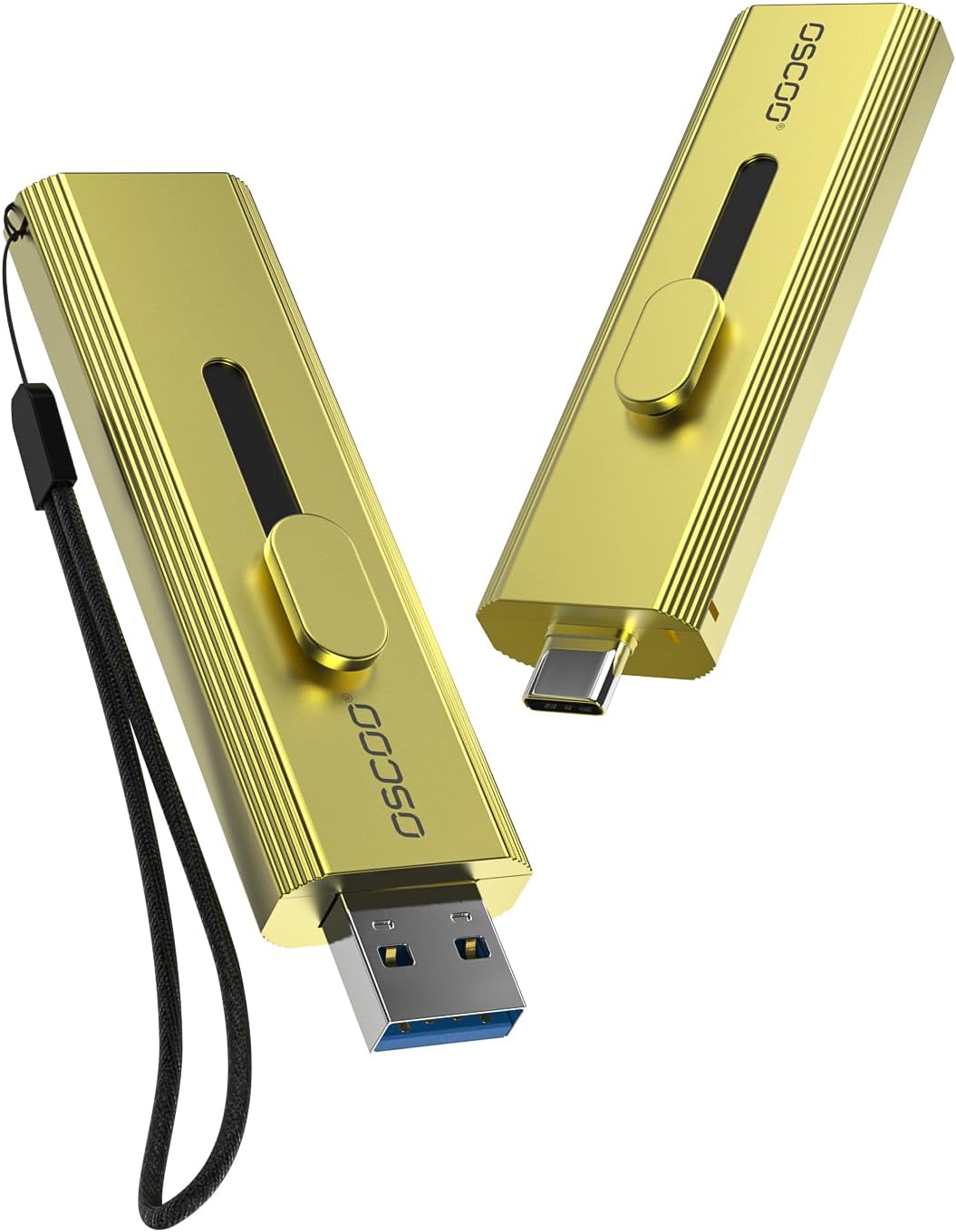
Common Buying Mistakes to Avoid

❌ Mistake: Prioritizing Price Over Performance
Why it’s bad: Buying the cheapest SSD might save you $20 today, but if it uses slow SATA internals or lacks thermal management, you’ll experience frustratingly slow transfers, frequent disconnects, or even premature failure. Many ultra-budget drives useQLC NAND, which wears out faster under heavy write loads.
What to do instead: Set a realistic budget based on your usage. For most users, a mid-range NVMe SSD ($80–$150) offers the best balance of speed, durability, and value. Skip the bottom-tier options unless you’re only storing static files like PDFs or music.
❌ Mistake: Ignoring Thermal Throttling
Why it’s bad: High-speed NVMe drives generate significant heat during sustained transfers. Without proper cooling, they throttle down to protect components, causing speeds to drop by 50% or more. This is especially problematic when editing video or cloning large drives.
What to do instead: Choose drives with aluminum enclosures, built-in heat sinks, or active cooling (rare but available in premium models). Read professional reviews that test sustained performance—not just peak benchmarks.
❌ Mistake: Overlooking Compatibility
Why it’s bad: A Thunderbolt drive won’t reach full speed on a non-Thunderbolt port, and a drive formatted for NTFS won’t mount properly on macOS without third-party software. These issues can waste hours troubleshooting.
What to do instead: Verify your device’s port types and OS before purchasing. If you use multiple platforms, opt for exFAT formatting or drives that auto-detect and reformat safely.
❌ Mistake: Skipping Encryption for Sensitive Data
Why it’s bad: Losing an unencrypted SSD with personal or client data can lead to identity theft, legal liability, or reputational damage. Software encryption adds overhead and may not be enabled by default.
What to do instead: Always choose a drive with hardware-based AES-256 encryption. Enable it immediately after setup, even if you think your data isn’t “that important.”
❌ Mistake: Buying Based Solely on Marketing Claims
Why it’s bad: Terms like “blazing fast,” “military-grade,” or “professional-grade” are often vague or misleading. Some brands inflate speeds using compressed data tests that don’t reflect real-world performance.
What to do instead: Rely on independent reviews from trusted sources (like Tom’s Hardware, AnandTech, or Wirecutter) that test real file types and include thermal analysis. Cross-check specs with user forums for consistency.
❌ Mistake: Neglecting Warranty and Support
Why it’s bad: A drive that fails after 18 months with no warranty leaves you with lost data and no recourse. Some brands require registration within 30 days or void coverage if the drive is opened.
What to do instead: Register your drive immediately after purchase. Keep receipts and packaging. Choose brands known for responsive customer service—don’t assume all warranties are equal.
❌ Mistake: Assuming All USB-C Is the Same
Why it’s bad: USB-C is just a connector shape—it doesn’t guarantee speed or power delivery. A USB 2.0 drive with a USB-C port will still max out at 480 Mbps, despite looking modern.
What to do instead: Check the USB generation (e.g., USB 3.2 Gen 2) and supported protocols (USB, Thunderbolt). Match these to your host device’s capabilities for optimal performance.
Budget Guidelines: How Much Should You Spend?
– Entry-Level ($40–$80): Ideal for students or light users needing basic expansion. Expect SATA-based SSDs with 500GB–1TB capacity and speeds around 400–550 MB/s. Brands like Kingston XS2000 or Crucial X6 offer reliable performance at this tier. Avoid anything below $40—it’s likely counterfeit or uses degraded NAND.
– Mid-Range ($80–$180): The sweet spot for most buyers. You’ll find NVMe SSDs with 1TB–2TB capacity, USB 3.2 Gen 2 support, and sustained speeds of 1,000–2,000 MB/s. Models like the Samsung T7 Touch or SanDisk Extreme Pro deliver excellent build quality, encryption, and software suites. This range balances speed, durability, and value.
– Premium ($180–$400): For professionals and power users. These drives feature Thunderbolt 3/4, ruggedized designs, and capacities up to 4TB. Expect top-tier performance (2,500–2,800 MB/s), advanced thermal management, and enterprise-grade security. The OWC Envoy Pro FX or Samsung X5 are standout examples.
– Luxury ($400+): Reserved for niche applications like 8K video editing, server backups, or archival storage. These often include desktop-class enclosures, RAID support, or specialized software. While overkill for most, they offer unmatched reliability and scalability for studios or IT departments.
Expert Tips for Getting the Best Deal
– Buy during major sales events: Retailers consistently discount external SSDs during Cyber Monday, Amazon Prime Day, and end-of-year clearance. Historical data shows the best deals occur in November and July.
– Check refurbished or open-box options: Certified refurbished drives from manufacturers (e.g., Samsung Renewed, WD Certified Refurbished) often come with full warranties and sell for 20–40% less than new. Avoid third-party “used” listings without verification.
– Compare total cost of ownership: Factor in included cables, software, and warranty length. A slightly pricier drive with a 5-year warranty and bundled backup tools may cost less long-term than a cheaper model needing add-ons.
– Read return policies carefully: Some retailers charge restocking fees for opened electronics. Ensure you can return the drive within 14–30 days if it doesn’t meet expectations.
– Test before committing: If buying in-store, ask to see transfer speed demos. Online, watch YouTube reviews that show real file transfers—not just synthetic benchmarks.
– Prioritize future-proofing: Invest in USB 3.2 Gen 2×2 or Thunderbolt if your system supports it. These interfaces will remain relevant for years, while older USB standards become obsolete.
– Use manufacturer utilities: Many brands offer free cloning software (e.g., Samsung Data Migration, Acronis True Image for WD). These simplify upgrading your internal drive or creating system backups.
– Don’t forget backup redundancy: An external SSD is not a backup strategy—it’s a single point of failure. Always follow the 3-2-1 rule: 3 copies of data, on 2 different media, with 1 offsite.
Frequently Asked Questions
Q: Can I use an external SSD as my primary boot drive?
A: Yes, but with caveats. macOS and Windows both support booting from external SSDs, and modern NVMe drives offer sufficient speed for smooth operation. However, performance may lag slightly compared to internal drives, and constant plugging/unplugging increases wear. Ideal for portable workstations or testing OS installations—but not recommended as a permanent primary drive for mission-critical systems.
Q: Will an external SSD improve my gaming performance?
A: It depends. For consoles like PlayStation 5 or Xbox Series X, external SSDs can expand storage but won’t match the speed of internal NVMe slots—so games may load slower. On PC, installing games on a fast external SSD (especially NVMe) can reduce load times compared to internal HDDs, but won’t surpass a high-end internal NVMe drive. Great for expanding library size without opening your rig.
Q: How long do external SSDs last?
A: Most consumer SSDs are rated for 150–600 TBW (terabytes written) over their lifespan. With typical usage (5–10GB written daily), a 1TB drive should last 8–15 years. Factors like temperature, write intensity, and NAND type (TLC vs. QLC) affect longevity. Enable TRIM (if supported) and avoid filling the drive beyond 80% to maximize life.
Q: Do I need a Thunderbolt SSD if I have USB-C?
A: Only if your computer has a Thunderbolt port (look for the lightning bolt icon). Thunderbolt offers 4x the bandwidth of USB 3.2 Gen 2, enabling near-internal speeds for video editing or large dataset transfers. If you only have standard USB-C, a high-quality USB 3.2 Gen 2×2 NVMe SSD delivers excellent performance at a lower cost.
Q: Can I recover data from a failed external SSD?
A: Possibly, but it’s complex and expensive. Unlike HDDs, SSDs use wear leveling and TRIM, which can make data recovery difficult once the drive fails or is reformatted. Professional services exist (e.g., DriveSavers, Gillware), but costs range from $500–$3,000. Prevention—via regular backups—is far more practical than recovery.
Q: Are cheaper SSDs safe to use for backups?
A: Only if from reputable brands with verified reviews. Avoid no-name drives sold via third-party marketplaces—they may use counterfeit controllers or recycled NAND. For critical backups, stick to Samsung, SanDisk, Crucial, or WD. Even then, never rely on a single backup medium.
Q: Should I format my SSD before first use?
A: Generally no—most come preformatted with exFAT for cross-platform compatibility. However, if you’re using it exclusively on one OS, reformatting to NTFS (Windows) or APFS (macOS) can improve performance and enable native encryption. Always back up data first, as formatting erases everything.
Q: Do external SSDs need external power?
A: No—modern portable SSDs draw power directly from the USB port. Desktop expansion models (larger enclosures with multiple drives) may include AC adapters for stability, but pocket-sized drives are fully bus-powered.
Our Final Recommendations
– Best for Budget-Conscious Buyers: Crucial X6 – At under $70 for 1TB, it delivers reliable SATA-level performance in a slim, lightweight design. Perfect for students or casual backups.
– Best Overall Value: Samsung T7 Shield – Combines NVMe speed (1,050 MB/s), IP65 ruggedness, and AES-256 encryption in a compact form. Ideal for travelers and creatives who need durability without sacrificing performance.
– Best Premium Option: OWC Envoy Pro FX – Thunderbolt 3 support, tool-less design, and MIL-STD durability make this the top choice for Mac and Windows pros handling 4K/8K workflows.
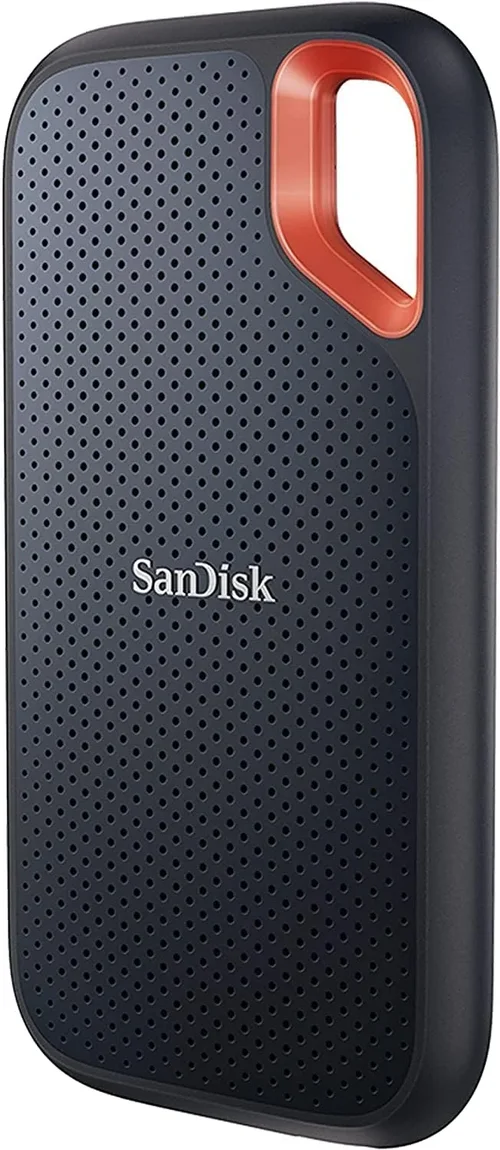
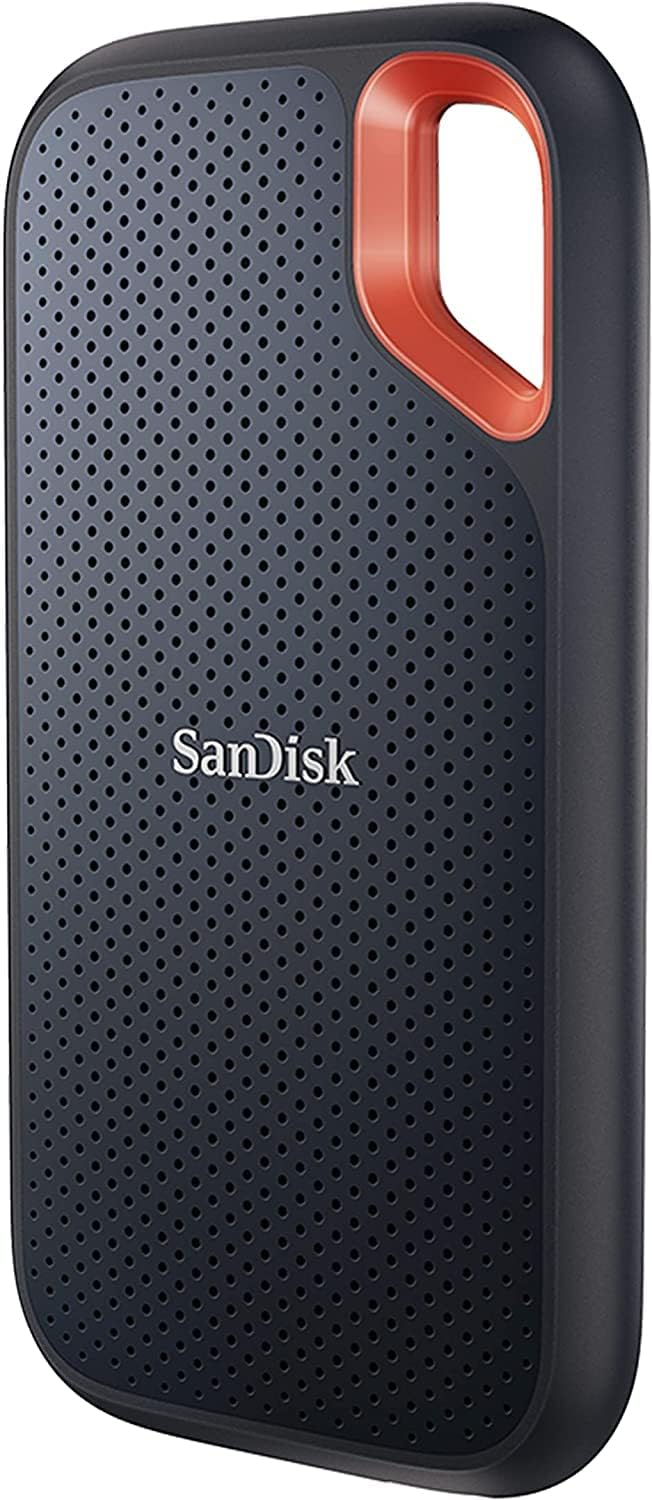
– Best for Beginners: SanDisk Extreme Portable SSD – Simple setup, included cables, and intuitive software. Great first SSD for users new to external storage.
– Best for Advanced Users: Sabrent Rocket XTRM-Q – USB 3.2 Gen 2×2 interface, up to 4TB capacity, and optional hardware encryption. Offers near-Thunderbolt speeds at a fraction of the cost for power users who don’t need daisy-chaining.
Conclusion: Making the Right Choice
Choosing the right external SSD doesn’t have to be overwhelming—if you focus on your actual needs rather than flashy specs. Start by defining your primary use case: Are you backing up photos, editing videos, expanding game storage, or traveling frequently? Then match that to the right combination of speed, capacity, durability, and budget. Remember, the “best” drive isn’t necessarily the fastest or most expensive—it’s the one that reliably serves your workflow without breaking the bank.
Throughout this guide, we’ve emphasized real-world performance over marketing hype, long-term value over short-term savings, and data security over convenience. By avoiding common pitfalls like ignoring thermal throttling or skipping encryption, you’ll protect both your investment and your information. And with the expert tips and budget breakdowns provided, you’re equipped to shop smart—whether you’re buying today or waiting for the next big sale.
Ultimately, an external SSD is more than just extra storage; it’s a gateway to greater productivity, creativity, and peace of mind. So take your time, compare your options, and choose wisely. Your future self—and your data—will thank you.