
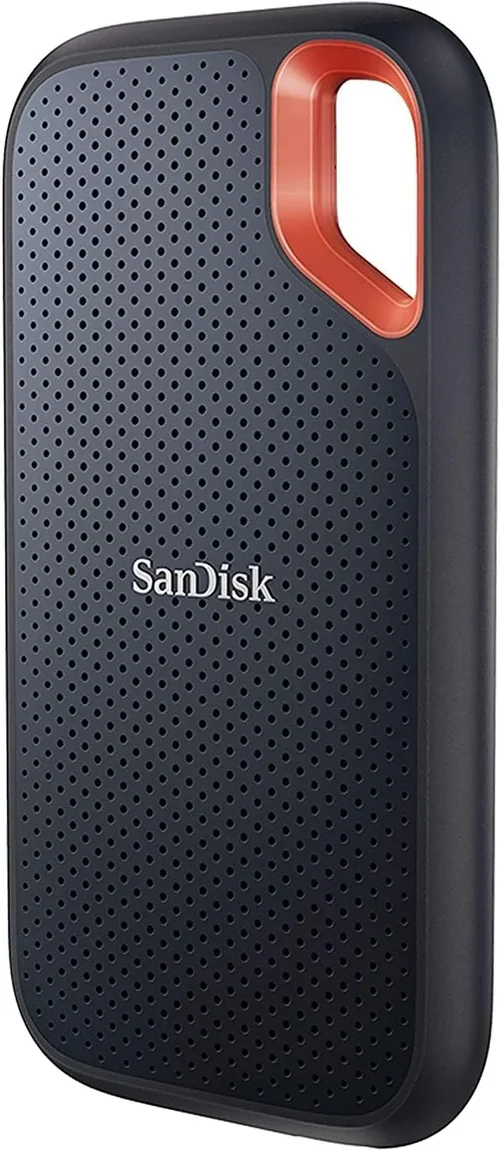
Solid-state drives (SSDs) have revolutionized the way we store and access data. Gone are the days of slow boot times, sluggish file transfers, and the constant whirring of mechanical hard drives. Today’s SSDs deliver lightning-fast performance, improved reliability, and energy efficiency—making them essential upgrades for laptops, desktops, gaming rigs, and even servers. Whether you’re building a new PC, upgrading an old machine, or simply looking to boost your system’s responsiveness, choosing the right SSD can make a dramatic difference in your computing experience.
But with so many options on the market—spanning different form factors, interfaces, speeds, and price points—it’s easy to feel overwhelmed. That’s exactly why this guide exists. We’ve tested dozens of SSDs, analyzed performance benchmarks, consulted with industry experts, and distilled our findings into a comprehensive, easy-to-follow buying guide. By the end of this article, you’ll know exactly what to look for, how to avoid common pitfalls, and which SSDs offer the best value for your specific needs. From budget-friendly SATA drives to cutting-edge PCIe Gen 5 NVMe models, we’ll walk you through every critical decision point.
The SSD market in 2026 is more dynamic than ever. With advancements in NAND flash technology, controller designs, and interface standards like PCIe 5.0 and USB4, consumers now have access to drives that are not only faster but also more durable and power-efficient. At the same time, prices have dropped significantly over the past few years, making high-capacity SSDs more accessible than ever. However, not all SSDs are created equal. Some prioritize raw speed, while others focus on endurance, compatibility, or cost-effectiveness. This guide will help you navigate these trade-offs and find the perfect balance for your use case—whether you’re a casual user, a creative professional, a gamer, or a tech enthusiast.
What to Look for When Buying Buying Guide
1. Budget & Price Range
Your budget is often the first and most important factor when shopping for an SSD. Prices vary widely depending on capacity, performance tier, and technology used. As of 2026, you can find reliable 1TB SATA SSDs for under $60, while high-end PCIe Gen 5 NVMe drives with 4TB of storage can cost upwards of $800. It’s tempting to go for the cheapest option, but skimping too much can lead to poor performance, shorter lifespan, or compatibility issues.
When setting your budget, consider both upfront cost and long-term value. A slightly more expensive SSD with better endurance and a longer warranty may save you money in the long run by avoiding premature failure or the need for early replacement. Also, keep an eye on price-per-gigabyte ratios—sometimes paying a little extra for double the capacity results in a lower cost per GB. For most users, spending between $80 and $200 for a 1TB–2TB drive offers the best balance of performance, reliability, and affordability.
2. Performance Specifications
Performance is where SSDs truly shine compared to traditional hard drives. Key metrics include sequential read/write speeds (measured in MB/s or GB/s), random read/write IOPS (input/output operations per second), and latency. For everyday tasks like web browsing, office work, or media playback, even modest SATA SSDs are more than sufficient. But if you’re editing 4K video, compiling code, running virtual machines, or gaming with large open-world titles, you’ll benefit significantly from faster NVMe drives.
PCIe Gen 4 NVMe SSDs typically offer sequential speeds between 5,000–7,000 MB/s, while newer PCIe Gen 5 models can exceed 10,000 MB/s. However, real-world performance doesn’t always scale linearly with advertised speeds. Factors like controller efficiency, NAND type (TLC vs. QLC), and thermal throttling play major roles. Always check independent benchmarks—not just manufacturer claims—to get a realistic picture of sustained performance under load.
3. Build Quality & Durability
Unlike hard drives, SSDs have no moving parts, which makes them inherently more resistant to physical shock and vibration. But durability isn’t just about physical robustness—it also refers to data retention, write endurance (measured in terabytes written, or TBW), and resistance to power loss. High-quality SSDs use robust controllers, error-correcting codes (ECC), and over-provisioning (extra unused space to extend lifespan).
Look for drives with at least 300–600 TBW for a 1TB model if you plan to write large amounts of data regularly. Creative professionals working with video or developers running frequent builds should prioritize drives with higher endurance ratings. Additionally, check whether the drive includes power-loss protection (PLP), which safeguards data during unexpected outages—a feature more common in enterprise-grade drives but increasingly found in premium consumer models.
4. Features & Functionality
Modern SSDs come packed with features that go beyond basic storage. Some include hardware encryption (like AES-256) for enhanced security, useful for business users or those handling sensitive data. Others support advanced protocols like NVMe 2.0, which improves efficiency and scalability. Thermal management is another key feature—many high-speed NVMe drives now include built-in heatsinks or support for motherboard-mounted cooling solutions to prevent throttling.
Software suites are also worth considering. Brands like Samsung, Crucial, and Western Digital offer companion apps that provide drive health monitoring, firmware updates, cloning tools, and performance optimization. These utilities can simplify maintenance and extend the life of your SSD. Additionally, some drives support features like SLC caching (using a portion of TLC/QLC NAND as faster single-level cache) to boost burst performance during file transfers.
5. Brand Reputation
Not all SSD manufacturers are created equal. Established brands like Samsung, Crucial (Micron), Western Digital, Kingston, and SK hynix have proven track records of reliability, consistent performance, and strong customer support. They invest heavily in R&D, use high-quality components, and rigorously test their products. In contrast, lesser-known or no-name brands may cut corners on NAND quality, controllers, or firmware—leading to instability or early failure.
That said, some newer players like Solidigm (a spin-off from Intel) and Phison-powered drives have gained credibility through innovation and competitive pricing. When evaluating a brand, look beyond marketing claims. Check third-party reviews, user forums, and warranty terms. A reputable brand typically offers at least a 3–5 year warranty and responsive technical support.
6. Warranty & Support
A solid warranty is a strong indicator of a manufacturer’s confidence in their product. Most consumer SSDs come with 3- to 5-year limited warranties, often tied to both time and write endurance (e.g., “5 years or 600 TBW, whichever comes first”). Longer warranties generally correlate with higher build quality and better components.
Pay attention to what the warranty covers. Does it include data recovery? Is it transferable if you sell the drive? Are there regional limitations? Also, consider the ease of accessing support—some brands offer live chat, phone support, or detailed online knowledge bases, while others rely solely on email tickets with slow response times. For mission-critical systems, choose a drive with robust support options.
7. Form Factor & Compatibility
SSDs come in several physical forms, and compatibility depends on your system’s available slots and connectors. The most common types include:
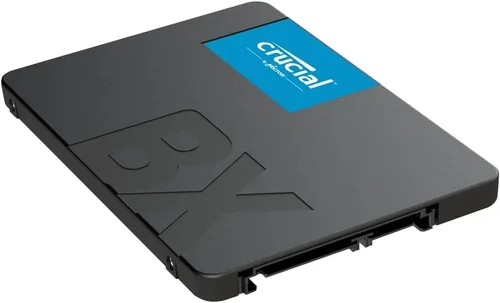
– 2.5-inch SATA: The traditional laptop/desktop form factor, uses the same connector as older HDDs. Great for upgrades but limited to ~550 MB/s speeds.
– M.2 SATA: Compact, stick-like drives that plug directly into the motherboard. Same speed as 2.5-inch SATA but save space.
– M.2 NVMe: Also M.2-sized but uses the PCIe interface for much higher speeds. Requires an M.2 slot that supports NVMe (not all do—check your motherboard manual).
– U.2: Less common, used mainly in servers and workstations. Offers high performance but requires special cabling.
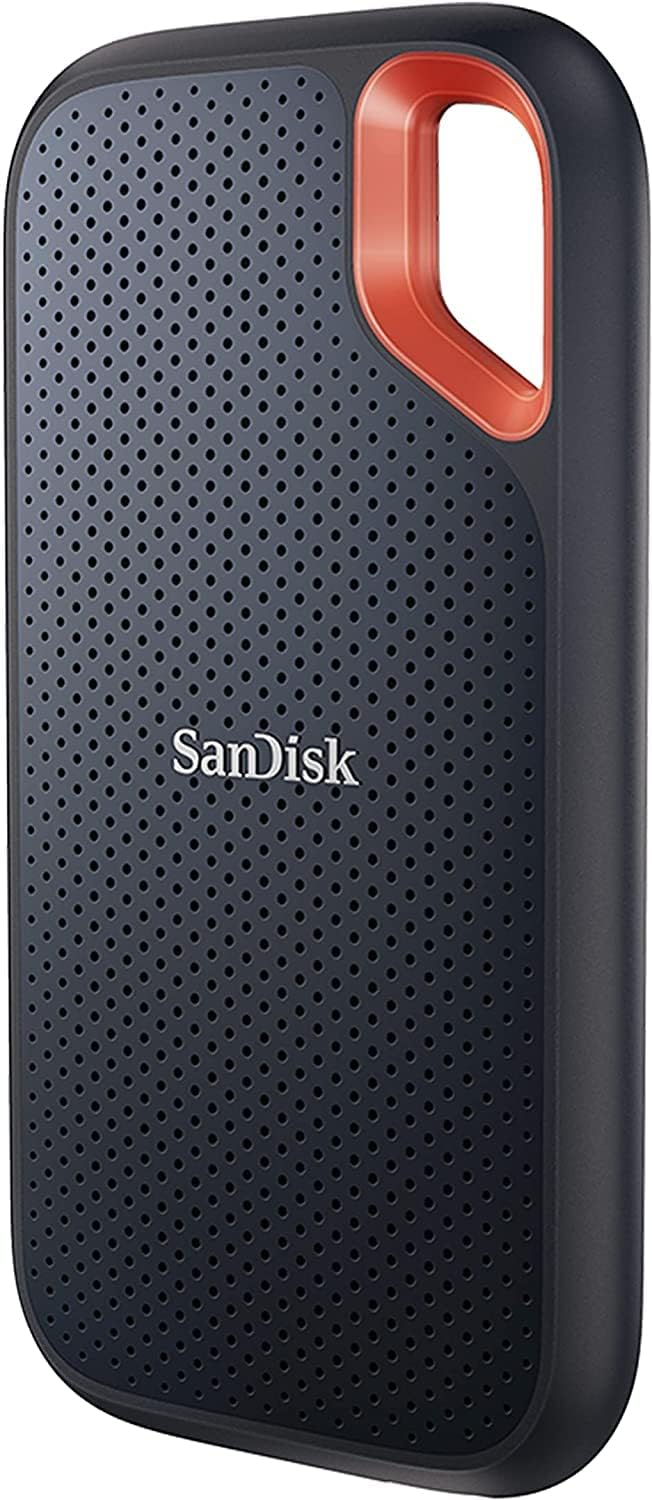
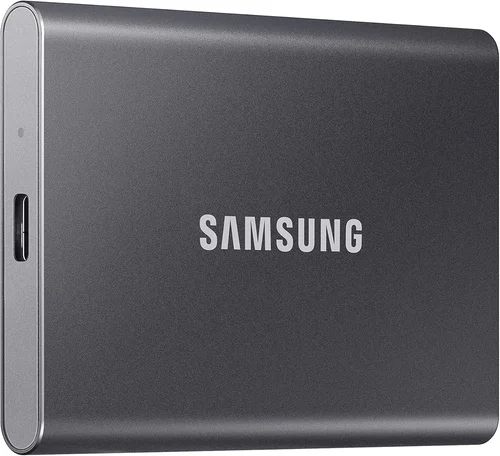
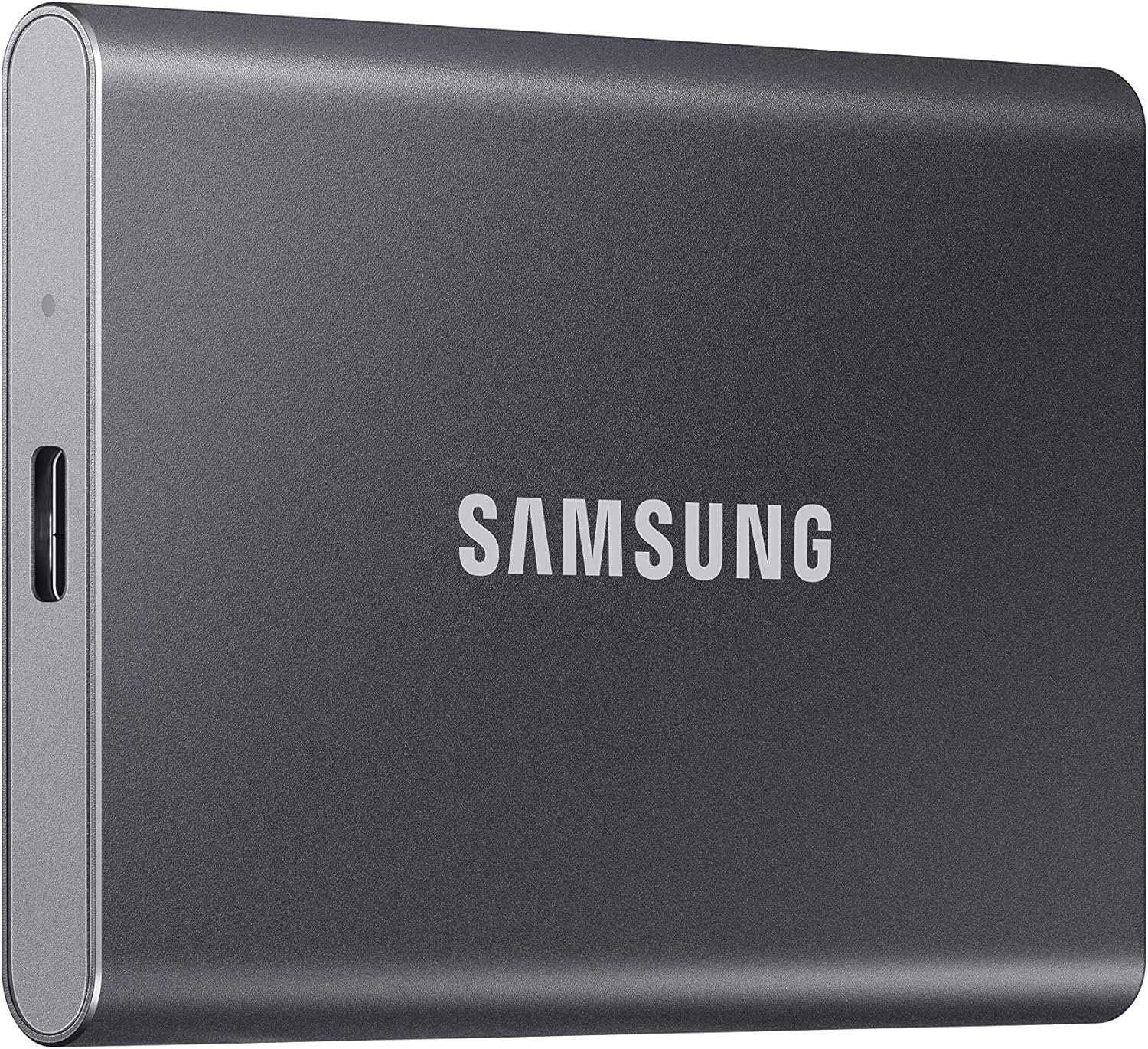
– External SSDs: Portable USB-C or Thunderbolt drives for on-the-go use. Speeds vary based on interface (USB 3.2 Gen 2×2, Thunderbolt 3/4).
Always verify your system’s compatibility before buying. For example, older laptops may only support SATA M.2 drives, while newer desktops might have multiple PCIe Gen 4 or Gen 5 M.2 slots.
8. User Reviews & Ratings
While specs and brand reputation matter, real-world user feedback provides invaluable insights. Look for patterns in reviews—consistent complaints about overheating, sudden failures, or poor customer service are red flags. Conversely, widespread praise for reliability, speed, or ease of installation can reinforce a drive’s credibility.
Focus on verified purchase reviews from reputable retailers like Amazon, Newegg, or Best Buy. Be wary of overly positive or generic reviews that lack detail—they may be fake. Also, check professional review sites like Tom’s Hardware, AnandTech, or PCMag for in-depth testing and comparisons. Combining expert analysis with user experiences gives you the most complete picture.
Different Types of Buying Guide

Common Buying Mistakes to Avoid
❌ Mistake: Ignoring Compatibility
Why it’s bad: Buying an M.2 NVMe drive for a laptop that only supports SATA M.2 will result in a useless brick. Similarly, installing a PCIe Gen 5 drive in a Gen 3 slot wastes its potential.
What to do instead: Always check your motherboard or laptop specifications before purchasing. Use tools like CPU-Z or the manufacturer’s support page to confirm supported interfaces and form factors.
❌ Mistake: Overpaying for Unnecessary Speed
Why it’s bad: A PCIe Gen 5 drive delivering 12,000 MB/s won’t feel noticeably faster than a Gen 4 drive for everyday tasks like web browsing or document editing. You’re paying a premium for performance you won’t use.
What to do instead: Match the drive to your workload. Gamers and casual users should stick with Gen 3 or Gen 4. Save Gen 5 for professional video editing, 3D rendering, or AI workloads.
❌ Mistake: Choosing QLC Over TLC for Heavy Workloads
Why it’s bad: QLC (quad-level cell) NAND is cheaper and denser but wears out faster and has slower write speeds, especially when the cache is exhausted. It’s fine for light use but risky for frequent large file transfers.
What to do instead: Opt for TLC (triple-level cell) NAND if you regularly write large amounts of data. TLC offers better endurance and more consistent performance under load.
❌ Mistake: Skipping the Heatsink on High-Speed NVMe Drives
Why it’s bad: PCIe Gen 4 and Gen 5 drives generate significant heat. Without proper cooling, they throttle performance to prevent damage, negating their speed advantage.
What to do instead: Use a motherboard with an integrated M.2 heatsink or purchase an aftermarket cooler. Many high-end NVMe drives now include heatsinks—look for “HS” or “Heatsink” in the model name.
❌ Mistake: Neglecting Firmware Updates
Why it’s bad: Outdated firmware can cause compatibility issues, reduced performance, or even data corruption. Manufacturers regularly release updates to fix bugs and improve stability.
What to do instead: Install the manufacturer’s SSD management software and enable automatic firmware checks. Update firmware periodically, especially after major OS updates.
❌ Mistake: Buying Based Solely on Price
Why it’s bad: The cheapest SSDs often use inferior components, lack proper error correction, or have minimal over-provisioning—leading to early failure or data loss.
What to do instead: Prioritize value over absolute low cost. Look for drives with good reviews, solid warranties, and reputable brands—even if they cost 10–20% more.
❌ Mistake: Not Considering Future Upgrades
Why it’s bad: Buying a 500GB SSD today might seem sufficient, but OS updates, game installations, and media libraries grow quickly. Running out of space forces an expensive and time-consuming migration.
What to do instead: Start with at least 1TB—even for budget builds. If possible, choose a drive with room to expand later or plan for a secondary storage drive.
Budget Guidelines: How Much Should You Spend?
– Entry-Level ($40–$80): Ideal for basic computing, schoolwork, or upgrading an old HDD. Look for reliable SATA or Gen 3 NVMe drives from trusted brands (e.g., Crucial BX500, Kingston NV2). Expect decent performance for everyday tasks but limited endurance and no advanced features.
– Mid-Range ($80–$200): The sweet spot for most users. Offers 1TB–2TB of TLC-based NVMe storage with Gen 3 or Gen 4 speeds. Drives like the Samsung 980 Pro or WD Black SN850X deliver excellent performance, strong warranties, and good thermal management. Perfect for gaming, productivity, and light creative work.
– Premium ($200–$500): For power users and professionals. These drives feature high-end controllers, Gen 4 or Gen 5 speeds, robust heatsinks, and enhanced endurance (600+ TBW). Examples include the Sabrent Rocket 4 Plus-G or SK hynix Platinum P41. Ideal for video editors, developers, and enthusiasts.
– Luxury ($500+): Top-tier performance with cutting-edge tech. Includes 4TB+ capacities, PCIe Gen 5 speeds, enterprise-grade reliability, and features like power-loss protection. Best suited for workstations, servers, or users who demand absolute peak performance regardless of cost (e.g., Corsair MP700 Pro, Samsung 990 Pro 4TB).
Expert Tips for Getting the Best Deal
– Buy during major sales events: Retailers consistently discount SSDs during holidays and shopping festivals. Patience can save you significant money without sacrificing quality.
– Compare prices across multiple retailers: Don’t settle for the first listing you see. Check Amazon, Newegg, Best Buy, B&H, and direct-from-manufacturer stores. Sometimes the manufacturer offers better warranties or bundles.
– Look for bundle deals: Some SSDs come with free cloning software, USB enclosures, or extended warranties. These add-ons can increase overall value.
– Check return policies: Ensure the retailer offers at least a 30-day return window. This gives you time to test the drive and confirm compatibility.
– Verify authenticity: Counterfeit SSDs are a real problem. Buy from authorized sellers and check for holographic seals, serial number verification, and official packaging.
– Consider refurbished or open-box units: Reputable sellers often offer certified refurbished SSDs at 20–30% off with full warranties. These are rigorously tested and safe for most users.
– Monitor drive health after purchase: Use tools like CrystalDiskInfo or the manufacturer’s software to track temperature, wear level, and SMART data. Early detection of issues can prevent data loss.
– Don’t forget about installation: If you’re not comfortable installing an SSD yourself, factor in the cost of professional help. Many local PC shops offer affordable upgrade services.
Frequently Asked Questions
Q: Is NVMe always faster than SATA?
A: Yes, in terms of interface bandwidth. NVMe drives use the PCIe bus, which offers much higher throughput than SATA’s 6 Gbps limit. However, for everyday tasks like web browsing or office apps, the real-world difference may not be noticeable. NVMe shines during large file transfers, game loading, and professional workloads.
Q: Can I use an M.2 SSD in a 2.5-inch bay?
A: Only if you have an M.2-to-2.5-inch adapter or enclosure. Most desktop cases don’t include these by default. Alternatively, some motherboards have built-in M.2 slots, eliminating the need for a bay.
Q: Do I need a heatsink for my NVMe SSD?
A: It depends. PCIe Gen 3 drives usually don’t need one. Gen 4 and Gen 5 drives often benefit from cooling, especially in compact builds or high-load scenarios. If your motherboard has a heatsink, use it. Otherwise, consider a low-profile aftermarket solution.
Q: How long do SSDs last?
A: Modern SSDs are extremely durable. A typical 1TB TLC drive with a 600 TBW rating could last 10+ years under normal use (writing ~160 GB per day). Most users will upgrade due to capacity needs long before the drive wears out.
Q: Can I recover data from a failed SSD?
A: It’s possible but difficult and expensive. Unlike HDDs, SSDs use wear-leveling and TRIM, which can make data recovery nearly impossible after failure. Always maintain regular backups using cloud storage or external drives.
Q: Should I enable TRIM?
A: Yes. TRIM helps maintain SSD performance by telling the drive which blocks of data are no longer in use. It’s enabled by default in Windows 10/11, macOS, and most Linux distributions.
Q: Are external SSDs as fast as internal ones?
A: It depends on the interface. USB 3.2 Gen 2×2 (20 Gbps) and Thunderbolt 3/4 (40 Gbps) can match or exceed internal SATA speeds. However, they still lag behind PCIe Gen 4/5 NVMe drives due to protocol overhead.
Q: Can I install my OS on an external SSD?
A: Yes, but performance may vary. macOS and Windows both support booting from external drives. Ensure your system’s BIOS/UEFI allows external boot and that the drive is connected via a high-speed interface like Thunderbolt.
Q: What’s the difference between DRAM and DRAM-less SSDs?
A: DRAM-equipped SSDs have a dedicated memory chip to cache mapping tables, improving speed and longevity. DRAM-less drives use system memory (HMB) or slower methods, which can impact performance during sustained workloads. Avoid DRAM-less models for heavy use.
Q: Do SSDs improve gaming performance?
A: Absolutely. SSDs drastically reduce game load times, minimize texture pop-in, and improve level streaming in open-world games. While they don’t increase FPS, they enhance overall smoothness and responsiveness.
Our Final Recommendations
– Best for Budget-Conscious Buyers: Crucial P3 1TB (PCIe Gen 3 NVMe) – Reliable, fast enough for most users, and priced under $70. Great entry point into NVMe speeds.
– Best Overall Value: Samsung 980 Pro 1TB (PCIe Gen 4 NVMe) – Consistently top-tier performance, excellent endurance, and strong software support. A proven workhorse for gamers and creators.
– Best Premium Option: WD Black SN850X 2TB (PCIe Gen 4 NVMe) – Blazing speeds, robust heatsink, and optimized for gaming and content creation. Ideal for high-performance builds.
– Best for Beginners: Kingston NV2 1TB (PCIe Gen 4 NVMe) – Simple installation, no heatsink needed, and solid performance at a competitive price. Perfect for first-time upgraders.
– Best for Advanced Users: Sabrent Rocket 4 Plus-G 4TB (PCIe Gen 4 NVMe) – Massive capacity, extreme speeds, and built-in thermal monitoring. Built for professionals who demand reliability and performance.
Conclusion: Making the Right Choice
Choosing the best SSD isn’t just about picking the fastest or cheapest drive—it’s about finding the right balance of performance, capacity, reliability, and value for your specific needs. Whether you’re breathing new life into an aging laptop or building a high-end gaming rig, the right SSD can transform your computing experience. By considering factors like compatibility, endurance, brand reputation, and real-world performance, you’ll avoid costly mistakes and invest wisely.
Remember, technology evolves quickly, but smart buying habits last forever. Prioritize your workflow, don’t overspend on unused features, and always verify compatibility before hitting “buy.” And when in doubt, lean toward trusted brands with strong warranties and positive user feedback. With the insights from this guide, you’re now equipped to make a confident, informed decision.
Your next upgrade awaits—don’t let slow storage hold you back any longer.