
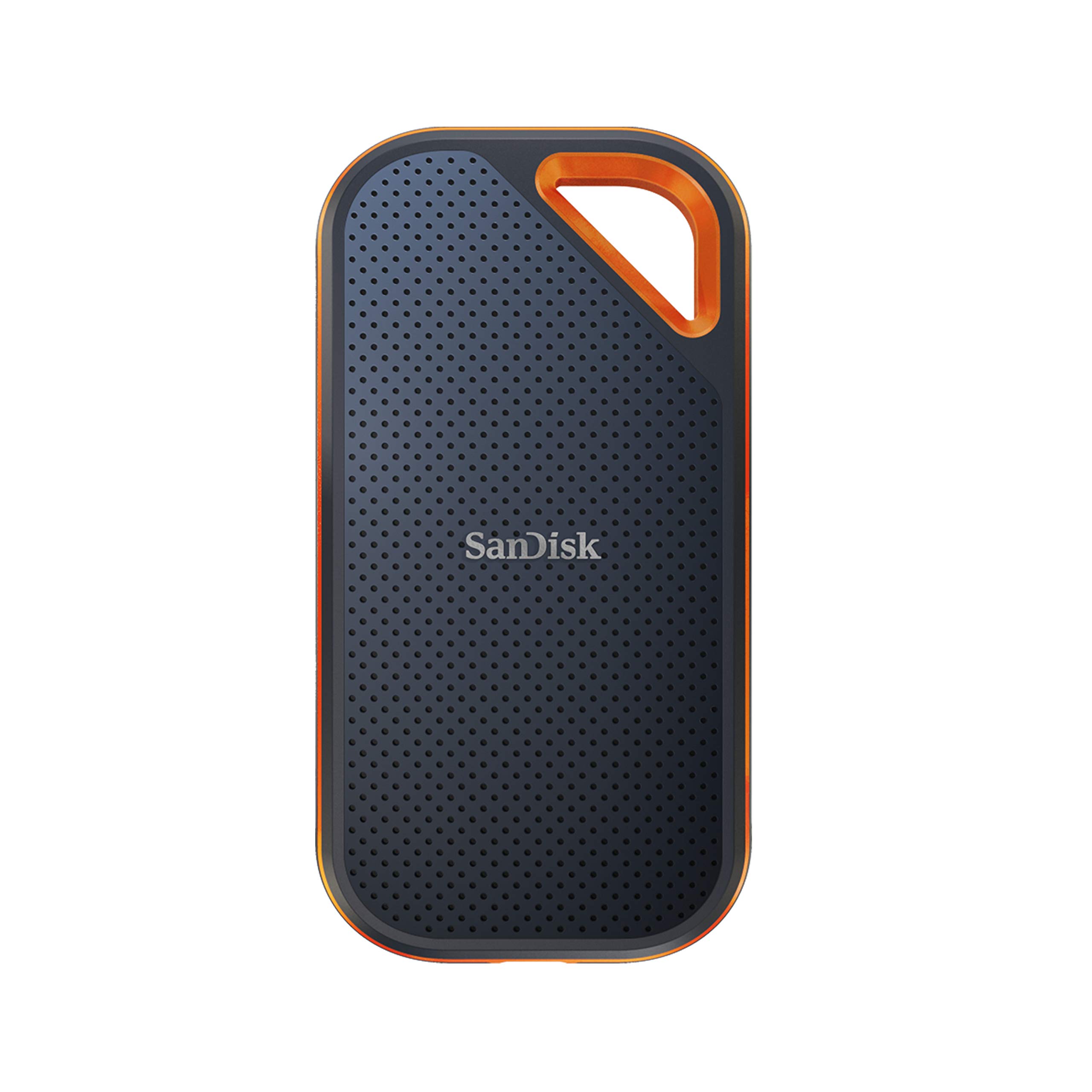
SanDisk 4TB Extreme PRO
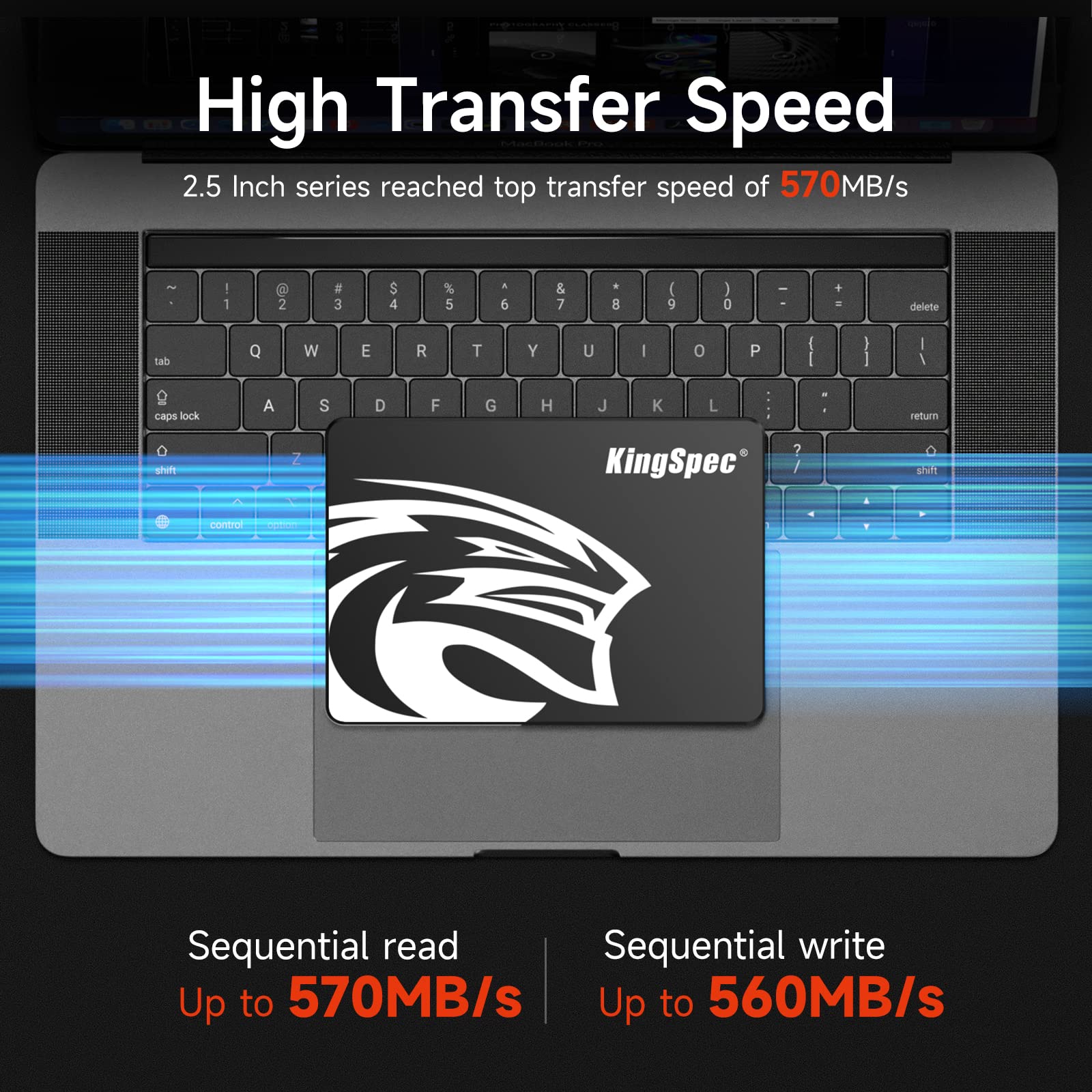
KingSpec 1TB 2.5 SSD
In the rapidly evolving world of data storage, choosing the right solid-state drive (SSD) can be a daunting task. The SanDisk 4TB Extreme PRO Portable SSD and the KingSpec 1TB 2.5 SSD SATA III Internal represent two distinct yet highly capable solutions for different storage needs. The SanDisk 4TB Extreme PRO is a high-performance external drive designed for professionals, content creators, and adventurers who demand speed, durability, and massive capacity. On the other hand, the KingSpec 1TB 2.5 SSD is an internal SATA drive tailored for users looking to breathe new life into aging laptops or desktops, offering solid performance at an accessible price point. Both are built with advanced NAND flash technology, but their form factors, use cases, and performance profiles are worlds apart.
This comprehensive comparison dives deep into every aspect of these two SSDs—from raw performance and build quality to durability, software features, and real-world value. Whether you’re a photographer needing a rugged backup solution for fieldwork, a gamer upgrading your PC, or a business professional seeking faster boot times, this guide will help you make an informed decision. We’ll explore the nuances of NVMe vs SATA interfaces, the importance of IP ratings, the role of heatsinks, and how warranty terms reflect long-term reliability. By the end, you’ll understand not just which drive is faster or larger, but which one aligns with your specific workflow, budget, and future-proofing needs. Let’s get started.
In-Depth Look: SanDisk 4TB Extreme PRO
The SanDisk 4TB Extreme PRO isn’t just another external SSD—it’s a powerhouse engineered for professionals who refuse to compromise on speed, capacity, or ruggedness. At its core is an NVMe (Non-Volatile Memory Express) SSD, which leverages the PCIe interface to deliver blistering read/write speeds of up to 2000MB/s. This is achieved through the USB 3.2 Gen 2×2 standard, which doubles the bandwidth of traditional Gen 2 connections. For context, transferring a 20GB 4K video file takes less than 15 seconds, making it ideal for filmmakers, photographers, and data scientists who frequently move large datasets. The drive supports both USB-C and backward-compatible USB-A connections, ensuring seamless integration with modern MacBooks, Windows laptops, and even Thunderbolt 3/4 ports.
One of the most impressive engineering feats of the SanDisk 4TB Extreme PRO is its thermal management. The drive features a forged aluminum chassis that doubles as a heatsink, dissipating heat during sustained transfers. This isn’t just about aesthetics—it prevents thermal throttling, maintaining peak performance during long render exports or multi-terabyte backups. The chassis is wrapped in a silicone shell, combining a premium tactile feel with shock absorption. This dual-layer design is critical for its rugged credentials: the drive is rated IP65 for water and dust resistance, meaning it can withstand splashes, rain, and dusty environments. It’s also tested to survive drops from up to 3 meters (nearly 10 feet), a feature that will resonate with field journalists, outdoor photographers, and anyone working in unpredictable conditions.
Durability extends beyond physical protection. The SanDisk 4TB Extreme PRO comes with a 5-year limited warranty, one of the longest in the portable SSD market. This reflects SanDisk’s confidence in the drive’s longevity, especially given its high endurance rating. The inclusion of a carabiner loop is a thoughtful touch, allowing users to clip the drive to backpacks, belts, or camera bags—a small detail that speaks volumes about its adventure-ready design. On the software front, SanDisk provides the Memory Zone app, available for both Windows and macOS. This utility offers file management, automatic backup scheduling, and even a “Free Up Space” feature that identifies duplicate files and large downloads, helping users maintain an organized storage system. The app also includes encryption tools for securing sensitive data, though full-disk encryption requires third-party software.
However, the SanDisk 4TB Extreme PRO isn’t without trade-offs. Its 4TB capacity comes at a premium price, making it a significant investment. While the drive is backward compatible with USB 3.0/2.0 ports, you’ll only achieve maximum speeds with a USB 3.2 Gen 2×2 or Thunderbolt 3/4 connection. Users with older systems may need a USB-C hub or adapter to access the full bandwidth. Additionally, the drive’s size (110.3 x 57.4 x 10.2 mm) makes it slightly bulkier than ultra-compact SSDs, though still highly portable. The lack of hardware encryption (relying on software tools) might be a drawback for enterprise users requiring FIPS 140-2 compliance. Despite these minor limitations, the SanDisk 4TB Extreme PRO excels as a professional-grade storage solution. It’s best suited for:
- Content creators editing 4K/8K video, RAW photos, or 3D models
- Travelers and field workers needing reliable, weather-resistant backup
- Gamers storing large game libraries for quick access
- Business professionals handling large datasets or presentations
- Anyone requiring massive, fast, and durable external storage
In-Depth Look: KingSpec 1TB 2.5 SSD
The KingSpec 1TB 2.5 SSD takes a different approach—it’s a value-oriented internal drive designed to revitalize aging computers or build cost-effective storage arrays. Built around the SATA III (6Gb/s) interface, it delivers sequential read speeds of up to 550MB/s and write speeds of 520MB/s. While these figures are modest compared to NVMe drives, they represent a dramatic improvement over traditional HDDs, which typically max out at 150–200MB/s. For everyday users, this translates to faster boot times (Windows 10 can boot in 10–15 seconds), quicker application launches, and smoother multitasking. The drive uses 3D NAND flash memory, a technology that stacks memory cells vertically to increase density while reducing power consumption and heat output.
💡 Related:
top external drives for Mac
One of the standout features of the KingSpec 1TB 2.5 SSD is its shockproof and anti-drop design. Unlike HDDs with moving platters, SSDs have no mechanical parts, making them immune to vibration and impact. This makes the drive ideal for laptops, which are often jostled during transport. The KingSpec 1TB 2.5 SSD also operates silently and consumes less power (typically 0.3–0.5W during active use), extending battery life in portable devices. Its compact 2.5-inch form factor (100 x 69.8 x 7 mm) ensures compatibility with nearly all laptops, desktops, and all-in-one systems, including older models with 2.5″ drive bays. The drive supports SATA II and SATA III, so even users upgrading from a 2010-era laptop can benefit from its performance boost.
Reliability is a core focus. The KingSpec 1TB 2.5 SSD includes advanced firmware features like wear leveling, garbage collection, TRIM, and S.M.A.R.T. monitoring, which collectively extend the drive’s lifespan and maintain consistent performance over time. Wear leveling spreads write operations evenly across memory cells, preventing premature degradation. Garbage collection automatically clears obsolete data blocks, reducing write amplification. TRIM commands inform the SSD which blocks are no longer in use, allowing the drive to optimize performance during idle periods. S.M.A.R.T. (Self-Monitoring, Analysis, and Reporting Technology) provides real-time health metrics, alerting users to potential failures before they occur. These features, combined with a 3-year limited warranty, make the drive a trustworthy choice for long-term use.
Compatibility is another strength. The KingSpec 1TB 2.5 SSD works with Windows 10/8.1/8/7, Linux, Unix, and DOS, making it versatile for both modern and legacy systems. It’s also compatible with RAID configurations, allowing users to combine multiple drives for redundancy or increased speed. The drive is ideal for:
- Laptop users upgrading from slow HDDs to SSDs for better performance
- PC builders seeking affordable, reliable storage for gaming or productivity
- Small businesses refreshing outdated workstations
- Students needing a budget-friendly upgrade for schoolwork
- Anyone replacing a failing HDD without breaking the bank
That said, the KingSpec 1TB 2.5 SSD has limitations. Its 1TB capacity is modest compared to modern NVMe drives, and the SATA III interface caps speeds at ~550MB/s, making it unsuitable for high-end creative work. The drive lacks advanced features like hardware encryption or proprietary software, relying on the host system for data management. While the 3-year warranty is solid, it’s shorter than SanDisk’s 5-year offering. However, for its price point, the KingSpec 1TB 2.5 SSD delivers exceptional value. It’s not designed to compete with flagship NVMe drives but to provide a reliable, no-frills upgrade path for users who prioritize cost-effectiveness over cutting-edge performance.
Head-to-Head Comparison
Performance: NVMe vs SATA III – A Tale of Two Interfaces
The most significant difference between the SanDisk 4TB Extreme PRO and the KingSpec 1TB 2.5 SSD lies in their interfaces: NVMe (PCIe) vs SATA III. The SanDisk 4TB Extreme PRO uses USB 3.2 Gen 2×2, which leverages PCIe lanes to achieve 2000MB/s speeds. This is made possible by the NVMe protocol, which reduces latency and increases queue depth compared to older AHCI-based SATA drives. In real-world terms, this means:
💡 Related:
best SanDisk 4TB SSDs for gaming
- 4K/8K video editing: The SanDisk 4TB Extreme PRO handles multi-stream 8K timelines smoothly, while the KingSpec 1TB 2.5 SSD may struggle with 4K timelines unless used as a cache drive.
- Large file transfers: Moving a 50GB file takes ~25 seconds with the SanDisk 4TB Extreme PRO vs ~90 seconds with the KingSpec 1TB 2.5 SSD.
- Random read/write performance: The SanDisk 4TB Extreme PRO excels at handling thousands of small files (e.g., game textures, photo libraries), crucial for gaming and professional workflows.
However, the KingSpec 1TB 2.5 SSD’s SATA III interface is no slouch for everyday tasks. For web browsing, office applications, and light photo editing, the 550MB/s speeds are more than sufficient. The drive’s 3D NAND technology also ensures consistent performance, even under sustained loads. For users who don’t require 2000MB/s speeds, the KingSpec 1TB 2.5 SSD offers a sweet spot of performance and affordability.
Durability & Build Quality: Ruggedness vs Reliability
The SanDisk 4TB Extreme PRO is built for the extreme. Its IP65 rating means it can survive:
- Water exposure: Low-pressure water jets (e.g., rain, splashes) won’t damage internal components.
- Dust ingress: The drive is fully sealed, preventing dust from entering the chassis.
- Mechanical shocks: The silicone shell absorbs impacts, protecting the NVMe drive inside.
These features make it ideal for outdoor use, construction sites, or travel in humid environments. The aluminum heatsink also ensures the drive won’t overheat during long transfers, a critical factor for sustained performance.
The KingSpec 1TB 2.5 SSD, while not weather-resistant, is inherently durable due to its solid-state design. With no moving parts, it can withstand drops, vibrations, and temperature fluctuations (-40°C to 85°C). This makes it perfect for laptops that are frequently moved or used in unstable environments. However, it lacks the IP65 rating and ruggedized casing of the SanDisk 4TB Extreme PRO, making it better suited for indoor use or controlled environments.
Capacity & Value: 4TB vs 1TB – A Matter of Needs
The SanDisk 4TB Extreme PRO offers a massive 4TB of storage, ideal for:
- Archiving large media libraries (e.g., 4K films, RAW photo collections)
- Storing multi-terabyte game installations (e.g., Call of Duty, Red Dead Redemption 2)
- Professional workflows requiring high-capacity, high-speed storage
At ~$400–$500 (depending on sales), it’s a premium investment, but the 5-year warranty and rugged design justify the cost for professionals. The KingSpec 1TB 2.5 SSD, priced at ~$60–$80, delivers exceptional value. For users upgrading from an HDD or building a budget PC, 1TB is often sufficient for the OS, applications, and personal files. The 3-year warranty and SATA III speeds make it a cost-effective choice for non-intensive workloads.
Software & Ecosystem: Memory Zone vs Plug-and-Play
The SanDisk 4TB Extreme PRO includes the Memory Zone app, a powerful tool for:
- Automated backups (scheduled or event-based)
- File organization (sorting by type, date, size)
- Storage optimization (identifying duplicates, clearing cache)
- Basic encryption (password-protecting folders)
This software adds significant value, especially for users who want to manage large datasets without third-party tools. The KingSpec 1TB 2.5 SSD, in contrast, is a plug-and-play solution. It relies on the host system’s native tools (e.g., Windows File History, macOS Time Machine) for backups and encryption. While this simplifies setup, it requires users to be proactive about data management.
Warranty & Support: 5-Year vs 3-Year – Long-Term Peace of Mind
The SanDisk 4TB Extreme PRO’s 5-year limited warranty is a testament to its build quality and endurance. It covers defects in materials and workmanship, with SanDisk providing replacement drives if issues arise. The KingSpec 1TB 2.5 SSD’s 3-year warranty is shorter but still competitive for a SATA SSD. KingSpec also offers lifetime technical support, which is valuable for users troubleshooting compatibility or performance issues.
Compatibility & Use Cases: Portability vs Integration
The SanDisk 4TB Extreme PRO is designed for on-the-go use. Its USB-C connection works with:
- Modern laptops (MacBook, Surface, XPS)
- Desktops with USB 3.2 Gen 2×2 ports
- Thunderbolt 3/4 docks and hubs
Its portability makes it ideal for travel, fieldwork, and temporary storage. The KingSpec 1TB 2.5 SSD, as an internal drive, is meant for permanent installation. It requires a 2.5″ drive bay or an external enclosure for use as an external drive. Once installed, it becomes a seamless part of the system, offering faster boot times and application launches.
Frequently Asked Questions
Q: Can I use the SanDisk 4TB Extreme PRO as my primary internal drive?
A: Technically yes, but not recommended. The SanDisk 4TB Extreme PRO is an external drive, so using it as an internal drive requires an enclosure or direct SATA/PCIe connection (which it doesn’t support). For internal use, the KingSpec 1TB 2.5 SSD is a better fit. However, if you need portable high-speed storage, the SanDisk 4TB Extreme PRO is excellent for external workflows.
💡 Related:
top SanDisk 4TB SSDs for your laptop
Q: Is the KingSpec 1TB 2.5 SSD compatible with my 2015 laptop?
A: Almost certainly! The KingSpec 1TB 2.5 SSD uses the standard 2.5″ SATA III interface, which is backward compatible with SATA II (3Gb/s) and even SATA I (1.5Gb/s). As long as your laptop has a 2.5″ drive bay or an optical drive that can be replaced with a caddy, the drive will work. Check your laptop’s manual or product page for confirmation.
Q: Which drive is better for gaming?
A: It depends on your needs. For loading games quickly, the KingSpec 1TB 2.5 SSD (550MB/s) is sufficient and more affordable. However, if you’re a content creator who records 4K gameplay or needs to transfer large game files, the SanDisk 4TB Extreme PRO (2000MB/s) is faster. For portable gaming, the SanDisk 4TB Extreme PRO can store your entire Steam library and run games directly from the drive on compatible systems.
Q: Do I need special software to use these drives?
A: The KingSpec 1TB 2.5 SSD is plug-and-play. Once installed, it appears as a standard drive in your OS. The SanDisk 4TB Extreme PRO requires no software for basic use, but the Memory Zone app (available for free) enhances functionality with backup, encryption, and optimization tools. For full-disk encryption, use Windows BitLocker or macOS FileVault.
Q: How do I install the KingSpec 1TB 2.5 SSD in my laptop?
A: 1. Power off your laptop and remove the battery (if removable). 2. Locate the 2.5″ drive bay (usually under a panel on the bottom). 3. Remove the old HDD/SSD. 4. Insert the KingSpec 1TB 2.5 SSD, securing it with screws. 5. Reconnect the battery and boot. Use cloning software (e.g., Macrium Reflect) to copy your OS, or perform a fresh OS install. The drive is also compatible with external enclosures for portable use.
Q: Which drive is more energy-efficient?
A: The KingSpec 1TB 2.5 SSD consumes less power (0.3–0.5W) than the SanDisk 4TB Extreme PRO (1–2W under load). This makes the KingSpec 1TB 2.5 SSD better for laptops where battery life is critical. The SanDisk 4TB Extreme PRO’s higher power draw is due to its NVMe controller and aluminum heatsink, which are necessary for sustained performance.
Q: Can I daisy-chain these drives for extra storage?
A: The SanDisk 4TB Extreme PRO supports USB daisy-chaining via USB-C hubs, allowing multiple drives to connect to a single port. The KingSpec 1TB 2.5 SSD requires a SATA port or external enclosure for each drive. For RAID setups, the KingSpec 1TB 2.5 SSD is more flexible, as it can be configured with other SATA drives for redundancy (RAID 1) or speed (RAID 0).
Final Verdict: Which One Should You Choose?
Choosing between the SanDisk 4TB Extreme PRO and the KingSpec 1TB 2.5 SSD isn’t about which is “better” overall—it’s about which aligns with your specific needs. The SanDisk 4TB Extreme PRO is a professional-grade external SSD for users who demand:
- Blazing-fast 2000MB/s speeds for 4K/8K video, RAW photos, and large datasets
- IP65 water/dust resistance and 3-meter drop protection for fieldwork
- 4TB of high-speed, portable storage for travel or backups
- Advanced software features like Memory Zone for data management
It’s the ultimate choice for content creators, travelers, and professionals who need reliability under pressure. However, its premium price (~$400–$500) and USB-C dependency mean it’s overkill for casual users.
The KingSpec 1TB 2.5 SSD is a budget-friendly internal upgrade for users who prioritize:
- Affordable performance (550MB/s) for faster boot times and app launches
- Shockproof, silent operation in laptops and desktops
- Easy installation in 2.5″ bays or external enclosures
- Cost-effective storage for OS, games, and documents
It’s ideal for students, office workers, and PC builders who want to replace slow HDDs without spending a fortune. At ~$60–$80, it delivers exceptional value for everyday use.
Final Recommendation:
- Buy the SanDisk 4TB Extreme PRO if you’re a professional, content creator, or frequent traveler needing rugged, high-speed, high-capacity external storage.
- Buy the KingSpec 1TB 2.5 SSD if you’re upgrading a laptop, building a budget PC, or need reliable internal storage for general use.
For most users, the KingSpec 1TB 2.5 SSD offers the best balance of performance, price, and simplicity. But if you need the ultimate in speed, durability, and capacity, the SanDisk 4TB Extreme PRO is worth every penny. Check both drives on Amazon using the links below to compare prices and read real-world user reviews before making your decision.