
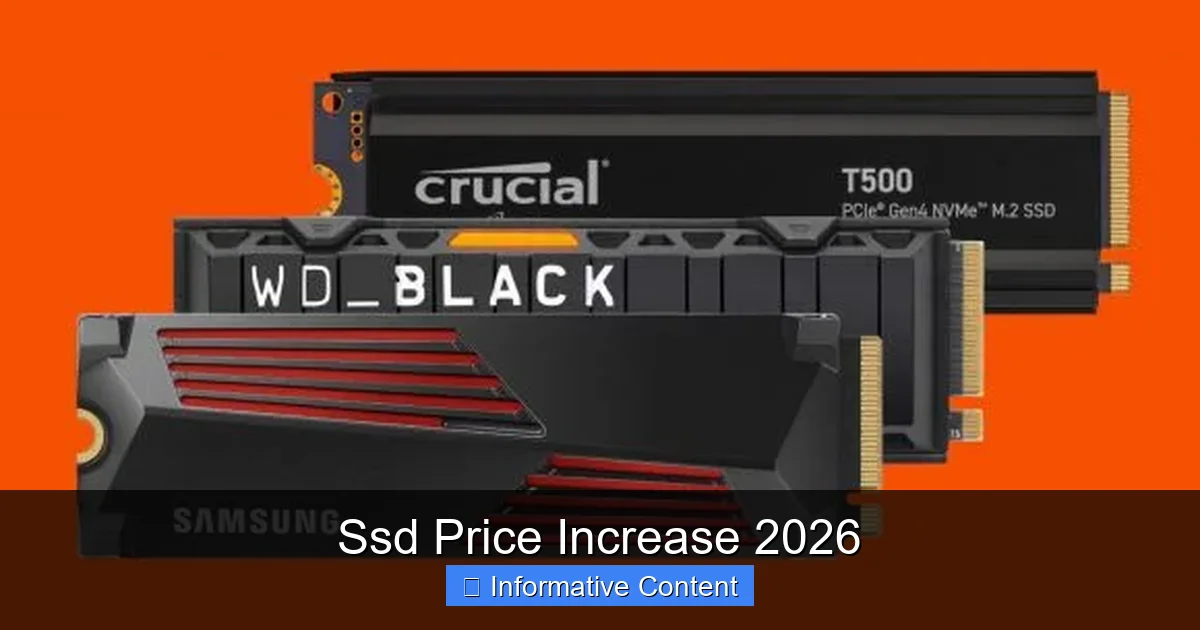
Solid-state drive (SSD) prices are projected to climb steadily through 2026, driven by surging demand from artificial intelligence (AI), cloud computing, and consumer electronics. Manufacturing constraints, global chip shortages, and rising component costs are key contributors. While short-term discounts may appear, long-term buyers should expect higher prices across all SSD capacities.
Key Takeaways
- Supply Chain Disruptions: Ongoing semiconductor shortages and factory delays are limiting SSD production capacity, pushing prices upward.
- Rising Demand from Data Centers: Cloud providers and AI startups are buying massive volumes of high-speed storage, straining available inventory.
- Component Costs Are Up: NAND flash memory and controller chips have seen price hikes due to raw material scarcity and geopolitical tensions.
- New Technology Adoption: PCIe Gen5 and Gen6 SSDs require advanced manufacturing, increasing production costs and retail pricing.
- Geopolitical Factors: Trade restrictions between major tech-producing nations are affecting supply routes and import tariffs.
- Consumer Impact Delayed: Retailers often absorb early increases, but consumers will likely see price jumps by late 2025 or 2026.
- Alternative Options: Consider buying during sales events or opting for slightly older models to save money despite the upward trend.
📑 Table of Contents
- Introduction: Why SSD Prices Matter in 2026
- The Global Semiconductor Crisis: A Backbone of SSD Pricing
- Rising Demand: The Engine Behind Price Hikes
- Technological Advancements Driving Higher Costs
- Geopolitical Tensions and Supply Chain Risks
- Impact on Different User Groups
- What You Can Do to Save Money in 2026
- Conclusion: Navigating the SSD Price Landscape in 2026
Introduction: Why SSD Prices Matter in 2026
Imagine upgrading your laptop or building a new PC, only to find that your favorite SSD now costs 20% more than it did six months ago. That’s not just frustration—it’s a real-world preview of what’s coming in 2026. Solid-state drives (SSDs) are no longer luxury add-ons; they’re essential for everything from gaming to video editing and even everyday productivity. But as we look toward 2026, one thing is clear: SSD prices are on an upward trajectory, and understanding why helps you make smarter buying decisions.
The shift isn’t sudden or random. It’s the result of complex forces—global supply chains, rapid technological evolution, and explosive demand from industries like artificial intelligence and cloud computing. Whether you’re a student, a professional, or a tech enthusiast, these price changes will affect you. The good news? With the right knowledge, you can navigate this trend without overspending. In this guide, we’ll break down exactly what’s driving SSD prices up in 2026, how it affects different types of users, and what you can do to stay ahead of the curve.
The Global Semiconductor Crisis: A Backbone of SSD Pricing
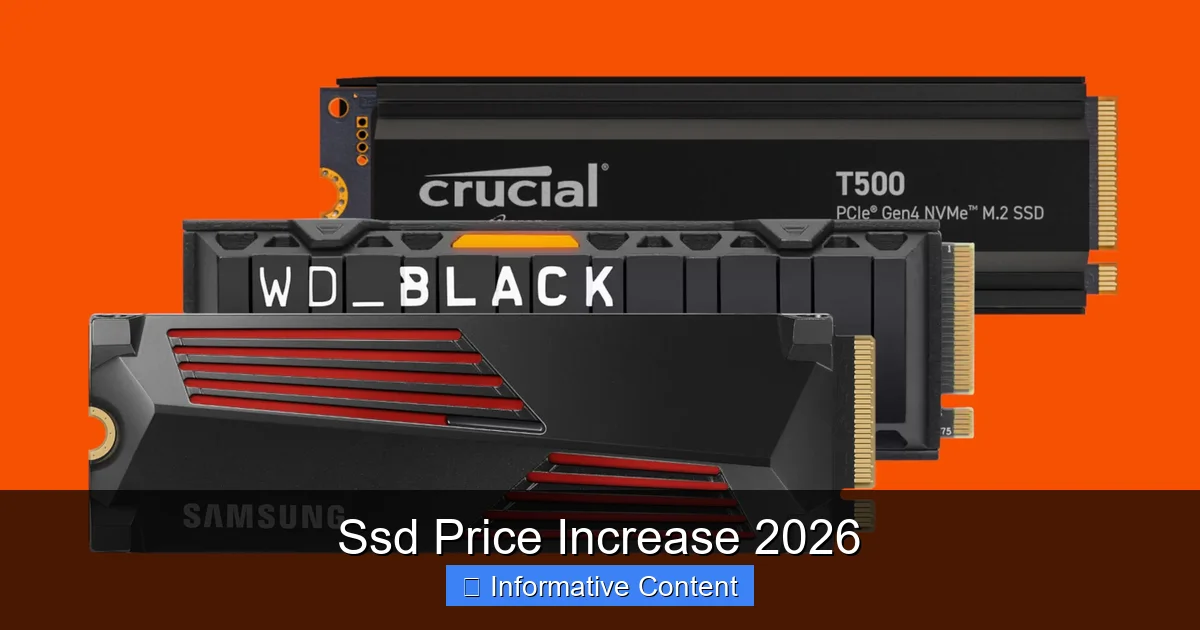
At the heart of every SSD is a semiconductor—a tiny chip that controls data flow and stores information. When the global chip shortage hit in the early 2020s, it sent shockwaves through the entire tech industry. Factories were delayed, orders piled up, and prices climbed. While some recovery has happened, the semiconductor market remains volatile. In 2026, experts predict continued tight supply, especially for high-performance NAND flash memory used in modern SSDs.
Visual guide about Ssd Price Increase 2026
Image source: pcgamesn.com
NAND Flash Memory: The Core Ingredient
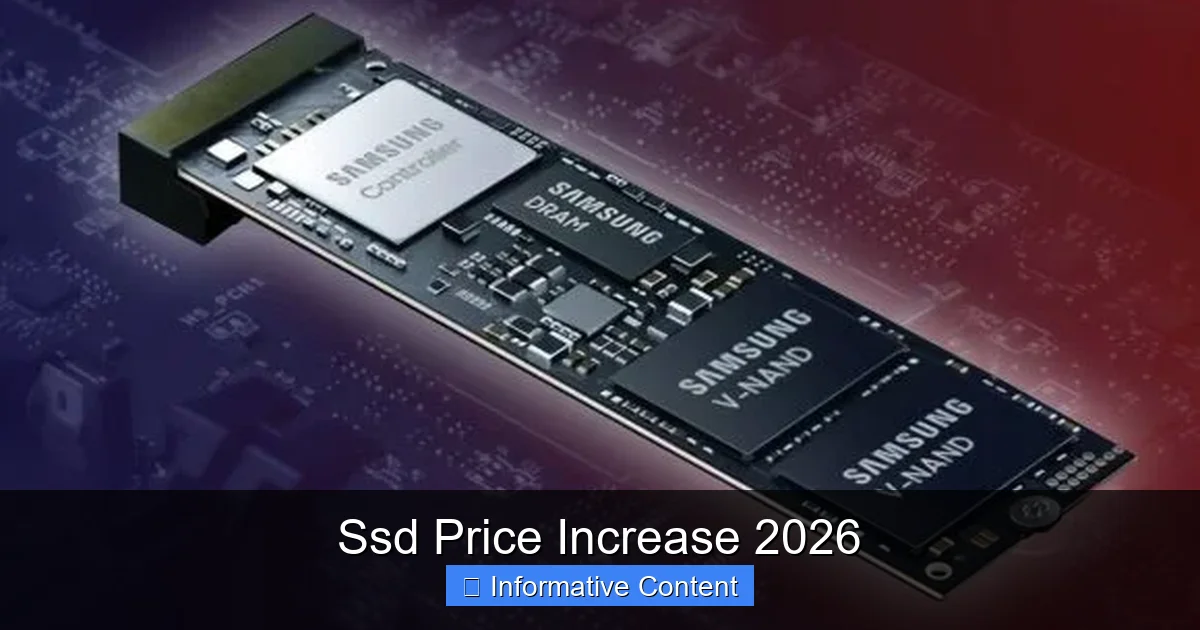
NAND flash is the “memory” part of an SSD. Think of it like a digital filing cabinet where your files live. As technology advances, manufacturers pack more memory into smaller spaces using techniques like 3D stacking. However, producing these advanced chips requires specialized equipment and cleanrooms that are expensive to build and maintain. When demand outstrips supply—as it has been since 2023—prices naturally rise.
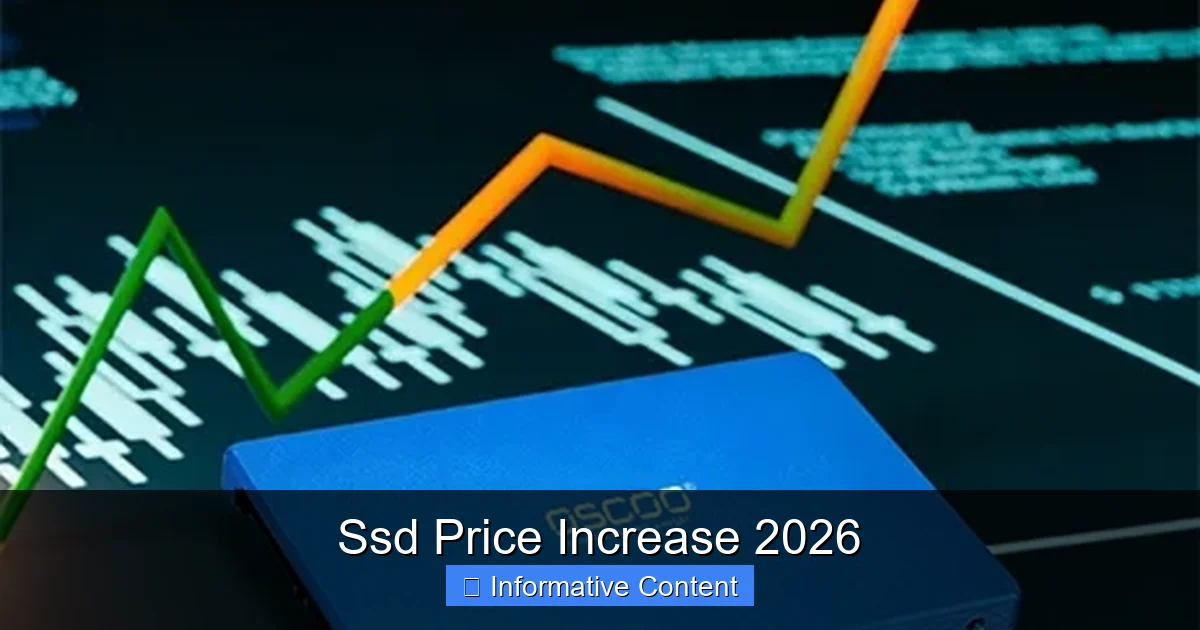
In fact, according to industry analysts at TrendForce, NAND flash prices increased by nearly 18% in Q4 2024 alone. This doesn’t directly translate to retail SSD prices overnight, but it sets the stage for future hikes. By 2026, if current trends continue, we could see average SSD price increases of 10–15% across the board, especially for high-capacity drives used in workstations and servers.
Controller Chips: The Brain Behind the Drive
If NAND flash is the memory, the controller chip is the brain. It manages how data is written, read, and organized on the drive. Modern controllers support faster interfaces like NVMe and PCIe Gen5, enabling blazing speeds. But these controllers are also built on cutting-edge semiconductor nodes (like 7nm or 5nm), which are harder and more expensive to produce.
When controller supply drops—due to factory fires, natural disasters, or export bans—it creates bottlenecks. For example, in 2024, a fire at a major semiconductor plant in South Korea disrupted controller production, leading to delays and higher costs. These kinds of disruptions are expected to persist through 2025 and into 2026, further pressuring SSD pricing.
Rising Demand: The Engine Behind Price Hikes
It’s not just supply that’s changing—demand is exploding too. And when demand outpaces supply, prices go up. In 2026, three major sectors are driving unprecedented SSD demand:
Visual guide about Ssd Price Increase 2026
Image source: oscoo.com
- Artificial Intelligence (AI): Training large language models requires petabytes of fast storage. Companies like OpenAI, Google, and Meta are leasing thousands of high-end SSDs for their data centers.
- Cloud Computing: AWS, Microsoft Azure, and Google Cloud all rely on SSDs for hosting virtual machines and databases. Their bulk purchases influence market pricing.
- Consumer Electronics: Laptops, smartphones, and tablets increasingly use internal SSDs instead of hard drives. Even budget devices now come with 256GB or more of fast storage.
AI and the Storage Gold Rush
Artificial intelligence is perhaps the biggest wildcard in SSD pricing. Unlike traditional software, AI systems need constant access to massive datasets. Every time a model learns something new, data must be read and written rapidly—something only high-speed SSDs can handle.
This has created a new category of enterprise-grade SSDs optimized for AI workloads. Known as “AI-Optimized SSDs,” they feature lower latency, higher endurance, and advanced error correction. But they’re also more expensive. As more companies invest in AI infrastructure, demand for these specialized drives grows—and so do their prices. By 2026, it’s estimated that AI-related SSD purchases will account for over 30% of total enterprise storage spending.
Data Centers: The New Battleground
Data centers are the backbone of the internet, and they’re expanding fast. From social media platforms to e-commerce giants, every second of downtime costs millions. That’s why companies are investing heavily in ultra-reliable, high-speed storage.
These facilities use large-scale SSD arrays—sometimes containing tens of thousands of drives—organized in RAID configurations for redundancy and speed. The sheer volume of purchases gives data center operators negotiating power, but it also means they’re willing to pay premium prices for performance. This “wholesale premium” trickles down to consumer pricing, especially during restocking cycles.
Technological Advancements Driving Higher Costs
You might think newer technology would lower prices—but that’s not always true. In the case of SSDs, innovation is actually making them more expensive to produce and sell. Here’s why:
Visual guide about Ssd Price Increase 2026
Image source: custompc.com
PCIe Gen5 and Gen6: Faster, But Costly
PCIe Gen4 was revolutionary when it launched. Now, PCIe Gen5 offers twice the bandwidth, and Gen6 promises even more. These advancements enable speeds over 14,000 MB/s—fast enough to load entire operating systems in seconds.
But Gen5 and Gen6 SSDs require new hardware, including motherboards and CPUs with compatible slots. They also need more power and better cooling solutions. All of this adds to the manufacturing cost. Early adopters may pay a premium, and those prices are expected to stabilize upward by 2026 as adoption grows.
QLC vs. TLC NAND: Trade-offs in Performance and Price
Manufacturers use different types of NAND flash to balance cost and performance. QLC (Quad-Level Cell) stores four bits per cell and is cheaper, but slower and less durable. TLC (Triple-Level Cell) stores three bits and offers better longevity and speed.
As demand for high-performance drives rises, more manufacturers are shifting toward TLC and even MLC (Multi-Level Cell). While this improves user experience, it also increases production costs. Consumers may see fewer budget options in 2026, with mid-range drives leaning toward TLC-based designs.
Geopolitical Tensions and Supply Chain Risks
Global politics play a surprising role in SSD pricing. Over 70% of advanced semiconductors are manufactured in East Asia—particularly in Taiwan, South Korea, and China. Any disruption in these regions can ripple across the world.
Trade Wars and Export Controls
U.S.-China trade tensions have led to export restrictions on critical technologies. In 2023, the U.S. banned the sale of advanced AI chips to certain Chinese firms. While not directly targeting SSDs, such policies affect the broader ecosystem. Manufacturers may reroute production to avoid sanctions, increasing logistics costs and delivery times.
Similarly, tariffs on imported components—like DRAM modules or printed circuit boards—add to final product costs. These aren’t always passed on immediately, but as margins shrink, retailers eventually raise prices to protect profits.
Natural Disasters and Factory Shutdowns
The semiconductor industry is vulnerable to natural disasters. In 2024, floods in Malaysia disrupted output from several contract manufacturers. Even minor incidents—like a power outage at a key SSD assembly plant—can delay shipments for weeks.
Insurance costs are rising, and companies are building in contingency buffers. These extra expenses are baked into product pricing, contributing to the overall increase in SSD costs by 2026.
Impact on Different User Groups
Not everyone feels SSD price hikes the same way. Let’s break down who’s affected most and least, and what you can do about it.
Gaming Enthusiasts
Gamers love fast storage because it reduces load times and eliminates stuttering. An SSD can shave minutes off loading screens in titles like Cyberpunk 2077 or Call of Duty.
But as prices rise, gamers may face tough choices. Should they buy a smaller, faster drive now, or wait for prices to drop? Unfortunately, waiting is risky. Sales events like Black Friday or Prime Day offer temporary relief, but they’re not guaranteed. Experts suggest buying during seasonal promotions and considering slightly older models to save money.
Content Creators and Professionals
Video editors, graphic designers, and developers rely on large SSDs to store raw footage, project files, and code repositories. A 2TB SSD might cost $150 today—but by 2026, that could rise to $180 or more.
To manage costs, professionals are adopting hybrid strategies. Many now use a fast 1TB NVMe SSD for active projects and a larger SATA SSD for archival storage. This balances performance and budget while avoiding the highest price spikes.
Everyday Users and Students
For students and casual users, SSDs are becoming standard. Most laptops sold in 2025 already include SSDs, so price hikes won’t affect new purchases much. However, those needing external drives or upgrades may feel the pinch.
A practical tip: buy during back-to-school or holiday sales. Also, consider refurbished or open-box drives from reputable sellers. They’re often tested and warrantied, offering savings without sacrificing reliability.
What You Can Do to Save Money in 2026
Even with rising prices, smart shoppers can still get great deals. Here are actionable tips to help you navigate the SSD market in 2026:
- Shop During Sales Events: Black Friday, Cyber Monday, Amazon Prime Day, and back-to-school periods often feature significant discounts. Set price alerts on sites like CamelCamelCamel or Keepa.
- Consider Older Generations: PCIe Gen4 SSDs are still excellent and often 20–30% cheaper than Gen5 models. They’re ideal for most users unless you need extreme speeds.
- Bundled Deals: Look for kits that include SSDs, heatsinks, or cables. These can offer better value than buying parts separately.
- Refurbished Options: Certified refurbished SSDs from brands like Samsung, Crucial, or Western Digital can save you up to 40%. Check warranty terms carefully.
- Buy in Bulk (If Applicable): Businesses and power users might benefit from wholesale programs or direct-from-manufacturer deals.
- Monitor Price Trends: Use tools like Google Trends or StockX to track SSD price history. If prices are peaking, it might be better to wait a few months.
Long-Term Strategy: Plan Your Upgrade
If you know SSD prices are rising, timing your purchase becomes critical. Instead of buying impulsively, create a 12-month upgrade plan. Note when your current drive is full, and set a reminder to research deals a month before you need it.
Also, consider whether you really need the latest model. For most users, a well-reviewed Gen4 SSD offers near-maximum performance at a fraction of the cost. Only jump to Gen5 if your system supports it and you’re doing intensive tasks like 8K video editing or real-time rendering.
Conclusion: Navigating the SSD Price Landscape in 2026
By 2026, SSD prices are expected to climb due to a combination of supply constraints, booming demand, and technological complexity. While this may seem discouraging, it’s not a reason to abandon SSDs altogether. Instead, it’s an opportunity to become a more informed buyer.
Understanding the factors behind price increases—from semiconductor shortages to AI-driven demand—empowers you to make strategic decisions. Whether you’re a gamer, a creator, or just someone who wants a faster computer, there are ways to get great value even in a rising market.
Remember: timing matters. Sales happen. Older models hold their value. And sometimes, a slightly slower drive is perfectly fine—especially if it saves you money. Stay flexible, stay informed, and you’ll ride out the price surge without breaking the bank.
Frequently Asked Questions
Will SSD prices keep rising after 2026?
While prices may stabilize or even dip slightly after 2026, long-term trends suggest continued inflation due to sustained demand and limited supply growth. However, technological breakthroughs or new manufacturing plants could ease pressures.
Are external SSDs affected by the same price increases?
Yes, external SSDs share many of the same components and supply chain challenges. However, they often include additional enclosures and connectors, which can amplify cost increases.
Can I still find SSDs on sale in 2026?
Absolutely. Major retailers regularly run promotions during holidays and special events. Just be cautious of inflated “original” prices used to justify discounts.
Do M.2 SSDs cost more than SATA SSDs in 2026?
M.2 (especially NVMe) SSDs are generally more expensive due to faster technology and higher component costs. SATA SSDs remain a budget-friendly option for basic needs.
Should I wait to buy an SSD until 2026?
Waiting isn’t guaranteed to save money. Prices are already rising, and future hikes may be offset by inflation. It’s smarter to buy when you need it and take advantage of sales.
How do I choose an SSD if prices are going up?
Focus on your actual needs. Don’t overspend on capacity you won’t use. Prioritize reliability, speed, and warranty over the latest features unless you truly need them.