
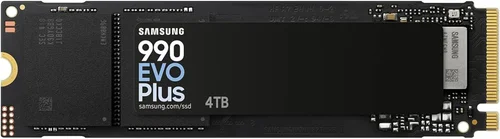
Solid-state drives (SSDs) have revolutionized how we store and access data, replacing traditional hard disk drives (HDDs) as the go-to storage solution for everything from everyday laptops to high-end gaming rigs and professional workstations. Among the countless SSD brands and models available today, Samsung’s EVO series has long stood out as a household name—often synonymous with reliability, performance, and value. But with the rapid evolution of storage technology, rising competition from brands like Western Digital, Crucial, Kingston, and even newer players like Sabrent and Corsair, the question remains: Is Samsung EVO still the best SSD choice in 2026?
This comprehensive buying guide is designed to cut through the marketing noise and technical jargon to help you make an informed decision. Whether you’re upgrading your aging laptop, building a new PC, or simply looking to expand your storage capacity, understanding what makes an SSD truly great—and whether the Samsung EVO lineup delivers on those promises—is essential. We’ll explore key performance metrics, real-world usability, price-to-performance ratios, durability, and long-term value. By the end of this guide, you’ll not only know if Samsung EVO is right for you, but also how to choose the best SSD for your specific needs, budget, and use case.
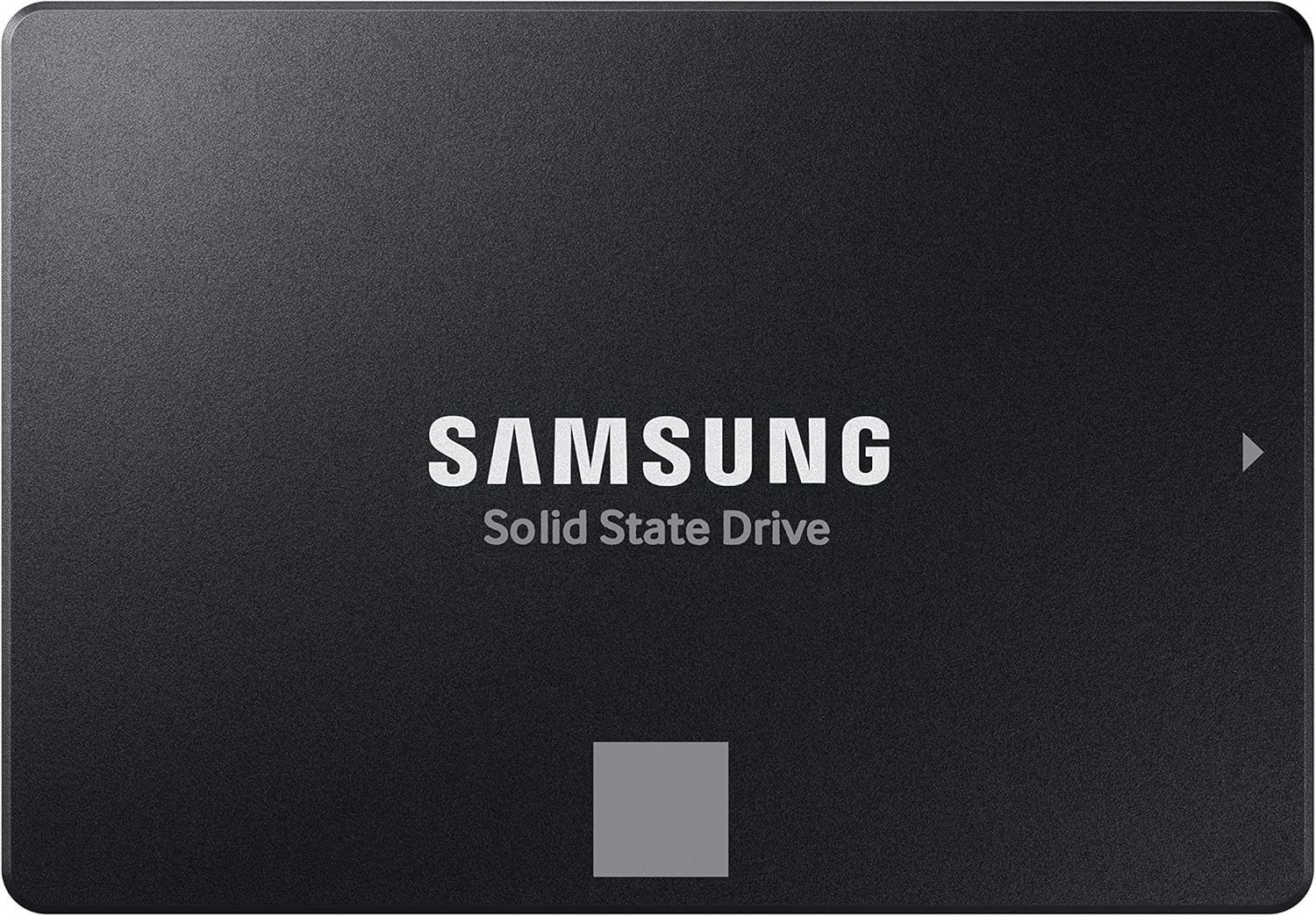
The SSD market in 2026 is more crowded and competitive than ever. With advancements in NAND flash technology, PCIe Gen5 interfaces, and intelligent caching algorithms, even mid-tier drives now offer speeds that were once reserved for premium models just a few years ago. Samsung continues to innovate with its EVO series, offering a range of options from the budget-friendly 870 EVO SATA drive to the high-speed 990 EVO NVMe model. However, competitors are no longer playing catch-up—they’re setting new benchmarks in performance, endurance, and affordability. This guide will equip you with the knowledge to compare Samsung EVO against the best alternatives, so you can confidently invest in storage that meets your expectations today and lasts for years to come.

What to Look for When Buying Buying Guide
1. Budget & Price Range
Your budget is one of the most critical factors when choosing an SSD. SSDs vary widely in price depending on capacity, interface type (SATA vs. NVMe), and performance tier. Samsung EVO drives are generally positioned as mid-to-high-end options, offering a balance between cost and performance. For example, the 1TB Samsung 870 EVO SATA SSD typically retails around $90–$110, while the 1TB 990 EVO NVMe drive costs between $120 and $150. These prices are competitive but not the cheapest on the market—brands like Crucial and Kingston often offer similar-capacity SATA drives for $20–$30 less.
When setting your budget, consider not just the upfront cost but also the long-term value. A slightly more expensive SSD with better endurance, faster speeds, and a longer warranty may save you money in the long run by reducing the risk of failure and the need for early replacement. Additionally, larger capacities (2TB and above) offer better cost-per-gigabyte ratios, so if you need substantial storage, it’s often smarter to invest in a higher-capacity drive upfront rather than buying multiple smaller ones.
It’s also worth noting that SSD prices fluctuate due to market demand, NAND flash shortages, and seasonal sales. Black Friday, Prime Day, and back-to-school promotions often bring significant discounts. If you’re flexible with timing, waiting for a sale can help you get a premium Samsung EVO model at a mid-range price.
2. Performance Specifications
Performance is where SSDs truly shine compared to HDDs, and it’s a key differentiator between models. When evaluating performance, focus on three main metrics: sequential read/write speeds, random read/write IOPS (Input/Output Operations Per Second), and interface type.
Samsung EVO drives are known for strong real-world performance, even if their peak specs don’t always top the charts. The 990 EVO, for instance, delivers up to 5,000 MB/s read and 4,200 MB/s write speeds over PCIe Gen4, which is more than sufficient for gaming, content creation, and multitasking. The older 870 EVO, while limited by the SATA III interface to around 560 MB/s, still offers excellent responsiveness for everyday computing tasks.
Random IOPS are especially important for tasks like booting your OS, launching applications, and handling multiple small files simultaneously. Samsung’s EVO series typically scores well in this area, thanks to its advanced controller and intelligent caching. However, high-end NVMe drives from competitors like the WD Black SN850X or Sabrent Rocket 4 Plus can outperform the 990 EVO in sustained workloads due to better thermal management and higher-tier NAND.
For most users, the 990 EVO strikes an excellent balance between speed, reliability, and price. But if you’re a professional video editor or 3D animator working with massive files, you might benefit from a drive with even higher sustained write speeds and better thermal throttling resistance.
3. Build Quality & Durability
SSDs have no moving parts, making them inherently more durable than HDDs. However, not all SSDs are built equally. Samsung has a long-standing reputation for high build quality, using premium components and rigorous testing in its EVO series. The 990 EVO, for example, features a robust controller design, high-quality TLC NAND flash, and advanced error correction algorithms that enhance data integrity over time.
Durability is often measured in terabytes written (TBW), which indicates how much data can be written to the drive over its lifetime before it’s likely to fail. The 1TB 990 EVO has a TBW rating of 600TB, while the 2TB version offers 1,200TB. These numbers are competitive with other top-tier NVMe drives and reflect Samsung’s confidence in its product’s longevity.
Another aspect of durability is thermal performance. High-speed NVMe drives can generate significant heat during sustained workloads, which can lead to thermal throttling—slowing down to prevent damage. Samsung includes a heatsink option on some EVO models and uses firmware optimizations to manage heat, but in compact laptops or tightly packed PC builds, additional cooling may be necessary. Always check if your system has adequate airflow or consider a drive with a built-in heatsink if you plan to push it hard.
4. Features & Functionality
Beyond raw speed and durability, modern SSDs come with a suite of features that enhance usability, security, and longevity. Samsung’s EVO series includes several standout functionalities that set it apart from the competition.
One of the most valuable is Samsung Magician software, a free utility that provides drive health monitoring, performance optimization, firmware updates, and secure erase capabilities. This tool is user-friendly and offers deep insights into your drive’s status, making it easier to maintain peak performance over time. Few competitors offer such a polished and feature-rich management suite.
Another key feature is hardware-based AES 256-bit encryption, which ensures your data remains secure even if the drive is lost or stolen. This is particularly important for business users or anyone handling sensitive information. Samsung also supports TCG Opal and Microsoft eDrive standards, making it compatible with enterprise-grade security solutions.
The 990 EVO also supports HMB (Host Memory Buffer), which uses a portion of your system’s RAM to boost performance on DRAM-less SSDs. While not as fast as drives with onboard DRAM, HMB helps the 990 EVO maintain strong performance in everyday tasks without the added cost.
Additionally, Samsung offers a migration tool that simplifies cloning your old drive to a new EVO SSD, reducing setup time and minimizing the risk of data loss during upgrades.
5. Brand Reputation
Samsung has been a dominant force in the SSD market for over a decade, and its reputation for quality and innovation is well-earned. The company is one of the few manufacturers that designs and produces its own NAND flash memory, controllers, and firmware—giving it greater control over quality and performance optimization. This vertical integration allows Samsung to deliver consistent, reliable products that often set industry standards.
The EVO series, in particular, has earned praise from tech reviewers and everyday users alike for its balance of performance, reliability, and value. While Samsung’s PRO series targets enthusiasts and professionals with higher endurance and performance, the EVO line is designed for mainstream users who want a dependable, high-quality SSD without paying premium prices.
That said, brand reputation shouldn’t be the sole deciding factor. While Samsung is a trusted name, other brands like Western Digital, Crucial (a Micron company), and Kingston also have strong track records and offer competitive products. It’s important to compare specific models rather than relying solely on brand loyalty.
Customer support is another aspect of brand reputation. Samsung offers solid technical support and a straightforward warranty process, though some users report longer wait times during peak periods. Reading user reviews on retail sites and forums can give you a better sense of real-world support experiences.
6. Warranty & Support
Warranty length and terms are crucial when investing in an SSD, as they reflect the manufacturer’s confidence in the product’s longevity. Samsung backs its EVO series with a generous 5-year limited warranty, which is standard for high-quality SSDs. This warranty covers defects in materials and workmanship but does not include damage from misuse, physical impact, or unauthorized modifications.
One advantage of Samsung’s warranty is that it’s often tied to the TBW rating. For example, the 1TB 990 EVO is warrantied for 5 years or until 600TB of data has been written—whichever comes first. This dual-limit approach ensures that even heavy users are protected, as long as they don’t exceed the write endurance.
In comparison, some budget SSDs offer only 3-year warranties or lower TBW ratings, which may not be sufficient for power users. When evaluating warranties, always check the fine print to understand what’s covered and how to file a claim. Samsung’s online support portal makes it relatively easy to register your drive and initiate a warranty replacement if needed.
It’s also worth noting that warranty terms can vary by region. In the U.S., Samsung typically honors warranties through authorized retailers, while in other countries, you may need to contact local service centers. Always purchase from reputable sellers to ensure full warranty coverage.
7. Size & Portability
While most internal SSDs are installed inside desktops or laptops, portability can still be a factor—especially if you’re considering an external SSD or planning to upgrade multiple devices. Samsung offers the EVO series in standard 2.5-inch SATA form factors (like the 870 EVO) and M.2 2280 NVMe modules (like the 990 EVO), which are compact and ideal for slim laptops and small-form-factor PCs.
The M.2 form factor is particularly advantageous for modern systems, as it eliminates the need for power and data cables, reducing clutter and improving airflow. The 990 EVO’s slim profile makes it compatible with most laptops and motherboards, though you should always verify your system’s M.2 slot type (Key M) and available space before purchasing.
For users who need portable storage, Samsung also offers external SSD options like the T7 and T9 series, which are based on EVO technology. These drives are lightweight, durable, and offer fast transfer speeds over USB 3.2 Gen 2 or USB4, making them ideal for photographers, videographers, and remote workers.
If you’re building a compact PC or upgrading a thin laptop, the physical size and connector type of your SSD are just as important as its performance. Always check your device’s specifications to ensure compatibility before buying.
8. User Reviews & Ratings
While technical specs and marketing materials provide valuable insights, real-world user experiences often reveal the true strengths and weaknesses of an SSD. Samsung EVO drives consistently receive high ratings on major retail platforms like Amazon, Newegg, and Best Buy, with average scores typically above 4.5 out of 5 stars.
Common praises include fast boot times, smooth multitasking, quiet operation, and reliable performance over long-term use. Users also appreciate the ease of installation and the helpfulness of Samsung Magician software. Many report using their EVO drives for 5+ years without issues, reinforcing the series’ reputation for durability.
However, some criticisms do arise. A small number of users report occasional firmware bugs or compatibility issues with certain motherboards, though these are usually resolved through updates. Others note that while the 990 EVO is fast, it doesn’t always match the peak performance of more expensive drives like the Samsung 990 PRO or WD Black SN850X in sustained workloads.
When reading reviews, pay attention to patterns rather than isolated complaints. If multiple users report the same issue—such as slow write speeds after the cache fills up—it’s worth investigating further. Also, check the date of the review; older reviews may not reflect current firmware improvements or newer use cases like PCIe Gen5 systems.
Forums like Reddit’s r/buildapc and Tom’s Hardware are excellent resources for in-depth discussions and long-term user feedback. Engaging with these communities can provide insights that aren’t available in standard product descriptions.
Different Types of Buying Guide
Common Buying Mistakes to Avoid
❌ Mistake: Choosing Based Solely on Peak Speed
Why it’s bad: Many buyers focus only on sequential read/write speeds (e.g., 7,000 MB/s) without considering real-world performance. In everyday use, factors like random IOPS, cache management, and thermal throttling have a much greater impact on responsiveness than peak bandwidth.
What to do instead: Look at comprehensive benchmarks that include real-world tasks like boot time, game loading, and file transfers. A drive with slightly lower peak speeds but better sustained performance and thermal management will feel faster in daily use.
❌ Mistake: Ignoring Compatibility
Why it’s bad: Not all SSDs work with all systems. M.2 slots vary by type (SATA vs. NVMe), and some older motherboards don’t support PCIe Gen4 or Gen5. Installing an incompatible drive can lead to frustration or even hardware damage.
What to do instead: Check your motherboard or laptop manual to confirm the supported SSD form factor, interface, and generation. Use tools like CPU-Z or Samsung Magician to verify compatibility before purchasing.
❌ Mistake: Overlooking Write Endurance
Why it’s bad: SSDs have a finite number of write cycles. Heavy users—such as video editors or database administrators—can wear out a low-endurance drive quickly, leading to premature failure.
What to do instead: Check the TBW rating and choose a drive with sufficient endurance for your workload. For most users, 600TBW (1TB) is more than enough, but professionals should aim for 1,000TBW or higher.
❌ Mistake: Buying the Cheapest Option
Why it’s bad: Budget SSDs often use lower-quality NAND, lack DRAM caches, and have shorter warranties. They may perform well initially but degrade quickly under sustained use.
What to do instead: Invest in a mid-range drive from a reputable brand. The Samsung 990 EVO or Crucial P5 Plus offer excellent value without compromising on reliability.
❌ Mistake: Skipping Firmware Updates
Why it’s bad: Outdated firmware can cause performance issues, compatibility problems, or even data corruption. Many users never update their SSD firmware, missing out on critical improvements.
What to do instead: Use Samsung Magician or the manufacturer’s tool to check for and install firmware updates regularly. Always back up your data before updating.
❌ Mistake: Not Considering Future Needs
Why it’s bad: Buying a 500GB SSD today might seem sufficient, but as games, apps, and OS updates grow larger, you’ll quickly run out of space.
What to do instead: Opt for at least 1TB if your budget allows. The cost difference is minimal, and the extra space will extend the drive’s useful life.
Budget Guidelines: How Much Should You Spend?
- Entry-Level ($50–$80): At this price, you’ll find basic SATA SSDs like the Samsung 870 EVO 500GB or Crucial MX500. These are ideal for upgrading older systems or building a budget PC. Expect reliable performance for everyday tasks but limited capacity and no NVMe speeds.
- Mid-Range ($80–$150): This is the sweet spot for most buyers. You can get a 1TB Samsung 990 EVO or Crucial P5 Plus, offering excellent NVMe performance, good endurance, and strong software support. Perfect for gaming, office work, and light content creation.
- Premium ($150–$250): Here, you’ll find high-end drives like the Samsung 990 PRO or WD Black SN850X. These offer top-tier speeds, advanced thermal management, and higher endurance—ideal for professionals and enthusiasts.
- Luxury ($250+): At this tier, you’re paying for cutting-edge technology, such as PCIe Gen5 drives or ultra-high-capacity models (4TB+). These are overkill for most users but valuable for data centers, video production studios, or extreme gaming setups.
Expert Tips for Getting the Best Deal
- Wait for seasonal sales: Major retailers offer significant SSD discounts during Black Friday, Cyber Monday, Prime Day, and back-to-school seasons. Sign up for price alerts on sites like CamelCamelCamel or Honey.
- Buy from authorized retailers: Ensure your warranty is valid by purchasing from Samsung-authorized sellers like Amazon, Best Buy, or Newegg. Avoid third-party sellers with unclear return policies.
- Check for bundle deals: Some retailers offer SSDs bundled with cloning software, heatsinks, or external enclosures at a discount.
- Consider refurbished models: Samsung-certified refurbished SSDs often come with full warranties and can save you 20–30% off retail prices.
- Test before committing: If possible, test the SSD in your system before finalizing the purchase. Use tools like CrystalDiskMark to verify performance.
- Read the return policy: Ensure the seller offers a hassle-free return window (at least 30 days) in case of compatibility issues or defects.
- Monitor firmware updates: After purchase, register your drive and keep firmware updated to maintain optimal performance and security.

Frequently Asked Questions
Q: Is the Samsung EVO better than the PRO series?
A: Not necessarily. The PRO series (like the 990 PRO) offers higher performance, better endurance, and optional heatsinks, making it ideal for professionals. The EVO series is more than sufficient for most users and offers better value for everyday use.
Q: Can I use a Samsung EVO SSD in a laptop?
A: Yes, as long as your laptop supports the form factor (2.5-inch SATA or M.2 NVMe). Check your laptop’s specifications or user manual to confirm compatibility.
Q: Does the Samsung EVO require a heatsink?
A: The 990 EVO doesn’t include a heatsink, but one is recommended for sustained workloads. The 990 PRO offers a heatsink version for better thermal management.
Q: How long will a Samsung EVO SSD last?
A: With typical use, a Samsung EVO SSD can last 5–10 years or more. The 5-year warranty and high TBW rating reflect its durability.
Q: Can I clone my old drive to a Samsung EVO?
A: Yes, Samsung provides a free migration tool that makes cloning easy and safe. Ensure your new SSD has equal or greater capacity than the source drive.
Q: Is the 990 EVO compatible with PCIe Gen5?
A: The 990 EVO is a PCIe Gen4 drive but is backward compatible with Gen5 slots. It will run at Gen4 speeds, which are still very fast.
Q: What’s the difference between TLC and QLC NAND?
A: TLC (Triple-Level Cell) offers better endurance and performance than QLC (Quad-Level Cell). Samsung EVO drives use TLC NAND, which is more reliable for long-term use.
Q: Should I enable TRIM on my Samsung EVO?
A: Yes, TRIM helps maintain SSD performance over time by clearing unused data blocks. It’s usually enabled by default in modern operating systems.
Our Final Recommendations
- Best for Budget-Conscious Buyers: Samsung 870 EVO 1TB – Reliable, affordable, and perfect for upgrading older systems.
- Best Overall Value: Samsung 990 EVO 1TB – Excellent balance of speed, features, and price for most users.
- Best Premium Option: Samsung 990 PRO 1TB (with heatsink) – Top-tier performance for enthusiasts and professionals.
- Best for Beginners: Crucial P5 Plus 1TB – Easy to install, great software, and very affordable NVMe performance.
- Best for Advanced Users: WD Black SN850X 1TB – Consistently high speeds and excellent for gaming and heavy workloads.
Conclusion: Making the Right Choice
So, is Samsung EVO the best SSD in 2026? The answer depends on your needs. For most users, the Samsung 990 EVO offers an outstanding combination of performance, reliability, and value, making it one of the top choices on the market. Its strong real-world performance, excellent software support, and proven durability justify its popularity. However, if you’re on a tight budget, the 870 EVO remains a solid SATA option, while competitors like Crucial and WD offer compelling alternatives in the NVMe space.
The key to choosing the right SSD is understanding your specific requirements—whether it’s speed, capacity, endurance, or price. Don’t be swayed by marketing hype or peak benchmarks alone. Instead, focus on real-world performance, compatibility, and long-term value. Use the insights from this guide to compare options, avoid common pitfalls, and make a confident decision.
Ultimately, investing in a quality SSD like the Samsung EVO series is one of the best upgrades you can make for your computer. It will breathe new life into an aging system, dramatically improve boot and load times, and provide reliable storage for years to come. Take the time to evaluate your needs, do your research, and choose wisely—your data and productivity will thank you.