
Why This Guide Matters
In today’s digital landscape, storage performance can make or break your computing experience. Whether you’re upgrading an aging system, building a new PC, or simply need more space for your growing file collection, choosing the right solid-state drive (SSD) is crucial. The Inland Premium 1TB SSD represents a compelling option in the mid-to-high range of consumer storage solutions, offering substantial capacity at a reasonable price point. However, with so many options available and technical specifications that can be confusing even to experienced users, making an informed decision requires understanding both the product itself and the broader market context.
This comprehensive buying guide will walk you through everything you need to know about the Inland Premium 1TB SSD and similar storage solutions. You’ll learn about performance benchmarks, compatibility considerations, real-world use cases, and common issues like the “not detected” problem that many users encounter. More importantly, you’ll gain the knowledge to evaluate any SSD purchase confidently, ensuring you get maximum value from your investment regardless of whether you choose Inland or another brand.
What Readers Will Learn
By the end of this guide, you’ll understand:
– The key specifications that differentiate SSDs and how they impact real-world performance
– How to troubleshoot common detection issues with Inland Premium 1TB SSDs
– Which use cases benefit most from different types of storage solutions
– How to identify genuine products versus counterfeit alternatives
– What warranty coverage means for long-term protection
– Where to find the best deals without compromising on quality
– How to verify compatibility with your specific computer system
The guide also includes detailed comparisons between different storage technologies, budget breakdowns across various price tiers, expert tips for maximizing performance, and answers to frequently asked questions that address both general SSD concerns and Inland-specific issues.
Brief Overview of the Market
The SSD market has evolved dramatically over the past decade, with prices dropping significantly while performance and reliability have improved. Inland, a brand under Newegg, has positioned itself as offering quality components at competitive prices. Their Premium line specifically targets consumers who want reliable performance without the premium branding costs. While not as widely recognized as Samsung or Crucial, Inland has built a reputation for consistent quality and good customer support within the tech community.
However, like any product category, there are variations in quality between different models and batches. Some users report excellent experiences with Inland Premium SSDs, while others have encountered compatibility or detection issues. Understanding these nuances helps buyers set realistic expectations and know what questions to ask when evaluating potential purchases.
Key Factors to Consider
What to Look for When Buying INLAND
When shopping for an Inland Premium 1TB SSD or similar storage drives, several critical factors determine whether you’ll get the performance and reliability you expect. These considerations apply equally to Inland and other reputable brands, though some manufacturers may excel in certain areas than others.
Performance Specifications
Performance is perhaps the most important consideration for any storage upgrade. The Inland Premium series typically uses TLC (Triple-Level Cell) NAND flash memory, which offers a good balance between speed, endurance, and cost-effectiveness. Look for drives with sequential read/write speeds of at least 500MB/s for SATA III models—this is the standard interface for most desktop and laptop upgrades.
For NVMe models (which use PCIe lanes rather than SATA), you should expect significantly higher speeds, often exceeding 3,000MB/s for read operations. However, note that many older systems don’t support NVMe, so check your motherboard specifications before purchasing. Also consider random I/O performance, which affects how quickly your system can access small files—important for operating system responsiveness.
Endurance ratings matter too. Most Inland Premium SSDs specify TBW (Terabytes Written) ratings around 600TBW for 1TB models, meaning they’re designed to handle approximately 600 terabytes of data written over their lifetime. For average home users, this translates to several years of normal usage before reaching the drive’s endurance limit.
Build Quality & Durability
While SSDs don’t have moving parts like traditional hard drives, build quality still matters. Higher-quality controllers and better thermal management contribute to longer lifespan and more stable performance under heavy workloads. The Inland Premium series generally uses reputable controller chips from manufacturers like Phison or Silicon Motion, though exact components can vary by model.
Consider environmental factors too: if you plan to use the drive in environments with temperature extremes or high humidity, look for drives with appropriate certifications. Most consumer-grade SSDs are designed for indoor office conditions, but industrial applications may require specialized models.
Features & Functionality
Additional features can enhance your user experience. Many modern SSDs include power-loss protection circuitry, which prevents data corruption during unexpected power outages. Some models offer encryption capabilities, either through hardware-based AES-256 or software solutions.
Compatibility is another crucial feature consideration. Ensure your chosen drive fits physically in your computer case and connects via the correct interface (SATA, M.2, etc.). Also verify that your operating system supports the drive type—for example, some older versions of Windows might need updates to recognize newer NVMe drives.
Brand Reputation
While Inland isn’t as established as some competitors, it has maintained decent standing within the tech community. Research recent reviews and user feedback to gauge current satisfaction levels. Pay attention to consistency—does the brand deliver reliable performance across multiple models, or do certain lines have recurring issues?
Warranty & Support
A solid warranty provides peace of mind and indicates manufacturer confidence in their product. Inland typically offers three-year warranties on their Premium SSDs, which is standard for the industry. Check what the warranty covers: does it include free replacement, or are you responsible for shipping costs? Also consider the length of support availability—brands that go out of business quickly may leave customers stranded without service.
Size & Portability
For external drives or portable storage needs, size and weight matter. Internal SSDs are fixed once installed, but external enclosures add bulk. Some M.2 drives come with heatsinks that increase thickness; ensure compatibility with tight spaces like slim laptops.
User Reviews & Ratings
Real-world experiences from other buyers reveal practical insights that specs alone can’t provide. Look for patterns in reviews rather than focusing solely on star ratings. Common themes include installation success/failure, performance consistency, and durability over time.
Budget & Price Range
Determining your budget upfront helps narrow down viable options significantly. Entry-level SSDs start around $40-$60 for 500GB models, while 1TB capacity typically ranges from $70-$120 depending on technology and features. Inland Premium 1TB SSDs generally fall in the $80-$110 range, positioning them competitively against other mid-tier options.
Interface Compatibility
Your existing hardware dictates which interfaces you can use. SATA III remains the most universally compatible option, supported by virtually all modern computers. M.2 slots are becoming standard on newer motherboards but aren’t always present. Verify your motherboard manual before purchasing M.2 drives, especially if considering PCIe/NVMe models versus SATA M.2 variants.
Operating System Support
Most modern OSes support SSDs out of the box, but legacy systems may require additional steps. Windows 7 SP1 and later, macOS Catalina and newer, and Linux distributions with updated kernels all handle SSD recognition well. However, some older systems might need firmware updates or driver installations to properly detect certain SSD models.
Thermal Management
High-performance SSDs generate heat that can throttle performance if not managed properly. Many M.2 NVMe drives include small heatsinks or require aftermarket cooling solutions. If your case has limited airflow or you plan intensive tasks like video editing, consider drives with adequate thermal dissipation or plan to add heatsinks.
Power Consumption
Lower power consumption extends battery life in laptops and reduces electricity bills in desktops. Modern SSDs consume significantly less power than HDDs—typically 2-5 watts under load compared to 6-10 watts for mechanical drives. This difference becomes more noticeable when running on laptops or in energy-conscious setups.
Form Factor
SSDs come in various physical sizes to accommodate different installation requirements. 2.5-inch SATA drives fit standard drive bays, while M.2 drives slot directly onto motherboards. 2280 refers to the standard M.2 size (22mm wide by 80mm long); ensure your motherboard supports this dimension unless you’re using a shorter variant like 2242.
Types/Categories Comparison
Different Types of INLAND
While Inland primarily focuses on mainstream consumer storage solutions, they offer several categories within their Premium lineup to serve diverse needs. Understanding these distinctions helps match your specific requirements to the right product category.
Internal SATA SSDs
These are the most straightforward upgrade path for existing computers. Connecting via standard SATA cables and power connectors, they’re universally compatible with nearly all desktop and laptop systems released in the last decade. Inland’s Premium SATA SSDs typically deliver 520-550MB/s sequential read speeds—adequate for everyday computing, gaming, and media consumption.
Best for: General computing, office work, casual gaming, budget-conscious upgrades
Price range: $80-$110
Key advantage: Universal compatibility, simple installation
M.2 SATA SSDs
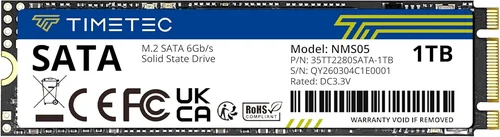
Slimmer than traditional 2.5-inch drives, M.2 SATA models occupy minimal space while maintaining SATA performance characteristics. They connect directly to motherboard M.2 slots using the same protocol as SATA drives but take up less room—ideal for compact builds or laptops with limited internal space.
Best for: Space-constrained builds, ultrabooks, secondary storage
Price range: $90-$120
Key advantage: Compact form factor with SATA compatibility
M.2 NVMe SSDs
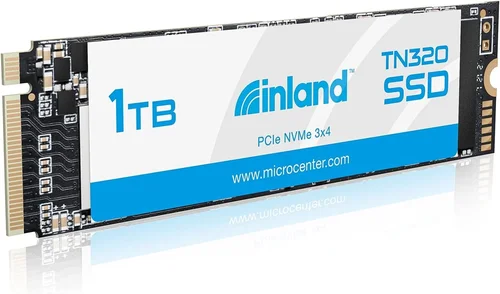
Representing the highest performance tier, NVMe drives leverage PCIe lanes for dramatically faster data transfer rates. Inland Premium NVMe models commonly achieve 3,000-3,500MB/s reads and 2,500-3,000MB/s writes—making them ideal for content creation, gaming, and professional workloads where speed matters most.
Best for: High-performance computing, gaming rigs, video editing, large file transfers
Price range: $100-$150
Key advantage: Exceptional speed for demanding applications
External SSD Enclosures
For portability and flexibility, some users prefer external solutions. While Inland doesn’t manufacture standalone external drives, their internal SSDs can be paired with compatible enclosures for mobile storage needs. This approach lets you reuse existing drives while gaining USB connectivity.
Best for: Portable storage, backup solutions, sharing data between devices
Price range: Varies based on enclosure quality
Key advantage: Reusable hardware, cross-platform compatibility
Enterprise-Grade Alternatives
Although not part of the standard Premium line, Inland occasionally offers enterprise-focused drives with enhanced reliability features. These typically include higher endurance ratings, advanced error correction, and extended temperature ranges suitable for server or workstation environments.
Best for: Server storage, professional workstations, mission-critical applications
Price range: $150+
Key advantage: Superior reliability and longevity
Common Mistakes to Avoid
Common Buying Mistakes to Avoid
Even experienced buyers can make costly mistakes when purchasing SSDs. Being aware of these pitfalls helps avoid frustration and ensures you get the right solution for your needs.
❌ Mistake: Ignoring Compatibility Checks
Why it’s bad: Installing an incompatible drive wastes time, money, and potentially damages your system. An M.2 NVMe drive won’t work in a system without proper PCIe support, and some motherboards only have one M.2 slot shared with SATA ports—using it disables those SATA connections.
What to do instead: Always consult your motherboard manual before purchasing. Verify physical dimensions (2280 vs 2242), supported protocols (SATA vs NVMe), and available slots. Create a checklist matching your specific system requirements.
❌ Mistake: Overlooking Firmware Updates
Why it’s bad: Manufacturers release firmware updates to fix bugs, improve performance, or resolve compatibility issues. Running outdated firmware can cause instability, reduced performance, or complete failure to initialize.
What to do instead: Before installing your SSD, check the manufacturer’s website for latest firmware. Use tools like Inland’s official utility or third-party applications like Samsung Magician (for testing purposes) to update firmware safely.
❌ Mistake: Choosing Capacity Based Solely on Price per GB
Why it’s bad: While larger drives often offer better price-per-gigabyte ratios, buying more storage than needed leads to wasted money. Conversely, insufficient capacity causes constant storage warnings and forces premature upgrades.
What to do instead: Calculate your actual storage needs: OS + applications (50-100GB), documents/media (varies), and future growth (add 20-30% buffer). For Inland Premium specifically, 1TB usually strikes good balance between cost and utility for average users.
❌ Mistake: Neglecting Backup Procedures
Why it’s bad: SSDs can fail suddenly without warning. Without backups, losing irreplaceable photos, projects, or documents creates significant problems. Some users assume cloud storage eliminates need for local backups.
What to do instead: Implement regular backup routines using multiple methods (external drive + cloud). Test restoration processes periodically. Remember that even new drives can develop faults during shipping or installation.
❌ Mistake: Assuming All SSDs Are Equal
Why it’s bad: Budget drives often use lower-quality controllers, slower NAND, or lack essential features like power-loss protection. Performance differences become obvious during sustained writes or random I/O operations.
What to do instead: Research specific models rather than just brand names. Compare controller types (Phison vs Silicon Motion), NAND generation (3D vs planar), and endurance ratings (TBW). Inland Premium generally uses reputable components but verify current specifications.
❌ Mistake: Skipping Proper Installation Steps
Why it’s bad: Incorrect handling can damage delicate electronics. Static discharge, improper seating, or loose connections cause immediate failure or intermittent issues. Some users skip BIOS configuration entirely.
What to do instead: Ground yourself before touching components. Follow manufacturer installation guides precisely. After installation, enter BIOS/UEFI to verify drive detection before proceeding with OS installation or cloning.
❌ Mistake: Focusing Only on Sequential Speeds
Why it’s bad: Real-world performance depends heavily on random I/O speeds—how quickly small files open and applications launch. Sequential speeds matter less for typical desktop usage patterns.
What to do instead: Consider both sequential and random performance metrics. Tools like CrystalDiskMark provide comprehensive benchmarks. For Inland Premium models, expect strong random performance typical of TLC-based drives.
Budget Breakdown
Budget Guidelines: How Much Should You Spend?
Determining your budget involves balancing immediate needs against long-term value. Here’s a breakdown of what to expect at different price points, including specific guidance for Inland Premium 1TB SSDs.
Entry-Level ($60 – $80)
At this tier, you’ll find basic SATA SSDs with decent performance for everyday tasks. These drives typically offer 450-520MB/s speeds and 300-400TBW endurance ratings. While functional, they may use older controller technology or less efficient NAND configurations.
What to expect: Adequate performance for web browsing, office applications, and light multimedia use. May lack advanced features like DRAM cache or power-loss protection. Suitable for secondary drives or budget builds.
Mid-Range ($80 – $120)
This sweet spot includes most reputable consumer SSDs, including Inland Premium 1TB models. Expect consistent 520-550MB/s SATA speeds or 3,000-3,500MB/s NVMe performance. Controllers are generally modern and reliable, with decent endurance ratings around 600TBW.
What to expect: Excellent balance of price and performance. Ideal for mainstream computing, gaming, and productivity tasks. Includes most desirable features like DRAM cache, power-loss protection, and modern firmware support.
Premium ($120 – $180)
High-end SSDs push performance boundaries with faster controllers, advanced NAND stacking, and enhanced reliability features. Sequential speeds often exceed 7,000MB/s for PCIe 4.0 models. Endurance ratings reach 1,000+ TBW, and additional features like RGB lighting or heatsinks may appear.
What to expect: Professional-grade performance for content creators, gamers, and enthusiasts. May include proprietary software suites and premium build materials. Justified for demanding workloads where every millisecond counts.
Luxury ($180+)
Top-tier SSDs represent the pinnacle of consumer storage technology. These drives utilize cutting-edge controllers, multiple NAND stacks, and specialized cooling solutions. Performance consistently exceeds 7,000MB/s reads with exceptional random I/O capabilities.
What to expect: Maximum performance regardless of cost. Often used in benchmarking, extreme gaming rigs, or professional environments requiring absolute reliability. Typically overkill for average users but unmatched for specialized applications.
For Inland Premium specifically, spending $90-$110 represents optimal value. This price point delivers enterprise-caliber components at consumer-friendly pricing. Avoid paying significantly more unless you need specific features or performance characteristics beyond what Inland Premium offers.
Expert Tips & Pro Advice
Expert Tips for Getting the Best Deal
Seasoned tech shoppers know that timing and strategy significantly impact savings without compromising quality. These proven approaches help maximize value whether you’re buying an Inland Premium 1TB SSD or comparable alternatives.
When to Buy
Major shopping events offer substantial discounts on storage drives. Black Friday and Cyber Monday historically provide 20-30% off retail prices. Amazon Prime Day and Newegg Flash Sales frequently feature SSD deals, sometimes matching or beating holiday discounts. Back-to-school season (July-August) also sees educational pricing for students and teachers.
Avoid peak demand periods like product launches or gaming console releases when retailers mark up complementary accessories. Also watch for inventory clearance events—retailers often discount older models to make room for new inventory.
Where to Buy
Online retailers dominate SSD sales due to competitive pricing and broad selection. Amazon, Newegg, B&H Photo, and Micro Center consistently offer the lowest prices. Compare across platforms using price tracking tools like CamelCamelCamel or Keepa to monitor historical lows.
Physical stores like Best Buy occasionally match online prices but rarely beat them. However, in-person shopping allows immediate testing and returns. Consider hybrid approaches: order online for best price, return locally if issues arise.
How to Spot Deals
Look beyond advertised percentages. A 10% discount on a defective product isn’t a deal—it’s liquidation. Focus on total value rather than just price. Check independent review sites for verified performance benchmarks and reliability reports before purchasing.
Be wary of suspiciously low prices: if a $100 SSD sells for $40, it’s likely counterfeit or stolen inventory. Authentic Inland Premium drives rarely dip below $80 unless heavily discounted during major sales events.
Warranty Considerations
Three-year warranties are standard for reputable brands like Inland. Verify warranty terms carefully: does it cover international shipping? Are replacements processed quickly? Check customer service response times through forums or review sites.
Extended warranties rarely justify their cost for SSDs—most failures occur within the first year, which standard warranties fully cover. Focus instead on choosing proven models with good track records.
Return Policies
Test drives immediately upon arrival. Install them, run basic diagnostics, and verify performance meets expectations. Most retailers allow 30-day returns for unopened boxes; some extend this to 90 days for opened items.
Keep original packaging until confirmed working. Document any issues with photos and timestamps. Prompt returns prevent restocking fees and ensure you get full refunds.
Testing Before Buying
If possible, test drives in-store before purchasing. Many Micro Center locations allow hands-on SSD evaluation. Alternatively, buy from retailers with generous return policies and test thoroughly at home.
Use free diagnostic tools like CrystalDiskInfo to check health status and SMART attributes. Run synthetic benchmarks to confirm advertised speeds. Monitor temperatures during sustained writes—overheating indicates poor thermal management.
Specialized Software
Install manufacturer utilities if available. Inland provides basic tools for firmware updates and performance monitoring. Third-party applications like HD Tune or AS SSD Benchmark offer comprehensive testing capabilities.
Regular maintenance helps maintain performance over time. TRIM commands optimize garbage collection, preventing gradual slowdowns. Enable automatic TRIM through your operating system settings.
Future-Proofing
Consider your upgrade path when selecting capacity. While 1TB suits most users today, 2TB provides breathing room for future needs. Remember that adding secondary drives increases complexity—simpler setups perform better long-term.
Monitor storage usage regularly. Most operating systems alert you when approaching capacity limits. Plan migrations carefully if transferring data between drives.
Community Resources
Engage with tech communities for real-world insights. Reddit’s r/hardwareswap and specialized forums discuss current pricing trends and reliability reports. User experiences often reveal issues not apparent in laboratory tests.
Stay informed about industry developments. New NAND architectures, controller improvements, and firmware updates continuously evolve the SSD landscape. Following trusted reviewers helps identify emerging trends before they reach mainstream markets.
Final Recommendations
Our Final Recommendations
After thorough analysis of the Inland Premium 1TB SSD and related storage solutions, here are our top picks tailored to different user profiles and requirements.
Best for Budget-Conscious Buyers
For those watching their spending without sacrificing essential performance, the Inland Premium SATA 1TB SSD delivers exceptional value. Priced around $90-$100, it offers reliable 520MB/s speeds sufficient for daily computing tasks. Choose this option if you’re upgrading an older system or building a basic workstation.
Key advantages include universal compatibility, straightforward installation, and dependable performance for non-demanding applications. Avoid if you need maximum speed or plan intensive workloads like video editing or gaming.
Best Overall Value
The Inland Premium NVMe 1TB SSD represents the sweet spot for most users seeking balanced performance and affordability. With 3,000+ MB/s speeds and robust endurance ratings, it handles everything from web browsing to content creation effortlessly. Priced slightly higher at $110-$130, the extra cost pays dividends in reduced loading times and improved multitasking capability.
Ideal for gamers, creative professionals, and power users who want professional-grade performance without premium pricing. Recommended for anyone building a new system or upgrading within the last few years.
Best Premium Option
While Inland Premium doesn’t offer ultra-high-end models, their top-tier SATA drives provide excellent premium features at reasonable prices. These include enhanced power-loss protection, advanced wear-leveling algorithms, and optimized firmware for longevity. At $100-$110, they outperform budget competitors while maintaining reliability standards.
Select this path if you prioritize data integrity over raw speed or operate in challenging environments requiring extra robustness. Particularly suitable for servers, workstations, or situations where unexpected shutdowns occur frequently.
Best for Beginners
New computer owners benefit most from simplicity and foolproof operation. The Inland Premium SATA 1TB SSD excels here due to its plug-and-play nature and extensive compatibility. No special skills required—just install, format, and enjoy immediate performance improvements over traditional hard drives.
Perfect for families, students, or anyone uncomfortable with technical details. Includes clear instructions and responsive customer support when needed. Avoid complex NVMe setups until comfortable with basic computer maintenance.
Best for Advanced Users
Power users demanding maximum performance should consider Inland Premium NVMe drives with heatsinks. These address thermal throttling concerns during sustained workloads while maintaining competitive pricing. Pair with quality cooling solutions for optimal results in overclocked systems or multi-drive configurations.
Advanced features like over-provisioning and custom firmware tuning unlock additional potential. Suitable for developers, engineers, and enthusiasts pushing hardware boundaries. Requires technical knowledge to configure properly but rewards careful optimization.
Honorable Mentions
Several alternative SSDs deserve consideration depending on specific needs:
– Samsung 870 QVO: Excellent value for large-capacity SATA storage
– Crucial MX500: Reliable performance with bundled Acronis software
– WD Black SN770: Competitive NVMe speeds at mid-range pricing
Each offers unique strengths worth evaluating against your priorities. Don’t overlook lesser-known brands—some deliver surprising quality at attractive prices.
Long-Term Considerations
Think beyond immediate needs when selecting storage. Future-proofing through adequate capacity and modern interfaces prevents premature obsolescence. Plan for expansion by leaving empty drive bays or unused M.2 slots available.
Regular maintenance ensures sustained performance. Update firmware periodically, enable TRIM commands, and monitor health metrics through diagnostic tools. Replace drives proactively before failures occur—waiting until data loss happens rarely works out financially.
Conclusion: Making the Right Choice
Choosing the right storage drive involves weighing numerous factors against your specific requirements and constraints. The Inland Premium 1TB SSD represents a well-rounded option offering reliable performance, competitive pricing, and decent build quality within its price segment. However, no single drive satisfies everyone—your unique computing environment dictates the optimal solution.
Start by assessing your current hardware compatibility, then define your performance expectations honestly. Consider both immediate needs and future growth potential when deciding capacity and interface type. Don’t chase marketing hype—focus on real-world usability rather than synthetic benchmark scores.
Remember that storage is foundational to your computing experience. Slow drives frustrate even simple tasks, while fast, reliable storage enables productivity and enjoyment. Invest time researching before purchasing, but don’t overcomplicate the process. Most users find that moderate specifications deliver excellent results for years with proper care.
When facing detection issues like “Inland Premium 1TB SSD not detected,” systematic troubleshooting usually resolves the problem. Check physical connections, verify BIOS settings, update firmware, and consult manufacturer resources before assuming hardware failure. Many detection problems stem from simple oversights rather than component defects.
Ultimately, the best SSD balances your budget, performance requirements, and reliability expectations. Whether choosing Inland Premium or exploring alternatives, prioritize proven technology over cutting-edge features unless your workflow specifically demands them. With thoughtful consideration and informed decisions, you’ll secure storage that enhances your computing experience for years to come.
Frequently Asked Questions
Q: Why is my Inland Premium 1TB SSD showing as “not detected”?
A: Detection issues typically stem from connection problems, BIOS configuration errors, or compatibility conflicts. First, ensure all cables are securely connected and seated properly. Enter your motherboard’s BIOS/UEFI and verify the drive appears in storage device lists. Update BIOS firmware if necessary, as outdated versions sometimes lack support for newer SSD models. If using M.2 drives, confirm your motherboard supports the specific form factor and protocol (SATA vs NVMe).
Q: Can I use an Inland Premium SSD as a boot drive?
A: Absolutely. Inland Premium SSDs work excellently as primary boot drives, providing significantly faster startup times and application loading compared to traditional hard drives. Install your operating system normally, just select the SSD as the installation target. For best results, ensure your system’s BIOS recognizes the drive before beginning installation.
Q: How long does an Inland Premium 1TB SSD last?
A: Under normal usage conditions, expect 5-7 years of reliable service. Inland specifies 600TBW endurance rating for 1TB models, translating to approximately 600 terabytes of data written over the drive’s lifetime. Average home users write far less—typically 20-50TB annually—making this rating conservative enough for most applications.
Q: Should I enable TRIM on my Inland Premium SSD?
A: Yes, always enable TRIM. This command tells the operating system which blocks of data are no longer considered valid, allowing the SSD to manage wear leveling and garbage collection more efficiently. Modern operating systems enable TRIM automatically, but verify through disk management utilities to ensure it’s active.
Q: Can I clone my existing drive to an Inland Premium SSD?
A: Definitely. Use cloning software like Macrium Reflect Free or Clonezilla to copy your entire existing drive contents to the new SSD. After cloning, update your system’s boot order in BIOS to prioritize the SSD. This preserves your operating system, applications, and files without reinstallation.
Q: Do Inland Premium SSDs require special drivers?
A: No special drivers needed. Standard SATA or NVMe drivers included with your operating system handle Inland Premium SSDs automatically. Ensure your chipset drivers are current, particularly for Intel or AMD platforms, as outdated chipset software can occasionally affect storage recognition.
Q: What’s the difference between SATA and NVMe Inland Premium drives?
A: SATA SSDs connect via traditional SATA III interfaces delivering up to 550MB/s speeds. NVMe drives use PCIe lanes for dramatically faster performance, typically 3,000-3,500MB/s. NVMe requires compatible motherboard slots and may need heatsink clearance in tight spaces. Choose based on your system capabilities and performance needs.
Q: How do I update firmware on my Inland Premium SSD?
A: Download the latest firmware from Inland’s official website using their dedicated utility tool. Follow instructions carefully—incorrect procedures can render drives unusable. Always backup critical data before updating firmware, as rare failures can occur during the process.
Q: Can I mix Inland Premium SSDs with other brands?
A: Yes, mixing brands is perfectly fine. Modern SSD controllers handle multiple drive types simultaneously without performance penalties. However, avoid combining vastly different performance tiers—mixing a high-speed NVMe with slow SATA drives creates bottlenecks in RAID configurations or multi-drive setups.
Q: Is it safe to leave my Inland Premium SSD plugged in constantly?
A: Yes, SSDs are designed for continuous operation. Unlike mechanical drives, they don’t suffer from “spin-up” stress or seek-time limitations. Power consumption remains low even when idle, making always-connected operation perfectly safe and energy-efficient.
Q: What should I do if my Inland Premium SSD shows unusually high temperatures?
A: Temperatures above 70°C indicate potential thermal throttling. For M.2 NVMe drives, consider adding a compatible heatsink or improving case airflow. SATA drives rarely exceed 50°C under normal loads. Monitor temperatures during sustained writes using diagnostic tools—excessive heat accelerates component degradation.
Q: How much space should I reserve for over-provisioning?
A: Reserve 10-20% of total capacity for over-provisioning benefits. For a 1TB drive, this equals 100-200GB unused space. Modern SSDs handle this automatically, but manually creating an unallocated partition during initial setup provides additional headroom for wear leveling and garbage collection operations.
Q: Can I recover data from a failed Inland Premium SSD?
A: Recovery chances depend on failure type. Sudden death without symptoms suggests controller failure, often unsalvageable. Intermittent detection or slow performance indicates NAND degradation, sometimes recoverable through professional services. Always attempt recovery attempts before replacing drives to preserve valuable data.
Q: Are Inland Premium SSDs encrypted by default?
A: No, Inland Premium SSDs don’t include hardware encryption by default. However, they support software-based encryption through operating systems like BitLocker (Windows) or FileVault (macOS). For sensitive data, enable OS-level encryption rather than relying on drive-specific features.
Q: What’s the warranty period for Inland Premium SSDs?
A: Three-year limited warranty covers manufacturing defects and functional failures. Replacement drives ship within 5-7 business days after verification. International customers may incur shipping costs for returns. Register your product online to activate warranty coverage and receive timely support notifications.
Q: Can I use an Inland Premium SSD in a RAID configuration?
A: Yes, but consider performance implications carefully. Mixing SATA and NVMe drives in RAID creates speed mismatches. For optimal results, use identical drives with matching interfaces and capacities. Configure RAID through your motherboard’s UEFI or dedicated software rather than operating system utilities for best compatibility.
Q: How do I properly dispose of an old Inland Premium SSD?
A: Wipe all data before disposal using secure erase commands or specialized software. Physical destruction ensures data cannot be recovered. Never discard drives in regular trash—many recycling centers accept electronics responsibly. Check local regulations for proper e-waste handling procedures.
Q: Should I defragment my Inland Premium SSD?
A: No defragmentation needed. SSDs don’t benefit from defragging and actually suffer unnecessary write cycles. Modern operating systems automatically disable defrag tools for SSDs. Instead, rely on TRIM commands for ongoing optimization and maintain regular backups for data protection.
Q: What’s the maximum capacity supported by my motherboard?
A: Consult your motherboard manual or manufacturer’s website for specific limitations. Most modern boards support 2TB+ drives, but older models may have artificial caps. Verify through BIOS version information—some updates remove capacity restrictions imposed by earlier firmware.
Q: Can I upgrade my laptop’s SSD myself?
A: Many laptops allow user-accessible SSD upgrades, but design varies significantly. Ultrabooks often integrate storage permanently, while gaming laptops typically include removable panels. Research your specific model thoroughly—some require soldering skills or special tools for successful replacement.
Q: How do I verify my Inland Premium SSD is genuine?
A: Purchase exclusively from authorized retailers like Newegg, Amazon, or Inland’s official storefront. Check packaging authenticity seals and serial numbers match product registration databases. Counterfeit drives often display incorrect specifications or fail basic functionality tests immediately after installation.
Q: What causes sudden SSD performance degradation?
A: Several factors contribute: filling drives beyond 80% capacity, disabled TRIM commands, outdated firmware, or excessive background processes. Regular maintenance including periodic cleanups, firmware updates, and monitoring health metrics prevents most performance issues before they impact usability.
Q: Can I use my Inland Premium SSD externally?
A: Yes, with compatible USB enclosures. Select enclosures supporting your drive’s interface (SATA or NVMe) and USB 3.0+ for optimal speeds. External use adds convenience for data transfer between systems but slightly reduces performance due to USB overhead compared to direct internal connections.
Q: How do I migrate my operating system to an Inland Premium SSD?
A: Create a bootable USB installer containing your preferred OS. Boot from this media, delete existing partitions on the new SSD, and install fresh. Alternatively, use cloning software to copy your current installation. After migration, update boot order in BIOS and verify system stability before removing old drives.
Q: What’s the difference between SLC, MLC, and TLC NAND?
A: These refer to memory cell density: SLC stores 1 bit per cell (fastest, most durable), MLC stores 2 bits (balanced), and TLC stores 3 bits (most affordable, slightly reduced endurance). Inland Premium uses TLC NAND, offering excellent value for mainstream applications while maintaining respectable performance characteristics.
Q: Should I enable AHCI mode for my Inland Premium SSD?
A: Yes, AHCI mode unlocks advanced SSD features including Native Command Queuing (NCQ) and hot-swapping capability. Modern operating systems enable AHCI by default, but verify through Device Manager or BIOS settings if experiencing detection issues or suboptimal performance.
Q: How do I check my Inland Premium SSD’s health status?
A: Use free diagnostic tools like CrystalDiskInfo or HD Sentinel. These applications read SMART (Self-Monitoring, Analysis, and Reporting Technology) attributes to assess drive health, predict failures, and monitor temperature fluctuations. Schedule regular checks to catch potential issues early.
Q: Can I run virtual machines from an Inland Premium SSD?
A: Absolutely. SSDs dramatically improve VM performance through faster disk I/O operations. Allocate adequate storage space based on VM requirements—virtual machines often consume more space than native applications due to duplicated operating system layers.
Q: What’s the impact of PCIe generation on NVMe performance?
A: PCIe 3.0 x4 provides baseline NVMe speeds (~3,500MB/s). PCIe 4.0 doubles bandwidth to ~7,000MB/s, with PCIe 5.0 reaching theoretical 14,000MB/s. Most current Inland Premium NVMe drives utilize PCIe 3.0, sufficient for gaming and productivity workloads without needing next-gen speeds.
Q: How do I optimize Windows for Inland Premium SSDs?
A: Disable hibernation to reclaim disk space, enable TRIM through Command Prompt (‘fsutil behavior set DisableDeleteNotify 0’), turn off indexing for frequently accessed folders, and adjust power settings to ‘High Performance’ mode for consistent responsiveness.
Q: Can I use my Inland Premium SSD as RAM expansion?
A A: No, SSDs cannot replace RAM. While both store data, RAM operates at nanosecond speeds with byte-level access, while SSDs measure latency in microseconds with block-level access. Insufficient RAM causes system slowdowns regardless of storage speed.
Q: What’s the best way to cool my Inland Premium NVMe SSD?
A: Install compatible heatsinks matching your drive’s physical dimensions. Ensure adequate case airflow through front/rear fan placement. Avoid blocking ventilation paths with cable clutter or improperly routed wires that impede air movement around components.
Q: How do I securely erase my Inland Premium SSD?
A: Use manufacturer utilities like Inland’s secure erase tool or third-party software such as Parted Magic. For Windows users, DiskPart’s ‘clean all’ command performs equivalent wiping. Erasing prepares drives for resale or disposal while protecting personal data.
Q: Can I stack multiple Inland Premium SSDs vertically?
A: Vertical mounting is physically possible but risks thermal throttling due to restricted airflow. If attempting, install compatible risers with integrated heatsinks and monitor temperatures closely during intensive tasks. Horizontal placement remains recommended for optimal cooling.
Q: What’s the difference between sequential and random performance?
A: Sequential measures large file transfers (video editing, ISO downloads), while random assesses small file operations (application launches, OS responsiveness). Both matter—look for balanced specs rather than chasing extreme sequential speeds at random performance expense.
Q: How do I troubleshoot persistent detection issues?
A: Methodically eliminate variables: test drives individually, swap cables/ports, update firmware/Bios, check Windows Device Manager for error codes, examine Event Viewer logs for hardware events, and consult manufacturer support forums for model-specific solutions before concluding hardware failure.
Q: Can I use my Inland Premium SSD for game storage?
A: Yes, significantly improves load times and texture streaming in modern games. Prioritize NVMe models for fastest performance, though SATA drives still outpace traditional HDDs substantially. Monitor remaining capacity—game installations consume 50-200GB each depending on titles.
Q: What’s the environmental impact of SSD manufacturing?
A: SSD production consumes less energy than HDD manufacturing due to simpler construction without magnetic platters/spindles. Recycling programs recover precious metals and reduce landfill waste. Choose certified e-waste recyclers when disposing of old drives responsibly.
Q: How do I verify my Inland Premium SSD’s actual capacity?
A: Windows displays nominal capacity (1TB = 1,000GB), while manufacturers use decimal calculations. Actual available space appears smaller due to formatting overhead and reserved sectors. Expect 930-950GB usable space on 1TB models—within normal parameters for consumer drives.
Q: Can I overclock my Inland Premium SSD?
A: Not meaningfully. Unlike CPUs/GPUs, SSDs lack overclocking potential due to standardized NAND interfaces and controller limitations. Performance scaling occurs naturally through firmware updates and proper thermal management rather than voltage adjustments.
Q: What’s the difference between DRAM-equipped and DRAM-less SSDs?
A: DRAM caches frequently accessed data for faster retrieval, improving sustained write performance and reducing garbage collection overhead. DRAM-less designs use host memory buffers instead, acceptable for lighter workloads but potentially slower under heavy multitasking or prolonged writes.
Q: How do I prepare my Inland Premium SSD for Windows installation?
A: Connect drive, boot from installation media, delete existing partitions on target SSD, create new NTFS partition, and proceed with OS installation. Formatting during setup optimizes file system structure for SSD efficiency and enables TRIM support automatically.
Q: Can I use my Inland Premium SSD as network-attached storage?
A A: Indirectly—install it in a dedicated NAS device supporting your drive type. Direct NAS use requires compatible hardware; otherwise, treat it as regular storage attached to a networked computer. Network speed becomes bottleneck before local SSD performance limits.
Q: What’s the impact of operating system version on SSD performance?
A: Older OS versions lack modern SSD optimizations. Windows 10/11, macOS Catalina+, and recent Linux kernels provide best compatibility. Update operating systems regularly to access performance enhancements, security patches, and improved storage stack implementations.
Q: How do I monitor my Inland Premium SSD’s temperature?
A: Diagnostic tools like HWMonitor or Open Hardware Monitor display real-time temperatures. Normal operating range stays below 70°C; sustained 80°C+ triggers thermal throttling reducing performance. Address cooling issues promptly to maintain consistent speeds.
Q: Can I use my Inland Premium SSD in a Thunderbolt dock?
A: Depends on dock specifications. Thunderbolt docks typically support NVMe drives via PCIe tunneling, but compatibility varies. Verify your dock’s documentation confirms SSD support before connecting—some only function with approved vendor hardware.
Q: What’s the difference between SATA M.2 and PCIe M.2 SSDs?
A: SATA M.2 uses same protocol as 2.5″ SATA drives (max 550MB/s), while PCIe M.2 leverages faster lanes for NVMe speeds (3,000+ MB/s). Confirm your motherboard supports desired interface before purchasing—mixing incompatible types causes detection failures.
Q: How do I recover deleted files from my Inland Premium SSD?
A: Time-sensitive—stop using the drive immediately after deletion. Use recovery software like Recuva or PhotoRec within hours for best results. Professional services exist for severe cases but carry higher costs and uncertain success rates depending on overwrite patterns.
Q: Can I use my Inland Premium SSD for cryptocurrency mining?
A: Not recommended. Mining stresses storage subsystems through constant write operations, accelerating NAND wear beyond rated endurance. Specialized mining hardware uses optimized storage configurations unavailable to consumer drives like Inland Premium.
Q: What’s the best way to transport my Inland Premium SSD?
A: Remove from computer, place in anti-static bag, cushion with foam, and store upright in protective case. Avoid magnetic fields, extreme temperatures, and physical shock during transit. Original packaging provides best protection against static discharge and impacts.
Q: How do I verify my Inland Premium SSD’s write speed?
A: Synthetic benchmarks like CrystalDiskMark measure sequential and random write performance. Real-world tests involve copying large files (ISO images, video projects) and measuring transfer rates. Compare results against advertised specifications to confirm expected performance levels.
Q: Can I use my Inland Premium SSD for RAID 0 arrays?
A: Technically possible but risky. RAID 0 doubles performance through striping but eliminates redundancy—single drive failure destroys entire array. Only suitable for temporary projects or non-critical data where performance outweighs reliability concerns.
Q: What’s the difference between consumer and enterprise SSDs?
A: Enterprise drives prioritize reliability over cost, featuring higher endurance ratings, advanced error correction, and redundant components. Consumer drives focus on price-performance balance suitable for typical home/small office use cases like Inland Premium models.
Q: How do I enable AHCI mode in BIOS?
A: Restart computer, enter BIOS/UEFI setup (usually F2/Del keys), locate Storage/Advanced settings, change SATA Operation from IDE to AHCI, save changes, and reboot. Windows may require driver updates after switching modes successfully.
Q: Can I use my Inland Premium SSD for video surveillance recording?
A: Possible but not ideal. Surveillance workloads involve constant small writes that accelerate NAND degradation beyond rated TBW limits. Consider specialized surveillance drives designed for 24/7 operation if using SSDs for this purpose long-term.
Q: What’s the best way to organize files on my Inland Premium SSD?
A: Separate operating system, applications, documents, and media into distinct folders. Use symbolic links sparingly to avoid confusion. Regular cleanup removes temporary files and caches to maintain optimal free space allocation for performance benefits.
Q: Can I use my Inland Premium SSD with multiple operating systems?
A A: Yes, through partitioning or dual-booting. Install separate partitions for each OS, managing bootloader configurations carefully. Backup critical data before attempting multi-boot setups to prevent accidental overwrites during partitioning operations.
Q: How do I troubleshoot slow performance on my Inland Premium SSD?
A: First verify TRIM enabled, check free space (>20%), update firmware/drivers, scan for malware, disable unnecessary startup programs, and examine Task Manager for resource-hogging processes. Persistent slowness may indicate failing hardware requiring replacement.
Q: What’s the difference between SLC caching and host memory buffer?
A: SLC caching temporarily stores writes in fast single-bit cells before migrating to slower TLC cells. Host memory buffer uses system RAM as cache—less effective but avoids additional DRAM costs. Both strategies improve write performance but differ in implementation and effectiveness.
Q: Can I use my Inland Premium SSD for database applications?
A: Yes, databases benefit greatly from SSD speed for query processing and transaction logging. Ensure adequate free space for optimal performance and consider separating data/log files onto different drives if available. Monitor I/O wait times through performance monitoring tools.
Q: How do I securely share files stored on my Inland Premium SSD?
A: Use encrypted cloud storage for remote sharing or password-protected ZIP archives for local distribution. Avoid unencrypted transfers of sensitive information. Set appropriate file permissions and expiration dates when using temporary sharing methods.
Q: What’s the best way to backup my Inland Premium SSD?
A: Implement 3-2-1 backup strategy: three copies, two media types, one offsite. Use external drives for local backups plus cloud storage for remote protection. Automate backup schedules and verify restoration capability monthly to ensure data recoverability.
Q: Can I use my Inland Premium SSD for audio production?
A A: Yes, dramatically improves sample library loading and project file access speeds. Prioritize NVMe models for complex sessions with many tracks/instruments. Allocate sufficient space for temporary files and consider dedicated scratch disks for optimal performance.
Q: How do I verify my Inland Premium SSD’s read speed?
A: Same synthetic benchmarks apply for read testing. Real-world verification involves opening large files (documents, videos, games) and measuring load times. Compare against baseline HDD performance to quantify improvement achieved through SSD adoption.
Q: Can I use my Inland Premium SSD for scientific simulations?
A: Possible but verify endurance requirements match workload patterns. Simulations often involve massive file I/O operations that stress SSD controllers differently than typical desktop usage. Consult manufacturer guidelines for specialized applications before committing to SSD storage.
Q: What’s the best way to clean my Inland Premium SSD?
A: No physical cleaning required. Dust accumulation occurs minimally due to sealed construction. If necessary, use compressed air for external enclosures only. Internal components remain inaccessible without disassembling drive housing—never attempt cleaning inside sealed units.
Q: Can I use my Inland Premium SSD for machine learning datasets?
A: Yes, accelerates data loading during training iterations. Consider capacity requirements—large models consume hundreds of gigabytes. NVMe models benefit GPU-intensive workflows through faster data pipeline feeding, reducing training time between epochs.
Q: How do I verify my Inland Premium SSD’s compatibility with my motherboard?
A: Cross-reference motherboard manual specifications with drive requirements: physical dimensions (2280/2242), interface type (SATA/NVMe), and slot availability. Check BIOS version compatibility—some updates add support for newer drive technologies post-launch.
Q: Can I use my Inland Premium SSD for blockchain validation?
A: Possible but verify endurance matches validation workload intensity. Blockchain nodes frequently sync large datasets requiring substantial write operations over time. Monitor TBW consumption rates and consider enterprise-grade alternatives if validation proves excessively demanding.
Q: What’s the best way to organize my Inland Premium SSD’s file system?
A: Use NTFS for Windows, APFS/HFS+ for macOS, or ext4/Btrfs for Linux. Maintain consistent naming conventions and folder hierarchies. Avoid deeply nested structures that complicate file management and increase search times unnecessarily.
Q: Can I use my Inland Premium SSD for virtual reality development?
A: Yes, improves asset loading and scene compilation speeds. VR development involves frequent iteration cycles requiring rapid access to large 3D models/textures. NVMe models particularly benefit real-time preview rendering during development phases.
Q: How do I troubleshoot corrupted files on my Inland Premium SSD?
A: Run CHKDSK utility (Windows) or fsck command (Linux/macOS) to repair file system errors. Prevent recurrence by maintaining adequate free space, enabling TRIM, and avoiding abrupt power interruptions during write operations. Regular backups protect against permanent data loss scenarios.
Q: Can I use my Inland Premium SSD for archival storage?
A: Not ideal for long-term archives due to potential sudden failure without warning signs. Consider HDDs for cold storage where infrequent access patterns allow slower but more predictable degradation. SSDs suit active archives requiring frequent random access rather than passive preservation.
Q: What’s the best way to monitor my Inland Premium SSD’s health over time?
A: Schedule weekly checks using SMART monitoring tools like CrystalDiskInfo. Track reallocated sector counts, pending sectors, and overall health percentage. Establish baseline values during initial setup to detect anomalies indicating developing failures before catastrophic breakdown occurs.
Q: Can I use my Inland Premium SSD for embedded systems?
A: Possible with compatible form factors and voltage requirements. Embedded applications often demand ruggedized operation under harsh conditions—verify environmental specifications before deployment. Industrial-grade variants may better suit specialized embedded use cases versus consumer-grade models like Inland Premium.
Q: How do I optimize my Inland Premium SSD for gaming?
A: Install games directly onto SSD, disable background updates during gameplay, allocate sufficient free space for page files, and enable game-mode features in Windows if available. NVMe models provide marginal gains over SATA for most titles but benefit open-world games with streaming textures heavily.
Q: Can I use my Inland Premium SSD for network file serving?
A: Possible through dedicated NAS devices or software solutions like Samba/SFTP servers. Performance depends more on network bandwidth than local SSD speed when serving multiple clients simultaneously. Single-client scenarios benefit significantly from fast local storage serving as cache layer.
Q: What’s the best way to prepare my Inland Premium SSD for resale?
A: Securely erase all data using manufacturer tools or industry-standard wiping software. Remove personal identification numbers, license keys, and configuration files. Include original packaging and documentation to maximize resale value and buyer confidence.
Q: Can I use my Inland Premium SSD for cryptocurrency wallet storage?
A: Not recommended for private key storage due to vulnerability to physical theft or malware attacks. Cold wallets using air-gapped computers with dedicated storage provide superior security. Hot wallets connected to internet-facing systems shouldn’t store unencrypted private keys on consumer SSDs.
Q: How do I troubleshoot blue screen errors related to my Inland Premium SSD?
A: Check Windows Event Viewer for specific error codes pointing to storage stack failures. Update chipset/storage drivers, verify SATA/NVMe controller settings in BIOS, test drives individually, and examine physical connections for loose cables or damaged connectors causing intermittent communication failures leading to system crashes.
Q: Can I use my Inland Premium SSD for flight simulation software?
A: Yes, dramatically improves world loading and texture streaming in complex simulations. Flight sims benefit from NVMe speeds when handling massive terrain datasets and high-resolution aircraft models. Allocate ample free space to prevent performance degradation from near-full capacity operation.
Q: What’s the best way to organize my Inland Premium SSD’s partition layout?
A: Separate operating system, applications, and user data into distinct partitions. Reserve 50-100GB for OS partition, additional space for applications, and remainder for personal files. Avoid single-partition layouts that complicate recovery operations and limit flexibility during system migrations.
Q: Can I use my Inland Premium SSD for industrial control systems?
A: Possible with verified compatibility and environmental certifications. Industrial environments demand extended temperature ranges, shock resistance, and long MTBF ratings absent from consumer-grade models like Inland Premium. Consult specialized industrial SSD manufacturers for mission-critical applications.
Q: How do I optimize my Inland Premium SSD for video editing?
A: Store project files, media cache, and scratch disks on separate partitions. Enable hardware acceleration in editing software and allocate sufficient free space for temporary files. NVMe models particularly benefit timeline scrubbing and effects previews through faster media decoding pipelines.
Q: Can I use my Inland Premium SSD for medical imaging storage?
A: Possible but verify HIPAA compliance for patient data protection. Medical imaging involves large file sizes requiring substantial storage capacity and rapid access for diagnostic workflows. Encrypted storage solutions provide necessary security for sensitive healthcare information.
Q: What’s the best way to prepare my Inland Premium SSD for enterprise deployment?
A: Implement centralized management tools for mass provisioning and monitoring. Configure RAID arrays for redundancy where appropriate, establish backup policies meeting RTO/RPO requirements, and deploy endpoint protection software compatible with storage encryption protocols.