
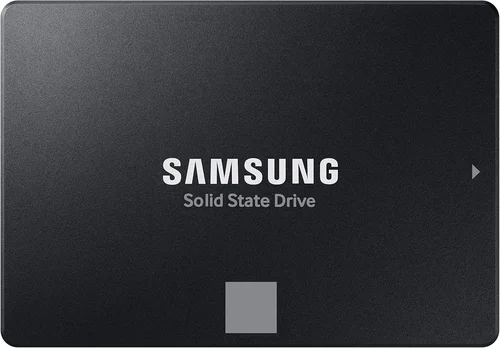
Solid-state drives (SSDs) have revolutionized data storage over the past decade, delivering blazing-fast boot times, near-instant file access, and dramatically improved system responsiveness compared to traditional hard disk drives. Yet, like all electronic components, SSDs are not immune to failure. Unlike mechanical hard drives that often give audible warning signs—like clicking or grinding noises—SSDs can degrade silently, with performance drops, file corruption, or sudden crashes being the first indicators something is wrong. This makes proactive management and recovery planning essential for anyone relying on digital data—whether you’re a student saving thesis work, a creative professional editing 4K video, or a business owner backing up customer records.
That’s why this comprehensive buying guide exists: to help you navigate the critical decisions involved when your SSD begins to fail. Whether you’re looking to recover lost files, replace a dying drive, or invest in tools that prevent future data loss, understanding how to respond effectively can mean the difference between salvaging your most important documents and facing irreversible data loss. In this guide, we’ll walk you through everything from recognizing early warning signs of SSD failure to selecting the right recovery software, backup solutions, and replacement hardware. You’ll also learn how to evaluate cost-effective strategies, avoid common pitfalls, and make informed choices based on your technical skill level and budget.
The market for SSD recovery and replacement tools has expanded rapidly in recent years. From affordable cloning utilities and cloud backup services to enterprise-grade forensic recovery kits, options abound—but not all are created equal. Some solutions prioritize speed over reliability, while others offer robust protection but come with steep learning curves or high price tags. With cyber threats, hardware obsolescence, and increasing reliance on personal and professional data, having a clear strategy for managing a failing SSD is no longer optional—it’s a necessity. By the end of this guide, you’ll be equipped with expert-level knowledge to act decisively, minimize downtime, and protect your digital life.
What to Look for When Buying Buying Guide
1. Budget & Price Range
When dealing with a failing SSD, your budget will significantly influence the tools and strategies available to you. Recovery software can range from free open-source utilities to premium suites costing hundreds of dollars. Similarly, replacement SSDs vary widely—from budget SATA models under $50 to high-performance NVMe drives exceeding $300. It’s crucial to balance immediate needs with long-term value. For example, spending $20 on basic recovery software might save your photos today, but investing $100 in a reliable backup solution could prevent future disasters. Always consider total cost of ownership, including potential data loss risks if you choose overly cheap or untested tools.
2. Performance Specifications
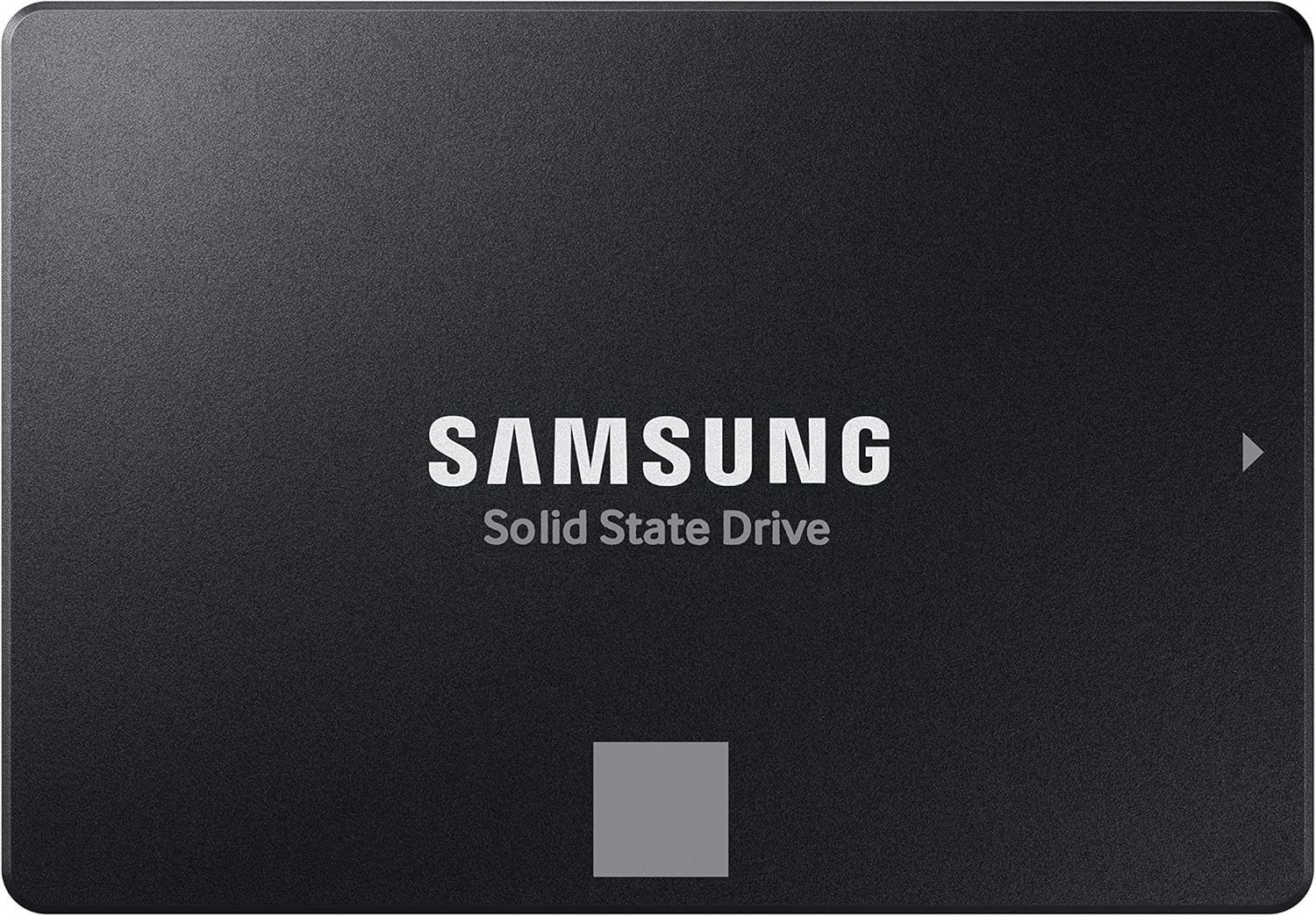
Not all SSDs are built for the same tasks. If you’re replacing a failing drive, pay close attention to read/write speeds, interface type (SATA III vs. NVMe PCIe Gen3/Gen4), and endurance ratings measured in terabytes written (TBW). A drive with low TBW may fail prematurely under heavy use, such as video editing or database operations. For recovery purposes, performance matters less than compatibility—ensure your cloning or imaging tool supports your SSD’s form factor (M.2, 2.5-inch, etc.) and file system (NTFS, APFS, ext4). High-speed interfaces like PCIe 4.0 offer future-proofing but may be overkill for general users.
3. Build Quality & Durability
SSDs lack moving parts, making them more resistant to physical shock than HDDs—but they’re not invincible. NAND flash memory wears out over time, and poor-quality controllers can accelerate failure. Look for drives from reputable manufacturers (e.g., Samsung, Crucial, Western Digital) that use high-grade NAND and include power-loss protection. For recovery hardware like external enclosures or docking stations, opt for models with aluminum casings and stable power delivery. Cheap USB-to-SATA adapters may cause connection drops during critical recovery operations, leading to further corruption.
4. Features & Functionality
The right feature set can make or break your recovery effort. Essential capabilities include disk imaging (to create a sector-by-sector copy before attempting repairs), bad block management, and support for TRIM-aware recovery (since TRIM commands can permanently erase data on SSDs). Advanced tools may offer RAID reconstruction, encrypted drive support, or integration with cloud backups. If you’re technically inclined, look for software with command-line interfaces or scripting support. For less experienced users, intuitive GUIs with step-by-step wizards reduce the risk of accidental data overwrites.
5. Brand Reputation
Stick with established brands known for reliability and customer support. Companies like Acronis, EaseUS, and Disk Drill have years of experience in data recovery and regularly update their software to handle new SSD models and firmware quirks. Avoid obscure or “cracked” versions of recovery tools—they often contain malware or lack critical updates. Similarly, when buying replacement SSDs, verified customer reviews and third-party testing (e.g., from Tom’s Hardware or AnandTech) provide valuable insights into real-world performance and longevity.
6. Warranty & Support
A solid warranty is a strong indicator of manufacturer confidence. Most premium SSDs come with 3–5 years of coverage and include data recovery services in some cases (e.g., Samsung’s Data Recovery Service). For software, check if the vendor offers live chat, email support, or detailed documentation. Free trials are invaluable—they let you verify that a tool can detect your drive and preview recoverable files before purchasing. Never buy recovery software without testing it first; some tools claim compatibility but fail on specific SSD controllers.
7. Size & Portability
If you’re recovering data from a laptop or need to carry tools between locations, portability becomes key. Compact USB 3.0/3.1 enclosures allow you to connect a failing SSD to another computer easily. Some recovery kits include portable SSDs preloaded with diagnostic tools. For field technicians or remote workers, lightweight, bus-powered devices eliminate the need for external power adapters. However, don’t sacrifice build quality for size—flimsy connectors can interrupt recovery mid-process.
8. User Reviews & Ratings
Real user feedback often reveals issues that specs sheets omit. Check forums like Reddit’s r/datarecovery, Trustpilot, or Amazon reviews for recurring complaints about false positives, slow scan times, or failed recoveries on specific SSD models (e.g., certain Kingston or ADATA drives). Pay attention to how vendors respond to negative reviews—prompt, helpful replies suggest good post-purchase support. Also, note whether users report success with your exact SSD brand and model, as controller differences can drastically affect recovery outcomes.
Different Types of Buying Guide

Common Buying Mistakes to Avoid
❌ Mistake: Ignoring Early Warning Signs
Why it’s bad: SSDs often fail without obvious symptoms until it’s too late. Slow file access, frequent BSODs, or disappearing files can indicate impending failure. Delaying action increases the risk of total data loss.
What to do instead: Monitor your SSD health using tools like CrystalDiskInfo (Windows) or DriveDx (macOS). Set up alerts for reallocated sectors, uncorrectable errors, or high wear levels. Act immediately at the first sign of trouble.
❌ Mistake: Using Unverified Recovery Software
Why it’s bad: Pirated or unknown recovery tools may overwrite data, introduce malware, or fail to recognize your SSD’s controller. This can turn a recoverable situation into permanent loss.
What to do instead: Only use reputable, trial-enabled software from official sources. Test the free version first to confirm it detects your drive and shows recoverable files.
❌ Mistake: Attempting Physical Repairs at Home
Why it’s bad: Opening an SSD exposes delicate NAND chips to static electricity and contamination. Without a cleanroom and specialized equipment, you’ll likely destroy the drive.
What to do instead: For physically damaged drives (e.g., burnt PCB, water damage), consult a professional recovery lab. DIY attempts almost always reduce recovery chances.
❌ Mistake: Skipping Backup Before Recovery
Why it’s bad: Running recovery scans directly on a failing SSD can stress it further, causing additional bad blocks or complete failure.
What to do instead: Always create a full disk image first using tools like ddrescue (Linux) or Clonezilla. Perform all recovery operations on the image, not the original drive.
❌ Mistake: Choosing the Cheapest Replacement Drive
Why it’s bad: Budget SSDs often use lower-grade NAND and lack robust error correction, leading to shorter lifespans and higher failure rates—especially under write-heavy workloads.
What to do instead: Invest in a mid-range or premium SSD from a trusted brand. Check TBW ratings and warranty terms. A $20 savings now could cost you $500 in lost data later.
❌ Mistake: Overlooking Encryption and TRIM
Why it’s bad: If your SSD uses hardware encryption (common in BitLocker or FileVault), recovery without the key is nearly impossible. TRIM commands also permanently erase deleted data, reducing recovery windows.
What to do instead: Disable TRIM temporarily during recovery (if possible) and ensure you have encryption keys backed up. Use tools that support encrypted volume recovery.
❌ Mistake: Assuming All Data Is Recoverable
Why it’s bad: SSDs handle data differently than HDDs. Wear leveling, garbage collection, and TRIM mean some files may be unrecoverable even with professional tools.
What to do instead: Manage expectations. Focus on recovering the most critical files first. Combine software recovery with cloud or external backups for comprehensive protection.
Budget Guidelines: How Much Should You Spend?
Entry-Level ($0 – $50): Ideal for casual users dealing with minor issues like accidental deletions or temporary slowdowns. Free tools like Recuva (Windows) or TestDisk (cross-platform) can handle basic file recovery. Replacement drives in this range (e.g., 240GB SATA SSDs) are sufficient for lightweight tasks but lack endurance for heavy use.
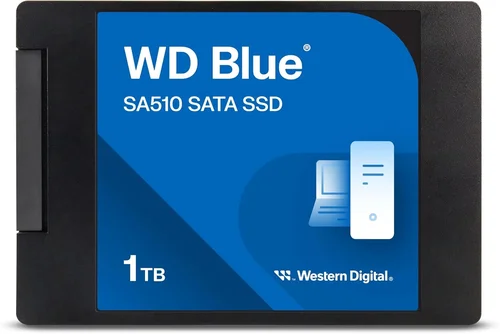
Mid-Range ($50 – $150): The sweet spot for most home users and small businesses. Invest in reliable recovery software like EaseUS Data Recovery Wizard ($69) or Disk Drill ($89), which offer deep scans, preview features, and customer support. Pair this with a quality 500GB–1TB NVMe SSD (e.g., Crucial P3 or WD Blue SN580) for a balanced upgrade. Include a USB 3.0 enclosure ($20–$30) for flexible drive access.
Premium ($150 – $400): For professionals, content creators, or anyone with irreplaceable data. Opt for advanced suites like R-Studio ($80) or UFS Explorer ($200+), which support complex RAID arrays and encrypted volumes. Combine with high-endurance SSDs (e.g., Samsung 980 Pro, 2TB+) and automated cloud backup subscriptions (Backblaze, $7/month). Consider professional diagnostics tools like PC-3000 SSD (for technicians).
Luxury ($400+): Reserved for enterprise environments or extreme data-critical scenarios. This tier includes full-service recovery labs (DriveSavers, Gillware), enterprise-grade SSDs with power-loss protection, and multi-layered backup infrastructures (local + cloud + tape). Also covers forensic-grade tools for legal or compliance needs.

Expert Tips for Getting the Best Deal
- Buy during seasonal sales: Major retailers (Amazon, Newegg, Best Buy) offer significant discounts on SSDs and software during Black Friday, Cyber Monday, and back-to-school periods. Stack coupons with student or military discounts when available.
- Use manufacturer trade-in programs: Brands like Samsung and Crucial sometimes offer credit for old drives, even if they’re failing. This reduces the net cost of replacement.
- Test before you buy: Most reputable recovery tools provide free trials that scan your drive and show recoverable files. Never purchase without verifying compatibility.
- Check return policies: Ensure the vendor allows returns if the software fails to recover your data. Some companies offer money-back guarantees specifically for recovery outcomes.
- Bundled deals save money: Look for SSD + software bundles (e.g., SanDisk includes RescuePRO Deluxe). These often cost less than buying separately.
- Monitor SSD health proactively: Use SMART monitoring tools weekly. Early detection lets you clone the drive before total failure, avoiding emergency pricing.
- Consider open-source alternatives: Tools like PhotoRec (free, cross-platform) excel at raw file recovery and are regularly updated by the community.
- Negotiate with recovery labs: Some professional services offer sliding scale fees or partial recovery discounts. Always ask about evaluation costs upfront.

Frequently Asked Questions
Q: Can I recover data from an SSD that won’t boot?
A: Yes, in many cases. Remove the SSD and connect it to another computer via a USB enclosure. Use recovery software to scan the drive. If the drive is detected but unreadable, imaging tools can often extract data sector by sector.
Q: Why is SSD data recovery harder than HDD recovery?
A: SSDs use wear leveling and TRIM, which scatter data across memory cells and actively erase deleted blocks. This makes file reconstruction more complex. Additionally, encryption is more common on SSDs, adding another layer of difficulty.
Q: Should I disable TRIM before attempting recovery?
A: If possible, yes—but only if the drive is still functional. Disabling TRIM (via OS settings) prevents further data erasure during recovery. However, once TRIM has executed, data is usually unrecoverable.
Q: How do I know if my SSD is failing?
A: Common signs include frequent crashes, slow file access, corrupted files, disappearing partitions, or SMART errors (checkable via CrystalDiskInfo). Sudden disappearance from BIOS is a red flag.
Q: Is it safe to continue using a failing SSD?
A: No. Continued use can cause further degradation, making recovery impossible. Immediately back up critical data and replace the drive.
Q: Do SSD warranties cover data recovery?
A: Rarely. Most warranties cover hardware replacement only. Some premium brands (e.g., Samsung) offer optional data recovery services, but these are separate from standard coverage.
Q: Can I recover data after a secure erase?
A: Generally no. Secure erase commands reset all NAND cells to factory state, making data recovery virtually impossible—even for professionals.
Q: What’s the difference between logical and physical SSD failure?
A: Logical failure involves software/file system issues (e.g., corrupted OS, accidental format) and is usually recoverable with software. Physical failure involves hardware damage (e.g., controller burnout, NAND degradation) and often requires professional intervention.
Q: Are free recovery tools effective?
A: For simple cases like deleted files, yes—tools like Recuva or PhotoRec work well. But for complex failures (bad blocks, encryption, RAID), paid tools offer deeper scanning and better success rates.
Q: Should I clone my SSD before replacing it?
A: Absolutely. Cloning creates an exact copy, allowing you to recover data safely and migrate your OS seamlessly. Use tools like Macrium Reflect Free or Acronis True Image.
Our Final Recommendations
Best for Budget-Conscious Buyers: Recuva (Free) + Kingston NV2 1TB NVMe SSD ($65). Recuva handles basic recovery effectively, while the NV2 offers solid performance at a low price. Add a $20 USB enclosure for flexibility.
Best Overall Value: EaseUS Data Recovery Wizard ($69) + Crucial P3 Plus 1TB ($89). EaseUS provides intuitive recovery with strong success rates, and the P3 Plus delivers Gen4 speeds at a reasonable cost. Includes free migration software.
Best Premium Option: R-Studio ($80) + Samsung 980 Pro 2TB ($199) + Backblaze Unlimited Backup ($7/month). This combo offers enterprise-grade recovery, top-tier SSD performance, and continuous cloud protection.
Best for Beginners: Disk Drill ($89) + SanDisk Extreme Portable SSD 1TB ($110). Disk Drill’s user-friendly interface guides novices through recovery, while the SanDisk drive doubles as a backup target.
Best for Advanced Users: UFS Explorer Professional ($249) + PC-3000 SSD Diagnostic Tool (enterprise pricing). Ideal for IT professionals or data recovery specialists handling complex SSD failures, encrypted volumes, or firmware issues.
Conclusion: Making the Right Choice
Dealing with a failing SSD is stressful, but with the right knowledge and tools, you can turn a potential disaster into a manageable process. The key is acting quickly, choosing reliable solutions, and prioritizing data preservation over convenience or cost-cutting. Remember: the best recovery strategy is one that starts before failure occurs—regular backups, health monitoring, and proactive upgrades form the foundation of digital resilience.
This guide has equipped you with everything from budget-friendly fixes to professional-grade recovery paths. Whether you’re salvaging family photos or critical business documents, your approach should align with your technical comfort, data importance, and financial constraints. Don’t wait for total failure to strike. Invest in prevention today, and you’ll save yourself time, money, and heartache tomorrow.
Take action now: run a health check on your SSD, install a trusted backup solution, and keep this guide bookmarked for when you need it most. Your data deserves nothing less than expert care.