
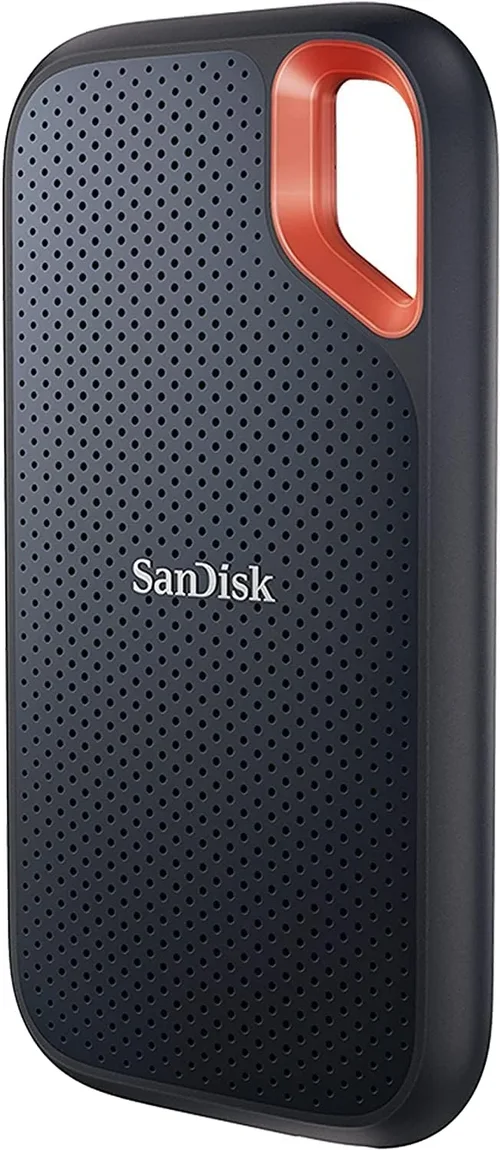
Solid-state drives (SSDs) have revolutionized how we store and access data in modern computing. Gone are the days when slow boot times, sluggish file transfers, and frustrating application load delays were the norm—today’s SSDs deliver near-instant responsiveness, dramatically improving everything from everyday web browsing to high-end video editing workflows. Whether you’re upgrading an aging laptop, building a new gaming rig, or simply looking to breathe new life into your current system, investing in the right SSD can make all the difference. With storage technology evolving rapidly and options expanding across price points, capacities, and form factors, navigating the SSD market can feel overwhelming—even for tech-savvy users.
That’s exactly why this comprehensive SSD Buying Guide for 2026 exists. We’ve crafted it with one goal in mind: to arm you with the knowledge, tools, and confidence needed to make a smart, informed decision that aligns perfectly with your needs, budget, and usage patterns. You’ll learn not only what to look for in terms of performance, reliability, and compatibility but also where to buy—including whether major retailers like Best Buy carry SSDs in-store, how their selection compares to online options, and what advantages (or limitations) shopping in person might offer. From understanding NVMe vs. SATA distinctions to decoding warranty terms and spotting hidden deals, this guide covers every critical angle. By the end, you won’t just know which SSD to buy—you’ll understand why it’s the right choice for you.
The SSD market in 2026 is more dynamic than ever. Prices have stabilized after years of volatility, thanks to increased NAND flash production and improved manufacturing efficiencies, making high-capacity drives more accessible than ever before. Meanwhile, innovations like PCIe 5.0 support, advanced power-loss protection, and AI-driven wear-leveling algorithms are pushing performance and longevity to new heights. Major brands such as Samsung, Crucial, Western Digital, Kingston, and Sabrent continue to dominate, but newer entrants are challenging the status quo with competitive pricing and aggressive feature sets. Retailers—both online and brick-and-mortar—are responding by expanding their SSD inventories, offering everything from budget-friendly 500GB models to blazing-fast 8TB enterprise-grade drives. And yes, stores like Best Buy do stock SSDs in physical locations, though availability varies by region and store size. Understanding how these pieces fit together is essential to getting the best value without overspending or compromising on quality.
What to Look for When Buying Buying Guide
1. Budget & Price Range
Your budget is the single most important starting point when shopping for an SSD. Prices in 2026 range from under $30 for basic 256GB SATA drives to over $800 for high-end 8TB NVMe Gen5 models. However, cost doesn’t always correlate directly with real-world benefit—especially if your use case doesn’t demand top-tier speeds. For most consumers, the sweet spot lies between $50 and $150, where you’ll find reliable, fast SSDs with ample capacity (1TB–2TB) that deliver excellent performance for everyday tasks, gaming, and light creative work. Always consider cost per gigabyte: a 1TB drive priced at $70 offers better long-term value than a 500GB model at $40, even if the upfront cost is higher. Also, watch for seasonal sales—Black Friday, back-to-school promotions, and Amazon Prime Day often bring significant discounts. Avoid ultra-cheap no-name brands; they may use inferior NAND or lack proper firmware, leading to data loss or premature failure.
2. Performance Specifications
Performance matters—but only as much as your system can utilize. SSDs are rated primarily by sequential read/write speeds (measured in MB/s) and random IOPS (Input/Output Operations Per Second). For example, a SATA III SSD maxes out around 550 MB/s due to interface limitations, while PCIe 4.0 NVMe drives can exceed 7,000 MB/s, and PCIe 5.0 models now reach 12,000–14,000 MB/s. If you’re using your SSD for general computing, web browsing, or office applications, even a modest SATA drive will feel dramatically faster than an old HDD. But if you’re transferring large video files, compiling code, or running virtual machines, higher speeds translate to tangible time savings. Random 4K performance (IOPS) is equally important for multitasking and OS responsiveness. Look for drives with strong mixed workload ratings, not just peak sequential numbers. Also, check whether the drive uses DRAM cache—a small memory chip that dramatically improves consistency and longevity. DRAM-less SSDs are cheaper but can suffer from slowdowns under sustained loads.
3. Build Quality & Durability
Not all SSDs are built equally. Durability hinges on several factors: the type of NAND flash used (TLC vs. QLC), controller quality, thermal management, and overall design. Triple-Level Cell (TLC) NAND offers a great balance of speed, endurance, and cost, making it ideal for most users. Quad-Level Cell (QLC) is cheaper and denser but wears out faster under heavy write workloads—fine for casual use, less so for servers or frequent large-file edits. Check the drive’s TBW (Terabytes Written) rating, which indicates how much data can be written over its lifetime. A 1TB TLC SSD might have a 600 TBW rating, meaning you could write 100GB daily for over 16 years before hitting the limit. Premium drives often include heatsinks (especially for M.2 NVMe models), which prevent thermal throttling during extended use. Avoid drives with no published endurance specs—they’re likely cutting corners. Also, consider shock resistance: unlike HDDs, SSDs have no moving parts, so they’re inherently more durable—but build quality still varies.
4. Features & Functionality
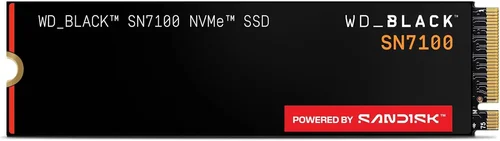
Beyond raw speed and capacity, modern SSDs come packed with features that enhance usability, security, and longevity. Encryption support (like AES-256) is crucial if you handle sensitive data—many business-oriented drives include hardware-based encryption compliant with TCG Opal standards. Power-loss protection ensures your data isn’t corrupted if the system suddenly shuts down, a feature common in higher-end models. Some drives include bundled software for cloning, monitoring health (via S.M.A.R.T. data), or optimizing performance. Look for tools like Samsung Magician or Crucial Storage Executive, which provide firmware updates, diagnostics, and secure erase functions. For gamers, features like Microsoft DirectStorage compatibility (coming to more titles in 2026) can reduce load times by allowing the GPU to directly access game assets from the SSD. Additionally, consider form factor: 2.5-inch SATA drives fit older systems, while M.2 NVMe drives save space and offer faster speeds—but ensure your motherboard supports the correct keying (B-key, M-key, or B+M) and PCIe generation.
5. Brand Reputation
Brand matters—not because of marketing, but because established manufacturers invest heavily in R&D, quality control, and customer support. Samsung, for instance, consistently ranks highest in reliability surveys and offers some of the most polished firmware and software ecosystems. Crucial (a Micron brand) leverages in-house NAND production for tighter quality control. Western Digital and Kingston also have strong track records, especially in the consumer and OEM spaces. Lesser-known brands might offer tempting prices, but they often lack transparent specifications, robust warranties, or responsive support. Check independent reviews from sources like Tom’s Hardware, AnandTech, or StorageReview.com, which conduct rigorous real-world testing. Also, be wary of “rebranded” drives—some retailers sell SSDs under their own label but sourced from unknown OEMs. Stick with reputable brands unless you’re prepared to accept higher risk for marginal savings.
6. Warranty & Support
A solid warranty is a strong indicator of a manufacturer’s confidence in their product. Most quality SSDs come with a 3- to 5-year limited warranty, often tied to both time and TBW limits (e.g., “5 years or 600 TBW, whichever comes first”). Longer warranties usually signal higher endurance and better components. Pay attention to what’s covered: some warranties exclude data recovery (which is standard—SSDs aren’t meant for data retrieval services), while others offer expedited replacement. Customer support responsiveness varies widely—Samsung and Crucial typically provide excellent service, including live chat and detailed troubleshooting guides. Before buying, check the brand’s support portal and user forums for common issues. Also, register your drive upon purchase; many warranties require registration to activate. Avoid drives with only a 1-year warranty unless they’re extremely low-cost and intended for temporary use.
7. Size & Portability
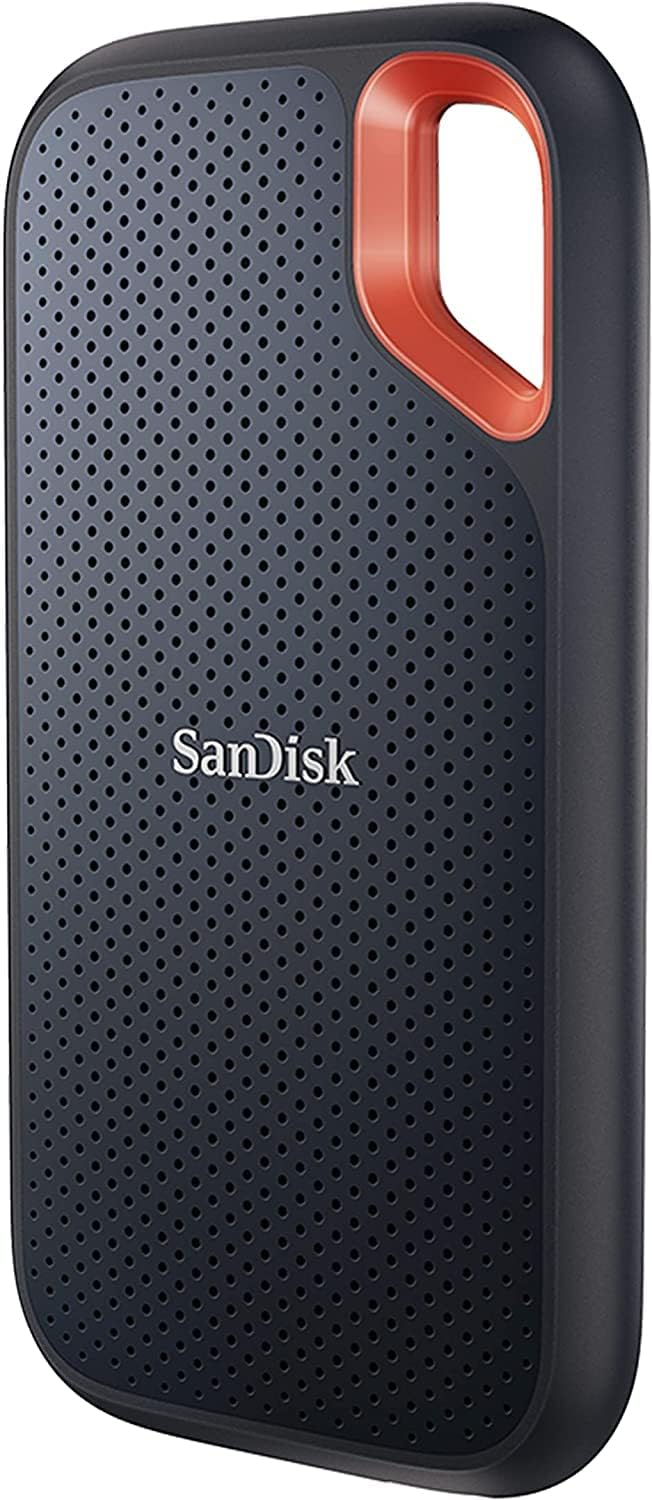
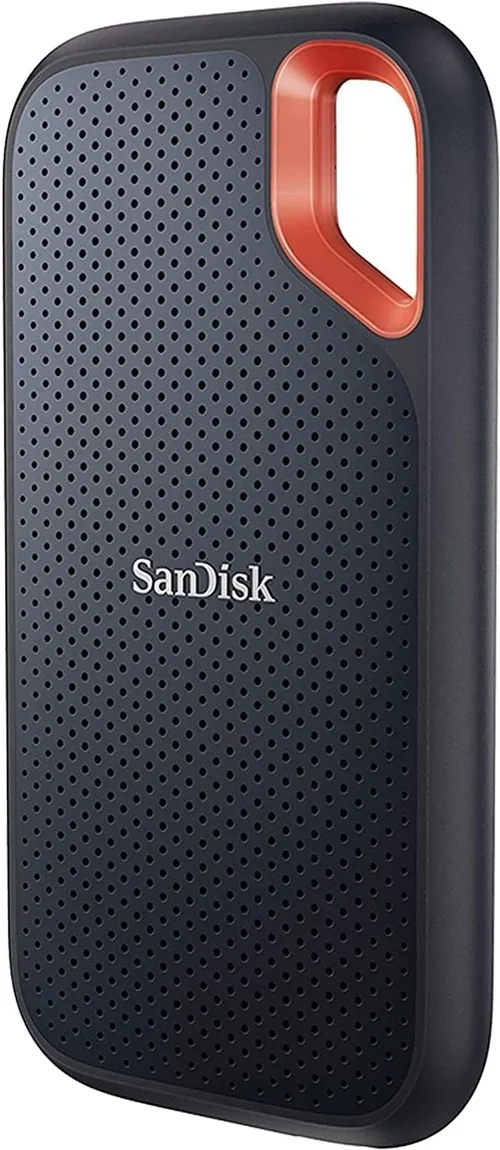
While most internal SSDs aren’t “portable” in the traditional sense, form factor and physical dimensions still matter—especially for compact builds or laptop upgrades. The 2.5-inch SATA drive is the largest and easiest to install in desktops and older laptops, but it requires both a data and power cable. M.2 drives, about the size of a stick of gum, plug directly into the motherboard and are ideal for thin laptops, mini-PCs, and modern desktops. Within M.2, lengths vary: 2242, 2260, 2280 (most common), and 22110—ensure your system supports the length you choose. For external use, portable SSDs (like the Samsung T7 or SanDisk Extreme) offer USB-C connectivity, rugged designs, and speeds up to 2,000 MB/s. These are perfect for photographers, videographers, or anyone needing fast, durable external storage. Consider portability needs early—you don’t want to buy a sleek M.2 drive only to realize your laptop doesn’t have an M.2 slot.
8. User Reviews & Ratings
Never rely solely on manufacturer specs. Real-world user feedback reveals quirks, failures, and hidden strengths that lab tests miss. Browse verified purchase reviews on retailer sites (Best Buy, Amazon, Newegg) and tech forums (Reddit’s r/buildapc, Linus Tech Tips comments). Look for patterns: if multiple users report sudden failures after six months, that’s a red flag. Conversely, consistent praise for reliability or ease of installation is a good sign. Pay attention to comments about compatibility—some drives work flawlessly with certain motherboards but cause boot issues on others. Also, note whether reviewers mention thermal performance; high-speed NVMe drives can get hot, and inadequate cooling may lead to throttling. Use aggregate ratings as a starting point, but dive deeper into detailed reviews for nuanced insights.
Different Types of Buying Guide

Common Buying Mistakes to Avoid
❌ Mistake: Ignoring Compatibility
Why it’s bad: Buying a PCIe 4.0 NVMe drive for a motherboard that only supports PCIe 3.0 won’t break anything—but you’ll miss out on significant speed gains. Worse, some older laptops don’t support NVMe at all, accepting only SATA M.2 or 2.5-inch drives. Installing an incompatible drive can lead to frustration, wasted money, and potential damage if forced.
What to do instead: Always check your system’s manual or manufacturer specs before purchasing. Use tools like Crucial’s Scanner or Samsung’s Advisor to verify compatibility. If unsure, consult a tech-savvy friend or contact customer support.
❌ Mistake: Prioritizing Speed Over Endurance
Why it’s bad: A drive that’s fast but wears out quickly is a liability. QLC-based SSDs, while affordable, have lower write endurance and may slow down dramatically once the cache is exhausted. For users who frequently edit videos or run databases, this can lead to performance degradation and early failure.
What to do instead: Match the drive type to your workload. Choose TLC for balanced performance and longevity. If you’re a heavy writer, look for drives with high TBW ratings and DRAM caches. Don’t assume “faster = better”—consistency matters more for daily use.
❌ Mistake: Overlooking Thermal Management
Why it’s bad: High-speed NVMe drives, especially PCIe 4.0 and 5.0 models, generate significant heat. Without proper cooling, they throttle performance to prevent damage, negating their speed advantage. This is especially problematic in cramped laptop chassis or poorly ventilated desktop cases.
What to do instead: Opt for drives with built-in heatsinks or purchase aftermarket M.2 coolers. Ensure your case has adequate airflow. For laptops, check if the manufacturer recommends specific thermal pads or limits drive thickness.
❌ Mistake: Skipping Firmware Updates
Why it’s bad: Outdated firmware can cause bugs, security vulnerabilities, or compatibility issues. Some early PCIe 4.0 drives had stability problems resolved only through updates.
What to do instead: After installation, download the manufacturer’s utility software (e.g., Samsung Magician) and check for firmware updates. Enable automatic notifications if available. Regular updates ensure optimal performance and security.
❌ Mistake: Buying Based Solely on Price
Why it’s bad: The cheapest SSD often cuts corners on NAND quality, controller design, or firmware. These drives may fail prematurely or exhibit erratic behavior, risking data loss.
What to do instead: Focus on value, not just cost. A slightly more expensive drive from a trusted brand with a longer warranty and better reviews will save money and headaches in the long run.
❌ Mistake: Neglecting Backup Strategy
Why it’s bad: SSDs can fail suddenly without warning—unlike HDDs, which often show signs of degradation. Relying solely on your SSD for data storage is risky.
What to do instead: Implement the 3-2-1 backup rule: three copies of your data, on two different media, with one offsite (e.g., cloud storage). Use your SSD for performance, not as your only storage solution.
❌ Mistake: Assuming All Retailers Offer the Same Selection
Why it’s bad: While Best Buy does sell SSDs in-store, their physical inventory is often limited to popular, mid-tier models. You might miss out on niche capacities, enterprise features, or the latest PCIe 5.0 drives available online.
What to do instead: Use in-store visits for hands-on inspection and immediate pickup, but compare online catalogs for broader selection and better pricing. Many retailers, including Best Buy, offer price matching.
Budget Guidelines: How Much Should You Spend?
Entry-Level ($25–$50): Ideal for basic upgrades or secondary storage. Expect 256GB–500GB SATA III drives from brands like Kingston or Crucial. Performance is solid for everyday tasks, but avoid for intensive workloads. Great for reviving old laptops.
Mid-Range ($50–$120): The sweet spot for most users. You’ll find 1TB–2TB NVMe PCIe 3.0 or 4.0 drives with excellent speed, reliability, and features. Models like the Samsung 980 Pro or WD Black SN850X fall here. Perfect for gaming, streaming, and productivity.
Premium ($120–$300): For enthusiasts and professionals. These drives offer top-tier PCIe 4.0 performance, high endurance (1,200+ TBW), and advanced features like hardware encryption and power-loss protection. Ideal for video editors, developers, and power users.
Luxury ($300+): Reserved for extreme use cases. Includes 4TB–8TB PCIe 5.0 drives with speeds exceeding 12,000 MB/s, massive heatsinks, and enterprise-grade reliability. Only necessary for 8K video workflows, AI training, or server applications.
Expert Tips for Getting the Best Deal
1. Time Your Purchase Strategically: Major sales events like Black Friday, Cyber Monday, and back-to-school season (July–August) offer the deepest SSD discounts. Retailers often clear out older-gen inventory when new models launch (e.g., PCIe 5.0 drives dropping PCIe 4.0 prices).
2. Compare In-Store vs. Online Availability: Best Buy carries SSDs in physical stores—typically 2.5-inch SATA and popular M.2 NVMe models like the Samsung 980 or Crucial P3. However, their in-store selection is curated for mainstream buyers. For niche capacities or cutting-edge drives, check BestBuy.com or competitors like Newegg, Amazon, or B&H Photo.
3. Leverage Price Matching: Best Buy, Micro Center, and Staples offer price matching. If you find a lower price online, show it at checkout for an instant discount. Always confirm the item is in stock and sold by an authorized retailer.
4. Check Open-Box Deals: Many retailers sell returned or demo SSDs as “open-box” at 10–30% off. These are often indistinguishable from new units and come with full warranties. Best Buy’s open-box section is a hidden gem for SSD bargains.
5. Read the Fine Print on Warranties: Some warranties require registration within 30 days. Others exclude certain use cases (e.g., mining). Ensure you understand the terms before buying.
6. Test Before Finalizing: If buying in-store, ask if you can verify the model number and specs on the box. For online purchases, use tools like CrystalDiskInfo post-installation to confirm health and performance.
7. Consider Bundled Software: Some SSDs include free cloning software or cloud storage credits. These add-ons can offset the cost if you need them.
8. Watch for Trade-In Programs: Best Buy and Amazon occasionally offer gift cards for trading in old drives. While not huge savings, it’s free money toward your new SSD.
Frequently Asked Questions
Q: Does Best Buy sell SSDs in store?
A: Yes, Best Buy carries a selection of SSDs in physical retail locations across the U.S. and Canada. You’ll typically find 2.5-inch SATA drives (like the Samsung 870 EVO) and popular M.2 NVMe models (such as the WD Blue SN580 or Crucial P3) in the computer accessories section. However, inventory varies by store size and region—larger locations near tech hubs tend to stock more options. For the widest selection, including high-capacity or PCIe 5.0 drives, check BestBuy.com, which offers in-store pickup or same-day delivery in many areas.
Q: Are SSDs sold at Best Buy reliable?
A: Generally, yes. Best Buy sells SSDs from reputable brands like Samsung, Crucial, Western Digital, and Kingston—all known for quality and reliability. They also offer Geek Squad support for installation help. However, always verify the specific model’s reviews and warranty terms, as even trusted brands have occasional duds.
Q: Can I install an SSD myself?
A: Absolutely. Most SSD installations are straightforward. For 2.5-inch drives, you’ll need a SATA cable and power connection. M.2 drives slot directly into the motherboard. Many guides and YouTube tutorials walk you through the process step-by-step. If you’re uncomfortable, Best Buy offers professional installation services for a fee.
Q: Will an SSD improve my laptop’s performance?
A: Yes—dramatically. Even a basic SATA SSD will make your laptop boot faster, launch apps quicker, and feel more responsive than an HDD. It’s one of the most cost-effective upgrades you can make.
Q: Do I need a heatsink for my NVMe SSD?
A: Not always, but recommended for PCIe 4.0 and 5.0 drives, especially in desktops with poor airflow or laptops under heavy load. Many high-performance drives include heatsinks, or you can buy aftermarket ones.
Q: How long do SSDs last?
A: Modern SSDs are extremely durable. Under normal use, a quality drive should last 5–10 years or more. The TBW rating gives a good estimate—most consumer drives can handle decades of typical usage.
Q: Can I use an SSD as external storage?
A: Yes. You can buy external SSDs (like the Samsung T7) or use an M.2-to-USB enclosure to convert an internal drive. External SSDs offer portability and speeds far exceeding traditional hard drives.
Q: What’s the difference between NVMe and SATA?
A: NVMe uses the PCIe interface for much faster data transfer speeds (up to 14,000 MB/s vs. SATA’s 550 MB/s limit). SATA is older, cheaper, and compatible with nearly all systems. NVMe requires an M.2 or U.2 slot and is ideal for performance-focused builds.
Q: Should I buy a DRAM-less SSD?
A: Only if you’re on a tight budget and use your computer lightly. DRAM-less drives can slow down under sustained writes and have lower endurance. For most users, the small price difference is worth the performance and reliability gain of a DRAM-equipped drive.
Q: Can I clone my old drive to a new SSD?
A: Yes, and it’s highly recommended. Cloning transfers your OS, apps, and files seamlessly. Most SSD manufacturers provide free cloning software (e.g., Acronis for Samsung, Macrium for Crucial).
Our Final Recommendations
Best for Budget-Conscious Buyers: Crucial BX500 1TB SATA III – Reliable, affordable, and widely available at Best Buy. Perfect for upgrading older systems without breaking the bank.
Best Overall Value: Samsung 980 (Non-Pro) 1TB NVMe PCIe 3.0 – Excellent performance, strong endurance, and Samsung’s trusted software suite. Often on sale at major retailers.
Best Premium Option: WD Black SN850X 2TB NVMe PCIe 4.0 – Blazing speeds, robust build, and optimized for gaming and content creation. Available in-store and online at Best Buy.
Best for Beginners: Kingston NV2 1TB NVMe PCIe 4.0 – Simple installation, solid performance, and Kingston’s straightforward warranty process. Great first NVMe drive.
Best for Advanced Users: Samsung 990 Pro 4TB NVMe PCIe 4.0 – Top-tier speed, exceptional endurance (2,400 TBW), and advanced thermal management. Ideal for professionals and enthusiasts.
Conclusion: Making the Right Choice
Choosing the right SSD in 2026 doesn’t have to be overwhelming—if you know what to prioritize. Start with your budget and use case, then match those to the right form factor, interface, and brand. Remember, while Best Buy and other retailers offer convenient in-store shopping, their physical inventories may not cover every niche need. Use online research to compare specs, read real user reviews, and hunt for deals, but don’t overlook the value of immediate pickup and hands-on inspection. Avoid common pitfalls like ignoring compatibility or chasing peak speeds at the expense of endurance. And always, always back up your data.
Ultimately, the best SSD is the one that fits seamlessly into your workflow, delivers consistent performance, and gives you peace of mind. Whether you’re breathing new life into an old laptop or building a lightning-fast gaming rig, the right drive will transform your computing experience. Take your time, do your homework, and invest wisely—your future self will thank you every time your system boots up in seconds.