
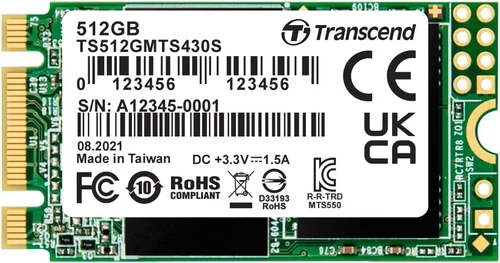
Solid-state drives (SSDs) have revolutionized how we store and access data. Gone are the days of slow boot times, sluggish file transfers, and the constant whirring of mechanical hard drives. Today, SSDs deliver near-instant performance, silent operation, and rock-solid reliability—making them essential for everything from everyday computing to high-end gaming, content creation, and enterprise workloads. Whether you’re upgrading an aging laptop, building a dream gaming rig, or setting up a professional workstation, choosing the right SSD can make all the difference in your system’s responsiveness and longevity.
But with dozens of brands, countless models, and rapidly evolving technology, picking the best SSD isn’t as simple as it used to be. The market is flooded with options ranging from budget-friendly SATA drives to blazing-fast NVMe Gen5 SSDs that push the limits of what’s physically possible. Each brand brings its own strengths—some excel in raw speed, others in endurance, and many in value for money. This comprehensive buying guide cuts through the noise to help you make an informed decision. You’ll learn how to evaluate key factors like performance, durability, warranty, and real-world reliability, so you can confidently choose the SSD that best fits your needs and budget.
We’ll explore the top SSD manufacturers in 2026, compare different drive types, highlight common pitfalls to avoid, and provide expert-backed recommendations across every price range. Whether you’re a casual user looking for a simple upgrade or a power user demanding maximum throughput, this guide equips you with everything you need to find the perfect SSD—without overspending or falling for marketing hype.

What to Look for When Buying Buying Guide
1. Budget & Price Range
Your budget is often the first and most important factor when shopping for an SSD. Prices vary dramatically depending on capacity, interface (SATA vs. NVMe), generation (PCIe 3.0, 4.0, or 5.0), and brand reputation. As of 2026, you can find reliable 1TB SATA SSDs for under $60, while high-performance 2TB NVMe Gen5 drives may cost $300 or more. It’s tempting to go for the cheapest option, but skimping too much can lead to poor performance, shorter lifespan, or even data loss.
When setting your budget, consider not just the upfront cost but also cost per gigabyte (GB). For example, a 500GB drive priced at $45 ($0.09/GB) might seem like a deal, but a 1TB model at $85 ($0.085/GB) offers better long-term value. Also, factor in future needs—will you need more storage soon? Upgrading later often costs more than buying the right size upfront. Mid-range SSDs ($80–$150 for 1TB) typically offer the best balance of speed, capacity, and reliability for most users.
2. Performance Specifications
Performance is where SSDs truly shine—but not all drives are created equal. The two most critical metrics are sequential read/write speeds (measured in MB/s or GB/s) and random read/write IOPS (Input/Output Operations Per Second). Sequential speeds matter most for large file transfers like video editing or game loading, while random IOPS affect everyday tasks like opening apps, booting your OS, or multitasking.
For NVMe drives, PCIe Gen4 SSDs typically deliver 5,000–7,000 MB/s, while Gen5 drives can exceed 10,000 MB/s—though real-world gains may be less dramatic unless you’re working with massive files. SATA SSDs, limited by the older interface, max out around 550 MB/s. Don’t get swayed by peak numbers alone; sustained performance under load is equally important. Some budget drives throttle significantly after their cache fills up, causing speeds to drop dramatically.
Also consider latency—the time it takes for the drive to respond to a request. Lower latency means snappier system behavior. Look for reviews that test real-world scenarios, not just synthetic benchmarks. Tools like CrystalDiskMark and ATTO provide useful data, but user experiences in forums and YouTube reviews often reveal hidden quirks.
3. Build Quality & Durability
SSDs have no moving parts, making them inherently more durable than HDDs—but they’re not indestructible. Durability hinges on several factors: NAND flash type, controller quality, thermal management, and overall build design. Most consumer SSDs use either TLC (Triple-Level Cell) or QLC (Quad-Level Cell) NAND. TLC offers better endurance and performance, while QLC is cheaper and higher-capacity but wears out faster under heavy write workloads.
Endurance is measured in Terabytes Written (TBW)—the total amount of data that can be written to the drive before it’s likely to fail. A typical 1TB TLC SSD might have a 600 TBW rating, while a QLC version could be as low as 200 TBW. For average users, even QLC is sufficient, but content creators, developers, or anyone running databases should prioritize TLC or MLC (Multi-Level Cell) drives.
Thermal throttling is another concern, especially with high-speed NVMe drives. Without proper heatsinks or airflow, these drives can overheat and slow down. Premium models often include built-in heat spreaders or support for motherboard-mounted heatsinks. Always check if your laptop or desktop case has adequate cooling before opting for a top-tier Gen5 drive.
4. Features & Functionality
Beyond raw speed and capacity, modern SSDs come packed with features that enhance usability, security, and longevity. One of the most valuable is DRAM cache—a small memory chip that acts as a buffer for frequently accessed data. Drives with DRAM (often labeled “DRAM-equipped”) perform significantly better under sustained loads and offer better longevity than DRAM-less alternatives, which rely on slower system memory (HMB).
Encryption is another key feature. Many enterprise and prosumer SSDs support hardware-based AES 256-bit encryption, which protects your data even if the drive is physically removed. This is crucial for laptops or devices handling sensitive information. Look for TCG Opal or IEEE 1667 compliance if security is a priority.
Other useful features include power-loss protection (prevents data corruption during sudden shutdowns), SLC caching (boosts short-term write speeds), and advanced wear-leveling algorithms that extend drive life. Some brands also offer proprietary software suites for monitoring health, updating firmware, or cloning drives—useful for migrations or diagnostics.
5. Brand Reputation
Not all SSD brands are equal. Established manufacturers like Samsung, Western Digital, Crucial, and Kingston have spent years refining their designs, investing in R&D, and building trust through consistent quality. These companies often use their own NAND flash and controllers, giving them tighter control over performance and reliability.
Samsung, for instance, is renowned for its industry-leading 990 PRO series, which combines top-tier speeds with exceptional endurance. Western Digital’s WD Black SN850X is a favorite among gamers for its balance of speed and thermal management. Crucial, a subsidiary of Micron, leverages in-house 3D NAND technology to deliver reliable, cost-effective drives.
On the other hand, lesser-known brands may offer tempting prices but often cut corners—using lower-grade components, minimal testing, or generic firmware. While some budget brands like TeamGroup or Silicon Power deliver decent value, they may lack long-term support or consistent performance. Always research brand history, customer service reputation, and return rates before committing.
6. Warranty & Support
A solid warranty is a strong indicator of a manufacturer’s confidence in their product. Most reputable SSD brands offer 3- to 5-year limited warranties, often tied to both time and TBW limits. For example, a 5-year warranty with a 600 TBW rating means the drive is covered for five years or until you’ve written 600TB—whichever comes first.
Pay attention to what the warranty covers. Some exclude physical damage or improper installation, while others require registration within a certain timeframe. Also, check the support process: Is there a dedicated portal? Do they offer cross-shipping for replacements? Brands like Samsung and Crucial provide excellent customer service, while others may leave you waiting weeks for a response.
Extended warranties or accidental damage protection (offered by some retailers) can add peace of mind, especially for laptops or portable SSDs. However, weigh the cost against the likelihood of failure—most SSDs last well beyond their warranty period under normal use.
7. Size & Portability
While internal SSDs are mostly standardized (2.5-inch for SATA, M.2 2280 for NVMe), external and portable SSDs come in various form factors. If you need to carry your drive frequently, consider weight, dimensions, and ruggedness. Some portable SSDs are drop-resistant, water-resistant, or even dustproof—ideal for photographers, travelers, or field workers.
M.2 NVMe drives are incredibly compact, making them perfect for ultrabooks or small-form-factor PCs. However, they require compatible slots and may need additional cooling. 2.5-inch SATA SSDs are bulkier but universally compatible with older systems and external enclosures.
For external use, USB interface matters. USB 3.2 Gen 2 (10 Gbps) is standard, but USB4 or Thunderbolt 3/4 drives offer much higher speeds—up to 40 Gbps—ideal for 4K video editing or large backups. Just ensure your computer supports the same standard to avoid bottlenecks.
8. User Reviews & Ratings
Spec sheets tell part of the story, but real-world user experiences reveal the rest. Look beyond star ratings and read detailed reviews on platforms like Amazon, Newegg, or Reddit. Pay attention to recurring themes: Does the drive overheat? Does performance drop after a few months? Are there firmware issues?
Professional reviews from trusted tech sites (e.g., Tom’s Hardware, AnandTech, or PCWorld) provide deeper technical analysis, including thermal performance, power efficiency, and consistency under load. Cross-referencing multiple sources helps you spot red flags or confirm strengths.
Be wary of fake reviews—overly generic praise or repetitive phrasing can indicate manipulation. Genuine reviews often mention specific use cases, comparisons to other drives, or minor drawbacks. If a drive has hundreds of 5-star reviews but few detailed write-ups, proceed with caution.
Different Types of Buying Guide

Common Buying Mistakes to Avoid
❌ Mistake: Ignoring Interface Compatibility
Why it’s bad: Not all SSDs work with every system. Installing an NVMe Gen4 drive in a motherboard that only supports Gen3 will limit performance—or worse, prevent detection entirely. Similarly, some older laptops only accept 2.5-inch SATA drives, not M.2.
What to do instead: Check your device’s manual or manufacturer specs before buying. Use tools like Crucial’s Scanner or Samsung’s Advisor to verify compatibility. If upgrading a laptop, confirm the M.2 slot supports both the physical size (e.g., 2280) and protocol (SATA vs. NVMe).
❌ Mistake: Overpaying for Unnecessary Speed
Why it’s bad: A Gen5 SSD delivering 12,000 MB/s won’t feel dramatically faster than a Gen4 drive in everyday tasks like web browsing or document editing. The bottleneck is often the CPU or RAM, not storage.
What to do instead: Match the SSD to your workload. Gamers and office users will see diminishing returns beyond Gen4. Save money by choosing a reliable Gen3 or Gen4 drive unless you’re handling 4K/8K video, large databases, or AI training.
❌ Mistake: Choosing DRAM-less SSDs for Heavy Use
Why it’s bad: DRAM-less SSDs use system memory (HMB) as a cache, which can slow down your entire system under heavy multitasking. They also suffer from inconsistent performance and shorter lifespans.
What to do instead: Always opt for DRAM-equipped drives if you plan to run VMs, edit videos, or use your system intensively. The small price difference is worth the stability and longevity.
❌ Mistake: Neglecting Thermal Management
Why it’s bad: High-speed NVMe drives generate significant heat. Without proper cooling, they throttle, reducing speeds by 50% or more. In laptops, this can lead to system instability.
What to do instead: Use motherboard heatsinks for desktops. For laptops, choose drives with built-in thermal pads or consider aftermarket solutions. Monitor temps with tools like HWInfo or CrystalDiskInfo.
❌ Mistake: Buying Based Solely on Price
Why it’s bad: The cheapest SSDs often use inferior NAND, lack DRAM, or have poor firmware. They may fail prematurely or corrupt data silently.
What to do instead: Prioritize value over absolute low cost. Mid-range drives from reputable brands offer the best balance of price, performance, and reliability.
❌ Mistake: Overlooking Warranty Terms
Why it’s bad: A short or restrictive warranty can leave you stranded if the drive fails. Some brands require registration within 30 days or void coverage for firmware updates.
What to do instead: Read the fine print. Choose brands with transparent, user-friendly warranty policies. Register your drive promptly and keep purchase receipts.
❌ Mistake: Not Backing Up After Installation
Why it’s bad: SSDs can fail without warning. Even the best drives are not immune to firmware bugs or power surges.
What to do instead: Set up automatic backups immediately after installation. Use cloud services (Google Drive, OneDrive) or external drives. Enable TRIM and monitor health regularly.
Budget Guidelines: How Much Should You Spend?
Entry-Level ($40–$70 for 1TB): Ideal for basic upgrades in older systems or secondary storage. Expect SATA or Gen3 NVMe drives with modest speeds (500–3,500 MB/s). Brands like Kingston NV2 or Crucial BX500 offer reliable performance for everyday tasks. Avoid QLC drives if you plan heavy writing.
Mid-Range ($80–$150 for 1TB): The sweet spot for most users. Gen4 NVMe drives like the Samsung 980 PRO or WD Black SN770 deliver excellent speeds (5,000–6,000 MB/s), strong endurance, and robust warranties. Perfect for gaming, productivity, and light creative work.
Premium ($160–$250 for 1TB): For enthusiasts and professionals. These drives feature top-tier controllers, advanced cooling, and Gen4/Gen5 speeds (7,000–12,000 MB/s). Models like the Samsung 990 PRO or Sabrent Rocket 4 Plus are built for sustained workloads and high reliability.
Luxury ($250+ for 1TB): Reserved for extreme use cases—8K video editing, AI development, or enterprise applications. Expect cutting-edge Gen5 technology, massive TBW ratings (1,200+), and premium support. Only justified if your workflow demands maximum throughput and zero downtime.
Expert Tips for Getting the Best Deal
– Buy during major sales events: Black Friday, Cyber Monday, and Amazon Prime Day often feature 20–40% discounts on SSDs. Sign up for newsletters from Newegg, Best Buy, or B&H to get early alerts.
– Compare prices across retailers: Use price comparison tools like Google Shopping or PriceGrabber. Sometimes smaller retailers like Micro Center or B&H offer better deals than Amazon.
– Check refurbished or open-box options: Certified refurbished SSDs from manufacturers like Samsung or Crucial often come with full warranties and significant savings.
– Bundle with other components: Some PC builders offer discounts when purchasing SSDs with motherboards or CPUs. This can save $20–$50.
– Monitor firmware updates: Some drives receive performance boosts via firmware. Check the manufacturer’s site before buying—older stock may lack the latest optimizations.
– Test before finalizing: If possible, run benchmarks after installation. Tools like AS SSD Benchmark or PCMark 10 Storage Test can reveal real-world performance.
– Understand return policies: Ensure the retailer allows returns within 30 days. Some SSDs may have compatibility issues only discovered after installation.
– Consider future-proofing: If your system supports Gen5, investing in a Gen4 drive now may require another upgrade soon. Balance current needs with expected lifespan.

Frequently Asked Questions
Q: Can I use an NVMe SSD in a SATA slot?
A: No. NVMe and SATA use different protocols and physical connectors. An NVMe M.2 drive will not fit or function in a SATA-only M.2 slot. Always verify your motherboard or laptop supports NVMe before purchasing.
Q: Do I need a heatsink for my NVMe SSD?
A: It depends. High-performance Gen4 and Gen5 drives benefit greatly from heatsinks, especially in desktops with poor airflow. Laptops usually have limited space, so choose drives with built-in thermal management. For Gen3 drives, heatsinks are rarely necessary.
Q: How long do SSDs last?
A: Most consumer SSDs last 5–10 years under normal use. Endurance is measured in TBW—check your drive’s rating. For example, a 1TB drive with 600 TBW can safely write 164GB per day for 10 years. Real-world failure rates are low, especially with reputable brands.
Q: Is it safe to fill an SSD to capacity?
A: No. SSDs need free space for wear leveling and garbage collection. Aim to keep at least 10–20% free. Filling to 95%+ can severely degrade performance and lifespan.
Q: Can I recover data from a failed SSD?
A: It’s difficult and often expensive. Unlike HDDs, SSDs use TRIM and encryption, making data recovery nearly impossible after failure. Regular backups are essential.
Q: Should I enable TRIM?
A: Yes. TRIM helps maintain SSD performance by clearing unused data blocks. It’s enabled by default in Windows 10/11, macOS, and most Linux distributions.
Q: Are external SSDs as fast as internal ones?
A: Not always. USB 3.2 Gen 2 limits speeds to ~1,050 MB/s, while Thunderbolt 3/4 can reach 2,800 MB/s. Internal NVMe drives are still faster, but external SSDs are great for portability and backups.
Q: Can I clone my old HDD to a new SSD?
A: Absolutely. Use tools like Macrium Reflect, Acronis True Image, or manufacturer-provided software (e.g., Samsung Data Migration). Cloning preserves your OS, apps, and settings.
Q: Do SSDs improve gaming performance?
A: Yes, but mainly in load times and level streaming. Games boot faster, maps load quicker, and open-world titles stutter less. However, FPS (frames per second) is unaffected—that’s GPU-dependent.
Q: What’s the difference between TLC and QLC NAND?
A: TLC stores 3 bits per cell, offering better speed and endurance. QLC stores 4 bits, increasing capacity and lowering cost but reducing write performance and lifespan. Use TLC for primary drives, QLC for archival storage.
Our Final Recommendations
Best for Budget-Conscious Buyers: Crucial P3 1TB (Gen3 NVMe) – At around $65, it delivers solid 3,500 MB/s speeds, includes DRAM, and comes with a 5-year warranty. Perfect for upgrading older systems without breaking the bank.
Best Overall Value: Samsung 980 PRO 1TB (Gen4 NVMe) – Consistently top-rated for performance, reliability, and thermal management. Priced around $110, it’s a favorite among gamers and creators for its balance of speed and endurance.
Best Premium Option: Samsung 990 PRO 2TB (Gen4 NVMe) – With speeds up to 7,450 MB/s, 1,200 TBW endurance, and excellent cooling, this drive is built for demanding workloads. Ideal for video editors, developers, and power users.
Best for Beginners: Kingston NV2 1TB (Gen3 NVMe) – Simple, reliable, and affordable. No-frills design with decent performance and a 5-year warranty. Great for first-time upgraders.
Best for Advanced Users: Sabrent Rocket 4 Plus-G 2TB (Gen5 NVMe) – One of the first consumer Gen5 drives, hitting 10,000+ MB/s. Requires a compatible motherboard and good cooling, but delivers unmatched performance for enthusiasts.
Conclusion: Making the Right Choice
Choosing the best SSD in 2026 boils down to understanding your needs, budget, and system limitations. While raw speed is exciting, real-world value comes from reliability, compatibility, and long-term support. Don’t let marketing hype sway you—focus on proven performers from trusted brands, and always prioritize features that match your usage.
Whether you’re breathing new life into an old laptop or building a cutting-edge workstation, the right SSD can transform your computing experience. Use this guide to compare options, avoid common pitfalls, and invest wisely. Remember: the best SSD isn’t always the fastest or most expensive—it’s the one that fits your life, your workflow, and your wallet.
Take the time to research, read reviews, and plan for the future. With the insights from this guide, you’re now equipped to make a confident, informed decision. Upgrade smart, back up regularly, and enjoy the speed, silence, and satisfaction that only a great SSD can deliver.