
Solid-state drives (SSDs) have revolutionized the way we store and access data. Gone are the days of waiting minutes for a computer to boot up or hours for large files to transfer. In today’s fast-paced digital world, speed, reliability, and efficiency are non-negotiable—and SSDs deliver all three in spades. Whether you’re upgrading an aging laptop, building a high-performance gaming rig, or simply looking to boost your productivity, choosing the right SSD can make a dramatic difference in your overall computing experience.
This comprehensive buying guide is designed to cut through the noise and help you make an informed decision. With dozens of brands, form factors, interfaces, and performance tiers on the market, it’s easy to feel overwhelmed. That’s why we’ve done the research for you—analyzing real-world benchmarks, user feedback, durability tests, and long-term reliability data to bring you the most up-to-date and actionable advice for 2026. By the end of this guide, you’ll understand not only which SSDs are currently the best, but also how to match one to your specific needs, budget, and use case.
From budget-conscious students to creative professionals handling 4K video projects, and from casual gamers to enterprise-level developers, there’s an SSD out there that’s perfect for you. The market in 2026 is more competitive than ever, with innovations like PCIe 5.0, QLC NAND advancements, and AI-driven wear leveling pushing the boundaries of what’s possible. We’ll walk you through everything you need to know—from technical specs to practical tips—so you can confidently invest in storage that will serve you well for years to come.
What to Look for When Buying Buying Guide
1. Budget & Price Range
Your budget is often the first and most important factor when choosing an SSD. Prices can vary dramatically depending on capacity, performance, and brand. As of 2026, you can find reliable SATA SSDs starting under $30 for 250GB models, while high-end PCIe 5.0 NVMe drives with 4TB of storage can cost over $600. The key is to balance cost with your actual needs—there’s no point overspending on a drive that’s faster than your system can utilize.
When setting your budget, consider not just the upfront cost but also the cost per gigabyte. For example, a 1TB drive at $80 offers better value ($0.08/GB) than a 500GB drive at $50 ($0.10/GB). Also, watch for seasonal sales—Black Friday, Prime Day, and back-to-school periods often bring significant discounts. However, avoid the cheapest no-name brands, as they may use lower-quality NAND or lack proper firmware support, leading to data loss or early failure.
2. Performance Specifications
Performance is where SSDs truly shine compared to traditional hard drives. The two main metrics to look at are sequential read/write speeds and random IOPS (Input/Output Operations Per Second). Sequential speeds matter most for large file transfers—like copying videos or loading games—while random IOPS affect everyday responsiveness, such as opening apps or multitasking.
In 2026, SATA III SSDs top out around 550 MB/s due to interface limitations, while NVMe drives using PCIe 4.0 can reach 7,000 MB/s, and PCIe 5.0 models exceed 10,000 MB/s. However, real-world gains depend on your system. If your motherboard only supports PCIe 3.0, a PCIe 5.0 drive won’t run at full speed. Always check your system’s compatibility before buying. Also, note that sustained performance under heavy workloads can drop significantly on lower-tier drives due to thermal throttling or SLC caching limits.
3. Build Quality & Durability
SSDs have no moving parts, making them inherently more durable than HDDs, but not all SSDs are built equally. The quality of the NAND flash memory, controller chip, and firmware all play a role in longevity and reliability. Look for drives using 3D TLC (Triple-Level Cell) or MLC (Multi-Level Cell) NAND, as they offer better endurance than QLC (Quad-Level Cell), which stores more data per cell but wears out faster.
Endurance is measured in TBW (Terabytes Written), indicating how much data can be written over the drive’s lifetime. A typical 1TB TLC SSD might have a 600 TBW rating, while a QLC drive of the same size could be as low as 200 TBW. For most users, even QLC is sufficient, but content creators or server users should prioritize higher endurance. Also, check if the drive includes features like power-loss protection or thermal throttling management, which help maintain stability under stress.
4. Features & Functionality
Modern SSDs come with a range of features that go beyond raw speed. Hardware encryption (like AES-256) is essential for protecting sensitive data, especially on laptops that could be lost or stolen. Some drives support TCG Opal or IEEE 1667 standards for enterprise-grade security. Others include software suites for cloning, monitoring health, or optimizing performance.
Another important feature is DRAM cache. Drives with DRAM buffers perform better under sustained workloads and have longer lifespans because they reduce wear on the NAND. DRAM-less SSDs are cheaper but can suffer from performance drops during heavy use. Also, consider whether the drive supports HMB (Host Memory Buffer), which allows it to use system RAM as a cache—this helps DRAM-less drives perform better, though not as well as true DRAM-equipped models.
5. Brand Reputation
Not all SSD brands are created equal. Established manufacturers like Samsung, Crucial, Western Digital, Kingston, and SK Hynix have proven track records for quality, reliability, and customer support. These companies invest heavily in R&D, rigorous testing, and firmware updates, which translates into more stable and long-lasting products.
On the other hand, lesser-known brands may offer tempting prices but often cut corners on components or lack proper quality control. While some budget brands like TeamGroup or Netac have improved significantly, it’s wise to stick with reputable names—especially for critical data. Check professional reviews and user forums for insights into real-world reliability. A brand with a history of firmware bugs or high failure rates should raise red flags, even if the specs look good on paper.
6. Warranty & Support
A strong warranty is a sign of confidence in a product’s durability. Most premium SSDs come with 5-year limited warranties, while budget models may offer only 3 years. Some brands, like Samsung and Crucial, also provide data recovery services or expedited replacement programs. Always register your drive after purchase to activate the full warranty period.
Customer support matters too. If you encounter issues, you want a company that responds quickly and offers clear solutions. Look for brands with accessible support channels—phone, chat, email—and detailed troubleshooting guides. Avoid companies with poor reputations for ignoring customer complaints or making warranty claims difficult. A good warranty and responsive support can save you time, money, and stress in the long run.
7. Size & Portability
Form factor plays a crucial role, especially in compact systems. The most common types are 2.5-inch SATA, M.2 2280 (the standard for laptops and small desktops), and M.2 2242/2260 (used in ultra-thin devices). M.2 drives are smaller, faster, and easier to install, but not all systems support them. Always verify your device’s compatibility before buying.
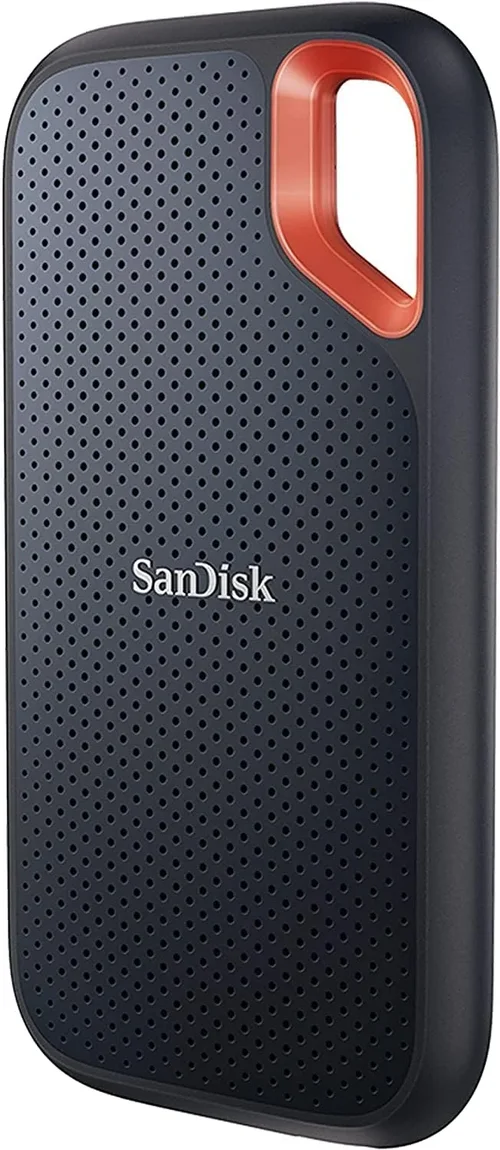
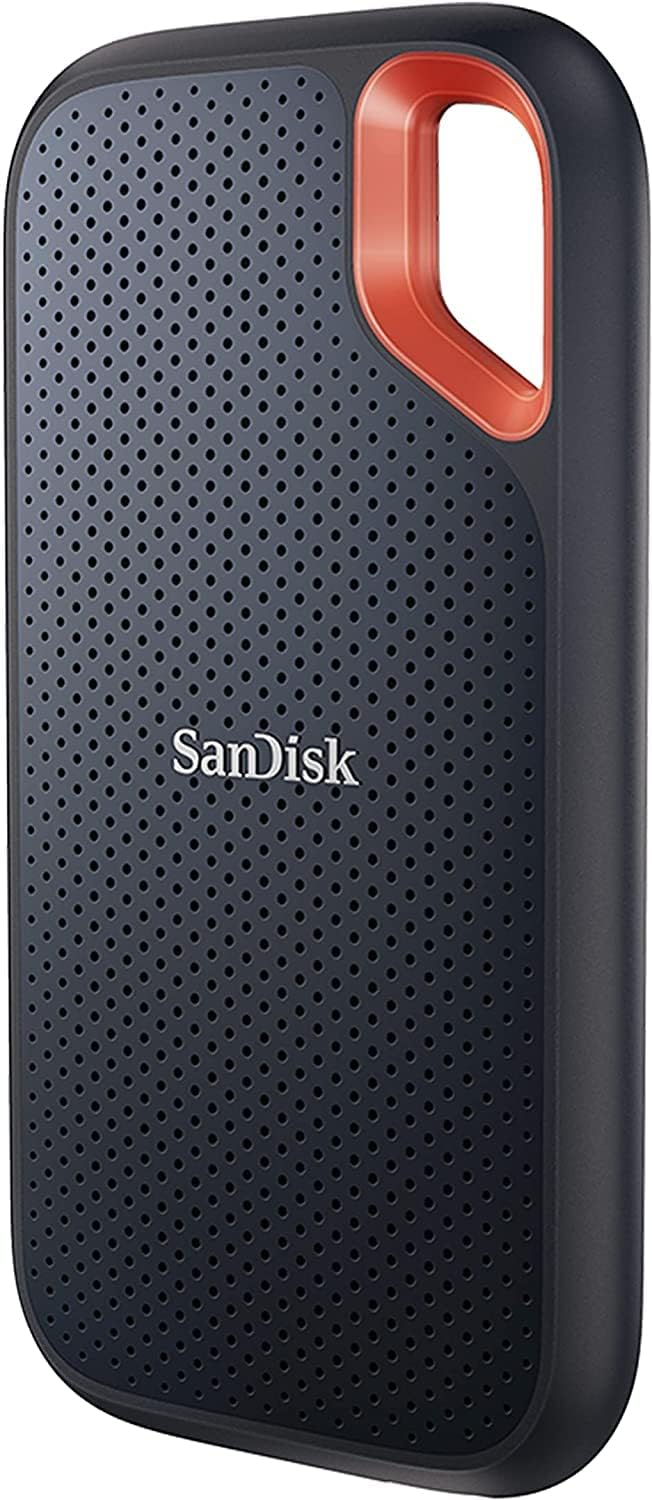
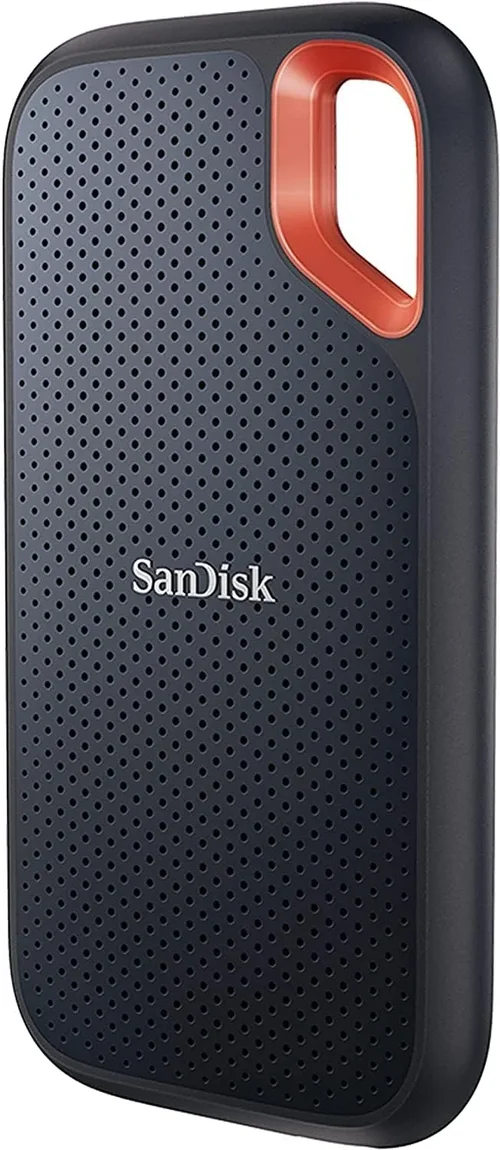
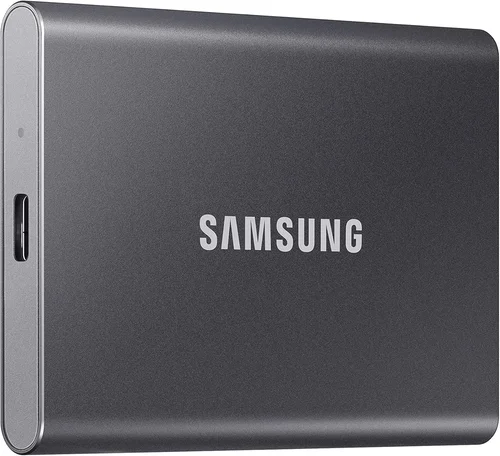
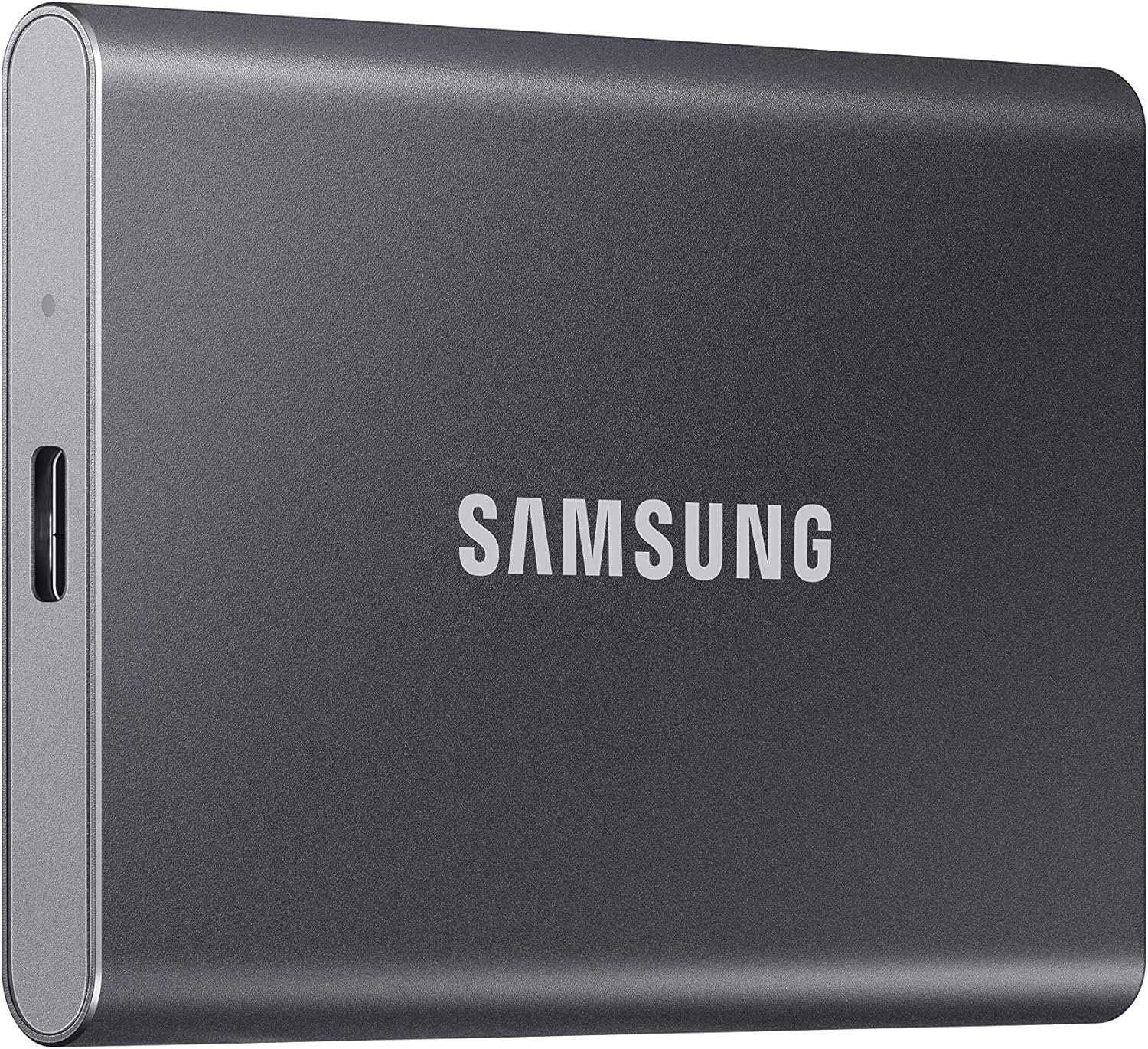
For external use, portable SSDs like the Samsung T7 or SanDisk Extreme offer rugged designs, USB-C connectivity, and fast transfer speeds. These are ideal for photographers, videographers, or anyone who needs to move large files between devices. Consider weight, build materials (aluminum vs. plastic), and included accessories like cables or cases. A well-designed portable SSD can be a game-changer for mobile workflows.
8. User Reviews & Ratings
While specs and marketing materials give you the basics, real user experiences reveal the full picture. Look for reviews on trusted platforms like Amazon, Newegg, or professional tech sites. Pay attention to patterns—if multiple users report the same issue (e.g., overheating, slow write speeds, or early failure), it’s likely a real problem.
Be cautious of fake reviews. Genuine feedback often includes specific details about usage, performance over time, and comparisons to other drives. Also, check the date of reviews—older feedback may not reflect current firmware updates or manufacturing changes. A drive with consistently high ratings across hundreds of reviews is generally a safe bet. Don’t rely solely on star ratings; read the text to understand the context.
Different Types of Buying Guide
Common Buying Mistakes to Avoid
❌ Mistake: Ignoring Interface Compatibility
Why it’s bad: Buying a PCIe 4.0 NVMe drive for a system that only supports PCIe 3.0 means you won’t get the full speed benefit—and you’ve overpaid for performance you can’t use. Similarly, installing an M.2 drive in a slot that doesn’t support NVMe will result in it not being recognized at all.
What to do instead: Always check your motherboard or laptop specifications before purchasing. Look for the supported interface (SATA, PCIe 3.0, 4.0, or 5.0) and form factor (M.2, 2.5-inch). When in doubt, consult the manufacturer’s website or user manual.
❌ Mistake: Choosing the Cheapest Option Without Research
Why it’s bad: Ultra-low-cost SSDs often use inferior NAND, lack DRAM caches, or come from brands with poor quality control. This can lead to slower performance, higher failure rates, and potential data loss.
What to do instead: Stick to reputable brands and aim for the best value within your budget. A slightly more expensive drive from Samsung or Crucial will likely last longer and perform better than a no-name alternative.
❌ Mistake: Overlooking Endurance Ratings
Why it’s bad: If you’re using your SSD for heavy workloads—like video editing, database management, or frequent large file transfers—a low TBW rating could mean the drive wears out prematurely.
What to do instead: Check the TBW (Terabytes Written) specification and match it to your usage. For light use, even QLC drives are fine, but professionals should opt for TLC or MLC with higher endurance.
❌ Mistake: Not Considering Thermal Management
Why it’s bad: High-performance NVMe drives, especially PCIe 4.0 and 5.0 models, generate significant heat. Without proper cooling, they can throttle performance or reduce lifespan.
What to do instead: Use a heatsink if your case or motherboard supports it. Some M.2 slots come with built-in heatsinks, or you can buy aftermarket ones. Monitor temperatures using tools like HWInfo or CrystalDiskInfo.
❌ Mistake: Skipping Firmware Updates
Why it’s bad: Outdated firmware can cause bugs, performance issues, or even data corruption. Manufacturers regularly release updates to improve stability and security.
What to do instead: Register your drive and periodically check the manufacturer’s website for firmware updates. Use their official tools to apply updates safely.
❌ Mistake: Buying Based Solely on Sequential Speeds
Why it’s bad: Marketing often highlights peak sequential read/write speeds, but real-world performance depends more on random IOPS and sustained write performance.
What to do instead: Look at comprehensive benchmarks from trusted sources like Tom’s Hardware or AnandTech. Pay attention to 4K random read/write performance and how the drive handles long file transfers.
❌ Mistake: Forgetting About Backup
Why it’s bad: No storage device is immune to failure. Relying solely on an SSD without a backup plan risks permanent data loss.
What to do instead: Always maintain a backup strategy—use cloud storage, external drives, or NAS systems. Follow the 3-2-1 rule: three copies of your data, on two different media, with one offsite.
Budget Guidelines: How Much Should You Spend?
Entry-Level ($30–$70): This tier is ideal for basic upgrades or secondary storage. You’ll find reliable SATA SSDs from brands like Crucial or Kingston, offering 250GB to 1TB of storage. Performance is solid for everyday tasks—web browsing, office work, light gaming—but don’t expect blazing speeds. These drives are perfect for older systems or budget builds.
Mid-Range ($70–$150): This is the sweet spot for most users. You can get a 1TB NVMe PCIe 3.0 or 4.0 drive with excellent performance, DRAM cache, and strong endurance. Brands like Samsung (980 Pro), WD Black SN770, and Crucial P5 Plus dominate this space. These drives handle gaming, multitasking, and moderate content creation with ease.
Premium ($150–$300): Aimed at enthusiasts and professionals, this tier includes high-capacity PCIe 4.0 drives (2TB–4TB) with top-tier speeds and features like hardware encryption and advanced thermal management. The Samsung 990 Pro and WD Black SN850X are standout options. These are ideal for 4K/8K video editing, 3D rendering, and high-end gaming.
Luxury ($300+): This category includes cutting-edge PCIe 5.0 drives and enterprise-grade SSDs with massive capacities (up to 8TB) and extreme endurance. While overkill for most consumers, they’re essential for AI research, data centers, or users who demand the absolute best performance. Expect to pay a premium, but you’re getting the latest technology with unmatched reliability.
Expert Tips for Getting the Best Deal
1. Time Your Purchase Around Sales Events: Major retailers offer deep discounts during Black Friday, Cyber Monday, Amazon Prime Day, and back-to-school seasons. Sign up for deal alerts from sites like Slickdeals or CamelCamelCamel to catch price drops.
2. Buy Direct from Manufacturers: Companies like Samsung, Crucial, and WD often run exclusive promotions on their websites, including bundle deals or extended warranties. You may also get faster shipping and better return policies.
3. Compare Prices Across Retailers: Use price comparison tools to check Amazon, Newegg, Best Buy, B&H, and Micro Center. Sometimes, smaller retailers offer competitive pricing with free shipping.
4. Look for Refurbished or Open-Box Deals: Certified refurbished SSDs from reputable sellers often come with full warranties and can save you 20–30%. Just ensure they’ve been tested and include original accessories.
5. Check Return and Warranty Policies: A generous return window (30–60 days) gives you time to test the drive. Also, verify the warranty terms—some brands require registration within a certain period.
6. Monitor User Forums and Review Sites: Communities like Reddit’s r/buildapc or TechPowerUp often share real-time deals and warn about problematic models. Real user experiences are invaluable.
7. Consider Future-Proofing: If you plan to upgrade your system soon, invest in a PCIe 4.0 or 5.0 drive now to avoid needing another upgrade later. It’s often cheaper to buy once.
8. Test Before Committing: Once installed, use tools like CrystalDiskMark or AS SSD to verify performance matches advertised specs. Also, check SMART data to ensure the drive is healthy.
Frequently Asked Questions
Q: Can I use an SSD in an older computer?
A: Yes, as long as your system has a SATA port or M.2 slot. Most laptops and desktops from the last 10 years support SATA SSDs. For M.2 NVMe, check your motherboard manual—some older systems only support SATA-based M.2 drives.
Q: Is NVMe always faster than SATA?
A: In theory, yes—NVMe drives are significantly faster. However, if your workload involves mostly small files or light tasks, the real-world difference may be minimal. For large file transfers or gaming, NVMe is noticeably better.
Q: Do I need a heatsink for my M.2 SSD?
A: It depends. PCIe 4.0 and 5.0 drives generate more heat and benefit from heatsinks, especially in small cases or under heavy load. PCIe 3.0 drives usually run cool enough without one.
Q: How long do SSDs last?
A: Most consumer SSDs last 5–10 years under normal use, depending on usage and TBW rating. Modern drives are very reliable, and failure is rare unless subjected to extreme conditions.
Q: Can I recover data from a failed SSD?
A: It’s possible but more difficult than with HDDs. SSDs use wear leveling and TRIM, which can make data recovery challenging. Professional services exist, but prevention through backups is always better.
Q: Should I enable TRIM?
A: Yes. TRIM helps maintain SSD performance and longevity by allowing the drive to manage unused data blocks efficiently. It’s usually enabled by default in modern operating systems.
Q: Are external SSDs as fast as internal ones?
A: High-quality external SSDs with USB 3.2 Gen 2×2 or Thunderbolt 3/4 can match or exceed internal SATA speeds. However, they’re still limited by the USB interface, so they won’t reach PCIe 4.0/5.0 levels.
Q: Can I install an OS on an external SSD?
A: Yes, most modern systems support booting from external drives. This is useful for portable workstations or testing new operating systems.
Q: What’s the difference between TLC and QLC NAND?
A: TLC (3 bits per cell) offers better endurance and performance, while QLC (4 bits per cell) provides higher capacity at lower cost but wears out faster. Choose TLC for heavy use, QLC for light tasks or archival storage.
Q: Do SSDs need defragmentation?
A: No. Unlike HDDs, SSDs don’t benefit from defragmentation and it can actually reduce their lifespan. Modern OSes disable defrag for SSDs automatically.
Our Final Recommendations
Best for Budget-Conscious Buyers: Crucial MX500 1TB SATA SSD – Reliable, affordable, and compatible with almost any system. Great for upgrading older machines without breaking the bank.
Best Overall Value: Samsung 980 Pro 1TB NVMe PCIe 4.0 – Exceptional performance, strong endurance, and excellent software support. A top pick for gamers and professionals alike.
Best Premium Option: WD Black SN850X 2TB NVMe PCIe 4.0 – Blazing speeds, robust build, and advanced features like Game Mode 2.0. Ideal for high-end builds and content creators.
Best for Beginners: Kingston NV2 1TB NVMe PCIe 3.0 – Easy to install, reliable, and priced right. Perfect for first-time upgraders or those new to NVMe technology.
Best for Advanced Users: Samsung 990 Pro 4TB NVMe PCIe 4.0 – Top-tier performance, massive capacity, and cutting-edge thermal design. Built for demanding workloads and future-proof systems.
Conclusion: Making the Right Choice
Choosing the best SSD in 2026 isn’t just about picking the fastest or most expensive drive—it’s about finding the right balance of performance, reliability, and value for your specific needs. Whether you’re breathing new life into an old laptop or building a powerhouse workstation, the right SSD can transform your computing experience. From understanding interface compatibility to avoiding common pitfalls, this guide has equipped you with the knowledge to make a confident, informed decision.
Remember, the best SSD is the one that fits your budget, matches your system, and supports your workflow. Don’t chase specs you won’t use, and always prioritize data safety with regular backups. With the market evolving rapidly, staying informed and flexible is key. Take your time, do your research, and invest wisely. Your future self—and your data—will thank you.