
The world of PC gaming has evolved dramatically over the past decade, and one of the most transformative upgrades you can make to your gaming rig is swapping out an old hard disk drive (HDD) for a solid-state drive (SSD). Gone are the days when loading screens stretched into minutes or texture pop-in ruined immersion during fast-paced gameplay. Today’s SSDs deliver near-instant boot times, lightning-fast game loads, and seamless asset streaming—especially in open-world titles like Cyberpunk 2077, Elden Ring, or Starfield. Whether you’re building a new gaming PC from scratch or upgrading an existing system, choosing the right SSD isn’t just about speed—it’s about future-proofing your experience, maximizing performance, and ensuring reliability under heavy use.
This comprehensive buying guide is designed to cut through the noise and help you make an informed decision tailored to your specific needs. We’ll walk you through the critical factors that separate a mediocre SSD from a truly great gaming drive, compare different types available on the market in 2026, highlight common pitfalls to avoid, and provide expert-backed recommendations across all budget ranges. By the end of this article, you’ll understand not only what specs matter most for gaming but also how to balance cost, performance, and longevity. Whether you’re a casual gamer, a competitive esports enthusiast, or a content creator who streams while playing, this guide will equip you with the knowledge to choose the best SSD for your setup.
The SSD market in 2026 is more crowded—and more advanced—than ever. With the widespread adoption of PCIe Gen5 interfaces, QLC and TLC NAND flash technologies reaching maturity, and manufacturers pushing the boundaries of endurance and thermal management, there’s never been a better time to invest in high-performance storage. However, this abundance of choice can be overwhelming. Some drives promise blistering speeds but falter under sustained workloads; others offer excellent value but lack the durability needed for long-term gaming use. Our goal here is to simplify that decision-making process by focusing exclusively on real-world gaming performance, reliability, and value—not just theoretical benchmarks. Let’s dive in.

What to Look for When Buying Buying Guide
1. Interface & Form Factor
The interface and physical form factor of an SSD determine how it connects to your motherboard and what kind of performance it can deliver. For gaming in 2026, the two dominant interfaces are SATA III and NVMe (Non-Volatile Memory Express), with NVMe further divided into PCIe Gen3, Gen4, and Gen5 variants. SATA SSDs max out at around 550 MB/s due to bandwidth limitations, which is fine for older systems or secondary storage but increasingly inadequate for modern AAA titles that benefit from faster data streaming. NVMe SSDs, especially those using PCIe Gen4 or Gen5, offer significantly higher throughput—Gen4 drives typically reach 7,000 MB/s, while Gen5 models can exceed 12,000 MB/s.
Form factors also matter. The most common is M.2 2280 (22mm wide, 80mm long), which plugs directly into the motherboard and saves space compared to 2.5-inch SATA drives. If you’re building a compact PC or upgrading a laptop, M.2 is usually the only viable option. Always check your motherboard’s manual to confirm supported interfaces and M.2 slot availability. For example, if your board only has PCIe Gen3 slots, investing in a Gen5 SSD won’t yield any real-world benefit—you’ll be bottlenecked by the hardware.
2. Sequential Read/Write Speeds
While random read/write performance affects everyday responsiveness, sequential speeds are often highlighted in marketing materials and play a key role in gaming scenarios like level loading, texture streaming, and asset decompression. A drive with high sequential read speeds (e.g., 7,000+ MB/s) will load large game files much faster than a slower counterpart. However, it’s important to note that beyond a certain point—roughly 5,000–6,000 MB/s—the perceptible difference in game load times diminishes significantly. That said, newer games optimized for DirectStorage (a Windows API that allows GPUs to directly access SSD data) do benefit from ultra-high bandwidth, especially on Gen5 drives.
Don’t rely solely on manufacturer claims. Look for independent reviews that test real-world performance using tools like CrystalDiskMark or AS SSD Benchmark. Also, pay attention to sustained speeds: some budget SSDs use aggressive caching to inflate benchmark numbers but throttle dramatically once the cache fills up during prolonged transfers.
3. Random Read/Write Performance (IOPS)
If sequential speeds handle big file loads, random IOPS (Input/Output Operations Per Second) govern how quickly the drive can access small, scattered pieces of data—exactly what happens when a game loads textures, sounds, or AI behaviors on the fly. High random read performance (measured in IOPS) ensures smoother gameplay, fewer hitches, and reduced stuttering, especially in dense open-world environments. For gaming, aim for at least 500,000–800,000 random read IOPS. Premium Gen4 and Gen5 drives often exceed 1 million IOPS, which future-proofs your system for upcoming titles designed with high-speed storage in mind.
This metric is particularly crucial if you multitask while gaming—for instance, running Discord, a browser, and streaming software simultaneously. A drive with strong random performance maintains responsiveness even under mixed workloads.
4. NAND Flash Type: TLC vs. QLC
NAND flash memory comes in several types, with Triple-Level Cell (TLC) and Quad-Level Cell (QLC) being the most common in consumer SSDs. TLC stores three bits per cell and offers a great balance of speed, endurance, and cost—it’s the gold standard for gaming SSDs. QLC stores four bits per cell, increasing density and lowering price per gigabyte, but at the expense of write speed and longevity. QLC drives often rely heavily on SLC (Single-Level Cell) caching to maintain performance during short bursts, but once the cache is exhausted, write speeds can drop dramatically—sometimes below 100 MB/s.
For gaming, where you’re primarily reading data (not writing large files constantly), QLC can be acceptable for secondary storage or budget builds. But for your primary OS and game installation drive, TLC remains the safer, more reliable choice. Avoid DRAM-less QLC drives entirely—they lack a dedicated memory buffer, leading to poor performance and reduced lifespan.
5. DRAM Cache
A DRAM cache acts as a high-speed buffer between the SSD controller and NAND flash, storing the drive’s mapping table (which tracks where data is physically located). This dramatically improves both speed and longevity. DRAM-less SSDs must store this table in slower NAND memory, resulting in sluggish performance, especially during random writes and when the drive is nearly full. While some modern controllers use Host Memory Buffer (HMB) technology to borrow system RAM as a substitute, this is less efficient and can impact overall system performance.
For gaming—where consistent performance matters more than peak benchmarks—always choose an SSD with a dedicated DRAM cache. It’s a non-negotiable feature for serious gamers.
6. Endurance & TBW Rating
Endurance, measured in Terabytes Written (TBW), indicates how much data can be written to the drive over its lifetime before it’s likely to fail. Gaming doesn’t involve heavy writing like video editing, but modern games do write temporary files, shader caches, and save data regularly. A higher TBW rating (e.g., 600–1,200 TBW for a 1TB drive) ensures the SSD will last years, even with daily use. Look for drives with at least 500 TBW per terabyte of capacity. Premium models often exceed 1,000 TBW, offering peace of mind for long-term ownership.
Also consider the warranty period—most reputable brands offer 5-year warranties, which typically align with the drive’s expected lifespan under normal use.
7. Thermal Management & Heatsinks
High-performance NVMe SSDs, especially PCIe Gen4 and Gen5 models, generate significant heat during sustained workloads. Without proper cooling, they can throttle—reducing speeds to prevent overheating. Many premium SSDs now include built-in heatsinks or are sold with optional ones. If your motherboard has a pre-installed M.2 heatsink, ensure the SSD you buy is compatible in height. Alternatively, consider drives with integrated thermal pads or copper layers for better heat dissipation.
For compact builds or laptops, passive cooling may not be sufficient. In such cases, opt for drives with conservative power profiles or consider active cooling solutions if space allows.
8. Brand Reputation & Firmware Support
Not all SSDs are created equal—even if they share the same controller and NAND. Reputable brands like Samsung, Western Digital, Crucial, Kingston, and Sabrent invest heavily in firmware optimization, which directly impacts real-world performance, stability, and longevity. Firmware updates can fix bugs, improve compatibility, and even boost performance post-launch. Cheaper, no-name brands often lack reliable update mechanisms and customer support.
Stick with established manufacturers that offer transparent specifications, robust software suites (like Samsung Magician or WD Dashboard), and responsive customer service. This becomes critical if you encounter issues or need to recover data.
Different Types of Buying Guide
Common Buying Mistakes to Avoid
❌ Mistake: Prioritizing Peak Speed Over Real-World Performance
Why it’s bad: Many buyers get swayed by marketing claims of “12,000 MB/s!” without realizing that most games don’t fully utilize such bandwidth yet. A Gen5 SSD might load a game 0.5 seconds faster than a Gen4 drive—but that’s barely noticeable. More importantly, some ultra-fast drives throttle aggressively under load or lack sufficient DRAM, leading to inconsistent performance.
What to do instead: Focus on balanced specs: look for drives with strong sustained speeds, good random IOPS, and reliable thermal performance. A well-optimized Gen4 drive often delivers a better gaming experience than a throttling Gen5 flagship.
❌ Mistake: Choosing DRAM-less SSDs to Save Money
Why it’s bad: DRAM-less SSDs cut corners by eliminating the cache, which leads to sluggish performance when the drive is busy or nearly full. This causes stuttering in games, longer load times, and reduced lifespan due to increased NAND wear.
What to do instead: Always opt for SSDs with dedicated DRAM. The small price difference (usually $10–$20) is worth it for the performance and longevity gains.
❌ Mistake: Ignoring TBW and Warranty
Why it’s bad: Buying a cheap SSD with low endurance might save money upfront, but it could fail prematurely—especially if you install dozens of large games. Data loss and replacement hassle far outweigh initial savings.
What to do instead: Check the TBW rating (aim for ≥500 TBW per TB) and ensure the drive comes with at least a 5-year warranty from a reputable brand.
❌ Mistake: Overlooking Thermal Throttling
Why it’s bad: High-speed NVMe drives can overheat during extended gaming sessions, causing speed drops that negate their performance advantages. This is especially true in small cases or laptops with poor airflow.
What to do instead: Choose drives with built-in heatsinks or ensure your case/motherboard provides adequate cooling. Monitor temps using tools like HWInfo or CrystalDiskInfo.
❌ Mistake: Buying Based Solely on Price per GB
Why it’s bad: The cheapest SSDs often use QLC NAND and lack DRAM, resulting in poor performance and reliability. While they seem economical, they’re not ideal for primary gaming storage.
What to do instead: Calculate total cost of ownership—including performance, endurance, and support. A slightly more expensive TLC drive with DRAM offers far better long-term value.
❌ Mistake: Assuming All Gen5 Drives Are Worth It
Why it’s bad: PCIe Gen5 requires compatible motherboards (Intel Z790/X670 or newer) and generates more heat. If your system doesn’t support it, you’re wasting money. Even with support, most current games don’t benefit enough to justify the premium.
What to do instead: Unless you’re building a top-tier rig for future-proofing, a high-quality Gen4 SSD offers the best balance of performance, price, and compatibility in 2026.
❌ Mistake: Neglecting Firmware Updates
Why it’s bad: Outdated firmware can cause compatibility issues, bugs, or even data corruption. Some manufacturers release critical updates years after launch.
What to do instead: Register your SSD with the manufacturer and periodically check for firmware updates using their official utility.
Budget Guidelines: How Much Should You Spend?
Entry-Level ($40–$70 for 1TB): This range covers reliable SATA SSDs and budget NVMe Gen3 drives. Ideal for upgrading older systems or adding secondary storage. Expect speeds around 500 MB/s (SATA) or 3,500 MB/s (Gen3 NVMe). Look for models like the Crucial MX500 (SATA) or Kingston NV2 (Gen3). These won’t break speed records but deliver a massive improvement over HDDs.
Mid-Range ($70–$110 for 1TB): The sweet spot for most gamers. Here you’ll find high-performance PCIe Gen4 NVMe SSDs with TLC NAND, DRAM caches, and excellent endurance. Drives like the Samsung 980 Pro, WD Black SN850X, or Crucial T700 offer 7,000+ MB/s speeds and robust thermal management. Perfect for modern gaming PCs and PS5 upgrades.
Premium ($110–$180 for 1TB): For enthusiasts who want the best performance today. These include top-tier Gen4 drives with advanced controllers and Gen5 entry-level models. Expect features like double-sided NAND, premium heatsinks, and TBW ratings above 1,000. Great for users who play cutting-edge titles with DirectStorage support or multitask heavily.
Luxury ($180+ for 1TB): Reserved for bleeding-edge Gen5 SSDs with speeds exceeding 12,000 MB/s. Examples include the Corsair MP700 Pro or Sabrent Rocket 5. These are overkill for current games but ideal for future-proofing high-end workstations or content creation rigs. Only recommended if you have a compatible motherboard and prioritize peak performance above all else.
Expert Tips for Getting the Best Deal
- Buy During Major Sales Events: Black Friday, Cyber Monday, Prime Day, and back-to-school seasons often feature deep discounts on SSDs. Sign up for price alerts on sites like CamelCamelCamel (Amazon) or PCPartPicker to catch deals early.
- Check Retailer Return Policies: Ensure the retailer offers at least a 30-day return window. Some drives may have DOA (dead on arrival) units or compatibility issues that only appear after installation.
- Verify Compatibility Before Buying: Use your motherboard’s QVL (Qualified Vendor List) or consult forums like Reddit’s r/buildapc. Not all M.2 slots support Gen4/Gen5, and some share bandwidth with SATA ports.
- Consider Refurbished or Open-Box Units: Reputable sellers like Best Buy or Newegg often sell certified refurbished SSDs at 20–30% off with full warranties. These are rigorously tested and nearly indistinguishable from new.
- Use Manufacturer Tools for Optimization: After installation, download the SSD manufacturer’s utility (e.g., Samsung Magician) to enable features like over-provisioning, secure erase, and firmware updates.
- Monitor Drive Health: Use free tools like CrystalDiskInfo to track SSD temperature, wear level, and remaining lifespan. Early warnings can prevent data loss.
- Avoid No-Name Brands: Stick to established manufacturers. A $50 SSD from an unknown brand may use recycled NAND or counterfeit controllers—risking your data and system stability.
- Future-Proof with Extra Capacity: Games are getting larger—Call of Duty: Modern Warfare III exceeds 200GB. Buying a 2TB drive now saves you from upgrading in 12–18 months.
Frequently Asked Questions
Q: Does SSD speed really matter for gaming?
A: Yes, but with diminishing returns. An SSD drastically reduces load times compared to an HDD, and faster NVMe drives improve texture streaming and reduce stuttering in open-world games. However, beyond ~5,000 MB/s, gains become marginal for most current titles—though future games using DirectStorage will benefit more.
Q: Can I use an external SSD for gaming?
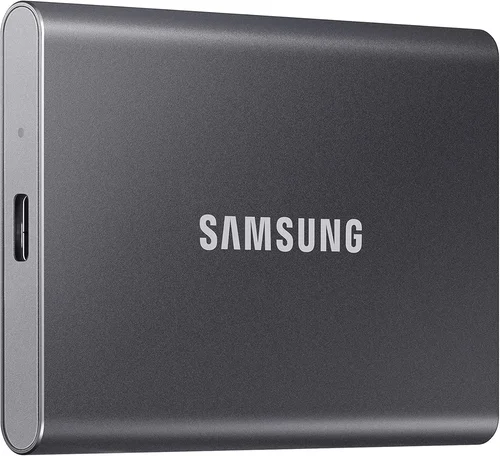
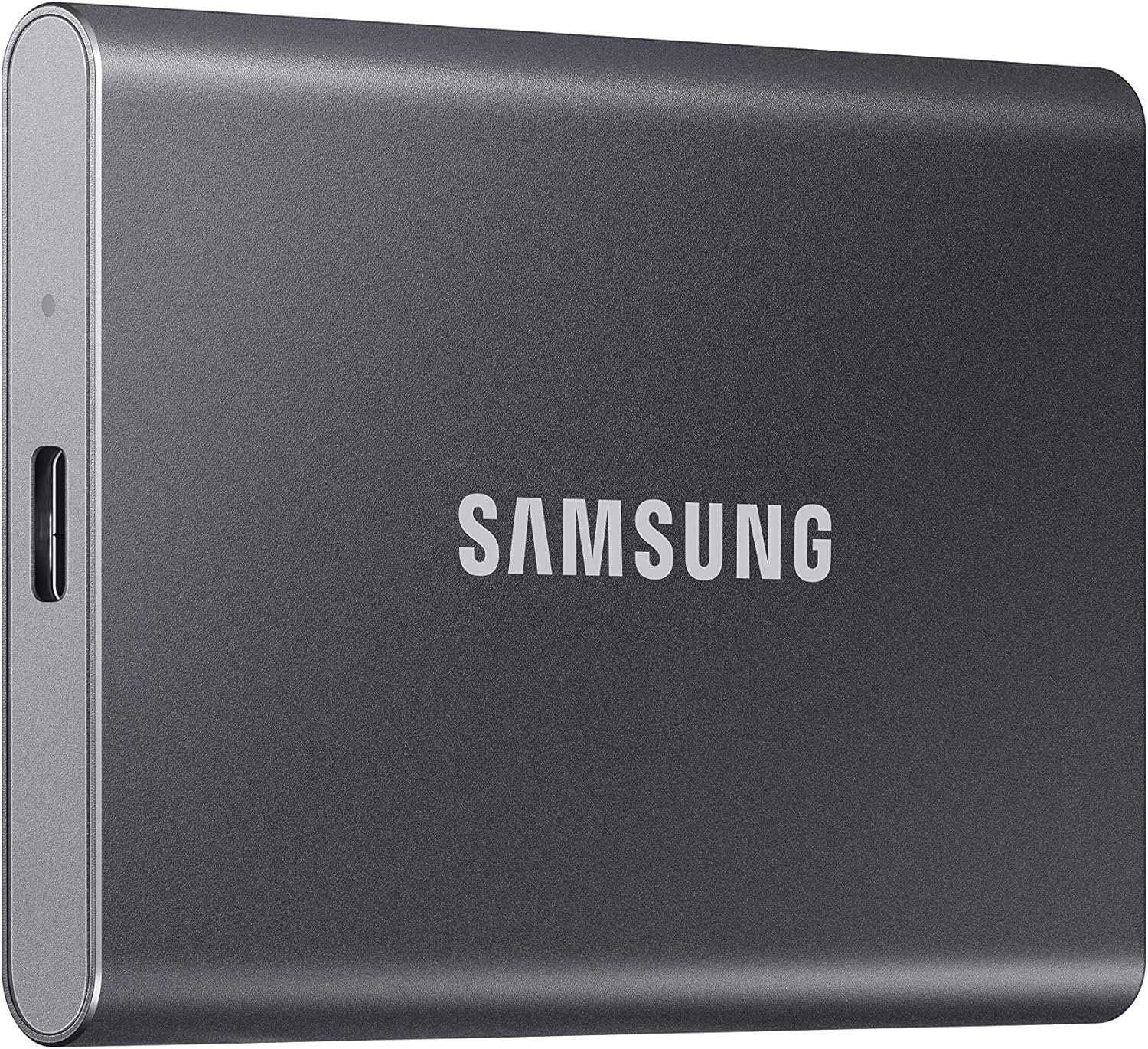
A: Absolutely. USB 3.2 Gen 2×2 (20 Gbps) or Thunderbolt 4 external SSDs offer speeds comparable to internal SATA drives and work great with consoles like the PS5 or Xbox Series X, or handhelds like the Steam Deck. Just ensure your device supports external game installation.
Q: Is PCIe Gen5 worth it in 2026?
A: Only if you have a compatible motherboard and plan to keep your system for 5+ years. Most games in 2026 still don’t fully leverage Gen5 bandwidth, but early adopters and content creators will appreciate the headroom. For mainstream gamers, Gen4 remains the smarter investment.
Q: How much SSD storage do I need for gaming?
A: A minimum of 1TB is recommended. Modern AAA games average 80–150GB each, and your OS, drivers, and apps need space too. If you play many large titles, consider 2TB. Avoid filling your SSD beyond 80% to maintain performance.
Q: Will an SSD improve FPS in games?
A: No. FPS (frames per second) is determined by your GPU, CPU, and RAM. However, an SSD eliminates loading hitches, reduces texture pop-in, and ensures smoother gameplay—especially in streaming-heavy environments.
Q: Are SSDs reliable for long-term gaming use?
A: Yes, especially TLC-based models with high TBW ratings. Modern SSDs are designed for years of heavy use. Just avoid cheap, DRAM-less QLC drives for your primary game library.
Q: Can I clone my HDD to an SSD?
A: Definitely. Tools like Macrium Reflect Free, Acronis True Image, or the manufacturer’s own software (e.g., Samsung Data Migration) allow seamless cloning. This preserves your OS, games, and settings while upgrading to faster storage.
Q: Do I need a heatsink for my NVMe SSD?
A: If your motherboard includes one, use it—even for Gen4 drives. For Gen5 or high-end Gen4 SSDs in compact cases, a heatsink is strongly recommended to prevent thermal throttling during extended gaming sessions.
Q: What’s the difference between NVMe and M.2?
A: M.2 is a physical form factor (the slot size), while NVMe is a communication protocol. Not all M.2 drives are NVMe—some use SATA. Always check the interface: look for “PCIe” or “NVMe” in the product name.
Q: Should I enable TRIM on my SSD?
A: Yes. TRIM helps maintain SSD performance over time by allowing the OS to inform the drive which blocks of data are no longer in use. It’s usually enabled by default in Windows 10/11, but you can verify it via Command Prompt (`fsutil behavior query DisableDeleteNotify`—should return 0).
Our Final Recommendations
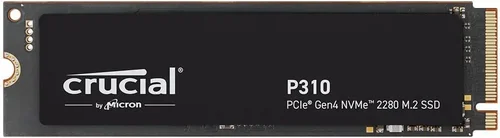
Best for Budget-Conscious Buyers: Crucial P3 Plus (1TB) – A PCIe Gen4 NVMe SSD with TLC NAND, DRAM cache, and 500 TBW endurance for under $80. Offers excellent value without compromising core features.
Best Overall Value: Samsung 980 Pro (1TB) – Consistently top-rated for performance, reliability, and firmware support. Delivers 7,000 MB/s speeds, robust thermal management, and a 5-year warranty. Ideal for most gamers.
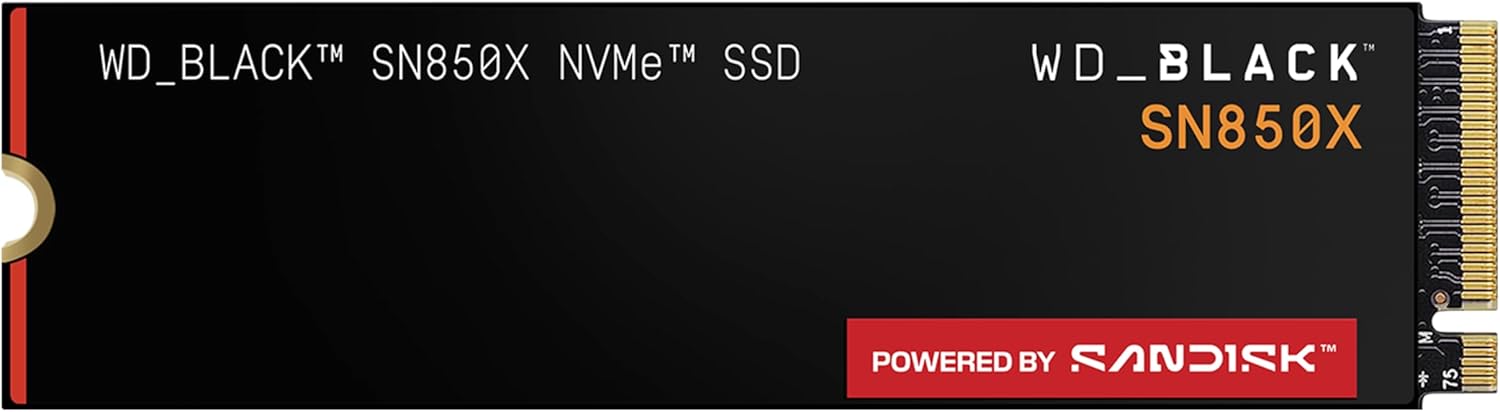
Best Premium Option: WD Black SN850X (2TB) – Built for enthusiasts, this Gen4 drive boasts 7,300 MB/s speeds, 1,200 TBW endurance, and advanced caching. Perfect for large game libraries and multitasking.
Best for Beginners: Kingston NV2 (1TB) – Simple, affordable Gen3 NVMe SSD with plug-and-play compatibility. Great for first-time upgraders or older systems lacking Gen4 support.
Best for Advanced Users: Sabrent Rocket 5 (1TB) – One of the first consumer Gen5 drives, hitting 12,000 MB/s with a sleek heatsink. Ideal for builders who want cutting-edge performance and future-proofing.
Conclusion: Making the Right Choice
Choosing the best SSD for gaming in 2026 isn’t just about chasing the highest number on a spec sheet—it’s about understanding how storage impacts your actual gaming experience. From eliminating load screens to enabling smoother open-world exploration, the right SSD transforms how you interact with your favorite titles. By focusing on key factors like interface, NAND type, DRAM presence, and real-world performance, you can avoid common pitfalls and invest wisely.
Remember: a mid-range PCIe Gen4 SSD with TLC NAND and a DRAM cache offers the best balance of speed, reliability, and value for the majority of gamers. Don’t overspend on Gen5 unless you’re building a high-end rig, and never compromise on endurance or brand reputation. With the insights from this guide, you’re now equipped to make a confident, informed decision that enhances your gaming setup for years to come.
Take the time to assess your current system, define your budget, and prioritize what matters most—whether it’s blazing-fast load times, massive storage capacity, or rock-solid reliability. The perfect SSD is out there, and with the right choice, every game you play will start faster, run smoother, and feel more immersive than ever before. Happy gaming!