
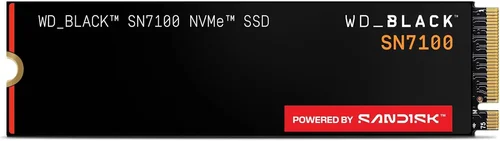
The world of storage has evolved dramatically over the past decade, and nowhere is that more evident than in the rise of M.2 SSDs. Once considered a niche upgrade for enthusiasts, these compact, high-speed drives have become the standard for modern laptops, desktops, and even gaming consoles. Whether you’re building a new PC, upgrading an aging system, or simply looking to boost your device’s responsiveness, choosing the right M.2 SSD can make a world of difference. But with so many options flooding the market—each boasting different speeds, capacities, form factors, and price points—it’s easy to feel overwhelmed. That’s where this comprehensive buying guide comes in.
In this expert-level guide, we’ll walk you through everything you need to know to make an informed decision. You’ll learn how to evaluate performance specs like read/write speeds and IOPS, understand the differences between SATA and NVMe protocols, and navigate the nuances of DRAM cache, NAND types, and thermal management. We’ll also break down real-world use cases—from everyday computing and content creation to high-end gaming and professional workloads—so you can match your needs with the right drive. By the end, you won’t just know which M.2 SSD is “best”—you’ll know which one is best for you.
The M.2 SSD market in 2026 is more competitive than ever. Major players like Samsung, Western Digital, Crucial, Kingston, and Sabrent continue to push the boundaries of speed and reliability, while newer brands offer compelling budget alternatives. At the same time, advancements in PCIe Gen5 technology have introduced drives capable of blistering sequential speeds exceeding 10,000 MB/s—though not without trade-offs in heat and cost. Meanwhile, PCIe Gen4 remains the sweet spot for most users, offering excellent performance at accessible prices. With this landscape in mind, our goal is to cut through the marketing noise and deliver practical, actionable advice grounded in real-world testing and technical insight.

What to Look for When Buying Buying Guide
1. Performance Specifications
When shopping for an M.2 SSD, performance is often the first thing that catches your eye—and for good reason. But it’s not just about peak numbers on a spec sheet. True performance depends on several interconnected metrics: sequential read/write speeds, random read/write IOPS (Input/Output Operations Per Second), and sustained performance under load.
Sequential speeds—measured in MB/s—are crucial for tasks like transferring large files, loading games, or booting your operating system. For example, a drive rated at 7,000 MB/s read speed will load a 50GB game significantly faster than one capped at 3,500 MB/s. However, random IOPS matter more for everyday responsiveness—think opening apps, multitasking, or running databases. A drive with high IOPS will feel snappier during normal use, even if its sequential speeds are modest.
It’s also important to consider sustained performance. Many SSDs can hit impressive burst speeds for short periods but throttle down under prolonged workloads due to heat or lack of DRAM cache. If you’re editing 4K video or running virtual machines, look for drives with consistent performance across long transfers. Real-world benchmarks from trusted sources like Tom’s Hardware or AnandTech often reveal these nuances better than manufacturer claims.
2. Interface & Protocol: NVMe vs. SATA
All M.2 SSDs use the same physical connector, but they don’t all use the same communication protocol. Understanding the difference between NVMe and SATA is critical—it directly impacts speed, compatibility, and value.
SATA-based M.2 SSDs are limited to around 550 MB/s due to the older SATA III interface. While they’re cheaper and widely compatible, they’re increasingly obsolete for new builds. NVMe (Non-Volatile Memory Express), on the other hand, leverages the PCIe bus, enabling much faster data transfer. PCIe Gen3 NVMe drives typically reach 3,500 MB/s, Gen4 doubles that to ~7,000 MB/s, and Gen5 pushes beyond 10,000 MB/s.
Check your motherboard or laptop specifications before buying. Most modern systems support NVMe, but older devices may only accept SATA M.2 drives. Also note: some motherboards have multiple M.2 slots—some support only Gen3, others Gen4 or Gen5. Using a Gen5 drive in a Gen3 slot will work, but you’ll be limited to Gen3 speeds.
3. NAND Flash Type: TLC, QLC, and Beyond
The type of NAND flash memory used in an SSD affects endurance, speed, and cost. In 2026, the most common types are TLC (Triple-Level Cell) and QLC (Quad-Level Cell), with PLC (Penta-Level Cell) beginning to appear in budget drives.
TLC stores three bits per cell and offers a great balance of performance, longevity, and price. It’s ideal for general users and gamers. QLC stores four bits per cell, increasing density and lowering cost per gigabyte, but at the expense of write speed and endurance. QLC drives often rely heavily on SLC caching (a small portion of memory acting as a fast buffer) to maintain performance during short bursts, but they can slow dramatically during large, sustained writes.
For most consumers, TLC remains the gold standard. QLC can be acceptable for secondary storage or light use, but avoid it for primary drives if you frequently write large files. Enterprise and prosumer drives may use MLC (Multi-Level Cell) or even SLC (Single-Level Cell) for maximum endurance, but these are rare and expensive in consumer M.2 form factors.
4. DRAM Cache: The Hidden Performance Booster
DRAM cache is a small amount of volatile memory (usually 1GB per 1TB of storage) that acts as a high-speed buffer between the SSD controller and NAND flash. It stores the Flash Translation Layer (FTL) map, which tells the drive where data is physically located—critical for fast random access.
SSDs with DRAM cache consistently outperform DRAM-less models, especially during multitasking or heavy workloads. DRAM-less drives use system memory (HMB—Host Memory Buffer) instead, which can work well in theory but often leads to inconsistent performance and higher CPU usage.
If you’re buying a budget SSD, always check whether it includes DRAM. Many low-cost QLC drives omit it to cut costs, resulting in sluggish performance when the SLC cache fills up. For anything beyond basic web browsing, a DRAM-equipped drive is strongly recommended.
5. Thermal Management & Throttling
High-speed M.2 SSDs generate significant heat, especially PCIe Gen4 and Gen5 models. Without proper cooling, they can throttle—reducing speed to prevent overheating. This is particularly problematic in laptops or small-form-factor PCs with limited airflow.
Look for drives with built-in heatsinks or consider adding an aftermarket M.2 heatsink if your case supports it. Some premium drives, like the Samsung 990 Pro or WD Black SN850X, come with integrated heat spreaders. Others, like the Crucial T700 (Gen5), are designed to be used with motherboard heatsinks.
Thermal throttling isn’t just about peak speed—it affects real-world usability. A drive that hits 7,000 MB/s in a 10-second test but drops to 1,000 MB/s after a minute isn’t truly fast. Check reviews for thermal performance under sustained load, especially if you plan to use the drive for video editing or large file transfers.
6. Capacity & Future-Proofing
Capacity directly impacts price, performance, and longevity. Larger drives generally offer better performance (due to more parallel NAND channels) and higher endurance (more spare area for wear leveling).
For most users, 1TB is the new sweet spot—enough for the OS, applications, and several games or projects. 2TB is ideal for content creators, gamers with large libraries, or anyone who wants to avoid frequent file management. 4TB and above are overkill for average users but valuable for professionals working with 8K video or large datasets.
Avoid 250GB or 500GB drives unless you’re on a tight budget. These smaller capacities often suffer from reduced performance and shorter lifespans due to limited over-provisioning. Plus, with game install sizes regularly exceeding 100GB, even 1TB can fill up quickly.
7. Brand Reputation & Reliability
Not all SSDs are created equal—even if they share the same specs. Brand reputation matters because it reflects real-world reliability, firmware quality, and long-term support.
Established brands like Samsung, Western Digital, Crucial (Micron), and Kingston have proven track records of delivering consistent performance and durability. They also offer robust software suites (like Samsung Magician or WD Dashboard) for monitoring health, updating firmware, and optimizing performance.
Newer or lesser-known brands may offer tempting prices, but they often cut corners on components, firmware, or quality control. Look for brands that disclose their NAND and controller sources. Avoid “mystery” drives with vague specifications or no model numbers.
8. Warranty & Support
A good warranty is a strong indicator of a manufacturer’s confidence in their product. Most premium M.2 SSDs come with 5-year limited warranties, often tied to a TBW (Terabytes Written) rating—the total amount of data that can be written before the warranty expires.
For example, a 1TB drive with a 600 TBW rating can theoretically endure 600TB of writes over its lifespan. In practice, most users will never reach this limit, but it’s a useful metric for comparing endurance. Higher TBW = better longevity.
Also consider customer support. Can you easily contact the manufacturer? Do they offer firmware updates? Is RMA (Return Merchandise Authorization) straightforward? These factors matter if something goes wrong down the line.
Different Types of Buying Guide

Common Buying Mistakes to Avoid
❌ Mistake: Ignoring Your System’s Compatibility
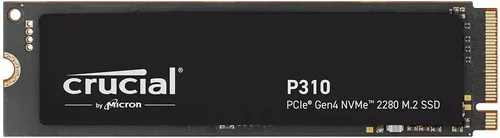
Why it’s bad: Buying a PCIe Gen5 SSD for a motherboard that only supports Gen3 is a waste of money—you’ll never see the speed benefits. Similarly, some laptops only accept shorter M.2 2242 or 2260 drives, not the standard 2280 size.
What to do instead: Always check your device’s manual or manufacturer specs before purchasing. Use tools like CPU-Z or HWiNFO to identify your M.2 slot capabilities.
❌ Mistake: Prioritizing Peak Speed Over Real-World Performance
Why it’s bad: A drive that hits 12,000 MB/s in a synthetic benchmark may feel no faster than a 5,000 MB/s drive in daily use—especially if it throttles or lacks DRAM.
What to do instead: Focus on reviews that test real-world scenarios: game loading, file copying, app launches, and sustained writes.
❌ Mistake: Overlooking Thermal Throttling
Why it’s bad: In compact builds or laptops, an uncooled Gen4/Gen5 SSD can overheat and slow down dramatically, negating its speed advantage.
What to do instead: Invest in a heatsink or choose a drive with built-in thermal management. Monitor temps using software like CrystalDiskInfo.
❌ Mistake: Choosing QLC for Primary Storage
Why it’s bad: QLC drives slow down significantly during large writes and have lower endurance, making them poor choices for OS or active project drives.
What to do instead: Use QLC only for secondary storage (e.g., media archives). Stick with TLC for your main drive.
❌ Mistake: Skimping on Capacity
Why it’s bad: A 500GB SSD may seem sufficient, but with Windows updates, games, and apps, it fills up fast—and performance drops as free space diminishes.
What to do instead: Start with 1TB minimum. If budget allows, go for 2TB for long-term peace of mind.
❌ Mistake: Ignoring Firmware Updates
Why it’s bad: Outdated firmware can cause bugs, reduced performance, or even data loss. Some brands release critical updates years after launch.
What to do instead: Register your drive and check for firmware updates every 6–12 months using the manufacturer’s tool.
❌ Mistake: Buying Based Solely on Price
Why it’s bad: The cheapest SSD often uses inferior components, lacks DRAM, or has poor endurance—costing you more in the long run.
What to do instead: Balance price with features. A slightly more expensive drive with DRAM and a 5-year warranty is usually a better investment.
Budget Guidelines: How Much Should You Spend?
– Entry-Level ($30–$60 for 1TB): Ideal for basic computing, web browsing, and light office work. Look for reliable Gen3 NVMe drives like the Crucial P3 or Kingston NV2. Avoid DRAM-less models if possible. Expect decent performance for everyday tasks but limited sustained write speeds.
– Mid-Range ($60–$120 for 1TB): The sweet spot for most users. PCIe Gen4 NVMe drives like the Samsung 980 Pro, WD Black SN770, or Crucial P5 Plus offer excellent speed, reliability, and features. These are perfect for gaming, content creation, and multitasking. Most include DRAM, TLC NAND, and strong warranties.
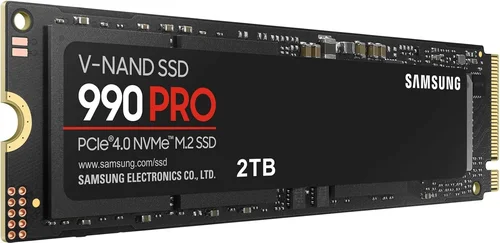
– Premium ($120–$200 for 1TB): For enthusiasts and professionals who demand top-tier performance. Gen4 flagships like the Samsung 990 Pro or Sabrent Rocket 4 Plus deliver near-max speeds with robust thermal designs. Some Gen5 drives fall here too, though they may require additional cooling.
– Luxury ($200+ for 1TB): Cutting-edge Gen5 drives like the Crucial T700 or Gigabyte Aorus Gen5 10000. These offer blistering speeds over 10,000 MB/s but come with high power draw, heat output, and cost. Only recommended for high-end workstations or users who need maximum bandwidth for 8K video, AI workloads, or server applications.
Expert Tips for Getting the Best Deal
– Buy During Sales Cycles: SSD prices drop predictably during holiday seasons and major shopping events. Q4 (October–December) is especially good for deals. Avoid buying right after a new model launches—prices are highest then.
– Compare Total Cost per GB: A 2TB drive may cost more upfront but offer better value than two 1TB drives. Calculate price per gigabyte to find true value.
– Check Return Policies: Ensure the retailer offers at least 30 days to return or exchange. Some brands (like Sabrent) have strict RMA processes—know what you’re getting into.
– Use Manufacturer Tools: Download software like Samsung Magician or WD Dashboard. They provide health monitoring, performance optimization, and firmware updates—free value beyond the hardware.
– Consider Refurbished or Open-Box: Reputable sellers like Amazon Renewed or Best Buy Outlet often sell certified pre-owned SSDs at significant discounts. These come with warranties and are thoroughly tested.
– Don’t Overbuy Speed: Unless you’re doing professional video editing or running VMs, a Gen4 drive is more than enough. Gen5 offers diminishing returns for most users.
– Test Before Committing: If possible, benchmark the drive after installation using CrystalDiskMark or AS SSD. Verify that real-world speeds match advertised specs.
– Future-Proof Wisely: If you plan to upgrade your system in 2–3 years, consider a Gen4 drive now. Gen5 adoption is still limited, and prices may drop significantly by the time you need it.

Frequently Asked Questions
Q: Can I use an M.2 SSD in any laptop or desktop?
A: Not necessarily. While most modern desktops support M.2 NVMe, some older systems only accept SATA M.2 or don’t have M.2 slots at all. Laptops vary widely—check your model’s service manual for compatibility. Also, physical size matters: 2280 (80mm) is standard, but some devices require 2242 or 2260.
Q: Is PCIe Gen5 worth it in 2026?
A: For most users, no—yet. Gen5 offers incredible speeds but requires compatible hardware, robust cooling, and comes at a premium. Unless you’re working with massive files or need every ounce of bandwidth, Gen4 remains the practical choice. Gen5 will become mainstream in 2–3 years.
Q: Do I need a heatsink for my M.2 SSD?
A: It depends. In well-ventilated desktop cases with motherboard heatsinks, it’s often unnecessary. But in laptops, small ITX builds, or for Gen4/Gen5 drives under heavy load, a heatsink can prevent throttling and extend lifespan.
Q: How long do M.2 SSDs last?
A: Modern SSDs are extremely durable. A typical 1TB TLC drive with 600 TBW could last decades under normal use—writing 100GB per day would take over 16 years to reach the limit. Failure is more likely due to controller issues than NAND wear.
Q: Can I clone my old drive to a new M.2 SSD?
A: Yes! Most manufacturers provide free cloning software (e.g., Samsung Data Migration, Acronis for WD). Ensure the new drive is equal or larger in capacity. Cloning preserves your OS, apps, and settings for a seamless upgrade.
Q: Are cheaper SSDs safe to use?
A: Some are, but many cut corners. Avoid no-name brands with vague specs. Stick to reputable manufacturers—even their budget lines (like Crucial P3) are reliable. Always check reviews and warranty terms.
Q: What’s the difference between M.2 2280 and 2260?
A: The numbers refer to physical dimensions: 22mm wide × 80mm long (2280) or 60mm long (2260). 2280 is the most common. Ensure your device supports the length you’re buying.
Q: Will an M.2 SSD improve my gaming performance?
A: Yes—but mostly in load times. Games will launch faster, levels will stream more smoothly, and open-world titles will have fewer pop-in issues. However, FPS (frames per second) is determined by your GPU and CPU, not storage.
Q: Can I use two M.2 SSDs in my PC?
A: If your motherboard has multiple M.2 slots, absolutely. This is common in modern boards. Just ensure your CPU and chipset support the total PCIe lanes required—some slots share bandwidth with SATA ports or GPU lanes.
Q: How do I check my SSD’s health?
A: Use tools like CrystalDiskInfo (free), Samsung Magician, or WD Dashboard. They report SMART data, including temperature, wear level, and error counts. A “Good” status with low wear indicator means your drive is healthy.
Our Final Recommendations
– Best for Budget-Conscious Buyers: Crucial P3 1TB (PCIe Gen3 NVMe) – At around $45, it offers reliable TLC NAND, DRAM cache, and solid performance for everyday use. Great for upgrading older systems without breaking the bank.
– Best Overall Value: WD Black SN770 1TB (PCIe Gen4 NVMe) – Combines near-top-tier speeds (5,150 MB/s), excellent endurance, and a competitive price (~$80). No heatsink needed for most users, and it’s consistently praised in reviews.
– Best Premium Option: Samsung 990 Pro 2TB (PCIe Gen4 NVMe) – The gold standard for performance and reliability. With 7,450 MB/s speeds, robust thermal design, and Samsung’s legendary firmware, it’s ideal for power users and creators.
– Best for Beginners: Kingston NV2 1TB (PCIe Gen4 NVMe) – Simple, affordable ($65), and easy to install. While it lacks DRAM, it’s fine for basic use and comes with Kingston’s reliable support.
– Best for Advanced Users: Crucial T700 2TB (PCIe Gen5 NVMe) – If you have a Gen5-compatible system and need maximum speed, this drive delivers over 12,000 MB/s. Just ensure you have a strong cooling solution—it runs hot under load.
Conclusion: Making the Right Choice
Choosing the best M.2 SSD isn’t about finding the fastest or most expensive drive—it’s about matching the right technology to your specific needs, budget, and system capabilities. Whether you’re a casual user looking to speed up an old laptop or a professional pushing the limits of data throughput, the key is to prioritize what matters most: performance consistency, reliability, thermal management, and long-term value.
Remember, an SSD is more than just a storage device—it’s the foundation of your system’s responsiveness. A well-chosen M.2 SSD can breathe new life into your computer, reduce load times, and improve your overall experience. Take the time to assess your usage patterns, check compatibility, and read real-world reviews. Avoid the pitfalls of overspending on unnecessary speed or underspending on critical features like DRAM and endurance.
Ultimately, the “best” M.2 SSD is the one that delivers the right balance of speed, capacity, and reliability for your unique situation. Use this guide as your roadmap, and you’ll make a confident, informed decision that serves you well for years to come. Happy upgrading!