
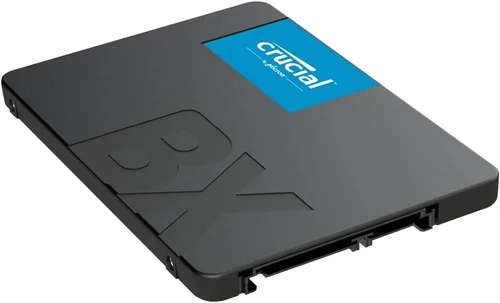
Solid-state drives (SSDs) have revolutionized the way we store and access data in modern computing. Gone are the days when mechanical hard disk drives (HDDs) ruled the roost with their spinning platters and moving read/write heads. Today, internal SSDs offer dramatically faster boot times, quicker application launches, near-instant file transfers, and a much more responsive overall system experience. Whether you’re building a new PC from scratch, upgrading an aging laptop, or simply looking to breathe new life into your current machine, choosing the right internal SSD is one of the most impactful decisions you can make.
This comprehensive buying guide is designed to cut through the noise and help you make an informed decision in 2026’s rapidly evolving storage landscape. We’ll walk you through every critical factor—from performance metrics and form factors to budget considerations and brand reliability—so you can confidently select the best internal SSD for your specific needs. Whether you’re a casual user looking for snappier everyday performance, a content creator handling large video files, or a gamer chasing every millisecond of load-time advantage, this guide will equip you with the knowledge to choose wisely. The market is flooded with options, and while that’s great for competition and innovation, it can also be overwhelming. Our goal is to simplify that process and ensure you get maximum value, performance, and longevity from your investment.

What to Look for When Buying Buying Guide
1. Budget & Price Range
Your budget is often the first and most practical constraint when shopping for an internal SSD. Prices vary widely based on capacity, performance tier, and technology used. As of 2026, entry-level SSDs start around $30 for a 500GB model, while high-capacity, high-performance drives can exceed $500. It’s important to balance cost with your actual needs—overpaying for features you won’t use is just as wasteful as underinvesting in a drive that bottlenecks your system.
When setting your budget, consider not just the upfront cost but also the cost per gigabyte (GB). For example, a 1TB SSD priced at $80 offers better value ($0.08/GB) than a 500GB model at $50 ($0.10/GB). Additionally, keep an eye on seasonal sales—Black Friday, Prime Day, and back-to-school periods often bring significant discounts. However, avoid the temptation to buy the cheapest drive available without considering reliability and performance. A poorly made SSD might save you $20 today but could cost you hours of frustration or even data loss down the line.
2. Performance Specifications
Performance is where SSDs truly shine compared to traditional HDDs, but not all SSDs are created equal. The two most important performance metrics are sequential read and write speeds, typically measured in megabytes per second (MB/s). For most consumer use cases, look for drives with read speeds of at least 3,000 MB/s and write speeds above 2,500 MB/s. High-end NVMe drives can exceed 7,000 MB/s, which is ideal for professionals working with 4K/8K video, large databases, or complex simulations.
Another key spec is random read/write performance, measured in input/output operations per second (IOPS). This matters more for multitasking, gaming, and operating system responsiveness. A drive with high IOPS will feel snappier when opening multiple apps or loading game levels. Also pay attention to endurance, expressed as terabytes written (TBW) or drive writes per day (DWPD). This tells you how much data can be written to the drive over its lifetime. For example, a 1TB SSD with a 600 TBW rating can withstand 600 terabytes of writes before potential failure—more than enough for typical users.
Latency is another subtle but important factor. Lower latency means faster response times, which translates to smoother performance in real-world usage. While most modern SSDs have excellent latency, high-end models often optimize this further through advanced controllers and firmware.
3. Build Quality & Durability
Unlike HDDs, SSDs have no moving parts, making them inherently more durable and resistant to physical shock. However, build quality still varies significantly between manufacturers and models. Look for drives that use high-quality NAND flash memory—preferably TLC (triple-level cell) or MLC (multi-level cell) over QLC (quad-level cell), which offers lower endurance and slower write speeds under sustained loads.
The controller chip is the brain of the SSD and plays a huge role in performance, longevity, and reliability. Reputable brands like Samsung, WD, and Crucial use in-house controllers optimized for their hardware, while some budget drives rely on third-party controllers that may lack advanced error correction or thermal management. Thermal throttling is another concern: high-performance NVMe drives can get hot during heavy use, and without proper heat dissipation (like a heatsink or thermal pad), they may slow down to protect themselves.
Also consider the physical build. M.2 drives are compact and solder directly to the motherboard, reducing cable clutter but increasing the risk of overheating. Some premium models include integrated heatsinks or are designed to work with motherboard-mounted heat spreaders. For 2.5-inch SATA SSDs, the enclosure should feel sturdy and well-sealed to protect internal components.
4. Features & Functionality
Beyond raw speed and capacity, modern SSDs come with a range of features that enhance usability, security, and longevity. One of the most important is hardware-based encryption, such as TCG Opal or IEEE 1667 compliance, which allows for full-disk encryption without taxing your CPU. This is especially valuable for laptops and business users who need to protect sensitive data.
Another useful feature is power-loss protection, which uses capacitors to ensure data in transit is safely written to memory during unexpected shutdowns. While more common in enterprise drives, some consumer models now include this for added peace of mind. SLC caching is another performance-enhancing feature: it uses a small portion of faster SLC (single-level cell) memory to boost write speeds during short bursts, improving real-world responsiveness.
Firmware updates are also worth considering. Reputable brands regularly release firmware updates to fix bugs, improve performance, and extend lifespan. Look for drives that support easy, user-friendly firmware updates via desktop utilities. Additionally, some SSDs include software suites for drive monitoring, cloning, and backup—tools that can simplify migration from an old drive or help maintain system health.
5. Brand Reputation
Not all SSD brands are equal. While you can find functional drives from lesser-known manufacturers, sticking with established brands generally means better quality control, longer warranties, and more reliable customer support. Samsung, Western Digital, Crucial, Kingston, and Sabrent are among the most trusted names in the industry, with proven track records of producing durable, high-performance drives.
Brand reputation also affects long-term reliability. A drive from a reputable manufacturer is more likely to receive firmware updates, have accessible support channels, and honor warranty claims without hassle. In contrast, budget brands may disappear overnight, leaving you stranded if something goes wrong. That said, some lesser-known brands offer surprisingly good value—just be sure to read independent reviews and check user feedback before committing.
It’s also worth noting that some brands specialize in certain areas. For example, Samsung excels in high-performance NVMe drives, while Crucial (a subsidiary of Micron) offers excellent value with high-quality Micron NAND. Sabrent is known for innovative designs, including SSDs with built-in heatsinks. Choosing a brand aligned with your priorities—whether it’s speed, value, or innovation—can help narrow your options.
6. Warranty & Support
A strong warranty is a strong indicator of a manufacturer’s confidence in their product. Most internal SSDs come with warranties ranging from 3 to 5 years, with some premium models offering up to 10 years. However, warranty terms often depend on usage—measured in TBW. For example, a drive might be covered for 5 years or 600 TBW, whichever comes first. This means heavy users could hit the write limit before the time limit expires.
When evaluating warranties, check what’s covered. Does it include data recovery? Is there a replacement process, or do you need to ship the drive back? How responsive is customer support? Brands like Samsung and WD offer excellent support with online tools, live chat, and detailed FAQs. Others may only provide email support with slow response times.
Also consider the ease of RMA (return merchandise authorization). A complicated or lengthy return process can be frustrating if your drive fails. Reading user reviews about warranty experiences can give you insight into how smoothly the process typically goes. A long warranty is meaningless if the support experience is poor.
7. Form Factor & Compatibility
Internal SSDs come in several form factors, and compatibility with your system is non-negotiable. The three most common types are 2.5-inch SATA, M.2 SATA, and M.2 NVMe.
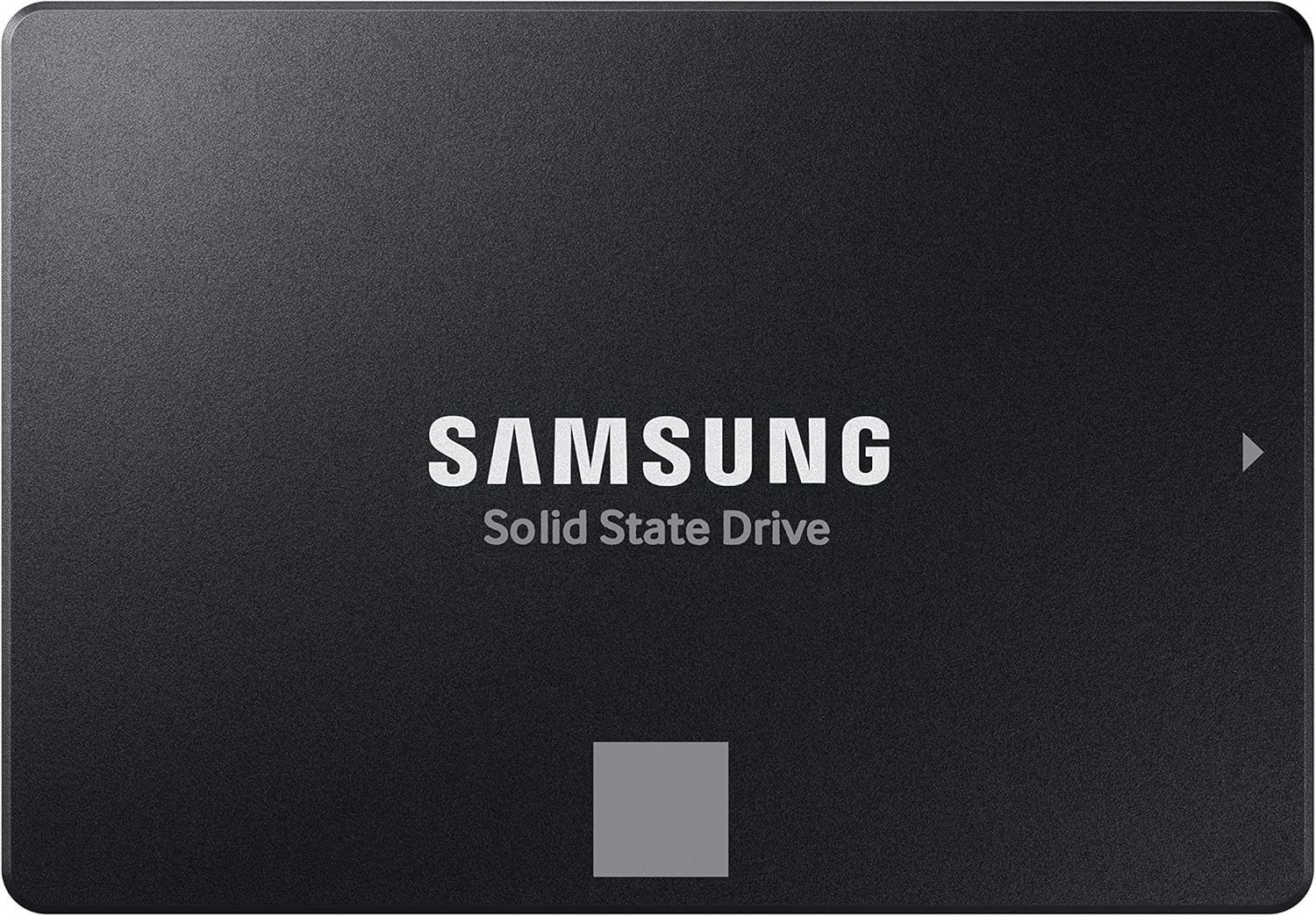
2.5-inch SATA SSDs are the most universal and plug into standard SATA ports with a power and data cable. They’re ideal for older laptops and desktops that don’t support M.2. However, they’re limited to SATA III speeds (around 550 MB/s), which is significantly slower than NVMe.
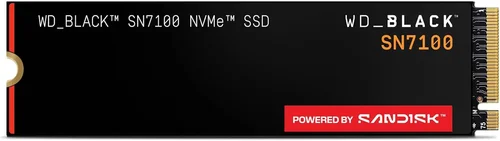
M.2 drives are much smaller and connect directly to the motherboard. They come in two varieties: M.2 SATA (same speed as 2.5-inch SATA) and M.2 NVMe, which uses the PCIe interface for much higher speeds. NVMe drives are the fastest option and are ideal for modern systems with M.2 slots. However, not all M.2 slots support NVMe—some only support SATA. Always check your motherboard manual to confirm compatibility.
Another consideration is the physical size of M.2 drives, denoted by numbers like 2280 (22mm wide, 80mm long). Most systems support 2280, but some ultrabooks or mini PCs may require shorter lengths like 2242 or 2230.
8. User Reviews & Ratings
While specs and marketing materials are helpful, real-world performance and reliability are best judged by user reviews. Platforms like Amazon, Newegg, and Reddit’s r/buildapc community offer thousands of user experiences that can highlight strengths and weaknesses not apparent in official specs.
Look for patterns in reviews—consistent praise for speed or complaints about overheating, for example. Pay attention to long-term reviews (6+ months of use), as they reveal durability and real-world endurance. Also check for mentions of firmware issues, compatibility problems, or customer service experiences.
Be cautious of overly positive or negative reviews that seem fake. Genuine reviews often include specific details about usage scenarios, system configurations, and performance observations. Cross-referencing multiple sources can help you get a balanced view.
Different Types of Buying Guide
Common Buying Mistakes to Avoid
❌ Mistake: Ignoring Compatibility
Why it’s bad: Buying an M.2 NVMe drive for a motherboard that only supports SATA M.2 slots will result in a non-functional drive. Similarly, installing a PCIe 5.0 drive in a PCIe 3.0 slot will bottleneck performance, wasting money on unused speed.
What to do instead: Always check your motherboard or laptop specifications before purchasing. Use tools like CPU-Z or the manufacturer’s website to confirm supported form factors and interfaces. When in doubt, consult the manual or contact support.
❌ Mistake: Overpaying for Unused Capacity
Why it’s bad: A 4TB SSD might seem impressive, but if you only use 500GB, you’re paying a premium for unused space. High-capacity drives are significantly more expensive per GB at the top end.
What to do instead: Assess your actual storage needs. Most users are fine with 1TB. Gamers and creators might need 2TB, but rarely more unless working with massive media libraries. Consider external storage for backups and archives.
❌ Mistake: Choosing QLC Over TLC for Heavy Use
Why it’s bad: QLC (quad-level cell) NAND is cheaper and offers higher capacities, but it has lower endurance and slower write speeds, especially when the drive is nearly full. It’s fine for light use but risky for frequent writes.
What to do instead: Opt for TLC-based drives for better longevity and consistent performance. If you need high capacity on a budget, consider a hybrid setup: a smaller TLC SSD for your OS and apps, and a larger HDD or QLC SSD for storage.
❌ Mistake: Skipping the Heatsink on High-Performance NVMe Drives
Why it’s bad: PCIe 4.0 and 5.0 NVMe drives generate significant heat during sustained workloads. Without proper cooling, they throttle performance to prevent damage, negating their speed advantage.
What to do instead: Use a heatsink if your case or motherboard supports it. Many high-end drives include one, or you can buy aftermarket solutions. Ensure adequate airflow in your build to help with cooling.
❌ Mistake: Ignoring Firmware Updates
Why it’s bad: Outdated firmware can cause bugs, reduce performance, or even lead to data corruption. Some early PCIe 4.0 drives had stability issues fixed only via firmware updates.
What to do instead: Register your drive with the manufacturer and check for firmware updates periodically. Use official tools like Samsung Magician or WD Dashboard to keep your drive optimized.
❌ Mistake: Buying Based Solely on Price
Why it’s bad: The cheapest SSD might use inferior components, lack encryption, or have a short warranty. It could fail prematurely, costing you time, data, and money in the long run.
What to do instead: Balance price with quality. Look for drives with good reviews, strong warranties, and reputable brands. A slightly higher upfront cost often pays off in reliability and performance.
❌ Mistake: Not Backing Up Before Installation
Why it’s bad: Installing a new SSD often involves cloning or reinstalling your OS. Without a backup, you risk losing important files, settings, or applications.
What to do instead: Always back up your data before making any major storage changes. Use cloud services, external drives, or imaging software to create a full system backup.
Budget Guidelines: How Much Should You Spend?
– Entry-Level ($30–$70): Ideal for basic computing, web browsing, and light office work. Look for 500GB–1TB SATA or M.2 SATA SSDs from brands like Kingston or Crucial. Expect speeds around 500 MB/s and 3-year warranties. Great for upgrading old systems.
– Mid-Range ($70–$150): The sweet spot for most users. 1TB–2TB NVMe PCIe 3.0 or 4.0 drives offer excellent performance for gaming, productivity, and media consumption. Brands like WD Black, Samsung 980, and Sabrent are strong contenders here.
– Premium ($150–$300): For enthusiasts and professionals. High-end PCIe 4.0 drives with 2TB–4TB capacity, advanced controllers, and robust heatsinks. Perfect for video editing, 3D rendering, and competitive gaming. Expect 5–7 year warranties and top-tier endurance.
– Luxury ($300+): Cutting-edge PCIe 5.0 drives with blazing speeds (7,000+ MB/s), massive capacities (up to 8TB), and enterprise-grade features. These are for users who demand the absolute best and are willing to pay a premium for future-proofing and peak performance.
Expert Tips for Getting the Best Deal
– Wait for seasonal sales: Major retailers offer deep discounts during Black Friday, Cyber Monday, Amazon Prime Day, and back-to-school seasons. Sign up for price alerts on sites like CamelCamelCamel or Honey.
– Buy from reputable retailers: Stick with well-known stores like Amazon, Newegg, Best Buy, or direct from manufacturers. Avoid unknown sellers offering suspiciously low prices.
– Check return policies: Ensure the retailer offers at least a 30-day return window. Some brands also offer 45- or 60-day returns, giving you time to test the drive thoroughly.
– Consider refurbished or open-box deals: Certified refurbished SSDs from manufacturers often come with full warranties and can save you 20–30%. Just verify the warranty terms.
– Monitor price trends: SSD prices fluctuate based on NAND supply and demand. Use tools to track historical pricing and buy when prices dip.
– Bundle with other components: Some retailers offer discounts when you buy an SSD with a motherboard, CPU, or laptop. This can be a great way to save on a full system upgrade.
– Read the fine print on warranties: Understand what’s covered and for how long. Some warranties are prorated, meaning you get less compensation the longer you use the drive.
– Test the drive after installation: Use tools like CrystalDiskMark or AS SSD Benchmark to verify performance matches specs. Also check SMART data for early signs of issues.

Frequently Asked Questions
Q: Can I use an NVMe SSD in a SATA slot?
A: No. NVMe and SATA use different interfaces and protocols. An NVMe SSD will not work in a SATA-only M.2 slot. However, some motherboards support both, so check your specifications carefully.
Q: Do I need a heatsink for my NVMe SSD?
A: It depends. For PCIe 3.0 drives, a heatsink is usually optional. For PCIe 4.0 and 5.0 drives under heavy load, a heatsink is highly recommended to prevent thermal throttling.
Q: How long do SSDs last?
A: Most consumer SSDs last 5–10 years under normal use, depending on usage patterns and TBW rating. Light users may never hit the write limit, while heavy users should monitor endurance.
Q: Can I recover data from a failed SSD?
A: Data recovery from SSDs is more difficult than from HDDs due to wear leveling and TRIM. Professional services may help, but success isn’t guaranteed. Regular backups are essential.
Q: Is a larger SSD faster?
A: Generally, yes—larger SSDs often have more NAND chips and better parallelism, leading to higher performance and endurance. A 2TB drive may outperform a 500GB model of the same series.
Q: Should I enable TRIM?
A: Yes. TRIM helps maintain SSD performance by allowing the OS to inform the drive which blocks are no longer in use. It’s usually enabled by default in modern operating systems.
Q: Can I use an SSD as a boot drive?
A: Absolutely. In fact, using an SSD as your primary boot drive is one of the best upgrades you can make. It drastically reduces boot times and improves system responsiveness.
Q: Are external SSDs as fast as internal ones?
A: Not usually. While high-speed external SSDs (USB 3.2 Gen 2×2 or Thunderbolt) can approach internal speeds, they’re often limited by the interface. Internal NVMe drives still offer the best performance.
Q: Do SSDs need defragmentation?
A: No. Defragmentation is unnecessary and can reduce SSD lifespan by increasing write cycles. Modern OSes automatically disable defrag for SSDs.
Q: What’s the difference between DRAM and DRAM-less SSDs?
A: DRAM-equipped SSDs have a dedicated memory cache for mapping data, improving speed and longevity. DRAM-less drives use system memory (HMB) or slower methods, which can impact performance under heavy loads.
Our Final Recommendations
– Best for Budget-Conscious Buyers: Crucial P3 1TB – Offers excellent value with PCIe 3.0 speeds, reliable Micron NAND, and a 5-year warranty. Perfect for upgrading older systems without breaking the bank.
– Best Overall Value: Samsung 980 (1TB) – A balanced choice with strong performance, low power consumption, and Samsung’s reputation for quality. Great for everyday use and light gaming.
– Best Premium Option: WD Black SN850X 2TB – A top-tier PCIe 4.0 drive with blazing speeds, robust heatsink, and excellent endurance. Ideal for gamers and creators who demand peak performance.
– Best for Beginners: Kingston NV2 1TB – Simple, reliable, and affordable. Easy to install with no extra software needed. Great for first-time upgraders.
– Best for Advanced Users: Samsung 990 Pro 2TB – Cutting-edge PCIe 4.0 performance with advanced thermal management and industry-leading endurance. Built for professionals and enthusiasts.
Conclusion: Making the Right Choice
Choosing the best internal SSD in 2026 doesn’t have to be overwhelming. By focusing on your specific needs—whether that’s budget, performance, capacity, or compatibility—you can narrow down the options and make a confident decision. Remember that the “best” SSD isn’t necessarily the fastest or most expensive; it’s the one that delivers the right balance of speed, reliability, and value for your use case.
Take the time to research, read reviews, and compare specs. Don’t rush into a purchase based on flashy marketing or a low price tag. Invest in a drive from a reputable brand with a solid warranty, and you’ll enjoy faster boot times, quicker file access, and a more responsive system for years to come. Whether you’re building a new PC, upgrading an old laptop, or simply looking to future-proof your setup, the right internal SSD is a transformative upgrade that pays dividends in performance and peace of mind.
Now that you’re equipped with the knowledge from this guide, it’s time to make your choice. Prioritize what matters most to you—speed, capacity, durability, or price—and select the SSD that aligns with your goals. Your computer will thank you.